EN
EN


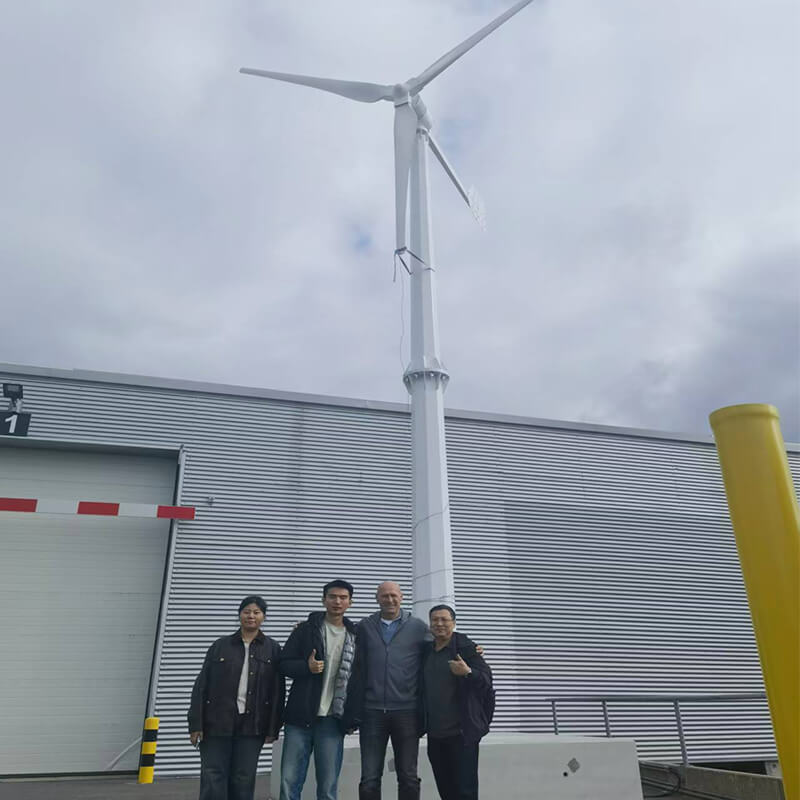
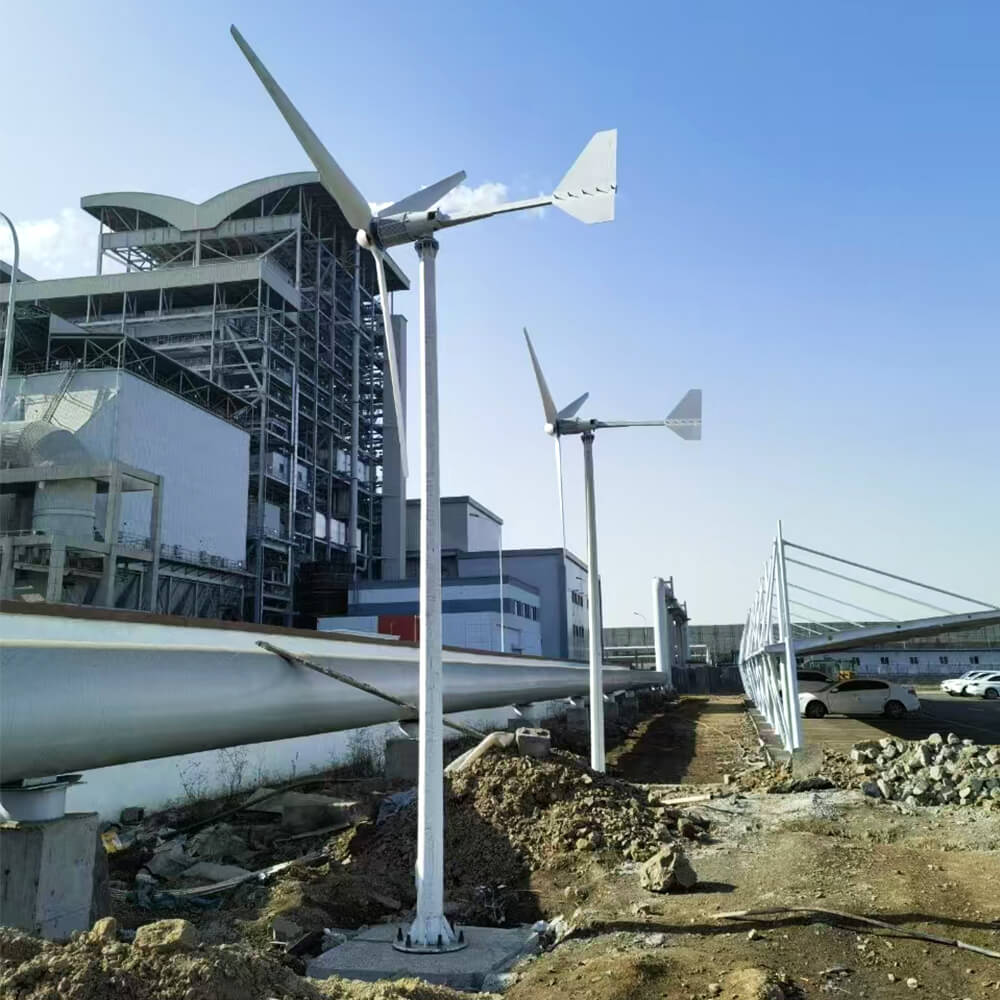
The need for energy independence and lower electricity cost for homeowners in Europe has been a major impetus to the increased demand for SWE. There is an increasing interest in SWE in Europe due to the need for energy independence and lower electricity bill by the homeowners. This is set to drive compound annual growth (CAGR) in the Europe small wind power market by 12.6 percent by the 2024–2033 time frame and estimated to expand to USD 11.4 billion by 2033. With the current increase in the rate of this market growth, is crucial for residential project contractors to understand the technical, regulatory and pragmatic issues of the small wind turbine installations so as to thrive and gain the confidence of the public and find a viable and cost effective installation technique for its use.
Understanding European Residential Demand
The key factors that have prompted the installation of small wind turbines at domestic level in Europe are: rising energy prices, detrimental environmental effects and the need for energy self-sufficiency. Here small wind turbines, usually less than 50 kW, can have a significant part to play as an environmentally friendly alternative of an independent and decentralized electricity supply reducing our dependency on existing sources of electricity in the future.
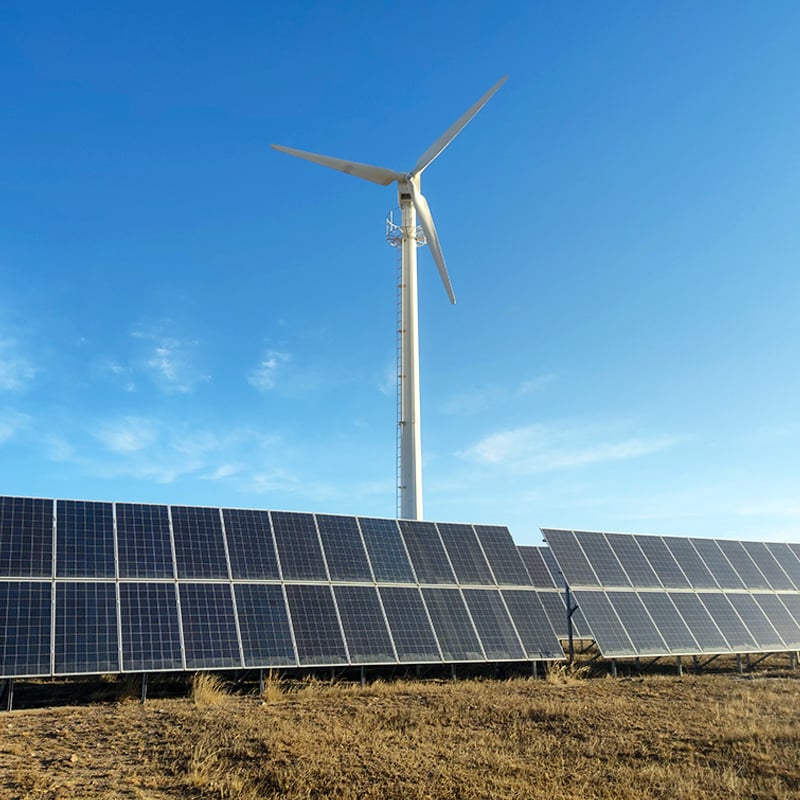
In Italy the domestic (i.e. Small (<20kW) wind power market is very much on the rise with the residential, SME and small agriculture sector as being responsible for the major increase. Beside the fact that a wind turbine offers to power when the sun is not shining/available at night and during the winter, for those in Europe who install solar wind the complementarity aspect is of paramount importance.
Contractors must know this. Homeowners do not want a big, noisy, ugly thing in their yard or house. These turbines are significantly quieter than their Horizontal axis counterparts and since they are omnidirectional, they work anywhere.
Selecting the Right Turbine for Residential Projects
The success of a project will depend upon the type and size of turbine used. The typical horizontal-axis turbines tend to be larger, and vertical-axis turbines are starting to be favored in urban and suburban areas as they can be effective in areas with windy spaces.
For homes, wind turbines on the vertical axis possess a number of benefits. They're wind-pivoted and thus they can always turn into the wind. That is why they're useful under the very complex and turbulent wind conditions of residential zones. They typically have heights of ≤ 12m, and are smaller than most constraints in aviation and landscape and thus make permitting easier. Compared to the sound level of less than 45 dB at 20 metres they are suitable for use in schools, hotels and residential areas.
The option becomes greater as the technology of micro-wind becomes better. A handful of companies make turbines which can be designed into containers, and shipped to customers with batteries included to form their own self-sufficient, off-grid systems, available at a competitive price, in a range of weather.
Navigating Regulations and Permitting
One of the main challenges for the contractors is the variety of regulations on the installation of small wind turbines in the different territories of Europe. The IEC 61400-2 is applicable to small wind turbines and provides the requirements for safety, engineering integrity and quality assurance.
The site survey will be one of the essential items of work for regulatory compliance to be satisfied. The Selection of an appropriate turbine class is governed by the wind speeds, wind shear and any turbulence or obstacles in the region of siting. Permitting laws can be very different across Europe. Some jurisdictions have some installations that could already be under permitted development and certainly wouldn’t need to apply for planning permission. Contractors would need to clarify the legislation in force either on a national or regional level.
The UK MCS requirements are systems are designed to the MIS 3003 standards.
In Italy micro-wind is increasingly popular due to how easy it is to permit these systems. All jurisdictions would require a shadow flicker assessment. The amount of shadow flicker a system throws will not exceed 30 hours/year. Local Civil Aviation Authority guidance in regards to aviation and airspace restrictions should also be consulted.
Maximizing Project Viability for Clients
It depends on site and various subsidies, financial viability of small wind. The feasibility study needed to be done before finalizing the contract, and it should include parameters such as average wind speed, rate at which electricity is consumed within the PV plant's boundaries (known as “percentage of self-consumption of generated kWh”), and the local electricity pricing.
The supports offered are offered in the region. In Wallonia, there is investment support for small and medium-sized enterprises (SMEs) (20%). In Brussels, green certificates (1.81 per MWh) for 10 years applies and in Flanders, the VEA support (up to €74 per MWh) for 10 years applies. There's also the federal tax benefit available of 13.5% (25% until 2022) with SMEs. Nowadays the cost of German small wind feeds is around EUR 8.38 ct/kWh and there is still small wind FiT. Small wind makes a sound investment as energy bill savings can be up to 30% for European householders, with payback periods typically less than 10 years.
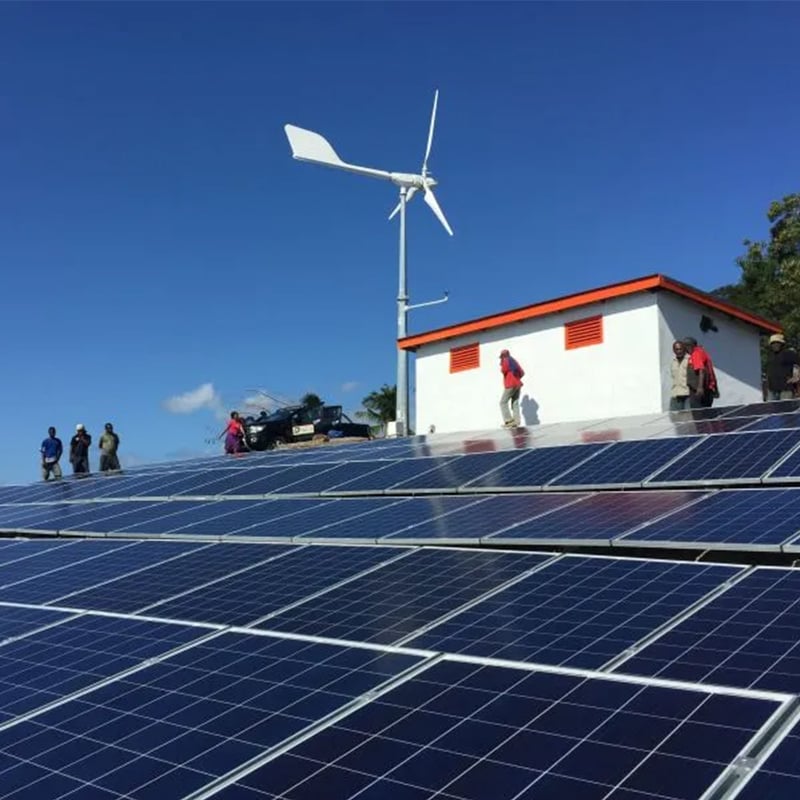
Since 2009, Jiangsu DHC Environmental Si-Tech Co., Ltd. has been committed to providing wind-solar hybrid solutions to the market, with various small wind turbines, solar panels and LiFePO₄ batteries for household use. DHC will provide quality and customer-centric services to European contractors that give them the confidence to deliver with certainty, renewable energy solutions to Europeans' homes.