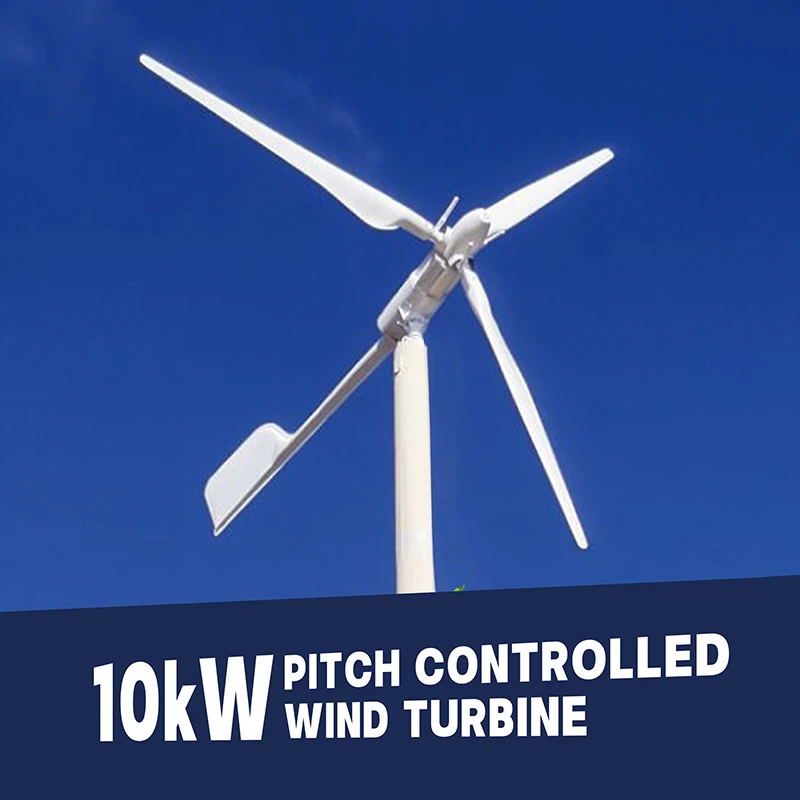
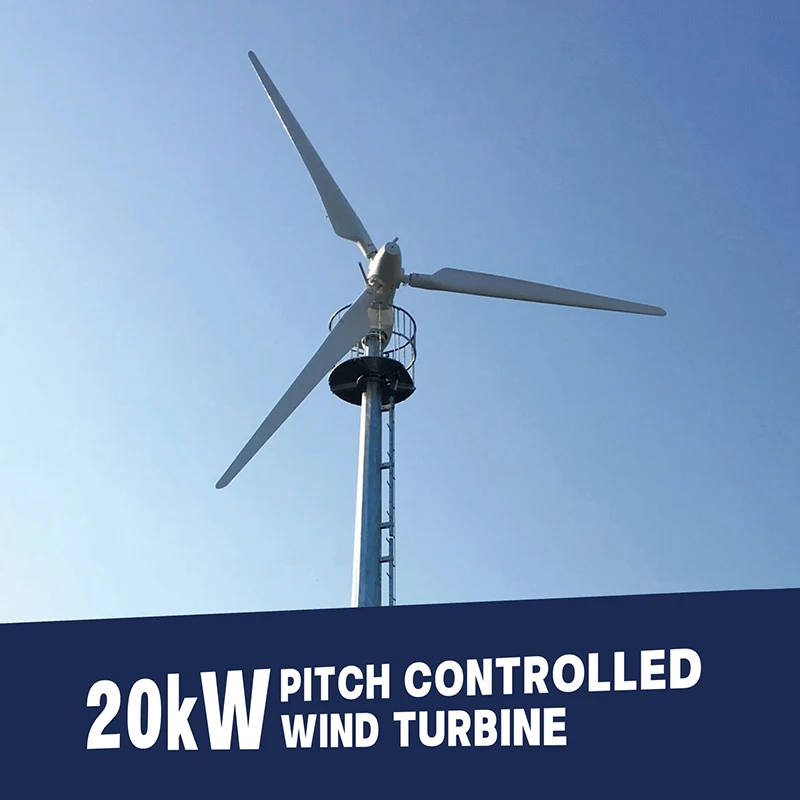
As renewable energy continues to gain momentum, the role of wind power becomes increasingly vital. A 20 kW wind generator is an ideal solution for businesses and farms seeking sustainable energy sources. This article will provide essential information on key specifications, cost factors, installation guidance, common issues, and applications related to domestic wind generator. Understanding these elements will help buyers make informed decisions tailored to their specific needs.
When considering a 20 kW wind generator, buyers should focus on several technical specifications that influence performance and suitability for various applications. Key specifications include:
Rated Power Output: The 20 kW rating indicates the generator's maximum continuous power output under optimal wind conditions. Understanding this helps buyers assess if it meets their energy requirements.
Cut-in Wind Speed: This is the minimum wind speed at which the generator begins to produce power, typically around 3 to 4 m/s. A lower cut-in speed allows for more consistent energy generation, particularly in areas with variable wind conditions.
Rated Wind Speed: This is the wind speed at which the generator delivers its rated power. For a 20 kW unit, this may be around 12 to 15 m/s. Buyers should ensure that the local wind conditions regularly meet or exceed this speed for optimal performance.
Survival Wind Speed: This specification indicates the maximum wind speed the generator can withstand without sustaining damage, typically around 25 to 30 m/s. Ensuring the generator can handle extreme weather conditions is crucial for durability and longevity.
Rotor Diameter: The size of the rotor directly affects the amount of energy harvested from the wind. A larger rotor diameter can capture more wind energy, leading to higher efficiency. Buyers should evaluate the space available for installation and the expected energy output.
Tower Height: The height of the tower is critical for maximizing wind exposure. Taller towers typically yield better performance due to less turbulence and increased wind speed. Buyers should consider local regulations and site conditions when selecting tower height.
Understanding these specifications allows buyers to select a generator that aligns with their energy needs and installation environment.
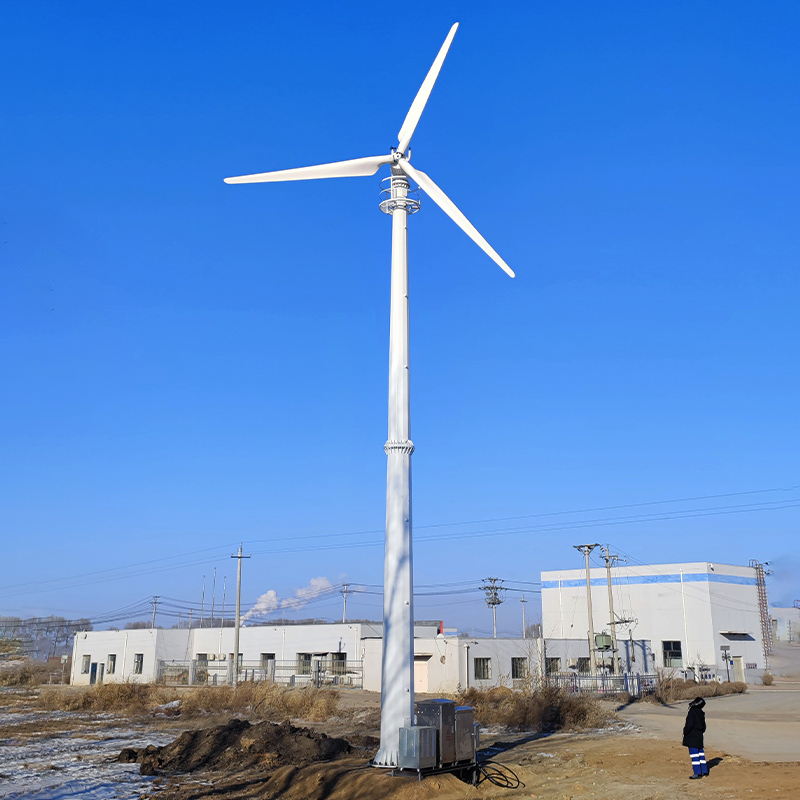
The cost of a 20 kW wind generator can vary significantly based on several factors. Here are key elements that influence pricing:
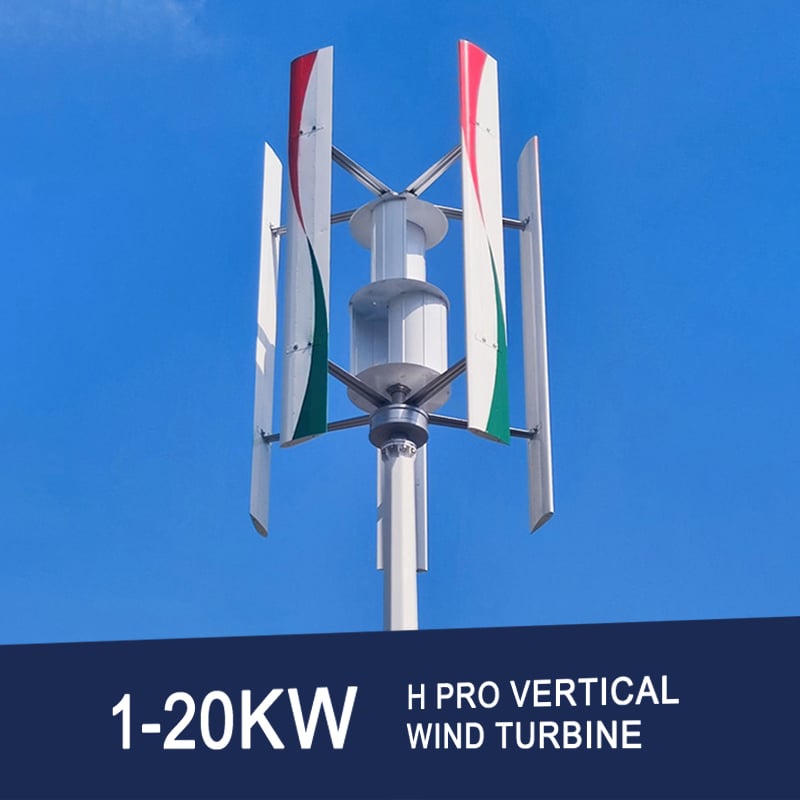
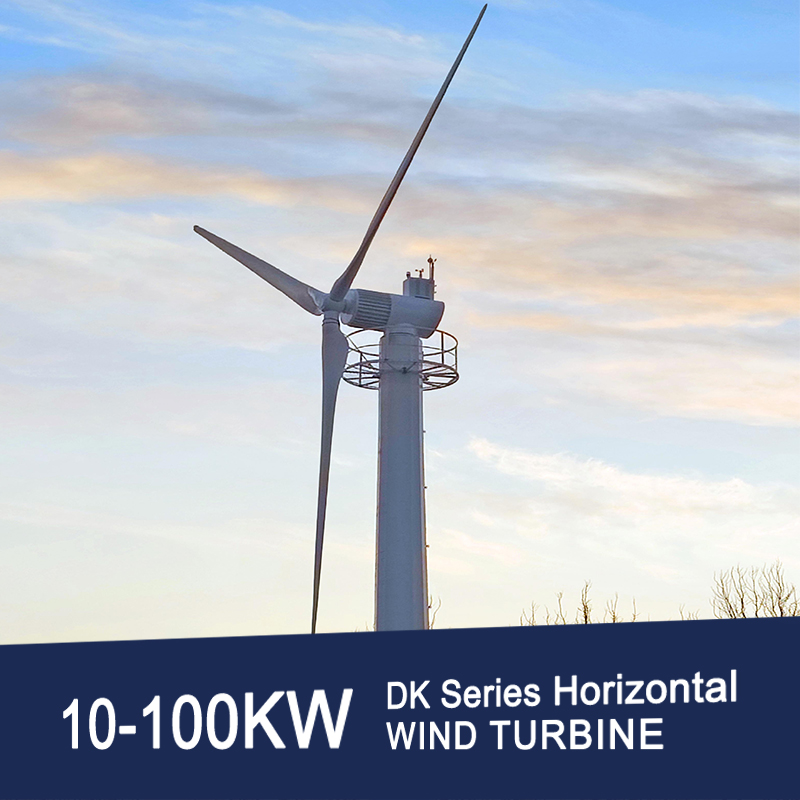
Generator Type: There are two main types of Jiangsu DHC 20 kW wind generators: horizontal-axis and vertical-axis. Horizontal-axis turbines generally have higher efficiencies but come at a higher cost. Buyers should determine which type best suits their application and budget.
Material Quality: The materials used in the house wind generator construction, such as the rotor blades, tower, and housing, can impact both initial costs and long-term durability. Higher-quality materials may come at a premium but often result in lower maintenance costs over time.
Installation Costs: Buyers should factor in installation costs, which can include site preparation, foundation construction, and the labor required for assembly. These costs can vary based on the complexity of the installation and local labor rates.
Customization Requirements: Custom features, such as specific tower heights or rotor sizes, can increase the overall cost. Buyers should clearly communicate their requirements to suppliers to receive accurate quotations.
Shipping and Logistics: The location of the supplier, along with shipping distances and logistics, can significantly affect pricing. Buyers should inquire about shipping costs and delivery times when evaluating offers.
Maintenance and Support: Consider the long-term costs associated with maintenance and potential repairs. Some manufacturers may offer extended warranties or service agreements, which can add to initial costs but provide peace of mind.
By thoroughly evaluating these cost factors, buyers can better navigate budget considerations and ensure they make a financially sound investment.
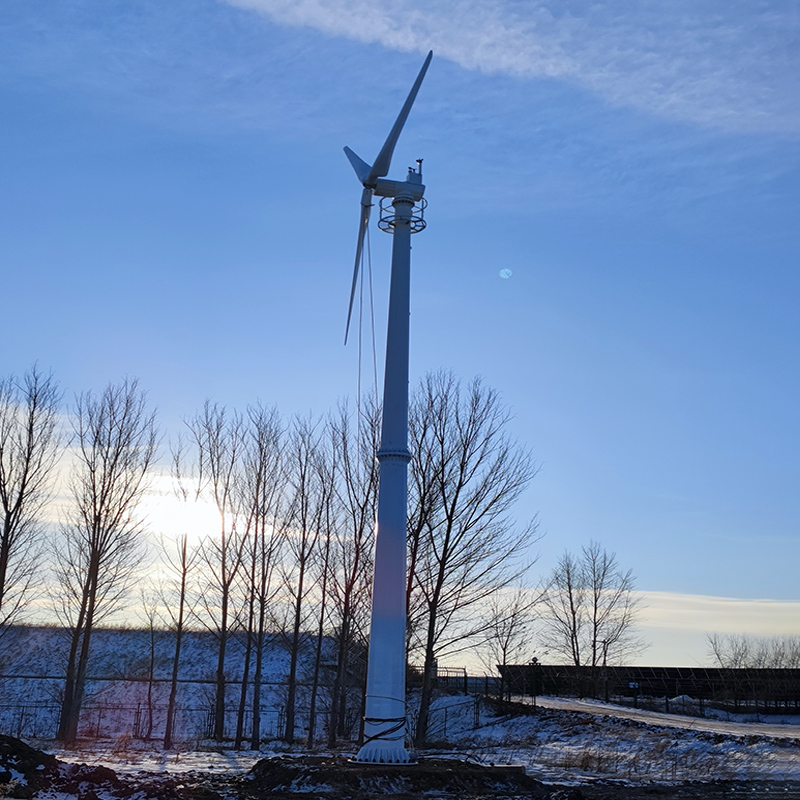
Installing a 20 kW wind generator requires careful planning and execution to ensure optimal performance and compliance with local regulations. Here are essential steps for a successful installation:
Site Assessment: Conduct a thorough site assessment to evaluate wind conditions, topography, and potential obstacles (e. g., trees, buildings). This assessment helps determine the best location and tower height for maximum energy production.
Permitting and Regulations: Before installation, check local zoning laws and secure any necessary permits. Compliance with regulations is crucial to avoid fines and ensure safe operation.
Foundation Preparation: A solid foundation is vital for the structural integrity of the wind generator. Depending on soil conditions, this may require concrete or other materials. Ensure the foundation is level and robust enough to support the generator during high winds.
Assembly and Erection: Follow the manufacturer’s guidelines for assembly. It is advisable to have trained professionals handle the installation, as they can ensure that the turbine is erected safely and correctly.
Electrical Connections: Proper electrical connections are crucial for integrating the wind generator with existing power systems. Consult with a qualified electrician to ensure compliance with local electrical codes and safe operation.
Post-Installation Testing: After installation, conduct thorough testing to verify that the system operates as expected. Monitor performance metrics such as power output and ensure that all safety mechanisms are functioning properly.
By following these installation guidelines, buyers can set up their 20 kW wind generator for optimal energy production and longevity.
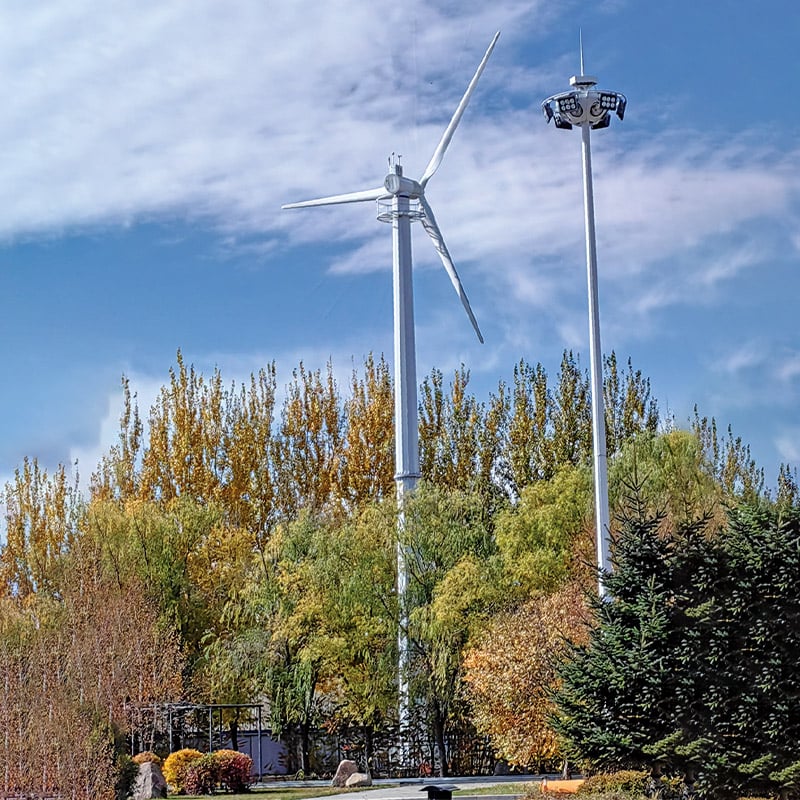
Despite their benefits, Jiangsu DHC 20 kW wind generators may encounter issues that affect performance. Here are some common problems and their potential solutions:
Noise Issues: While modern wind generators are designed to operate quietly, excessive noise can occur due to improper installation or mechanical issues. Regular maintenance and proper alignment of components can mitigate noise disturbances.
Vibration: Vibration can arise from unbalanced rotor blades or structural issues. Regular inspections and maintenance can help identify and correct any imbalances, ensuring smooth operation.
Blade Damage: Blades can suffer from wear and tear due to harsh weather conditions or debris. Conducting regular visual inspections and addressing any damage promptly can extend the life of the blades.
Electrical Failures: Electrical components may fail due to weather exposure or manufacturing defects. Buyers should ensure that all electrical components are adequately protected and consider using weather-resistant materials.
Underperformance: If the generator consistently underperforms, it may be due to incorrect installation, insufficient wind speed, or mechanical issues. Conducting a site assessment and consulting with the manufacturer can help diagnose and resolve performance problems.
By being aware of these common issues and implementing proactive solutions, buyers can enhance the reliability and efficiency of their 20 kW wind generators.
Solar wind power systems are the main focus our wind turbine and generator. can provide our customers with custom solutions using expert supply chain management capabilities the ability to integrate. will offer you high-quality service all hours of day from production to design and after-sales.
As most sought-after brand of wind solar hybrid power systems, DHC has own wind turbine factory integrating R D design, production and technical support. founders of DHC have been working on the idea green 2kw vertical axis wind turbine protection since 2009 and immersed in the world of renewable energy adhering to the company's values "diligence as well as honesty, cooperation and innovation." Our DHC brand DHC is the result of this.
main products include wind turbines, solar panels lifepo4 batteries. customers can receive all-in-one-shop solution the integration and design wind-solar hybrid smart photovoltaic systems. DHC is reliable supplier of products, 15kw wind turbine for home, after-sales support customers through the best delivery capabilities.
We're committed keeping integrity as the foundation our company, Eolic generator customers the best power products as well as expert services. For wind turbines you can pay attention to important integrity is the foundation our company. provide genuine power products provide skilled service. You can consider parameters like blade diameter wind turbine weight when evaluating wind turbines. DHC assures that its products are able to deliver real power without overstating power.
20 kW wind generators are versatile and can be applied across various industries and settings. Understanding these applications can aid buyers in selecting the right solution for their needs:
Agriculture: Farms can benefit from Jiangsu DHC 20 kW wind generators to power irrigation systems, livestock operations, and processing facilities. This renewable energy source can significantly reduce operational costs and enhance sustainability.
Commercial Facilities: Businesses can install 20 kW wind generators to supplement their energy needs, reduce reliance on grid power, and lower energy costs. These generators can be particularly beneficial for facilities located in windy areas.
Remote Locations: In off-grid or remote areas, a 20 kW wind generator can provide essential power for lighting, heating, and other critical applications. This makes them ideal for telecommunications towers or remote research stations.
Community Projects: Local governments or community organizations can invest in boat wind generator to promote renewable energy initiatives and provide power for public facilities, parks, or community centers.
Hybrid Systems: 20 kW wind generators can be integrated into hybrid energy systems alongside solar panels and LiFePO4 batteries, creating a reliable and sustainable energy solution that maximizes resource efficiency.
These applications highlight the adaptability of 20 kW wind generators, making them a practical investment for various industries looking to embrace renewable energy.
Welcome to DHC, the top brand of wind solar hybrid power system! We provide innovative and effective new energy solutions including wind turbine, solar panel, lifepo4 battery, etc.






 EN