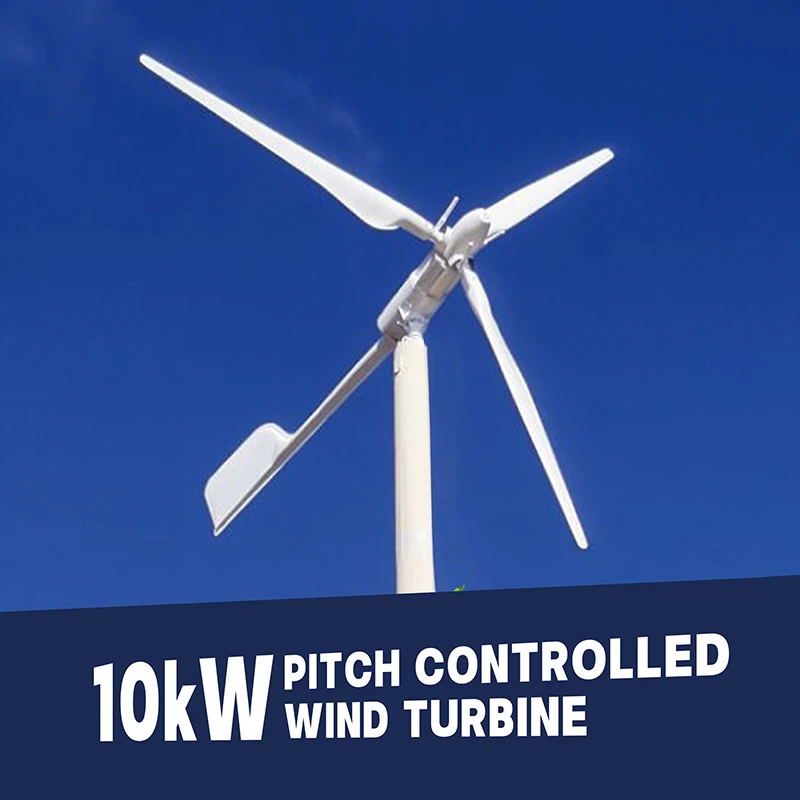
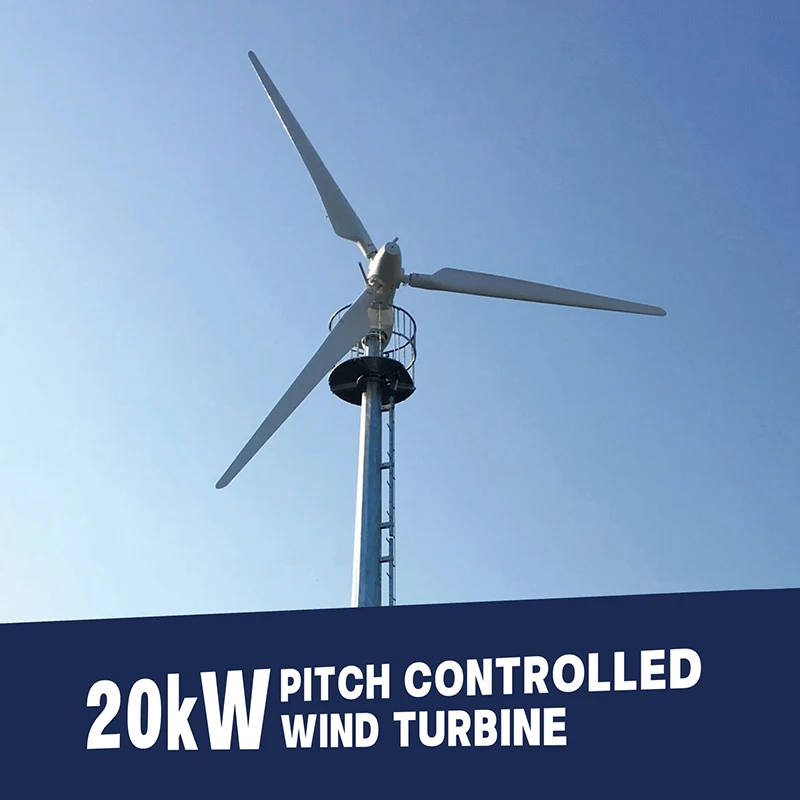
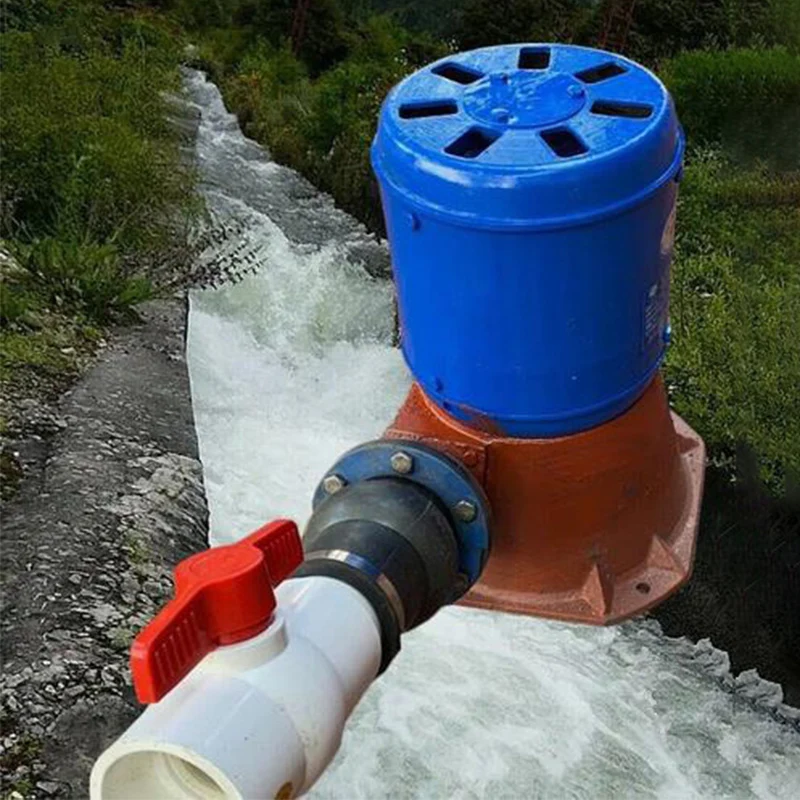
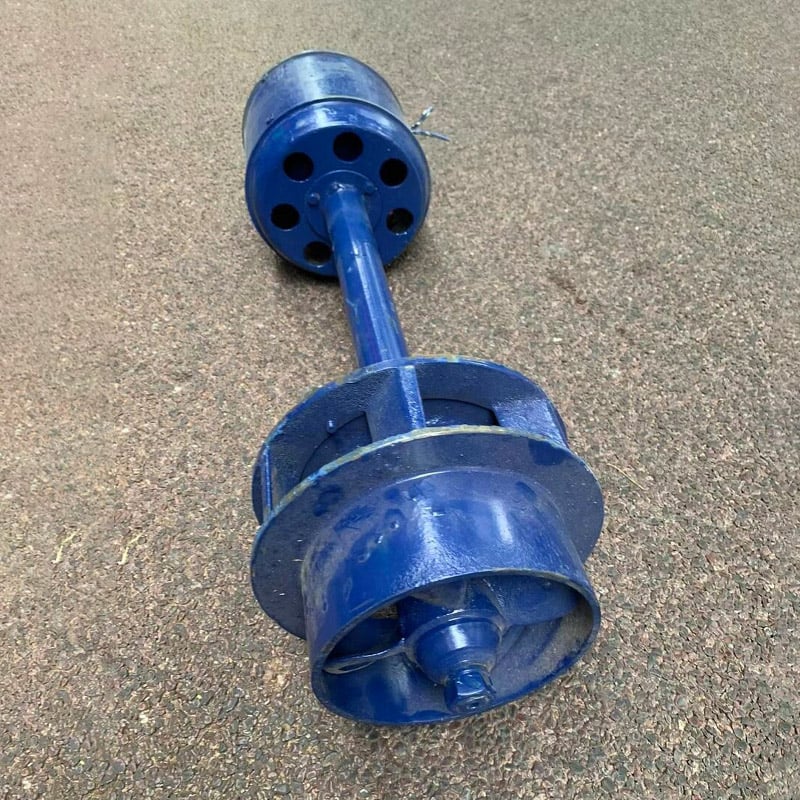
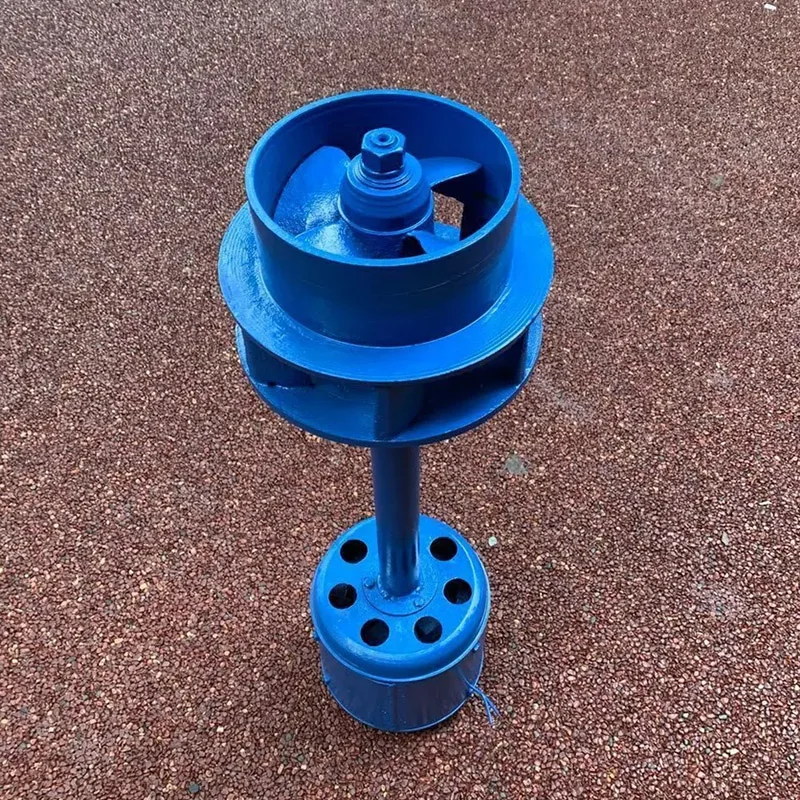
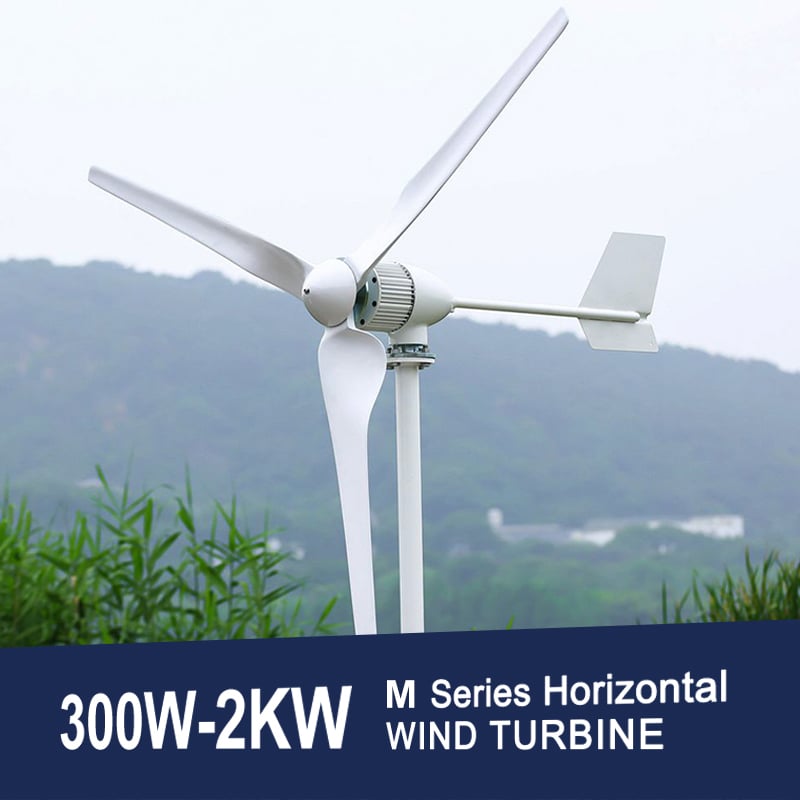
As renewable energy solutions gain traction, home electric wind generators present an attractive option for homeowners looking to harness wind power. These systems can provide significant energy savings and sustainability benefits, but selecting the right generator requires careful consideration. Purchasing managers distributors, and engineers must evaluate various factors, from specifications to small wind generators reliability. This article will guide you through the essential aspects of home electric wind generators, helping you make informed decisions for your residential energy needs.
When choosing a home electric wind generator, first assess the specific energy requirements of your property. Factors such as average wind speed in your area, available space for installation, and energy consumption patterns play a critical role in determining the appropriate system size and capacity. For instance, a small residential unit may suffice for a modest energy footprint, while larger farms or multi-family dwellings may benefit from a more powerful model.
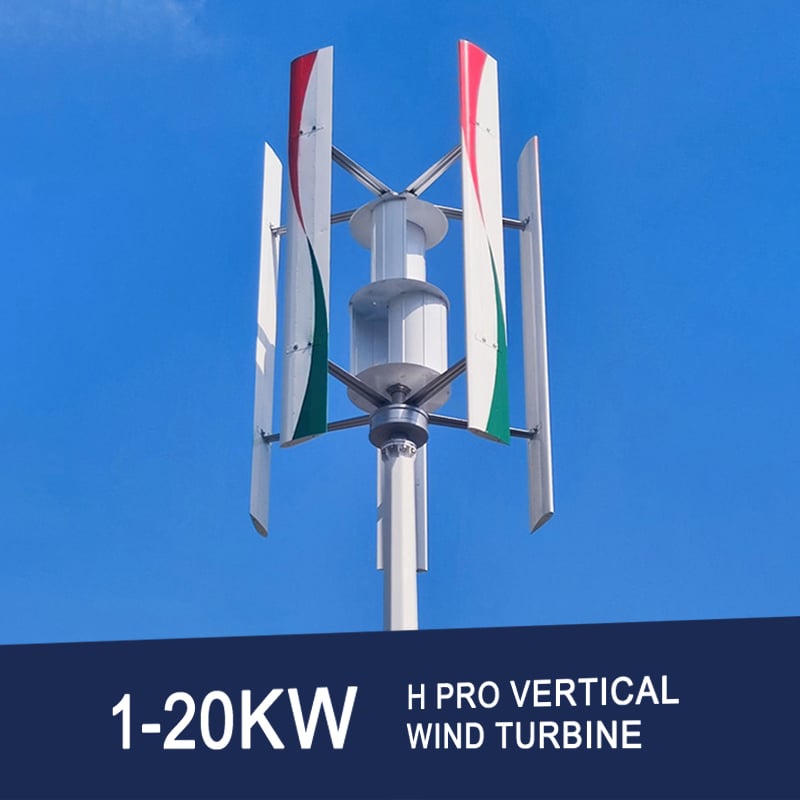
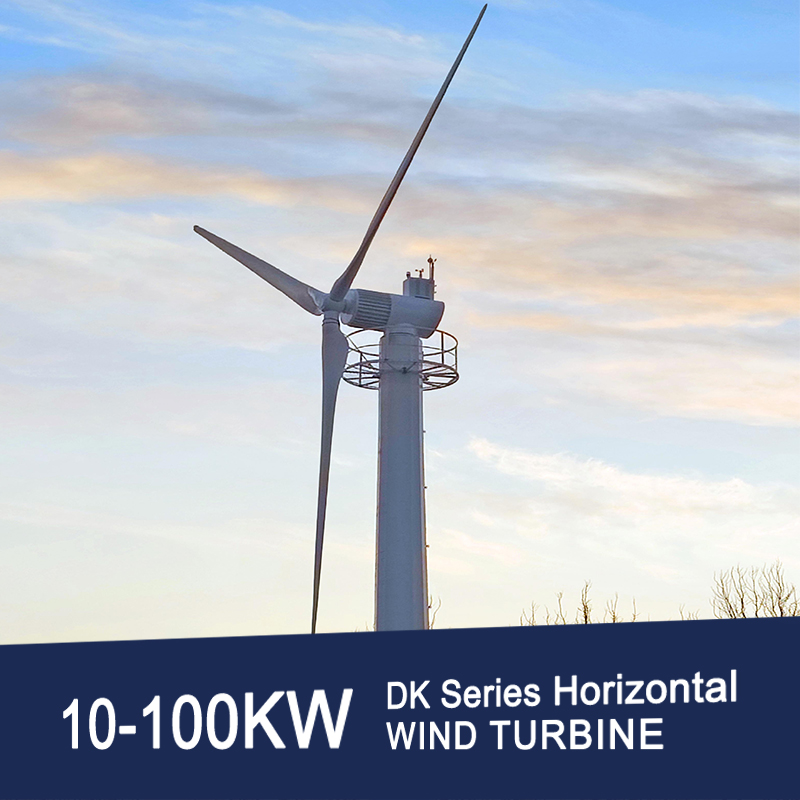
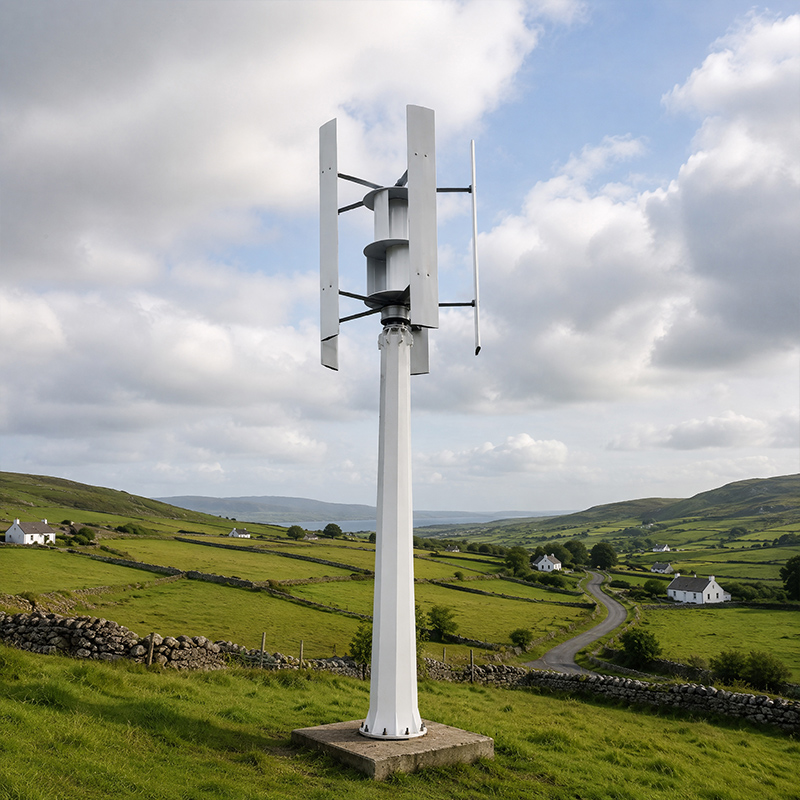
Additionally, consider the type of generator. Horizontal-axis wind turbines (HAWT) are the most common and typically more efficient, whereas vertical-axis wind turbines (VAWT) have their advantages in low wind conditions and less turbulence of home wind generators for sale. Depending on your location and installation site, one type may be more suitable than the other. Consulting with a supplier experienced in wind energy solutions can provide valuable insights tailored to your unique needs.
Understanding the key specifications of home electric wind generators is crucial for making a sound purchase. Here are some critical parameters to evaluate:
Rated Power Output: This indicates the maximum amount of electricity the generator can produce under optimal wind conditions. Ensure the generator's rated output aligns with your energy requirements.
Cut-in Wind Speed: This is the minimum wind speed at which the generator begins to produce power. A lower cut-in speed is beneficial in areas where wind speeds fluctuate.
Survival Wind Speed: This indicates the maximum wind speed the turbine can withstand without damage. It's essential to select a generator that can endure extreme weather conditions common in your region.
Noise Levels: Wind turbines can generate noise, which may be a concern in residential areas. Look for models designed to operate quietly, particularly if you live close to neighbors.
Material and Build Quality: The durability of the materials used in construction affects longevity and performance. High-quality materials ensure that the generator can withstand environmental stressors like rain, snow, and UV exposure.
Warranty and Support: A robust warranty and customer support system can safeguard your investment. Check the length of the warranty and what it covers.
The cost of home electric wind generators can vary significantly based on several factors, including:
System Size and Capacity: Larger generators with higher power outputs typically come at a higher price. It’s essential to balance your energy needs with your budget.
Installation Costs: Depending on the complexity of the installation, costs can add up. Consider additional expenses such as permits, foundation work, and electrical connections.
Maintenance Expenses: Regular maintenance is vital for optimal performance. Factor in potential costs for inspections, repairs, and part replacements.
Customization Options: If you require specific features or configurations, customization can increase costs. Discuss your needs with suppliers to get a clearer picture of how customization impacts pricing.
Incentives and Rebates: Look into local, state, or federal incentives for renewable energy projects, which can significantly offset initial costs.
Understanding these factors will help you create a comprehensive budget and avoid unexpected expenses during the purchasing process.
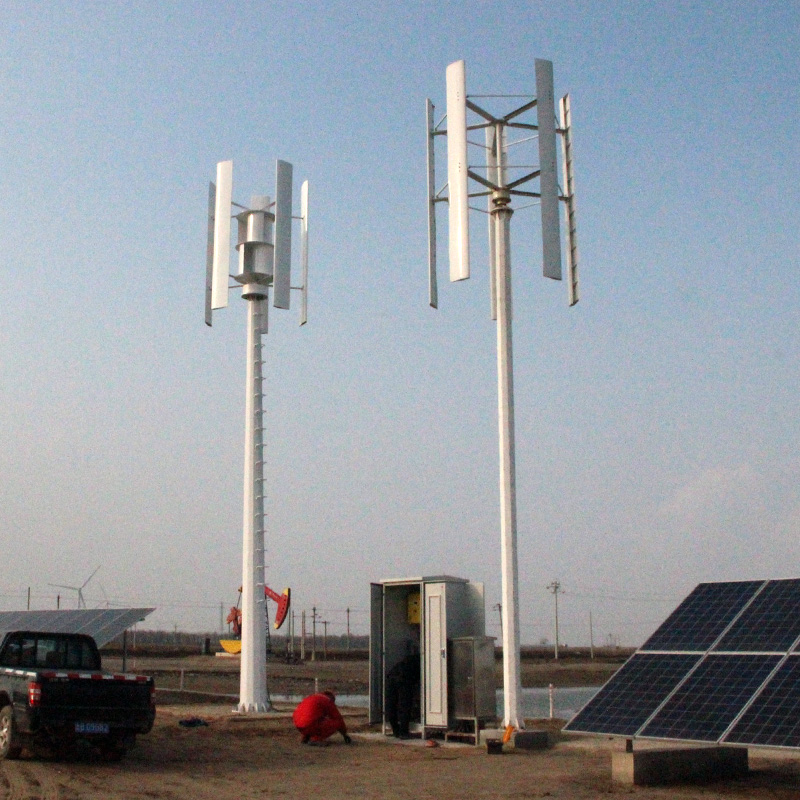
Home electric wind generators are versatile and can be integrated into various residential applications. Here are some common uses:
Supplementing Grid Power: Homeowners can use wind generators to reduce reliance on grid electricity, especially in regions with high energy costs. This not only lowers utility bills but also enhances energy independence.
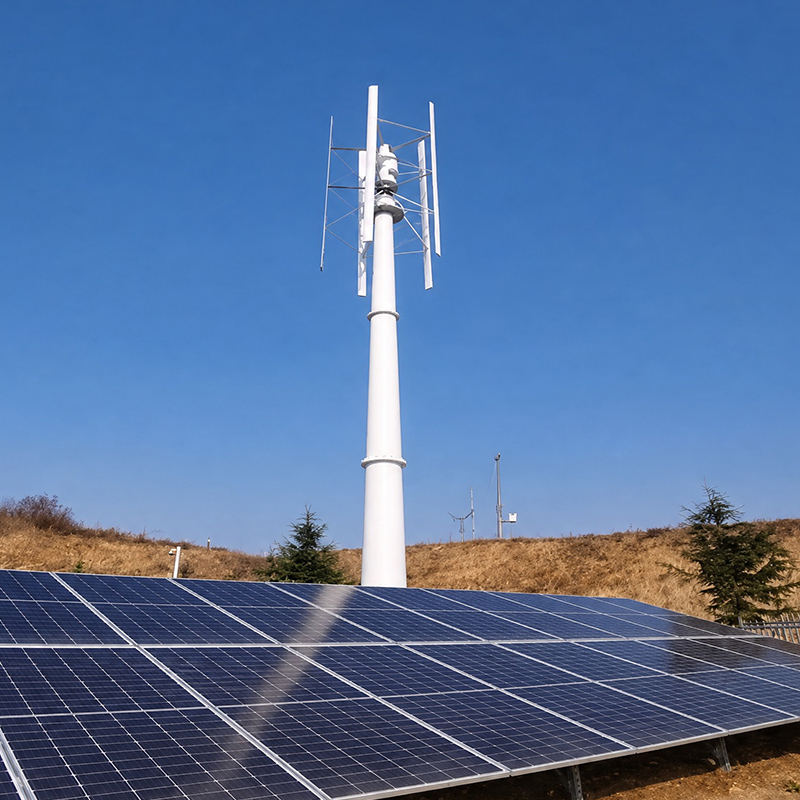
Off-Grid Solutions: For remote locations without access to the power grid, wind small wind generators for home use provide a reliable source of energy. Combined with solar systems, they can create a robust hybrid renewable energy solution.
Battery Charging: Many systems can be paired with storage solutions, such as LiFePO4 batteries, allowing homeowners to store excess energy generated during windy conditions for use when the wind isn't blowing.
Emergency Backup Power: In areas prone to power outages, a wind generator can serve as an emergency power supply, ensuring continuity of essential services.
Evaluating the specific application for your home can help guide your choice of generator and any necessary accessories.
We're committed keeping integrity as the foundation our company, Eolic generator customers the best power products as well as expert services. For wind turbines you can pay attention to important integrity is the foundation our company. provide genuine power products provide skilled service. You can consider parameters like blade diameter wind turbine weight when evaluating wind turbines. DHC assures that its products are able to deliver real power without overstating power.
main products wind turbines and solar panels. customers can receive a single-source service integration and development wind-solar hybrids as well as intelligent photovoltaic systems. DHC provides reliable 5000w wind turbine, technologies and after-sales support customers through exceptional delivery capability.
We're dedicated solving commercial residential electrical needs utilizing a solar/wind power system. With professional supply chain management and integration capabilities, are able to provide customers with completely customized solutions. We'll provide high-quality service all hours of day from Vertical wind turbine to design and after-sales.
DHC is leading brand in the hybrid wind solar power systems. It has own factory that incorporates R D production, design, and technical services. Since 2009 the founders DHC have been implementing the idea protecting the environment and have been immersed in the latest technology and Wind turbine the corporate values "diligence and integrity, co-operation and creativity." This is also the source of our name "DHC".
Finding a dependable supplier for home electric wind generators is crucial for securing high-quality products and support. Here are some tips for sourcing reliable suppliers:
Industry Experience: Look for suppliers with a proven track record in the renewable energy sector. Companies like Jiangsu DHC Environmental Si-Tech Co., Ltd., with 15 years of experience, often have the necessary expertise to guide you in selecting the right solution.
Product Range: A supplier offering a variety of models and customization options can better meet your specific energy needs. Check if they provide comprehensive solutions, including wind turbines, solar systems, and storage batteries.
Customer Reviews and Case Studies: Research customer feedback and case studies to gauge the reliability and performance of the supplier’s products. Positive testimonials can indicate a supplier's capability to deliver on promises.
Post-Purchase Support: Ensure that the supplier offers robust after-sales support, including installation services, maintenance, and warranty handling. This support is vital for long-term satisfaction.
Certifications and Compliance: Verify that the supplier's products meet relevant industry standards and certifications, ensuring safety and reliability.
By carefully evaluating potential suppliers, you can secure a home electric wind generator that not only meets your energy needs but also provides peace of mind through reliable service and support.
Welcome to DHC, the top brand of wind solar hybrid power system! We provide innovative and effective new energy solutions including wind turbine, solar panel, lifepo4 battery, etc.






 EN