
Choosing the right small windmill for home use can significantly impact energy efficiency and sustainability. This article will guide you through essential considerations, specifications, and best practices for selecting a suitable small windmill, helping purchasing managers and project leaders make informed decisions. With a focus on practical insights and real-world applications, we aim to address common buyer concerns regarding performance, quality, and sourcing.
When selecting a small windmill for home use, several factors must be considered to ensure optimal performance and compatibility with your energy needs. First, evaluate the wind conditions in your area. The average wind speed will determine the type and size of the wind turbine required. A site assessment can provide valuable insights into local wind patterns, which is crucial for effective energy generation.
Next, consider the power output required to meet your household energy demands. Small windmills typically range from 400 watts to 10 kW in capacity. Matching the turbine's output with your energy consumption is essential; otherwise, you may find yourself overpaying for excess capacity or underpowered for your needs.
Additionally, assess the installation area. Ensure there is sufficient space and that the windmill power system complies with local zoning regulations. Height and distance from structures are often critical for maximizing wind capture and minimizing turbulence.
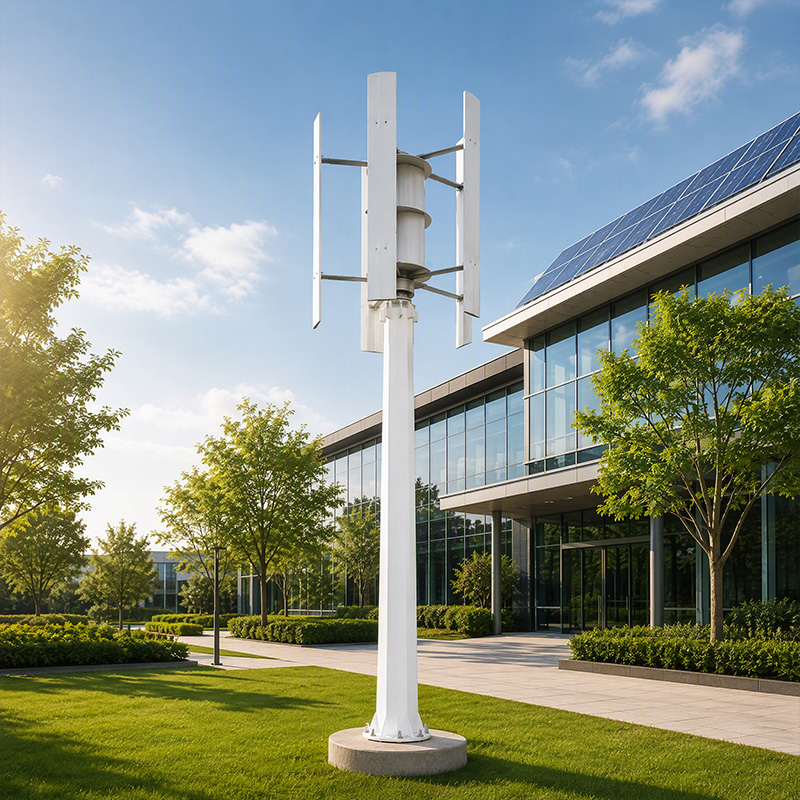
Understanding the key specifications of small windmills is vital for making an informed choice. Important factors include:
Rotor Diameter: This affects the amount of wind captured; larger diameters generally yield higher energy production. For residential use, rotor diameters can range from 1.5 to 5 meters.
Cut-In Speed: This is the minimum wind speed at which the windmill begins generating power. A lower cut-in speed is advantageous in areas with variable wind conditions.
Rated Speed: The wind speed at which the turbine produces its maximum power output. Ensure this aligns with your area's typical wind speeds.
Material: Windmill components, especially blades, should be constructed from durable materials like fiberglass or carbon fiber to withstand harsh weather conditions.
Weight: Heavier turbines may require more robust mounting structures, which could influence installation costs and complexity.
Noise Level: For residential applications, the noise generated by the windmill can be a concern. Look for models specifically designed for quiet operation.
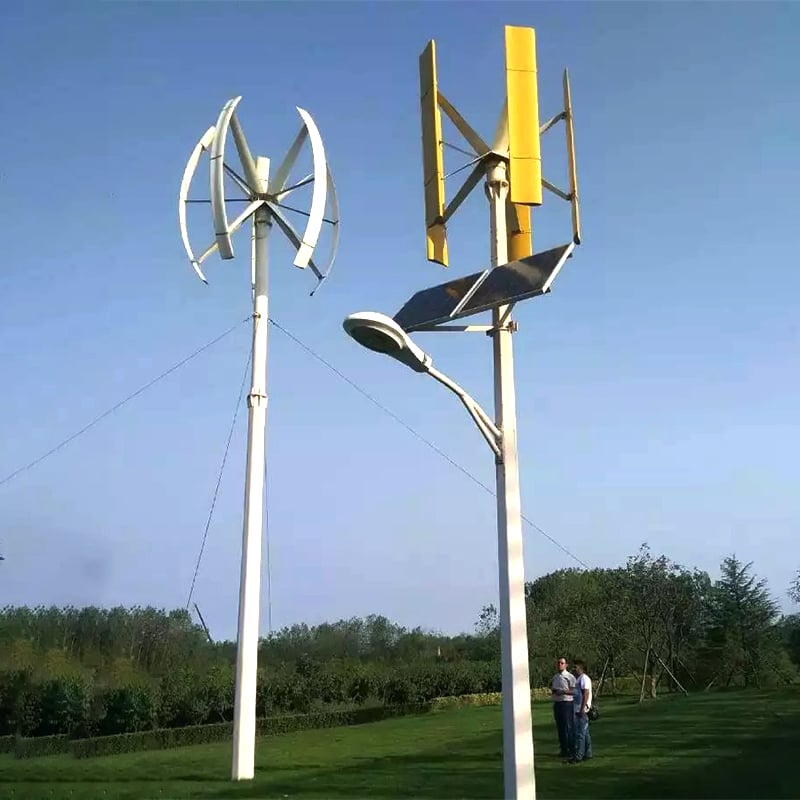
Sourcing quality small wind mills involves evaluating potential suppliers based on several criteria. Research manufacturers that have a solid reputation in the renewable energy sector, ideally with experience in wind turbine production.
Ask for product samples and detailed specifications to assess material quality and performance claims. A reputable supplier will provide documentation outlining certifications and quality control processes, ensuring their products meet industry standards.
Additionally, inquire about customization options. Many projects may require specific adaptations for the windmill to function optimally in particular environments. A manufacturer like Jiangsu DHC Environmental Si-Tech Co., Ltd. offers customized solutions that can cater to unique energy requirements.
Lastly, consider the supply chain reliability of your chosen supplier. A company with strong partnerships and a robust logistics framework is crucial for timely delivery, which can significantly impact project timelines.
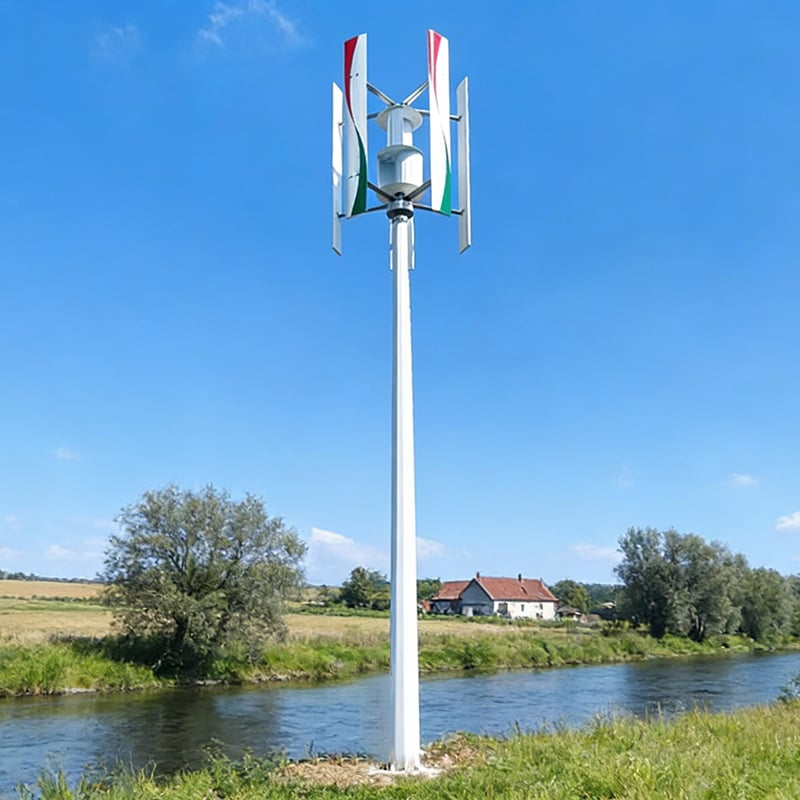
To ensure a successful installation and operation of your small windmill, follow these best practices:
Conduct a Wind Resource Assessment: Before installation, gather accurate wind data for your site over a period of time. This will help in selecting the most appropriate windmill model.
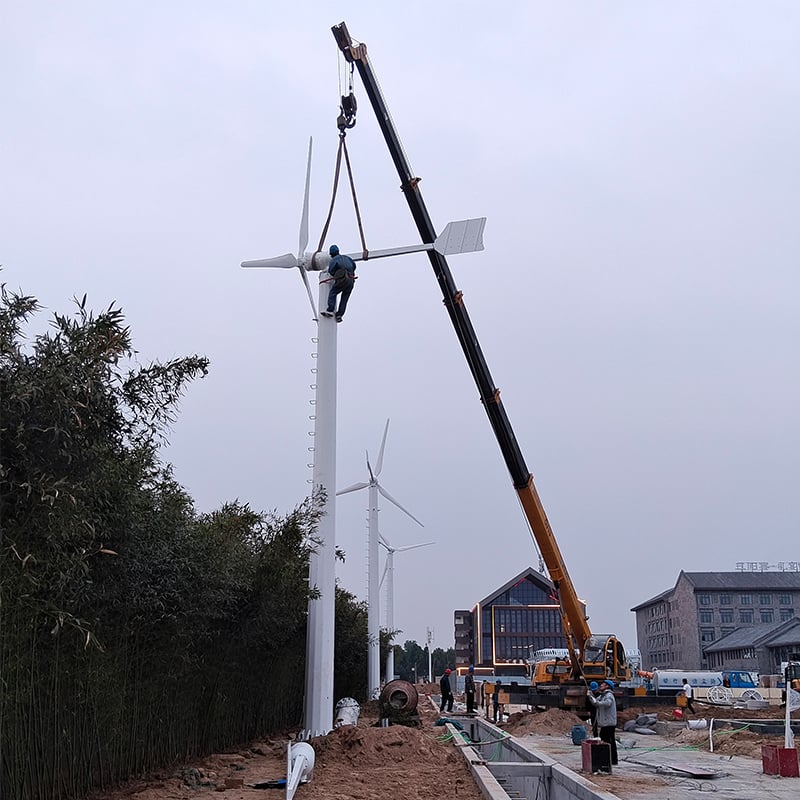
Choose the Right Mounting Structure: Ensure that the windmill is installed on a sturdy tower that meets local regulations and can withstand local weather conditions. Height is critical for capturing optimal wind, so consider elevating the unit in line with best practices.
Regular Maintenance: Schedule regular inspections and maintenance checks for the windmill to ensure its longevity and efficiency. This includes checking for wear on moving parts and ensuring electrical systems are functioning properly.
Educate Users: Provide training or information to homeowners about the windmill's operation and maintenance requirements. Understanding how to maximize its use can lead to better energy savings.
We're dedicated meeting commercial domestic electric power needs using wind/solar system. With professional supply chain management integration capabilities, can provide our customers with completely 2kw vertical wind turbine solutions. will only need know your exact needs from design, production, to after-sales support, will provide you with real-time professional assistance throughout day.
As most sought-after brand of wind solar hybrid power systems, DHC has own wind turbine factory integrating R D design, production and technical support. founders of DHC have been working on the idea green 2kw vertical axis wind turbine protection since 2009 and immersed in the world of renewable energy adhering to the company's values "diligence as well as honesty, cooperation and innovation." Our DHC brand DHC is the result of this.
We're committed keeping integrity as the foundation our company, Eolic generator customers the best power products as well as expert services. For wind turbines you can pay attention to important integrity is the foundation our company. provide genuine power products provide skilled service. You can consider parameters like blade diameter wind turbine weight when evaluating wind turbines. DHC assures that its products are able to deliver real power without overstating power.
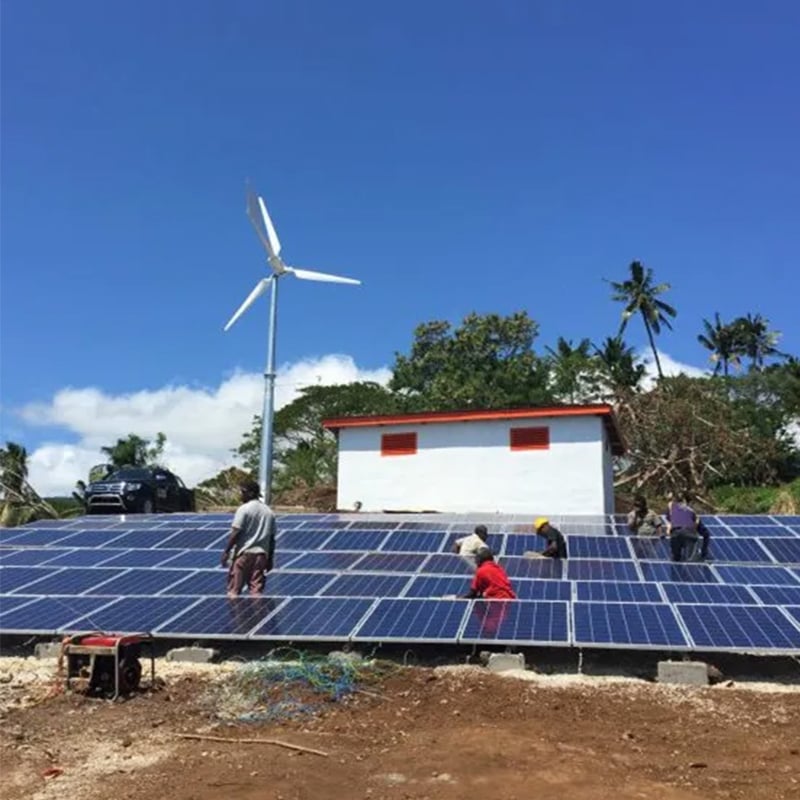
primary products wind turbines, solar panels and lifepo4 batteries. customers will receive a one-stop-shop service the integration and wind turbine generator a wind-solar hybrid as well as smart photovoltaic system. DHC provides reliable products, technologies, and after-sales service to customers with excellent delivery capability.
The cost of small windmills can vary widely based on several factors. These include the initial price of the wind turbine, installation costs, and ongoing maintenance expenses.
Initial Investment: Prices for small windmill generator typically range from $3,000 to $8,000, depending on capacity and features. Be sure to factor in additional costs for installation, which may require professional services.
Incentives and Rebates: Look into local, state, or federal incentives for renewable energy installations. These can significantly reduce the upfront cost and improve the return on investment.
Operational Costs: While wind energy can reduce electricity bills, ongoing costs such as maintenance and potential repairs should be considered. Regular maintenance checks can help avoid larger repair expenses down the line.
Energy Savings Calculations: Evaluate your current energy consumption and calculate potential savings from using a small windmill. This will help in understanding the payback period for the investment.
By considering these factors, homeowners can make informed decisions regarding their investment in small windmills. Partnering with a knowledgeable manufacturer like Jiangsu DHC Environmental Si-Tech Co., Ltd. can aid in navigating these considerations effectively, ensuring a tailored solution that meets specific energy needs.
Welcome to DHC, the top brand of wind solar hybrid power system! We provide innovative and effective new energy solutions including wind turbine, solar panel, lifepo4 battery, etc.
 EN