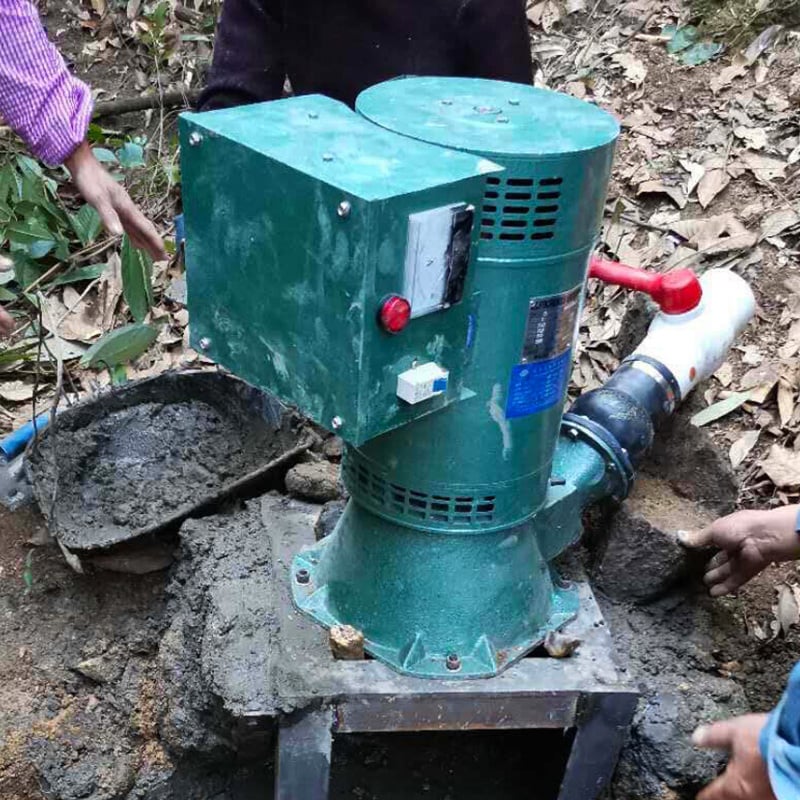
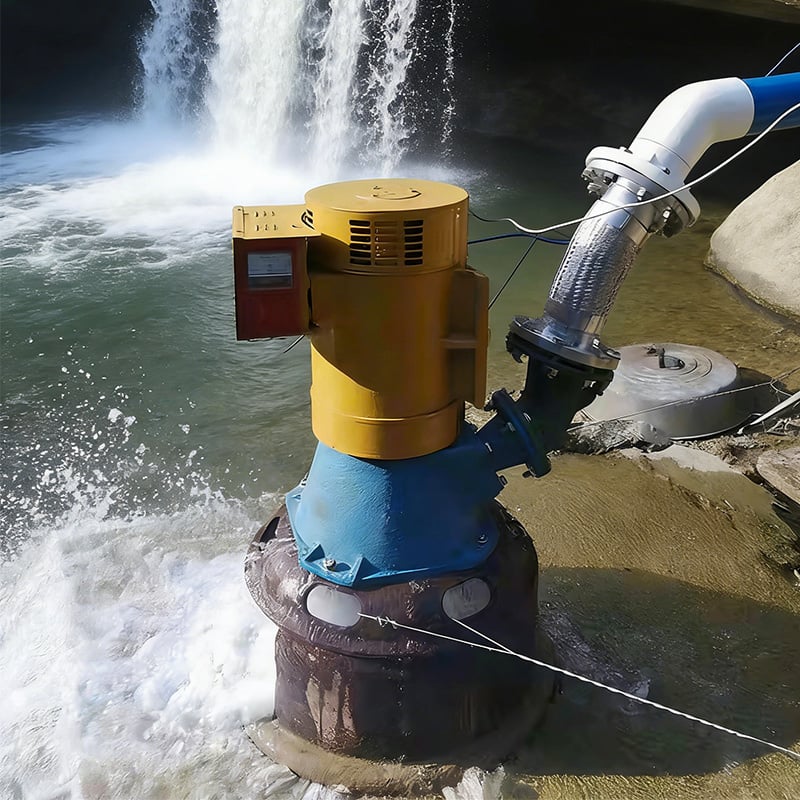
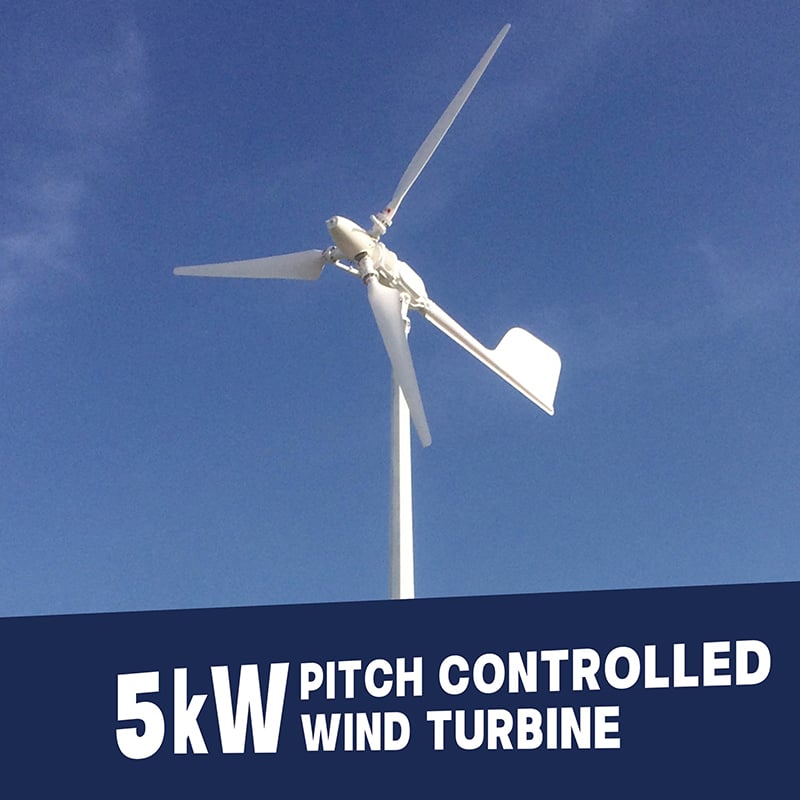
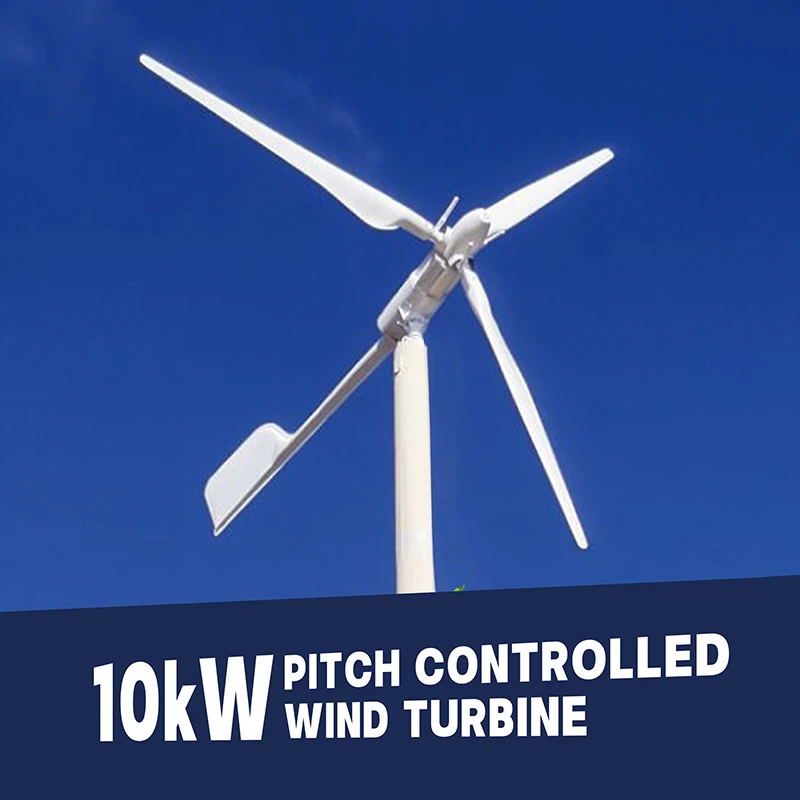
Small windmill turbines are increasingly recognized as effective solutions for harnessing renewable energy, particularly for businesses and rural applications. These compact energy systems can significantly reduce electricity costs and dependence on conventional sources. However, B2B buyers often face challenges in evaluating and selecting the right small windmill turbine for their needs, including quality assessment, cost considerations, and supplier reliability. This article will provide a comprehensive guide to assist purchasing managers, engineers, and product managers in making informed decisions regarding small windmill turbines.
When assessing the quality of small windmill turbines, buyers should focus on several critical specifications. Key factors include rotor diameter, rated power output, and efficiency ratings. The rotor diameter directly affects energy capture; larger diameters typically harness more wind energy, translating into greater power generation. Another important consideration is the quality of materials used in construction. Turbines made from high-grade materials, like corrosion-resistant metals and durable composites, tend to offer better longevity and performance. Buyers should inquire about the manufacturer’s quality control processes, including any certifications that may indicate adherence to industry standards. Additionally, it's essential to evaluate the manufacturer’s experience and reputation in the market. A company like Jiangsu DHC Environmental Si-Tech Co., Ltd., with 15 years of experience in the renewable energy sector, can offer insights into product reliability and performance. Requesting product samples or case studies can also provide practical evidence of quality.
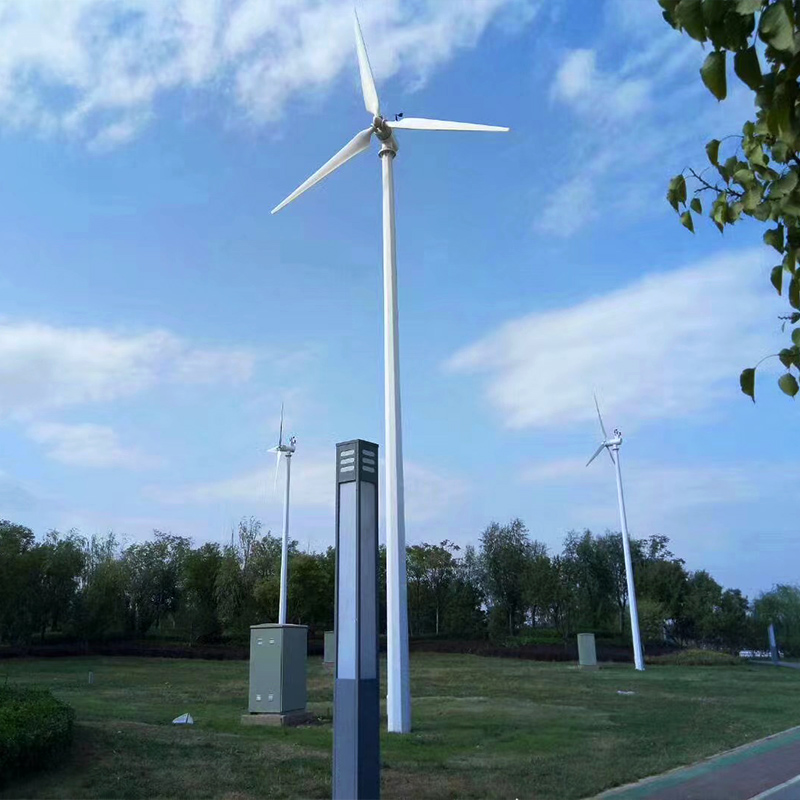
The total cost of acquiring a small windmill turbine extends beyond the initial purchase price. Several factors influence the overall investment: Installation Costs: Professional installation is often necessary to ensure optimal performance and compliance with local regulations. This includes site assessments and potential infrastructure modifications. Maintenance Expenses: Routine maintenance is crucial for longevity. Buyers should consider the anticipated costs associated with parts replacement and service checks. Customization Options: Some buyers may require specific features or adaptations for their energy needs. Custom solutions can increase upfront costs but may lead to long-term savings through improved efficiency. Financing and Incentives: Exploring financing options and available government incentives can also impact the overall cost. Many regions offer grants or tax credits for renewable energy investments, which can offset initial expenditures. Supply Chain Factors: Fluctuations in material costs and supply chain disruptions can affect pricing. Buyers should discuss these aspects with suppliers to anticipate future cost changes. Understanding these factors helps buyers prepare a more accurate budget and evaluate the total cost of ownership over time.
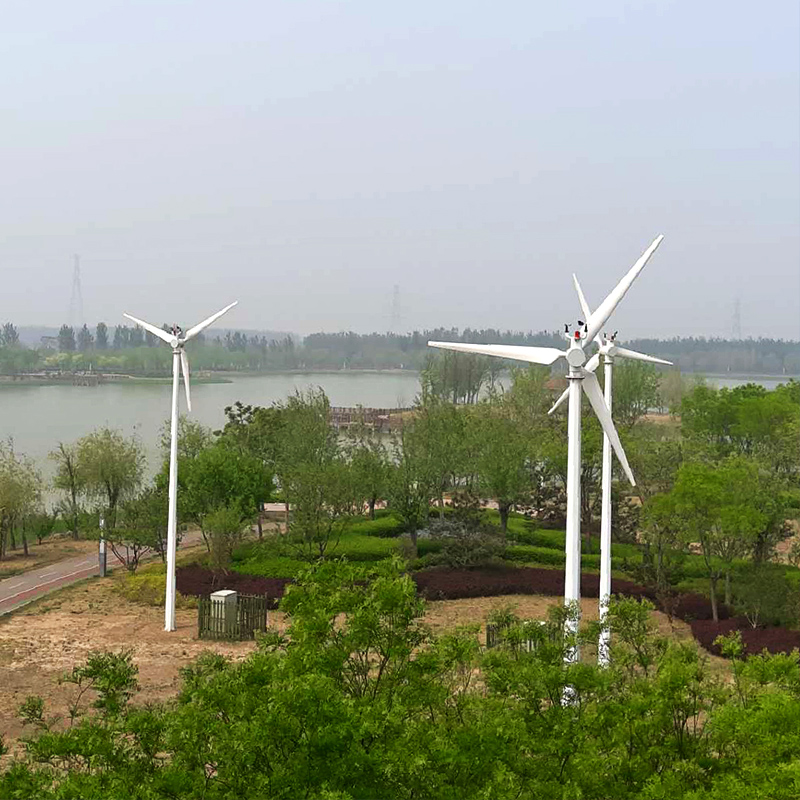
Finding a trustworthy supplier for wind turbine generator involves thorough research and evaluation. Start by leveraging industry connections, attending renewable energy trade shows, and consulting online directories specific to renewable energy manufacturers. When considering potential suppliers, look for: Reputation and Reviews: Investigate the supplier’s track record. Reviews and testimonials from previous customers can provide insights into product reliability and customer service quality. Certifications and Compliance: Ensure that suppliers adhere to relevant industry standards and regulations. This can include safety certifications, environmental compliance, and quality assurance processes. Customer Support and Service: A reliable supplier should offer comprehensive customer support, including technical assistance, warranty options, and after-sales service. Customization Capabilities: Suppliers that can tailor products to specific needs are often more valuable. Discuss your requirements and see how willing they are to adapt their offerings. By conducting due diligence, buyers can identify suppliers that not only provide high-quality products but also support long-term partnerships.
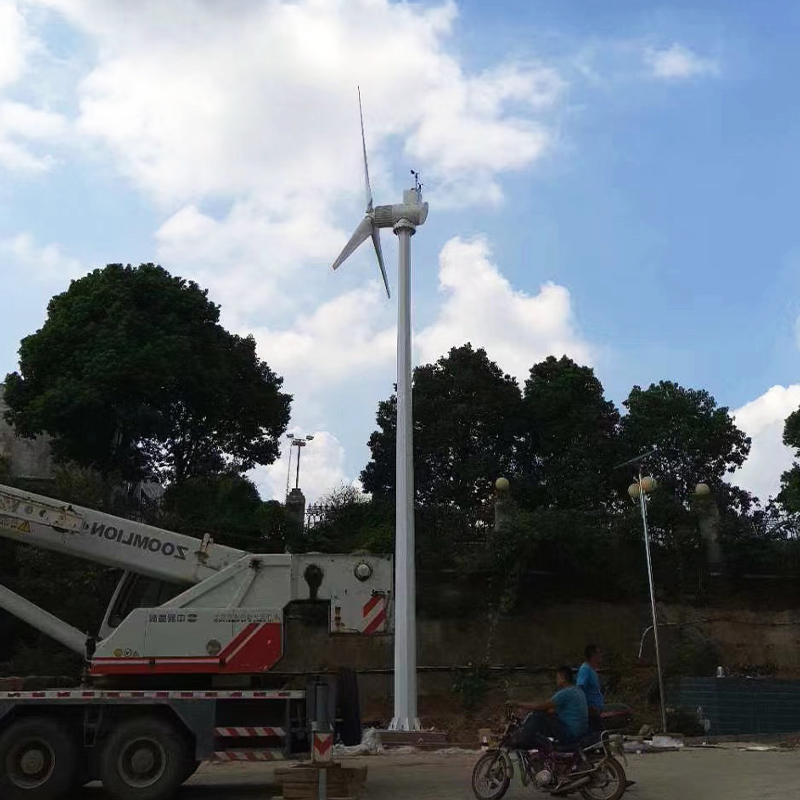
While vertical wind turbine are generally reliable, several common issues may arise during operation. Understanding these problems and their solutions can help buyers effectively manage their investments: Insufficient Power Output: If the turbine is not generating expected power, it may be due to inadequate wind conditions or improper placement. Conducting a thorough site assessment before installation can mitigate this issue. Adjusting the turbine’s location or height may also enhance performance. Mechanical Failures: Wear and tear can lead to mechanical failures, particularly in bearings and the generator. Regular maintenance checks can help identify potential problems early, allowing for timely repairs or part replacements. Noise Issues: Some turbines can produce excessive noise, which may be a concern in residential areas. Buyers should consider selecting models designed for quiet operation and consult with manufacturers about noise reduction technologies. Regulatory Compliance: Local regulations may dictate specific requirements for installation and operation. Buyers should ensure compliance by consulting with local authorities and confirming that their chosen turbine meets all necessary standards. By addressing these common issues proactively, buyers can enhance the longevity and effectiveness of their small windmill turbines.
As most sought-after brand wind solar hybrid power systems, DHC has own wind turbine factory, which combines R D design, production, technical services. Since 2009 our founders have been living the idea protecting the environment, wind turbine and generator in new energy, adhered to our corporate culture of "diligence and honesty, co-operation and the pursuit of creativity." This is also the basis of our name "DHC".
We're dedicated solving commercial residential electrical needs utilizing a solar/wind power system. With professional supply chain management and integration capabilities, are able to provide customers with completely customized solutions. We'll provide high-quality service all hours of day from Wind turbine for home 5kw to design and after-sales.
We dedicated to upholding integrity as cornerstone of our business, offering customers genuine power products expert services. In the case of wind turbines can pay attention is important to committed to keeping integrity as the cornerstone of business, offering customers the best power products as well as 15kw wind turbine for home services. Consider parameters such as blade diameter and wind turbine's weight when you evaluate wind turbines. We promise that all products manufactured by DHC have real power output without exaggerated power.
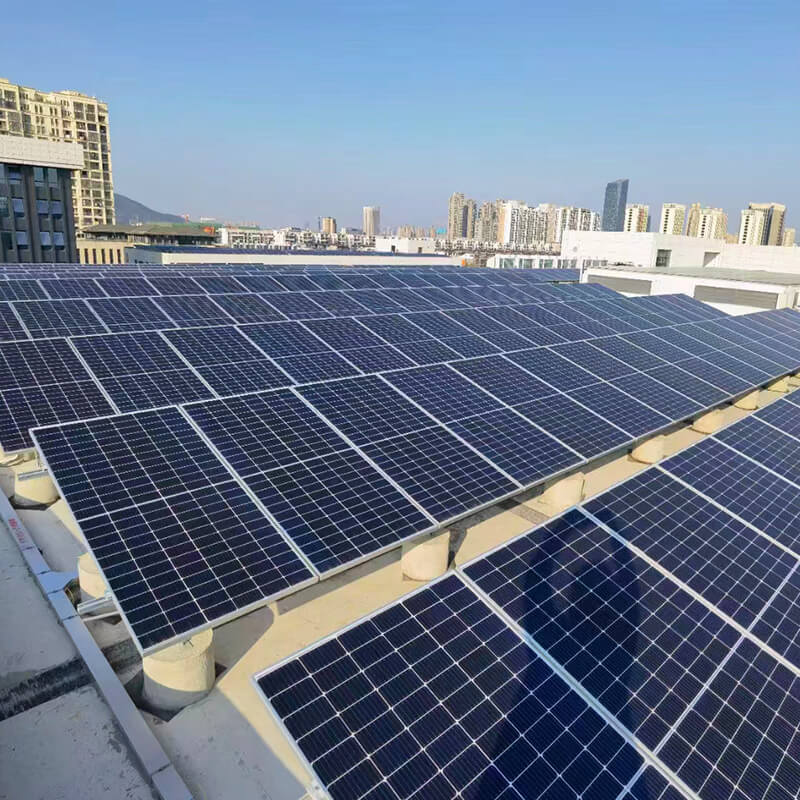
primary products wind turbines, solar panels and lifepo4 batteries. customers will receive a one-stop-shop service the integration and Wind turbine a wind-solar hybrid as well as smart photovoltaic system. DHC provides reliable products, technologies, and after-sales service to customers with excellent delivery capability.
Small windmill turbines are versatile and can be applied across a range of industries, providing tailored energy solutions. Here are a few notable applications: Agriculture: Farmers can utilize small wind turbines to power irrigation systems, heating, and cooling, which can significantly reduce operational costs. Integrating wind and solar hybrid systems offers added reliability and energy security. Remote Energy Solutions: In off-grid locations, small wind turbines can provide a consistent energy source for remote homes, research stations, or outdoor facilities. This is particularly valuable in regions with limited access to traditional power grids. Commercial Enterprises: Businesses can reduce energy expenses and enhance sustainability by using small wind turbines to supplement their power needs. This investment not only lowers operational costs but can also improve corporate image through commitment to renewable energy. Telecommunications: Wind turbines can power remote telecommunications equipment, ensuring reliable connectivity in challenging environments. This is especially beneficial in areas where traditional power sources are unreliable. Educational Institutions: Schools and universities can incorporate small wind turbines into their energy systems while also serving as educational tools for renewable energy programs. Understanding these applications allows buyers to tailor their energy solutions to their specific industry needs while maximizing the benefits of small wind turbine.
Welcome to DHC, the top brand of wind solar hybrid power system! We provide innovative and effective new energy solutions including wind turbine, solar panel, lifepo4 battery, etc.




 EN