
A wind generator motor with permanent magnet technology is a critical component for harnessing renewable energy from wind. This type of motor is designed to efficiently convert wind energy into electrical energy, making it ideal for various applications from residential setups to large-scale power stations. As a B2B buyer, your main concerns may include performance specifications, compatibility with existing systems, and overall cost-effectiveness. In this context, selecting an appropriate Wind Controller can enhance the functionality of your setup. We will delve into the essential considerations for selecting a permanent magnet wind generator motor, helping you make an informed purchasing decision.
When selecting a permanent magnet wind generator motor, it's essential to assess your specific energy requirements and application environment. The right motor must align with the intended use, whether for small-scale residential setups, agricultural applications, or larger distributed power stations. Consider the following factors:
Power Output: Determine the expected power generation based on wind conditions in your area. A motor's output should match or exceed your energy needs to ensure effective performance.
Size and Dimensions: The physical size of the motor can impact installation and compatibility with existing systems. Ensure that the dimensions align with your space and setup requirements.
Efficiency Ratings: Look for motors with high efficiency ratings to maximize energy conversion and minimize losses. Higher efficiency can lead to significant cost savings over the lifespan of the motor.
Durability and Environment: Assess the motor's materials and construction to ensure it can withstand the environmental conditions where it will be installed. Motors should be resistant to corrosion, moisture, and temperature variations. Additionally, pairing your motor with a Portable Power Station can further enhance your energy management.
By considering these factors, you can choose a motor that fulfills your energy needs while ensuring reliability and efficiency.
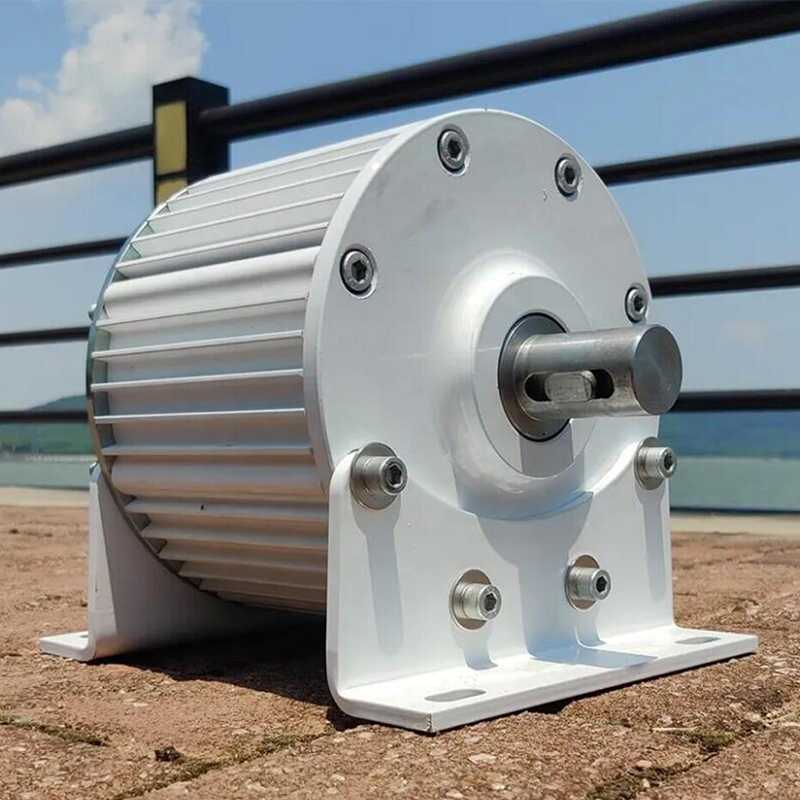
Key specifications for permanent magnet wind generator motors can greatly influence their performance and suitability for specific applications. Here are the essential specifications to evaluate:
Rated Voltage and Current: These parameters indicate the electrical characteristics of the motor. Ensure that the rated voltage aligns with your power supply to prevent compatibility issues.
Rotor Diameter: The rotor's size affects the amount of wind captured and, consequently, the energy produced. A larger rotor diameter can improve energy capture in lower wind speeds.
Cut-in Speed: This is the minimum wind speed at which the generator begins to produce electricity. A lower cut-in speed is beneficial for regions with variable wind patterns.
Overall Efficiency: Look for specifications detailing the motor's efficiency at various wind speeds. This information can help you predict performance under different environmental conditions.
Weight and Mounting Options: The weight of the motor affects installation logistics. Consider the mounting options available and ensure the motor is compatible with your infrastructure.
Understanding these specifications allows you to better assess motors and select one that meets your operational requirements.
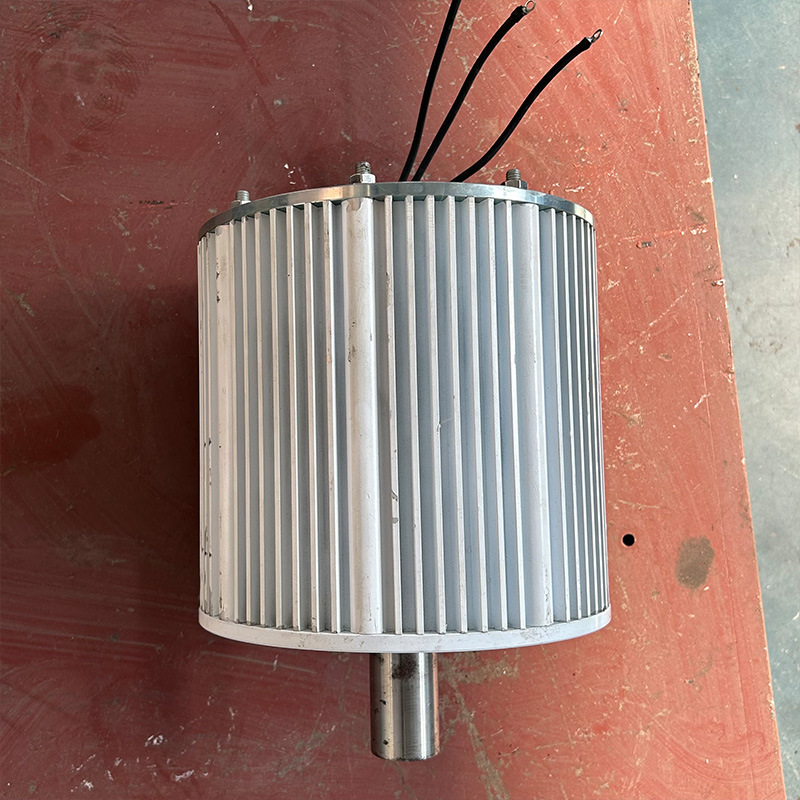
Navigating the purchasing process for a permanent magnet wind generator motor requires careful consideration. Here’s a structured approach to help you through:
Identify Your Needs: Start by clarifying the energy requirements of your application. Determine the expected load, energy storage options, and whether additional components like inverters or controllers are necessary.
Request Detailed Quotations: When contacting suppliers, provide detailed information about your needs, including power output, efficiency requirements, and environmental conditions. This will help suppliers offer tailored solutions.
Assess Supplier Capabilities: Evaluate potential suppliers based on their manufacturing capabilities, experience in the industry, and product quality assurance processes. A reliable supplier should have a robust quality management system.
Inspect Samples: Before committing to a large order, request samples to test under your specific conditions. Look for performance consistency and adherence to the agreed specifications.
Consider After-Sales Support: Ensure the supplier offers adequate support for installation and maintenance. Good after-sales service can significantly enhance the longevity and performance of your investment.
Following this guide will help streamline your purchasing process and ensure that you secure a motor that truly meets your needs.
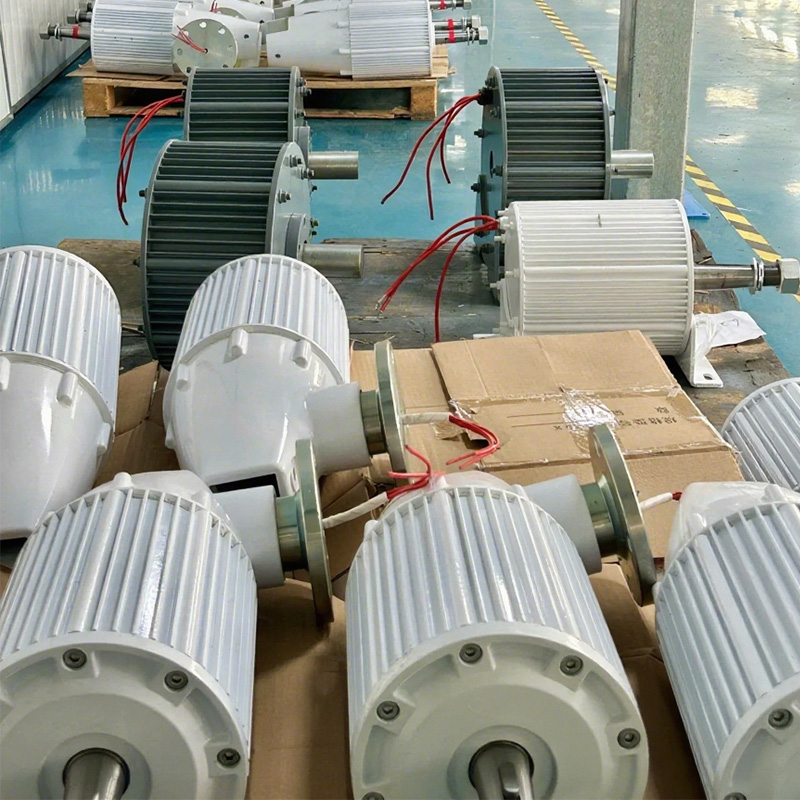
Proper installation of your permanent magnet wind generator motor is crucial for optimal performance. Here are some practical tips to guide the installation process:
Site Assessment: Conduct a thorough site assessment to determine the best location for the motor. Consider wind patterns, potential obstructions, and accessibility for maintenance.
Proper Mounting: Ensure that the motor is securely mounted according to the manufacturer’s specifications. This may include using appropriate mounting brackets and support structures.
Electrical Connections: Follow electrical safety standards when connecting the motor to the power supply. Ensure all connections are secure and properly insulated to prevent electrical faults.
Regular Maintenance Checks: Schedule regular inspections to check for wear and tear, particularly on the rotor and bearings. Regular maintenance can prevent unexpected failures and extend the motor's operational life.
Monitor Performance: After installation, continuously monitor the motor’s performance to ensure it operates as expected. Look out for any changes in output or unusual noises, which can indicate maintenance needs.
By adhering to these installation tips, you can maximize the efficiency and longevity of your wind generator motor.
main products include wind Wind turbine for home 5kw solar panels. Customers can avail an all-in-one service integration development of wind-solar hybrids as well as smart photovoltaic system. With excellent delivery ability, DHC provides reliable technologies and products, as well as after-sales service customers.
As most sought-after brand of wind solar hybrid power systems, DHC has own wind turbine factory integrating R D design, production and technical support. founders of DHC have been working on the idea green 5000w wind turbine protection since 2009 and immersed in the world of renewable energy adhering to the company's values "diligence as well as honesty, cooperation and innovation." Our DHC brand DHC is the result of this.
Integrity the cornerstone of company. offer real power solutions offer an expert service. {When it comes to wind turbines, {you can pay attention it is important to Integrity is the foundation our company. We offer real power equipment, as well as skilled service. You can consider parameters like blade diameter as well as wind you should pay attention aspects like blade's diameter as well as weight. promise that all products produced by DHC come with 2kw vertical axis wind turbine power output and not overinflated power.
Solar wind energy systems are main focus. With Wind turbine chain management expertise integration capabilities, we are able provide customers with totally customized solutions. offer professional service throughout the day starting from design, production and after-sales.
Understanding the cost factors involved in purchasing a permanent magnet wind generator motor is essential for budgeting. Here are some key elements that can influence the overall cost:
Motor Specifications: Higher specifications typically lead to higher prices. Factors such as power output, efficiency ratings, and construction materials can affect costs.
Customization Requirements: If you require specific features or modifications to suit your application, customization can increase the price. Ensure to discuss these needs with your supplier upfront.
Volume Discounts: Purchasing in bulk can often result in cost savings. If your project requires multiple units, inquire about volume pricing and potential discounts.
Shipping and Handling: Consider the logistics costs associated with shipping, including import fees if applicable. Shipping costs can vary significantly based on the motor's size and weight.
Installation Costs: Don’t overlook the potential expenses for installation. This may include hiring professionals or purchasing additional equipment required for setup.
By carefully assessing these cost factors, you can establish a realistic budget and ensure that your investment delivers the best value for your renewable energy needs.
Welcome to DHC, the top brand of wind solar hybrid power system! We provide innovative and effective new energy solutions including wind turbine, solar panel, lifepo4 battery, etc.






 EN