The 20kW wind generator is a robust solution for businesses and industries looking to harness renewable energy. With increasing global emphasis on sustainable practices, the demand for reliable wind energy systems is growing. As a purchasing manager or project engineer, you may have specific concerns regarding performance, installation, and maintenance. This article will guide you through essential considerations when selecting a 20kW wind generator, including key specifications, applications, installation guidelines, and troubleshooting common issues.
Selecting the right 20kW wind generator requires evaluating several factors that align with your specific project requirements. First, consider the typical wind speeds in your location. The generator's performance is directly influenced by wind conditions; thus, ensuring that your site has consistent and sufficient wind resources is crucial.
Next, assess your energy consumption needs. A 20kW wind generator is suitable for small to medium-sized enterprises, farms, or residential applications with moderate energy demands. Understanding your energy profile will help you determine if this capacity meets your requirements.
Additionally, consider the generator's design and technology. Look for models with high efficiency and low noise levels, as these factors can impact both performance and community acceptance. Finally, evaluate the manufacturer's reputation and after-sales support, as these can significantly affect your overall experience and satisfaction with the product.
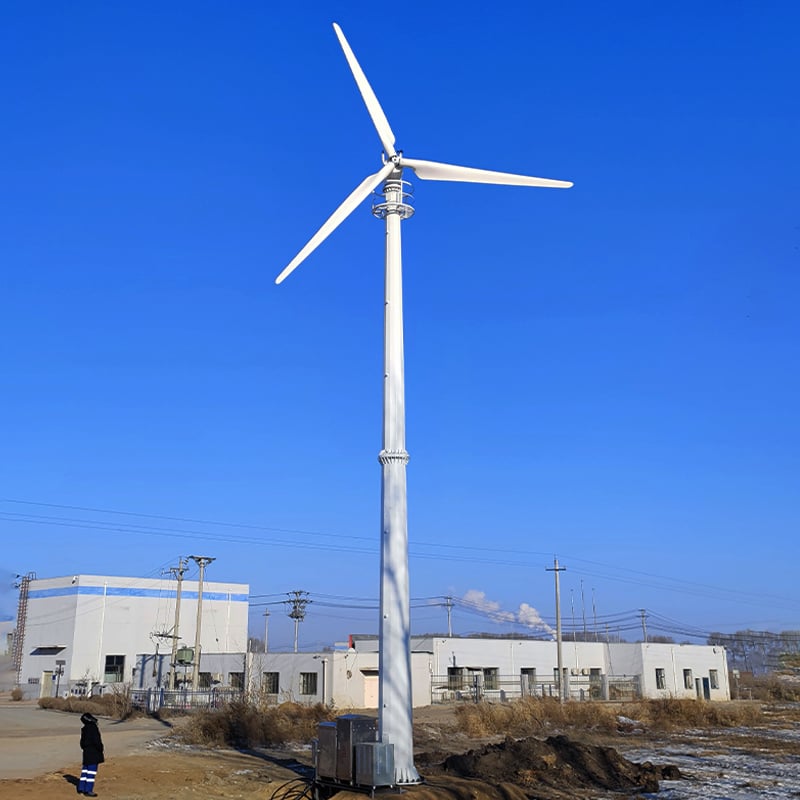
Several key specifications should be prioritized when evaluating 20kW wind generators:
Cut-in Wind Speed: This is the minimum wind speed needed for the generator to start producing energy. A lower cut-in speed means the generator can capture energy earlier, which can be beneficial in areas with variable wind conditions.
Rated Wind Speed: The wind speed at which the generator achieves its maximum output. Ensure this aligns with historical data for your installation site.
Survival Wind Speed: This specification indicates the maximum wind speed the generator can withstand without sustaining damage. It is vital for ensuring the longevity and reliability of the unit.
Rotor Diameter: The size of the rotor affects the generator's ability to capture wind energy. Larger diameters can harness more wind but may require more space and higher installation costs.
Weight and Material: The construction material impacts durability and maintenance needs. Look for corrosion-resistant materials, especially if the generator will be installed in harsh environments.
Noise Level: Noise can be a concern in residential areas or community settings. Understanding the decibel level during operation will help you address potential complaints from neighboring properties.
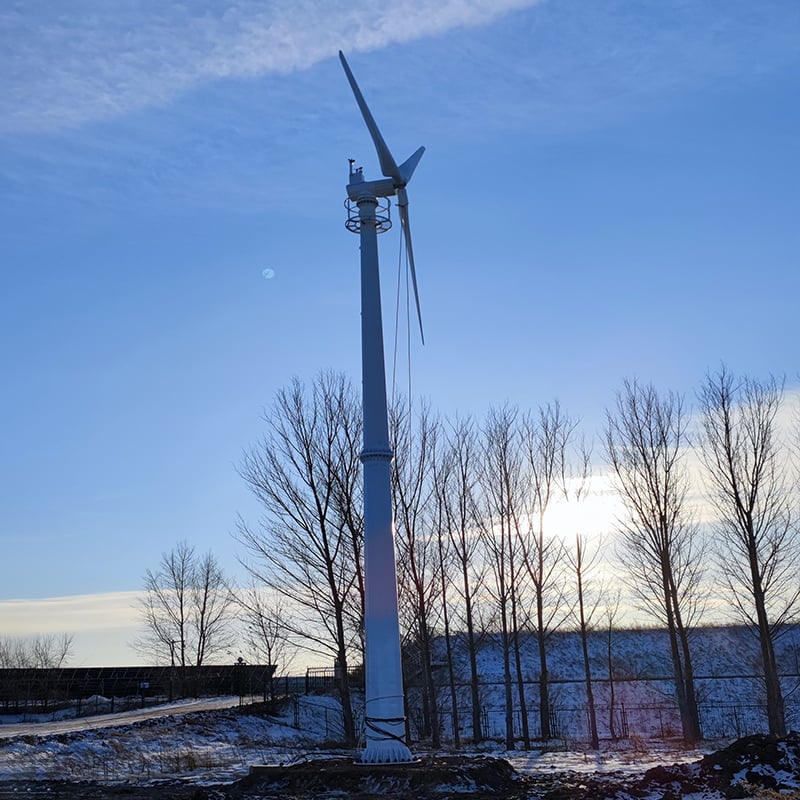
20kW wind generators are versatile and can be utilized across a range of applications:
Agriculture: Farms can significantly reduce energy costs by using wind power for irrigation systems, barn lighting, and other operations, enhancing sustainability and operational efficiency.
Commercial Buildings: Businesses can supplement their energy needs, improve energy security, and reduce reliance on grid power, which can fluctuate in availability and cost.
Remote Locations: For off-grid installations, such as research stations or remote facilities, a 20kW wind generator can provide a reliable energy source without the need for extensive infrastructure.
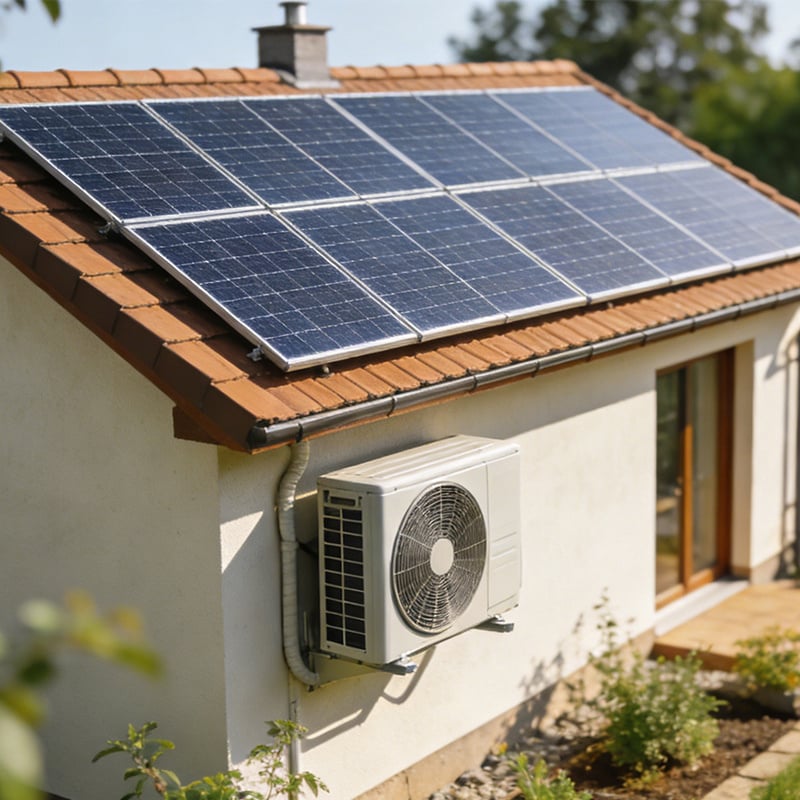
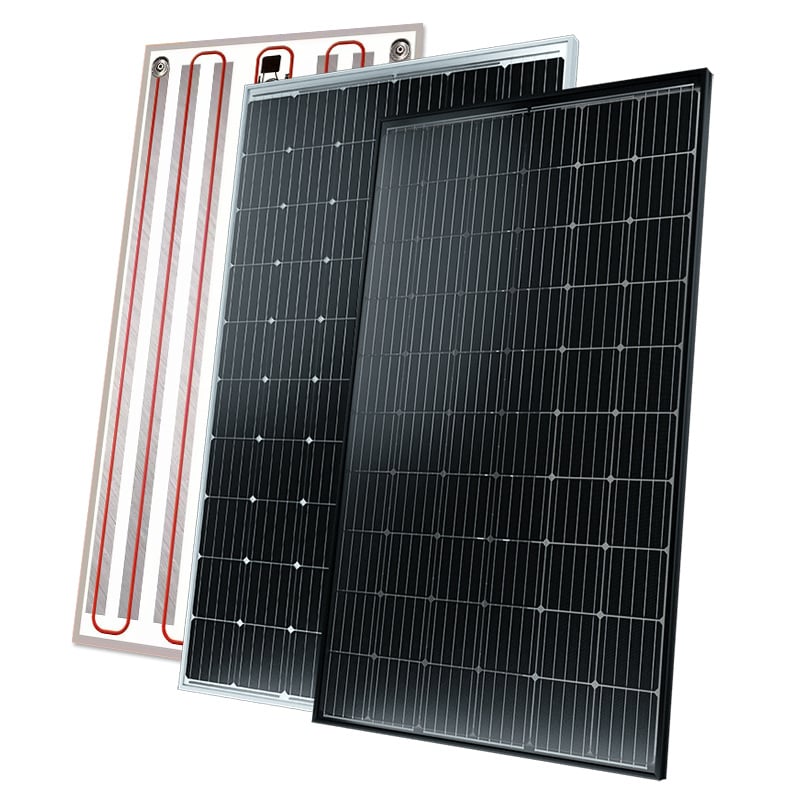
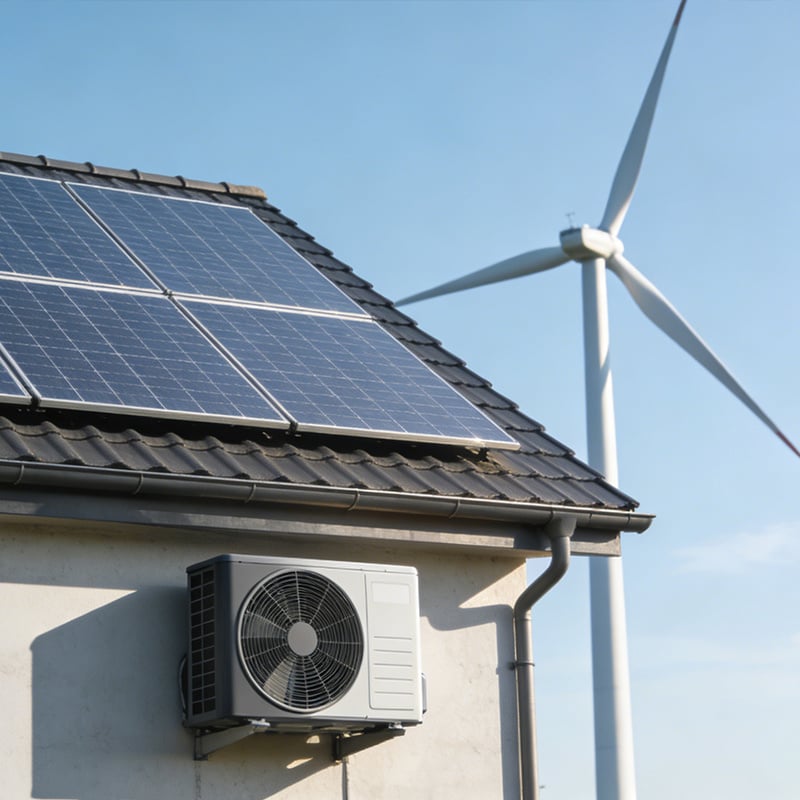
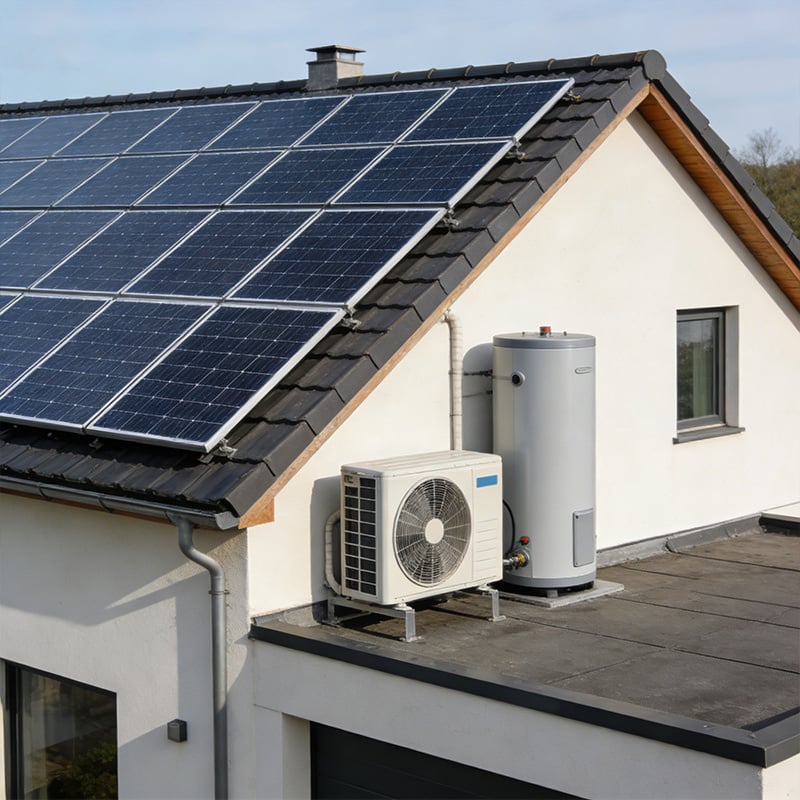
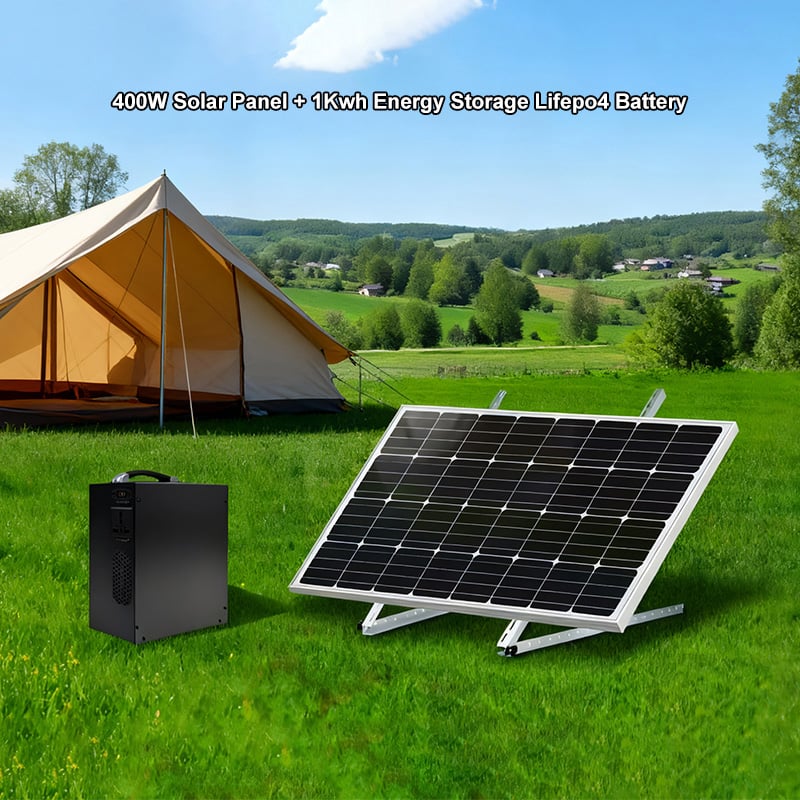
Hybrid Systems: Many industries are incorporating wind generators into hybrid systems with solar power to ensure a consistent energy supply, taking advantage of complementary energy generation.
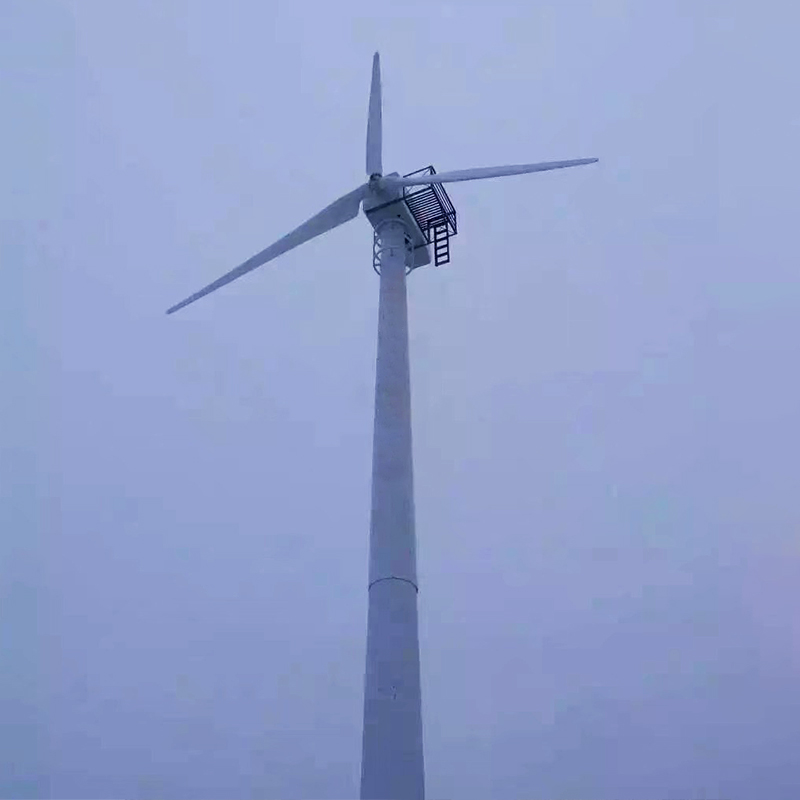
Proper installation is critical to maximizing the efficiency and lifespan of your 20kW wind generator. Here are key considerations:
Site Assessment: Conduct a thorough evaluation of the site, considering factors such as wind patterns, topography, and proximity to other structures. Avoid locations with excessive turbulence caused by buildings or trees.
Foundation Requirements: The foundation must support the generator’s weight and withstand environmental stresses. Concrete bases are common; however, the specific design should be confirmed with the manufacturer based on local conditions.
Height Considerations: Taller installations can capture more wind. Ensure the tower height meets local regulations and planning permissions.
Electrical Connections: Ensure all electrical components are installed according to local codes. Proper wiring and grounding are essential for safety and efficiency.
Regular Maintenance: Develop a maintenance schedule that includes inspections of mechanical components, electrical systems, and the structural integrity of the tower and rotor.
Our main products include wind turbines solar panels. can provide customers with all-in-one service for design and integration smart photovoltaic systems, as well as wind-solar hybrid systems. DHC is reliable supplier products, technologies after-sales 2kw vertical wind turbine customers with its excellent delivery capability.
Wind solar energy wind turbine generator our primary focus. We can provide customers with customized solutions with professional capability of managing supply chains as well as ability integrate. Tell us what want to achieve. needs, from de sign, manufacturing, through after-sales and more, will offer you real-time professional support throughout the day.
Integrity is foundation of our company. offer real power equipment, as well as skilled Wind turbine. In the case of wind turbines, {you can pay attention it is important to commitment to integrity the basis of our business. We provide genuine power equipment, as well as expert service. Consider parameters such as blade diameter as well as wind turbine weight when looking at wind turbines. DHC promises that its products are able to deliver real power without exaggerating the power.
As leading brand in wind-powered hybrid power systems DHC is the only company with own wind turbine factory integrating R D development, design, production technical services. Since 2009 our founders have embraced idea of protecting the environment, immersed in new technology, and embraced company's Vertical wind turbine that focuses on "diligence and honesty, as well as cooperation and innovation." Our DHC brand DHC is a result of this.
While 20kW wind generators are generally reliable, some common issues may arise:
Intermittent Power Generation: This may be due to variable wind conditions or mechanical issues. Regular maintenance checks can help identify and resolve these issues early.
Noise Complaints: If the generator produces excessive noise, check for loose components or worn bearings. Adjusting the rotor angle or installing noise-dampening features may also help.
Vibration Issues: Excessive vibration can indicate misalignment or imbalance in the rotor assembly. Regular inspections and adjustments can prevent long-term damage.
Electrical Failures: Issues with wiring or electrical components can lead to power loss. Regularly inspect connections and ensure proper grounding to mitigate this risk.
Damage from Weather Events: Severe weather can cause physical damage. Implementing a robust maintenance plan and regular inspections can identify potential vulnerabilities.
By understanding these common problems and their solutions, you can take proactive steps to ensure your 20kW wind generator operates smoothly and efficiently.
In summary, choosing the right 20kW wind generator involves careful consideration of specifications, applications, and installation practices. Incorporating a thorough understanding of potential issues will also position you to make informed purchasing decisions, ultimately leading to successful energy generation for your project needs.
Welcome to DHC, the top brand of wind solar hybrid power system! We provide innovative and effective new energy solutions including wind turbine, solar panel, lifepo4 battery, etc.






 EN