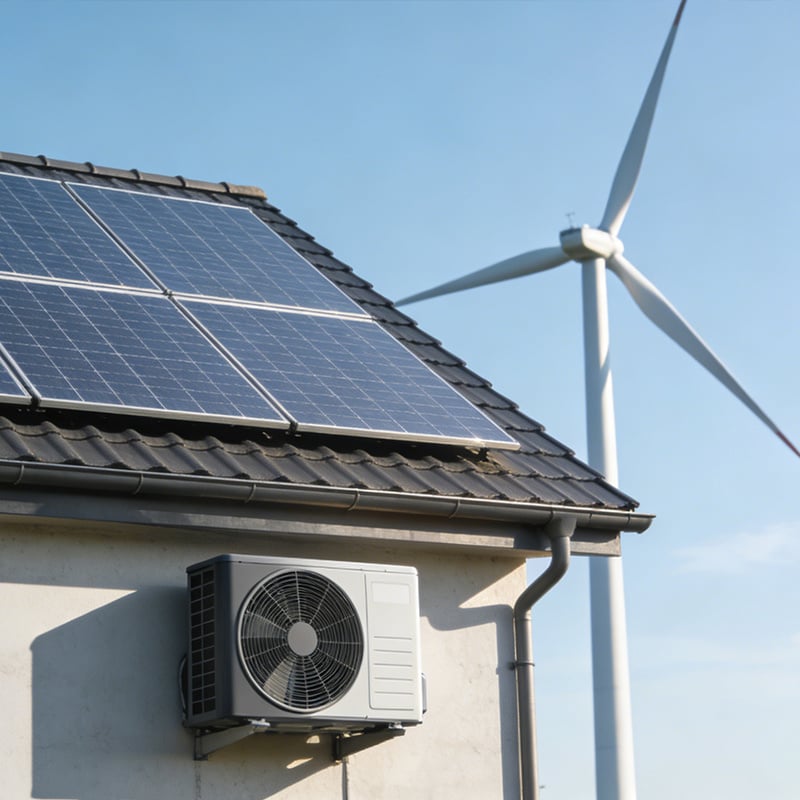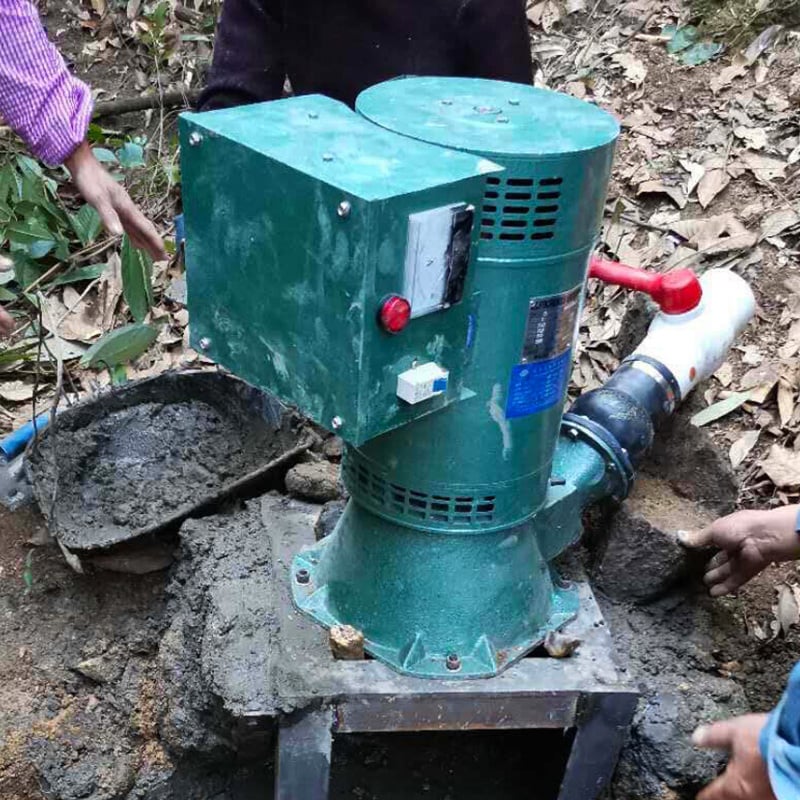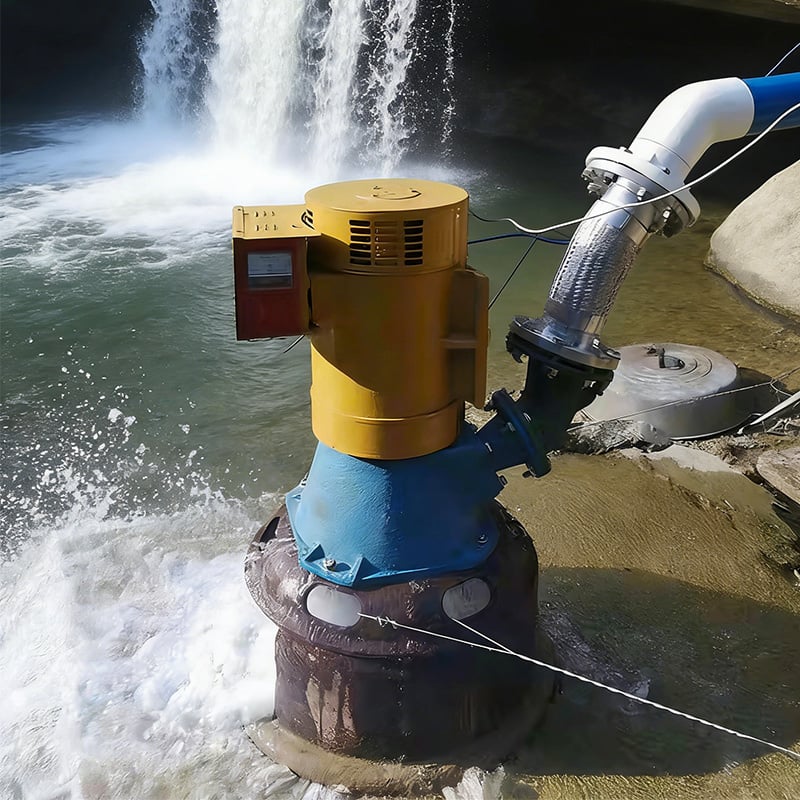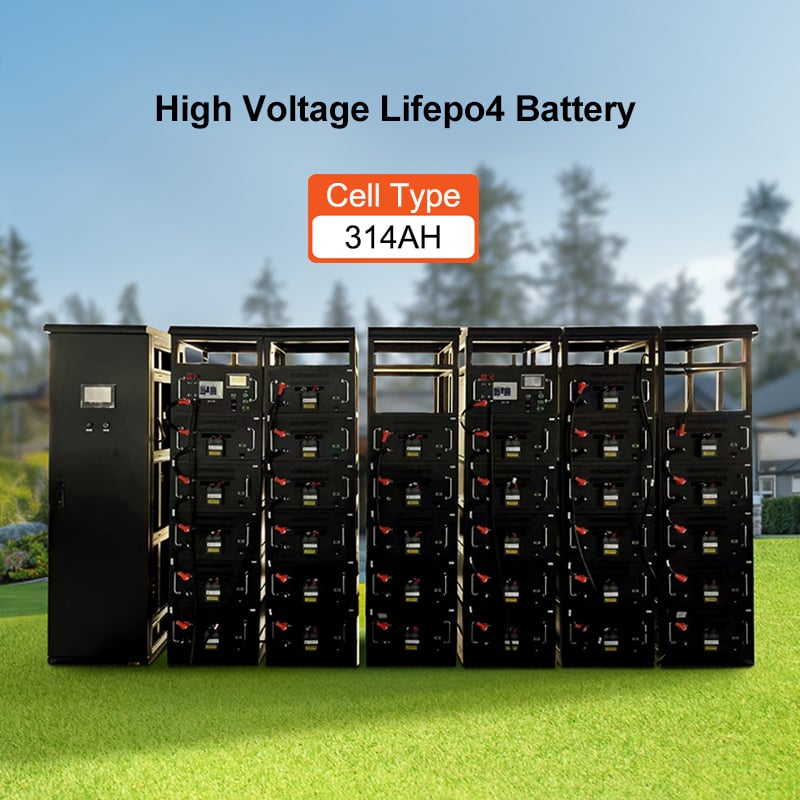
The Archimedes wind mill is an innovative solution for harnessing wind energy, especially in applications where space is limited or aesthetic considerations are paramount. Designed to function efficiently in a variety of environments, these wind mills offer a sustainable power source for homes, farms, and small power stations. As a B2B buyer, understanding the specifics of Archimedes wind mills is crucial for making informed purchasing decisions. This article will guide you through key considerations for sourcing, installing, and maintaining these systems effectively.
Selecting the right Archimedes wind mill begins with understanding your specific energy needs and the environmental conditions where the mill will be installed. Key factors to consider include:
Energy Output Requirements: Assess the amount of energy you need. This will help determine the size and capacity of the wind mill. Site Assessment: Evaluate the wind profile of your installation site. Areas with consistent wind speeds are ideal, as they maximize energy generation. Space Constraints: Consider the physical space available. Archimedes wind mills are often chosen for their compact design, making them suitable for urban or restricted locations. Regulatory Compliance: Understand any local regulations regarding wind energy systems. Some areas may have restrictions on height or noise levels.
By carefully evaluating these factors, you can select a wind mill that meets your energy needs while fitting within your project parameters.
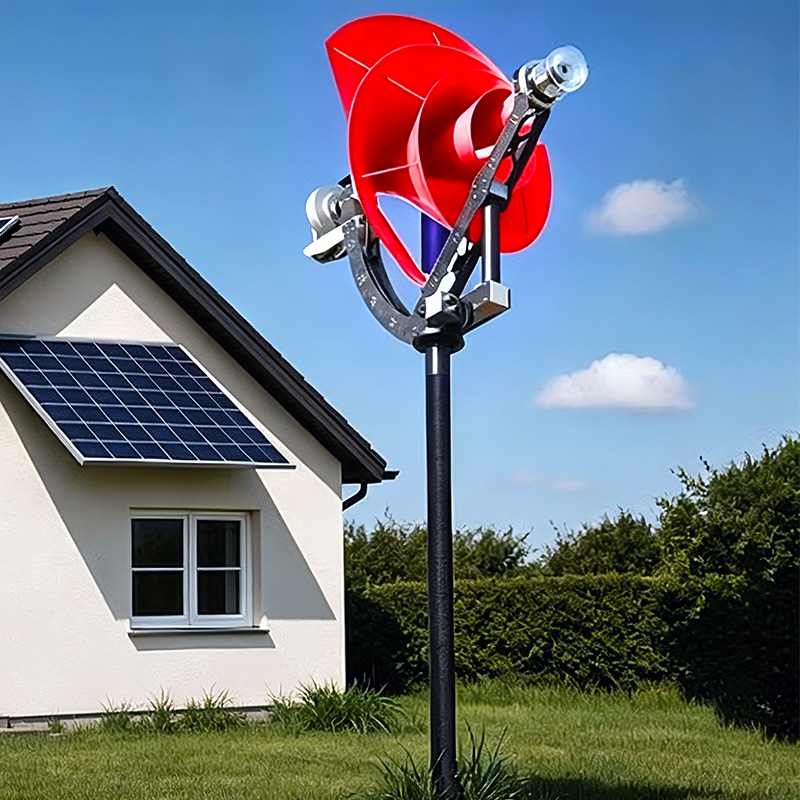
When sourcing Archimedes wind mills, several specifications are critical to ensure optimal performance and longevity:
Rotor Diameter: This influences the amount of wind captured. A larger diameter typically leads to greater energy output, but it must be balanced with space and installation requirements. Material Composition: The durability of the wind mill depends on the materials used. Look for high-quality, corrosion-resistant materials that can withstand environmental stresses. Cut-in Speed: This is the minimum wind speed at which the wind mill begins to generate power. A lower cut-in speed can be advantageous in areas with variable wind conditions. Rated Power: This indicates the maximum power output under optimal wind conditions. Ensure it aligns with your energy requirements. Weight and Structural Integrity: Consider the weight of the mill, as this will affect installation and the structural support required.
Understanding these specifications will help you assess the suitability of a wind mill for your specific application.
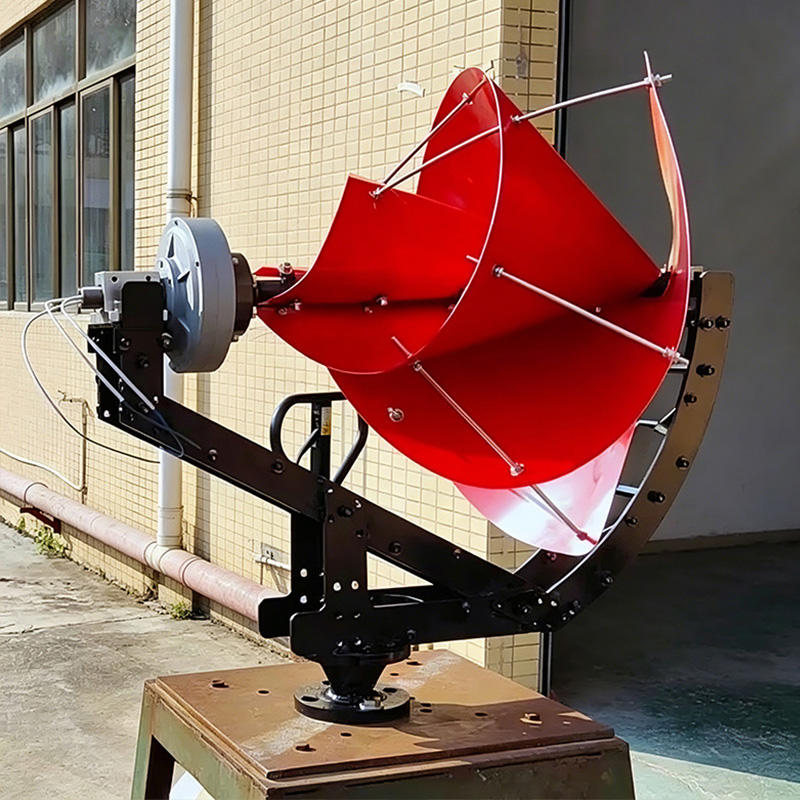
Proper installation is crucial to the performance of Archimedes wind mills. Here are key considerations:
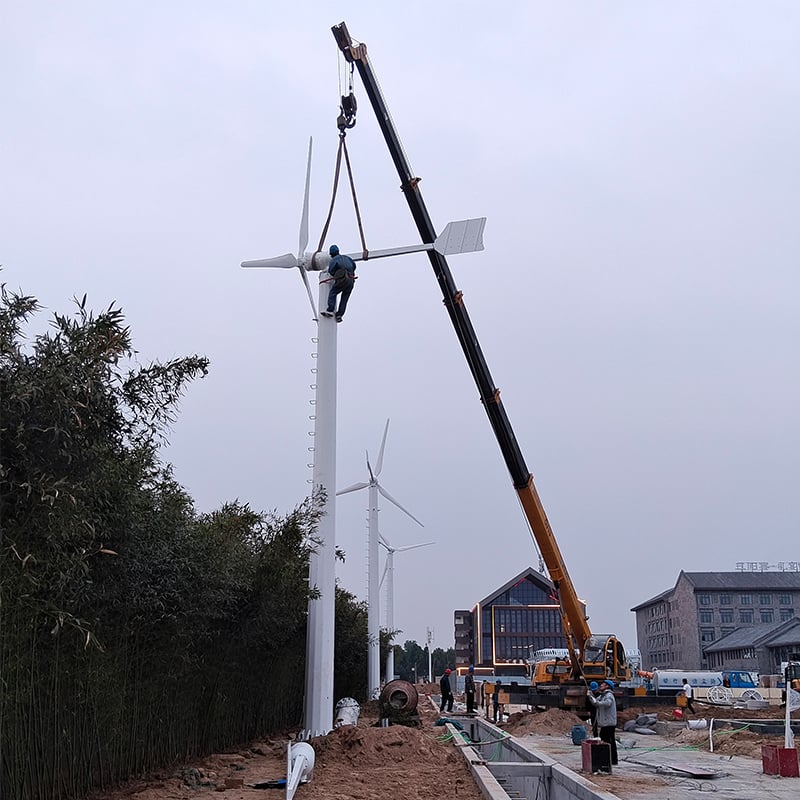
Foundation Requirements: Ensure a solid foundation that can support the weight and withstand environmental forces. This often involves concrete bases or specialized mounting systems. Orientation and Placement: Install the wind mill in a location that maximizes wind exposure. Avoid placing it near tall structures or trees that could obstruct wind flow. Electrical Connections: Ensure that the electrical systems are properly integrated with any existing power infrastructure. This may require consultation with a licensed electrician. Maintenance Accessibility: Position the wind mill so that it is easily accessible for routine maintenance and inspections.
Adhering to these installation guidelines can enhance the efficiency and lifespan of your Archimedes wind mill.
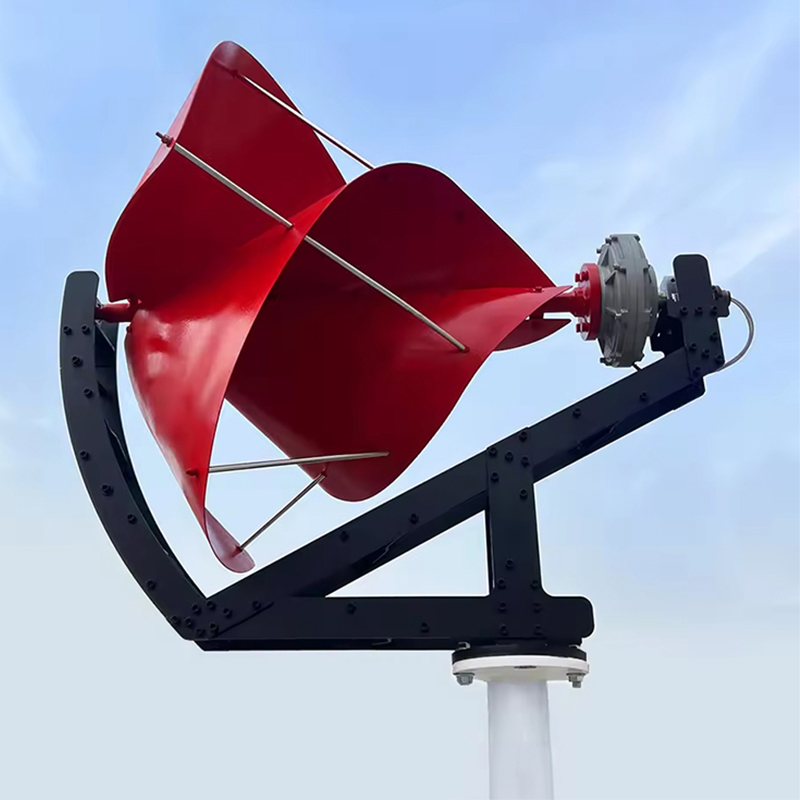
While Archimedes wind mills are designed for durability, issues can arise. Here are some common problems and their solutions:
Mechanical Failures: Bearings can wear out over time, leading to reduced efficiency. Regular maintenance and lubrication can prevent this issue. Electrical Issues: Faulty wiring can disrupt power generation. Ensure all electrical components are installed correctly and regularly inspected. Noise Complaints: In urban settings, noise from the wind mill might become a concern. Selecting a model designed for quiet operation can mitigate this issue. Weather Damage: Severe weather can impact performance. Consider models with enhanced weatherproofing to protect against rain, snow, and extreme temperatures.
By proactively addressing these potential problems, you can maintain the performance and reliability of your wind mill.
As most sought-after brand of wind solar hybrid power systems, DHC has own wind turbine factory integrating R D design, production and technical support. founders of DHC have been working on the idea green 5000w wind turbine protection since 2009 and immersed in the world of renewable energy adhering to the company's values "diligence as well as honesty, cooperation and innovation." Our DHC brand DHC is the result of this.
main products wind turbines and solar panels. customers can receive a single-source service integration and development wind-solar hybrids as well as intelligent photovoltaic systems. DHC provides reliable wind turbine and generator, technologies and after-sales support customers through exceptional delivery capability.
commitment integrity is the basis of our company. We offer real power solutions and offer expert service. Regarding wind turbines can pay attention to is important to We're committed keeping integrity as the primary goal of our 2kw vertical wind turbine, and we offer customers the best power products as well as competent services. When it comes to wind turbines, be sure to consider parameters such as blade diameter and weight. guarantee that all products made by DHC feature actual power output not overinflated power.
Wind solar energy wind turbine generator our primary focus. We can provide customers with customized solutions with professional capability of managing supply chains as well as ability integrate. Tell us what want to achieve. needs, from de sign, manufacturing, through after-sales and more, will offer you real-time professional support throughout the day.
When evaluating Archimedes wind mills, several features and cost factors come into play:
Advanced Technology: Look for models that incorporate the latest technology, such as variable pitch blades, which can optimize energy capture under varying wind conditions. Customization Options: Some manufacturers offer customization to fit specific project requirements, which can affect pricing and lead time. Warranty and Support: Consider the warranty and customer support provided by the manufacturer. A robust warranty can safeguard your investment and ensure long-term support. Total Cost of Ownership: Beyond the initial purchase price, consider maintenance costs, installation expenses, and potential savings from energy generation over time.
Understanding these features and cost factors will help you make a more informed purchasing decision, ensuring that you select a wind mill that meets both your operational needs and budget constraints.
Welcome to DHC, the top brand of wind solar hybrid power system! We provide innovative and effective new energy solutions including wind turbine, solar panel, lifepo4 battery, etc.
 EN