Understanding marine wind turbines is essential for businesses looking to harness renewable energy efficiently. These turbines are specifically designed to withstand harsh marine environments while providing reliable power output. For purchasing managers and engineers, key concerns include durability, efficiency, and cost-effectiveness. This article will guide you through selecting the right marine wind turbine for your project, understanding key specifications, navigating the wholesale purchasing process, evaluating cost factors, and recognizing the advantages of materials used in turbine design.
Selecting the appropriate marine wind turbine involves several critical considerations. Start by evaluating the specific energy needs of your application, which could range from powering remote offshore installations to providing energy for coastal communities.
Consider the turbine's rated capacity, which indicates the maximum power output under optimal wind conditions. Additionally, assess the cut-in wind speed, which is the minimum wind speed required for the turbine to start generating electricity. A turbine with a low cut-in speed is advantageous in areas with variable wind patterns, as it can begin generating power sooner.
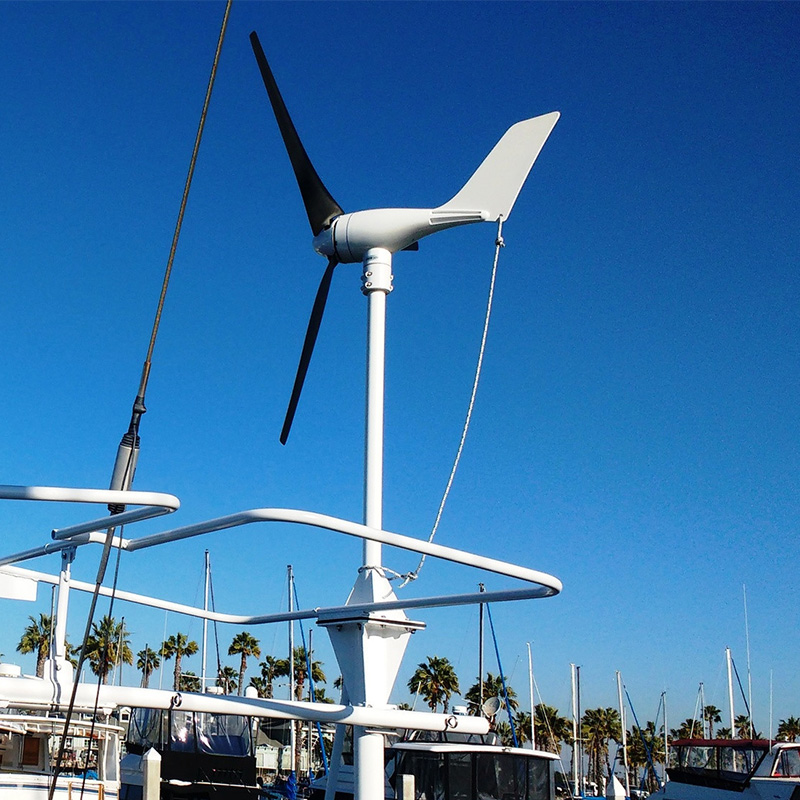
Another vital factor is the turbine's design and material durability. Marine environments are corrosive, so turbines should be constructed from materials that resist saltwater corrosion, such as marine-grade stainless steel or specially coated components. If customization is needed, inquire about the manufacturer's ability to adapt designs to meet specific site conditions or operational requirements.
When sourcing marine wind turbines, several key specifications should guide your decision-making:
Rotor Diameter: This affects the amount of wind the turbine can capture. Larger diameters typically yield higher energy output but may require more robust mounting structures.
Height: The height of the turbine tower influences wind exposure and energy generation. Taller towers can access stronger winds, which is particularly important in marine settings.
Power Curve: Examine the power curve provided by the manufacturer, detailing how much energy the turbine can produce at various wind speeds. This will help you estimate potential energy yield.
Survivability Rating: Ensure that the turbine has been tested for survival in extreme conditions, including high winds and storms typical in marine environments.
Certifications: Look for turbines that have third-party certifications for quality and performance, which can assure reliability.
Each of these specifications directly impacts the turbine's performance and longevity, making them essential considerations for any procurement process.
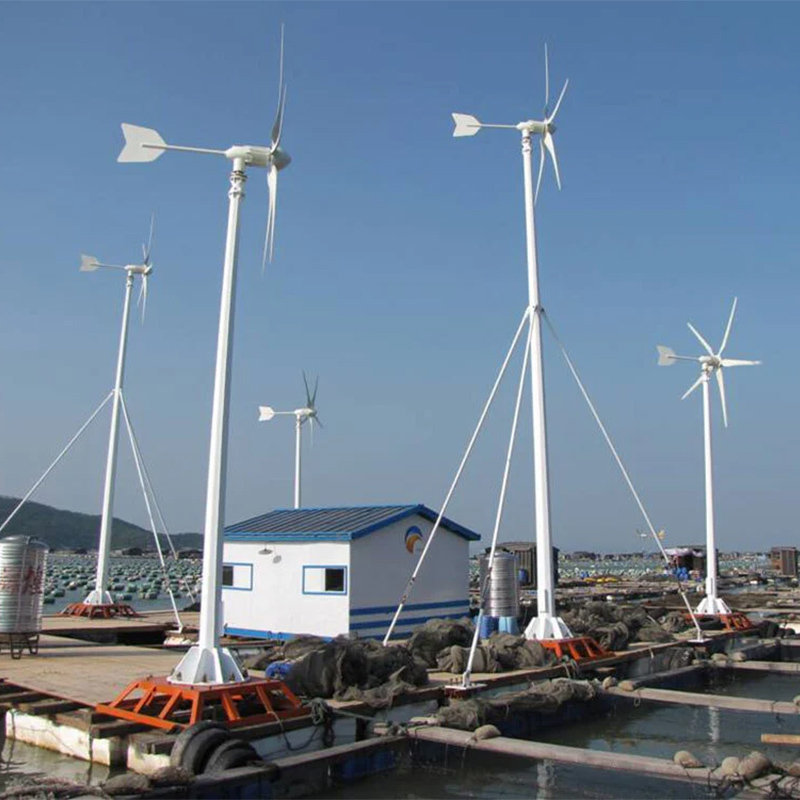
When entering the wholesale market for marine wind turbines, it's crucial to establish a clear understanding of your purchasing needs. Start by gathering detailed information about the projects for which the turbines will be used, including energy requirements, installation locations, and potential environmental challenges.
Request quotes from multiple suppliers, ensuring you provide them with the same specifications to facilitate fair comparisons. In addition to the turbines, consider the procurement of essential accessories such as mounting hardware, control systems, and maintenance tools.
It's also wise to inquire about minimum order quantities (MOQs) and bulk purchasing discounts, as these can significantly affect your overall cost structure. Establish relationships with suppliers that demonstrate reliable delivery schedules and strong quality control processes, as these factors can influence your project's timeline and success.
Several cost factors come into play when procuring marine wind turbines:
Initial Purchase Price: This includes the cost of the turbine itself, as well as any necessary accessories. Comparing prices from different suppliers can help you find the best deal without sacrificing quality.
Installation Costs: Consider the expenses related to transporting the turbines to the installation site and the costs associated with installation labor. Marine installations may require specialized equipment or expertise, which can increase overall costs.
Maintenance and Operations: Evaluate the expected lifespan of the turbine and any maintenance requirements. Some turbines may offer lower maintenance costs due to their design or materials, which can lead to overall savings.
Insurance and Permitting: Factor in costs related to obtaining necessary permits and insurance, which are often required for marine installations. These can vary significantly based on location and project scope.
Energy Output and ROI: Analyze the expected energy generation and return on investment (ROI). A higher initial cost may be justified by lower operational costs and higher energy output in the long run.
Understanding these cost factors can help you budget effectively and make informed purchasing decisions.
primary products wind turbines, solar panels and lifepo4 batteries. customers will receive a one-stop-shop service the integration and Vertical wind turbine a wind-solar hybrid as well as smart photovoltaic system. DHC provides reliable products, technologies, and after-sales service to customers with excellent delivery capability.
Our commitment integrity the foundation of our business. We provide genuine power products and provide skilled service. Regarding wind turbines can pay attention is important to committed to preserving integrity as the primary goal of our enterprise, and we offer customers real power products and professional services. It is possible to consider factors such as blade diameter as well as wind turbine weight when Wind turbine for home 5kw wind turbines. We ensure that all products made by DHC are based on actual power output and not overinflated power.
DHC is market leader the hybrid wind solar power systems. It has its own factory that incorporates R D and production, design, and technical services. Since 2009 our founders have embraced the concept of environmental protection by Eolic generator new technology embraced the corporate culture of "diligence integrity, collaboration and creativity." This is also the source of our name "DHC".
We're dedicated solving commercial residential electrical needs utilizing a solar/wind power system. With professional supply chain management and integration capabilities, are able to provide customers with completely customized solutions. We'll provide high-quality service all hours of day from Wind turbine for home 5kw to design and after-sales.
The materials used in marine wind turbine design are crucial for ensuring durability and performance in harsh conditions.
Corrosion Resistance: Marine environments present unique challenges, including saltwater corrosion. Turbines constructed from marine-grade stainless steel, aluminum, or specially treated composites can significantly extend the lifespan of the equipment.
Weight Considerations: The weight of the materials affects installation and performance. Lighter materials can reduce installation costs but must still meet strength requirements to withstand environmental stress.
Fatigue Resistance: Continuous exposure to wind and sea conditions can lead to fatigue in turbine components. Materials that exhibit high fatigue resistance, such as advanced composites, are preferable for ensuring long-term reliability.
Thermal Expansion: Consideration for thermal expansion is also essential; materials should be selected based on their performance in varying temperatures, especially in marine environments where temperature fluctuations can be significant.
Sustainability: With a growing emphasis on sustainability, consider materials that not only meet performance needs but are also sourced responsibly and can be recycled at the end of their lifecycle.
Choosing the right materials will enhance the efficiency and longevity of marine wind turbines, ultimately contributing to a more reliable energy solution.
Welcome to DHC, the top brand of wind solar hybrid power system! We provide innovative and effective new energy solutions including wind turbine, solar panel, lifepo4 battery, etc.






 EN