Choosing the right marine windmill generator for your project is critical to ensuring efficient energy production and sustainability. As a key component of renewable energy systems, marine windmill generators offer unique advantages, particularly in offshore or coastal applications. This article aims to address common B2B buyer concerns, such as product specifications, pricing factors, common issues, material advantages, and bulk order considerations, providing valuable insights to help make informed purchasing decisions.
Selecting the appropriate marine windmill generator involves understanding your project's specific requirements, including location, energy demands, and environmental conditions. Key specifications to consider include:
Power Output: Assess the generator's rated power output, which should align with your energy needs. wind turbine with generator typically ranges from a few hundred watts for small applications to several megawatts for larger installations.
Rotor Diameter: The rotor size affects energy capture efficiency. Larger rotors can harness more wind energy but require more space and higher installation costs.
Cut-in and Cut-out Wind Speeds: Understanding these parameters ensures that the generator operates efficiently within the wind conditions of your project site. The cut-in speed is the minimum wind speed needed for the generator to start producing electricity, while the cut-out speed is when the generator shuts down to prevent damage from high winds.
Durability and Maintenance: Marine environments pose unique challenges, including saltwater corrosion and high winds. Look for generators with robust materials and designs that require minimal maintenance, ensuring long-term reliability.
Evaluating these specifications against your project goals will aid in selecting the most suitable marine windmill generator.
The cost of marine windmill generators can vary significantly based on several factors:
Size and Capacity: Larger generators with higher power outputs will typically incur higher costs, both in terms of initial investment and installation.
Technology and Features: Advanced features such as smart grid connectivity, monitoring systems, and variable pitch blades can raise prices but may improve efficiency and reduce operational costs over time.
Material and Construction: The choice of vertical eolic turbine, including corrosion-resistant coatings and high-strength composites, can influence initial costs and long-term durability.
Installation and Logistics: Depending on the installation site, additional logistics and equipment may be necessary, which can add to overall costs. For offshore installations, specialized vessels and equipment may be needed, increasing expenditure.
Regulatory Compliance: Ensuring that your marine windmill generator meets local regulatory requirements can also impact costs. This may involve additional testing or certification processes.
Understanding these cost factors will help you budget effectively and negotiate better with suppliers.
While marine windmill generators are designed for efficiency and durability, they can encounter several common issues:
Corrosion: The marine environment can accelerate corrosion, affecting generator performance. Investing in generators with anti-corrosion coatings and materials can mitigate this risk.
Mechanical Failures: Gearbox and bearing failures are common, especially in high-wind situations. Regular maintenance and inspections can help identify potential issues before they escalate.
Noise Levels: Some marine windmill generators can produce excessive noise, which may be a concern in populated coastal areas. Selecting models designed for quiet operation can alleviate this issue.
Electrical Issues: Power fluctuations or failures can occur due to improper installation or environmental factors. Ensuring proper installation and using high-quality electrical components can help prevent these problems.
Addressing these issues proactively through careful selection, regular maintenance, and quality inspections can enhance the longevity and performance of your marine windmill generator.
The materials used in marine windmill generators significantly impact their performance and longevity. Key material considerations include:
Corrosion Resistance: Materials such as stainless steel and specialized coatings are essential for protecting components from saltwater damage. Ensuring that the generator's structural components are made from corrosion-resistant materials will extend its service life.
Weight Considerations: The weight of the generator affects installation logistics and structural integrity. Lighter materials, such as advanced composites, can reduce installation costs and increase the ease of handling.
Wind Resistance: The small eolic generator strength must withstand high winds and turbulent conditions. High-strength fiberglass and carbon fiber can offer both strength and flexibility, preventing structural failures.
Thermal Stability: Components should maintain performance across a range of temperatures. Materials with good thermal stability ensure that the generator operates efficiently in varying weather conditions.
Understanding these material advantages will assist in selecting a generator that meets your project’s operational demands while ensuring long-term reliability.
Integrity is foundation of our company. offer real power equipment, as well as skilled wind turbine and generator. In the case of wind turbines, {you can pay attention it is important to commitment to integrity the basis of our business. We provide genuine power equipment, as well as expert service. Consider parameters such as blade diameter as well as wind turbine weight when looking at wind turbines. DHC promises that its products are able to deliver real power without exaggerating the power.
most renowned brand wind-powered hybrid power systems DHC the only company with own wind turbine factory that combines R D, design, production technical support. Since 2009, our founders have practiced the 2kw vertical wind turbine of environmental protection and have been immersed in the latest energy sources and have adhered the company's culture that focuses on "diligence and honesty, collaboration, and creativity." Our brand DHC is the consequence of this.
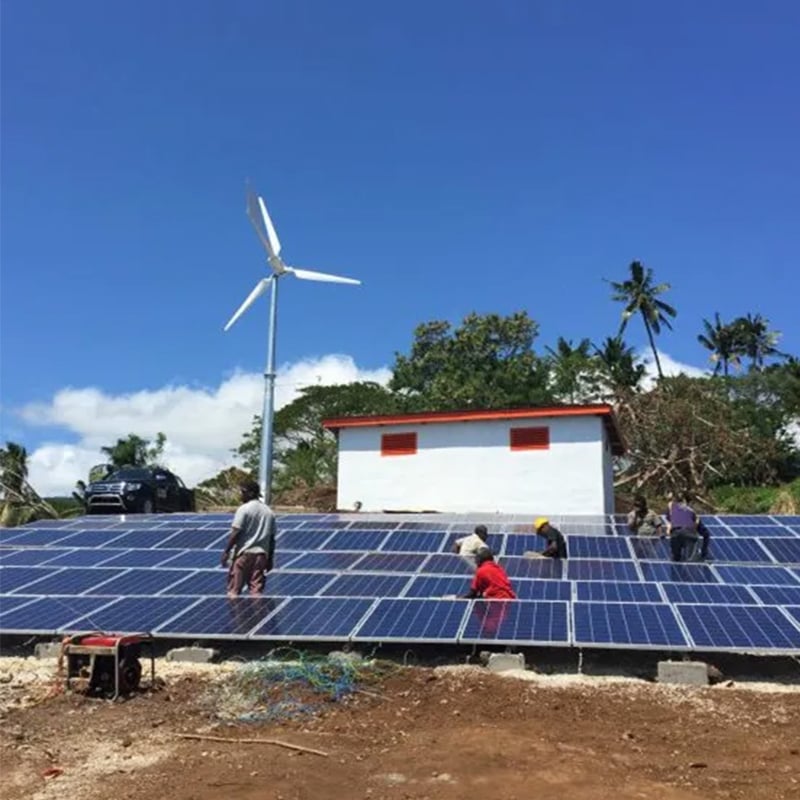
primary products wind turbines, solar panels and lifepo4 batteries. customers will receive a one-stop-shop service the integration and Eolic generator a wind-solar hybrid as well as smart photovoltaic system. DHC provides reliable products, technologies, and after-sales service to customers with excellent delivery capability.
We're Eolic generator meeting commercial domestic electricity needs with wind/solar power system. can provide our customers with tailored solutions through skilled supply chain management capabilities and capabilities for integration. We'll provide high-quality service all hours of day beginning with design, production and after-sales.
When sourcing marine windmill generators for bulk orders, consider the following factors to optimize your purchasing process:
Minimum Order Quantity (MOQ): Understand the supplier's MOQ, as this can vary significantly between manufacturers. Some may offer competitive pricing for larger orders, while others may require a minimum that aligns with production capabilities.
Customization Options: Discuss potential customization options with the supplier, such as specific power outputs, materials, and features that suit your project needs. Custom solutions can enhance energy efficiency and integration into existing systems.
Lead Time: Assess the production lead times, especially if you have specific project timelines. Suppliers with established manufacturing and supply chain processes can provide quicker turnarounds.
Quality Assurance: Request documentation on quality control processes and certifications. Ensuring that the supplier adheres to quality standards will minimize the risks associated with bulk orders.
Sample Approval: Before finalizing a bulk order, request samples to evaluate performance and compatibility with your requirements. Testing samples under actual conditions is crucial for confirming specifications.
By considering these factors, you can streamline the procurement process and ensure you receive generators that meet your project specifications effectively.
Welcome to DHC, the top brand of wind solar hybrid power system! We provide innovative and effective new energy solutions including wind turbine, solar panel, lifepo4 battery, etc.
 EN