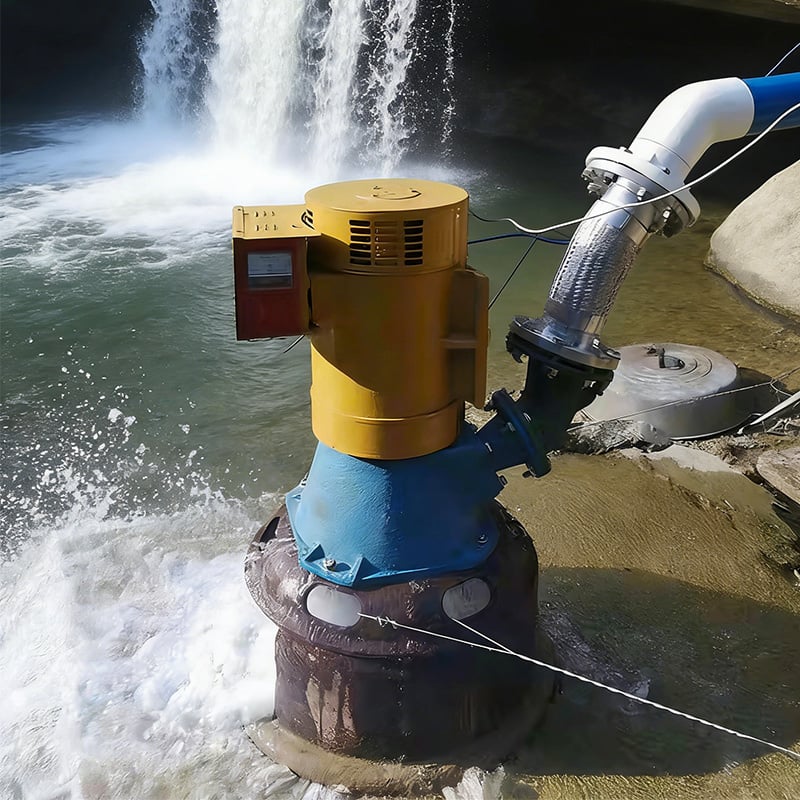
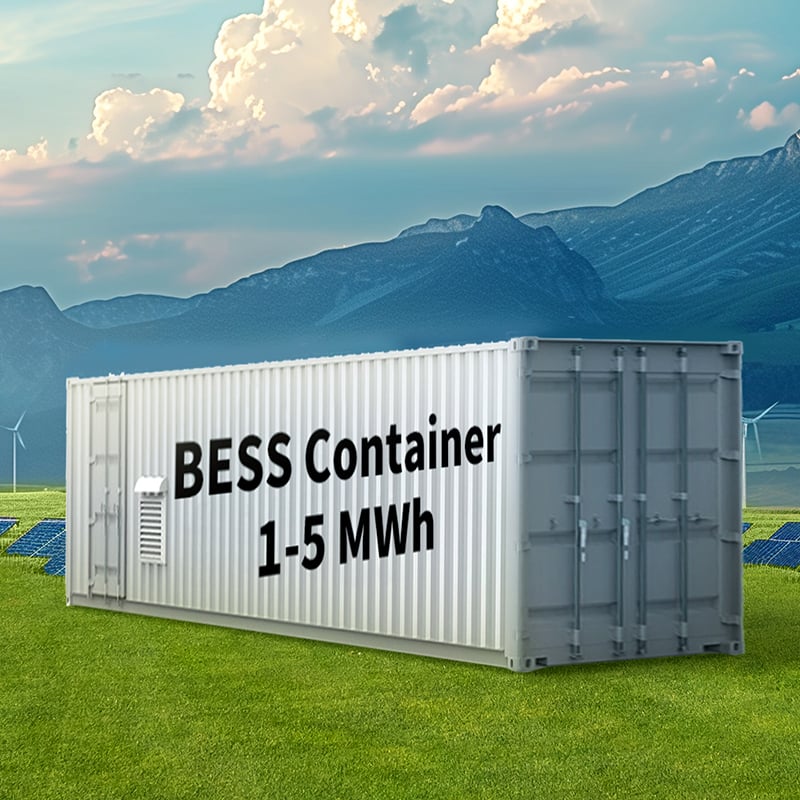
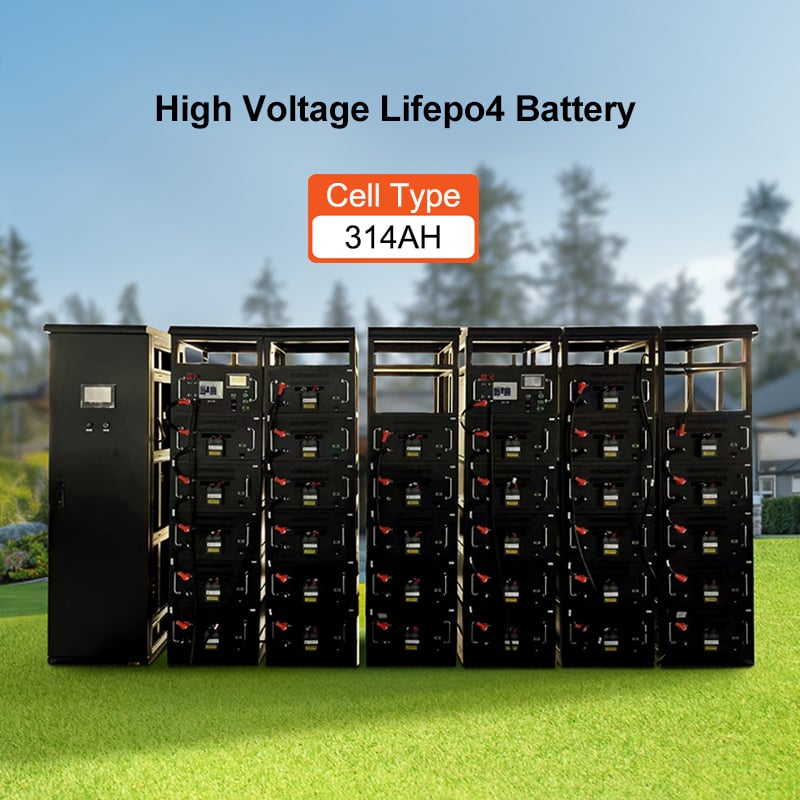
Small-scale wind generators are compact and efficient devices designed to harness wind energy for various applications, including homes, farms, and distributed power stations. As businesses increasingly seek renewable energy solutions, understanding the key factors involved in selecting the right small-scale wind generator becomes important. This article addresses key concerns for B2B buyers, such as product specifications, installation requirements, system compatibility, and industry applications, helping guide them toward an informed purchasing decision. Jiangsu DHC Environmental Si-Tech Co., Ltd. is a professional supplier of wind and solar hybrid system solutions, with experience in the new energy industry dating back to 2009. The company provides products designed to support domestic and commercial electricity needs, including wind turbines, solar panels, and LiFePO4 batteries
Jiangsu DHC focuses on wind and solar hybrid systems and emphasizes the values of diligence, honesty, cooperation, and creativity. The company aims to provide practical renewable energy solutions with reliable power output while maintaining a customer-centered approach to product quality, technology, market development, and service. For B2B buyers evaluating small-scale wind generators from Jiangsu DHC, factors such as rated power, wind speed requirements, turbine design, installation conditions, battery compatibility, hybrid system configuration, durability, maintenance requirements, and after-sales support can be considered to determine whether the equipment is suitable for specific energy projects.
When selecting a small-scale wind generator, buyers should consider several factors to ensure the system meets their specific energy requirements. Key considerations include the generator’s power output, wind speed rating, and efficiency. The power output should align with your energy demands; for instance, a generator rated at 1 kW may suit a small home, while larger installations may require generators rated at 5 kW or more
Wind speed ratings are also critical; different models operate efficiently at varying wind conditions. Assess the average wind speeds in your location and choose a generator optimized for those conditions. Additionally, consider the generator's rotor diameter, as a larger rotor can capture more wind energy, enhancing overall efficiency
Customization options are another aspect to explore. Jiangsu DHC Environmental Si-Tech Co., Ltd. offers tailored solutions, allowing buyers to adapt specifications based on their unique energy needs, ensuring a better fit for specific applications.
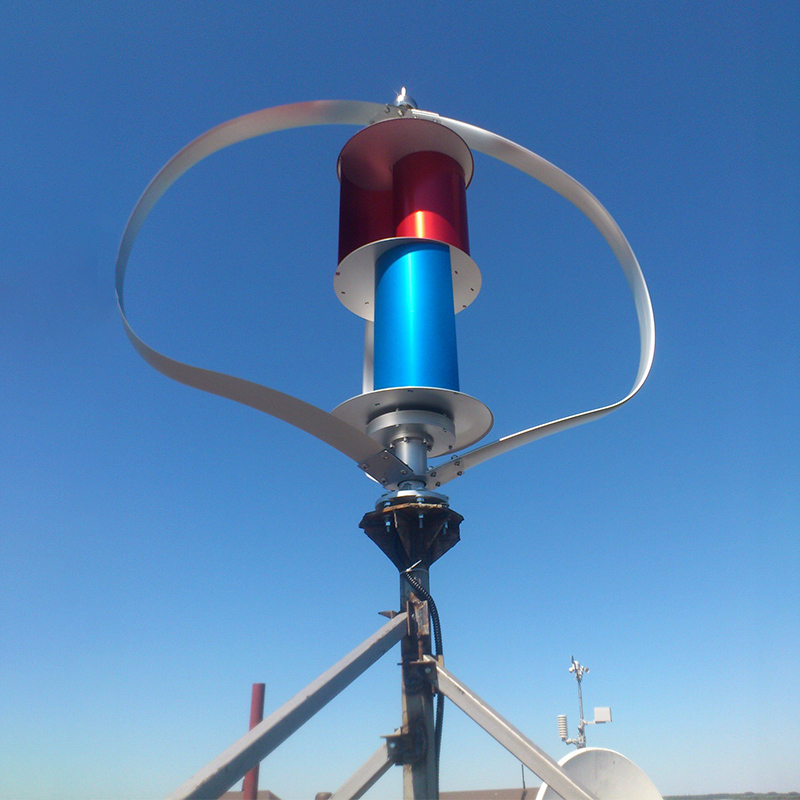
Evaluating small-scale wind generators involves understanding several key specifications that impact performance and durability. These include:
Rated Power Output: This indicates the maximum power the generator can produce under optimal wind conditions. Ensure the rated output aligns with your energy needs
Cut-in Wind Speed: This is the minimum wind speed at which the generator starts producing power. A lower cut-in speed can be beneficial in areas with low wind conditions
Survival Wind Speed: This specification reveals the maximum wind speed the generator can withstand without sustaining damage. Choosing a generator with a higher survival rating can prevent costly repairs in extreme weather conditions
Efficiency: The efficiency of the small wind turbine generator is crucial for maximizing energy output. Look for models with high efficiency ratings, as this means more energy is converted from wind power into usable electricity
Materials and Construction: The materials used in the generator's construction will affect its longevity and resistance to environmental factors. High-quality components can enhance durability and reduce maintenance needs
Buyers should verify these specifications with the supplier to ensure they meet the operational demands of their intended application.
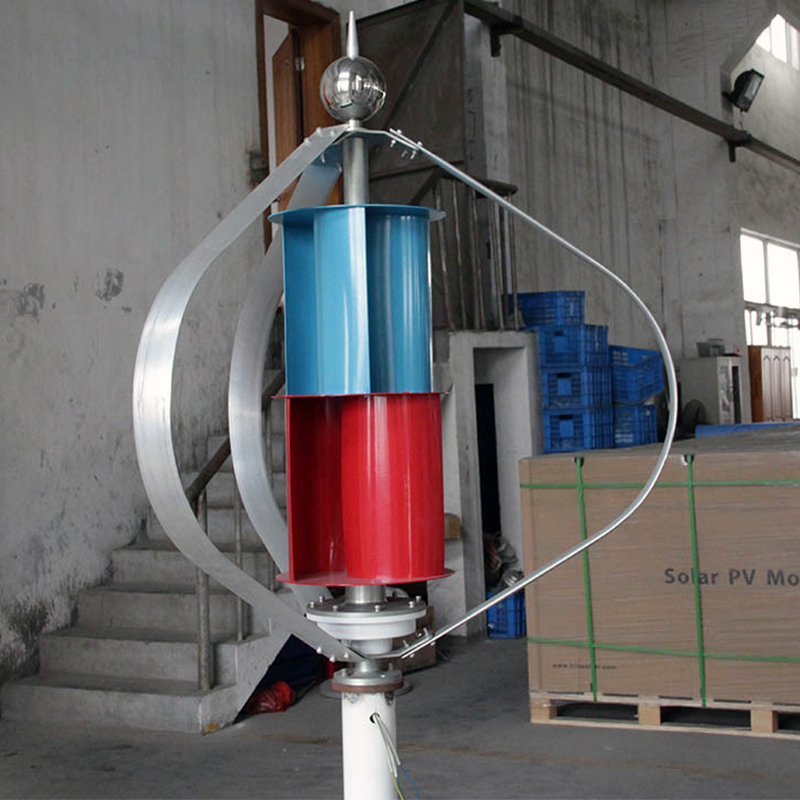
When comparing small wind generators, create a checklist of essential criteria to streamline your evaluation process. Start by comparing the specifications mentioned earlier, including power output, efficiency, cut-in wind speed, and survival wind speed. This will help you determine which models are best suited for your specific conditions and energy requirements
Next, consider the manufacturer's reputation and experience in the industry. Jiangsu DHC Environmental Si-Tech Co., Ltd. has over 15 years in the renewable energy sector, offering insights into product reliability and performance. Look for customer feedback, case studies, and any industry certifications that may reflect the quality and effectiveness of the generators
Additionally, assess any customization options available. Different projects may require unique configurations or additional features, such as energy storage systems or hybrid setups that incorporate solar energy. Understanding these capabilities can help you make a more informed choice
Lastly, consider pricing and lead times. While a lower unit price may seem appealing, evaluate the total cost of ownership, including installation and maintenance. Lead times can also significantly impact project timelines, so ensure the supplier can meet your expected delivery dates.
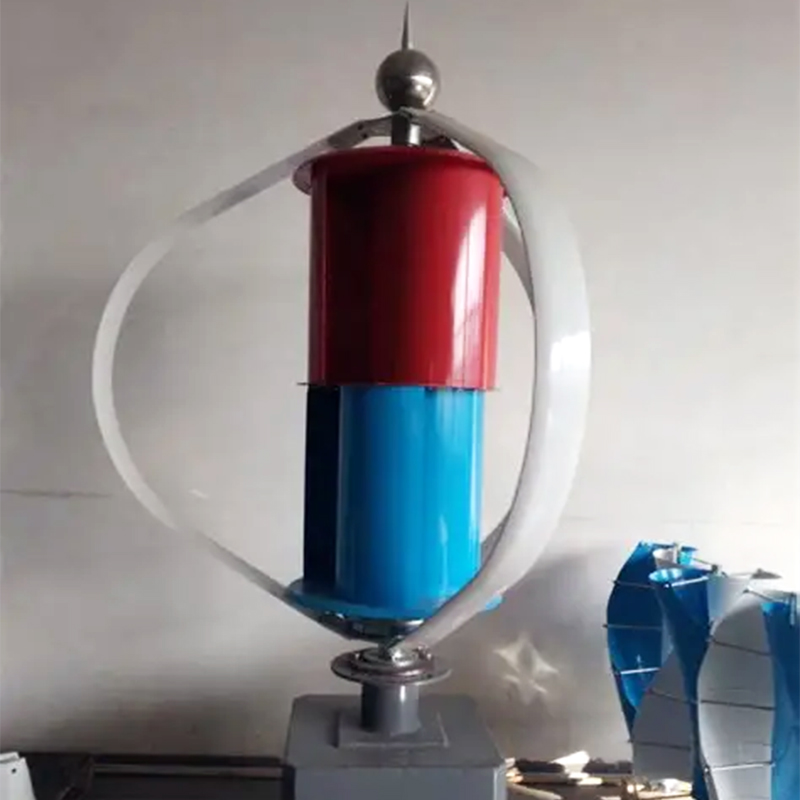
Proper installation is critical for the optimal performance of small-scale wind generators. Here are key guidelines to follow:
Site Assessment: Conduct a thorough site assessment to identify the best location for the generator. Look for open areas with minimal obstructions, such as buildings or trees, which can disrupt wind flow
Regulatory Compliance: Before installation, check local regulations and zoning laws. Some areas may have restrictions on the height of wind turbines or require permits for installation
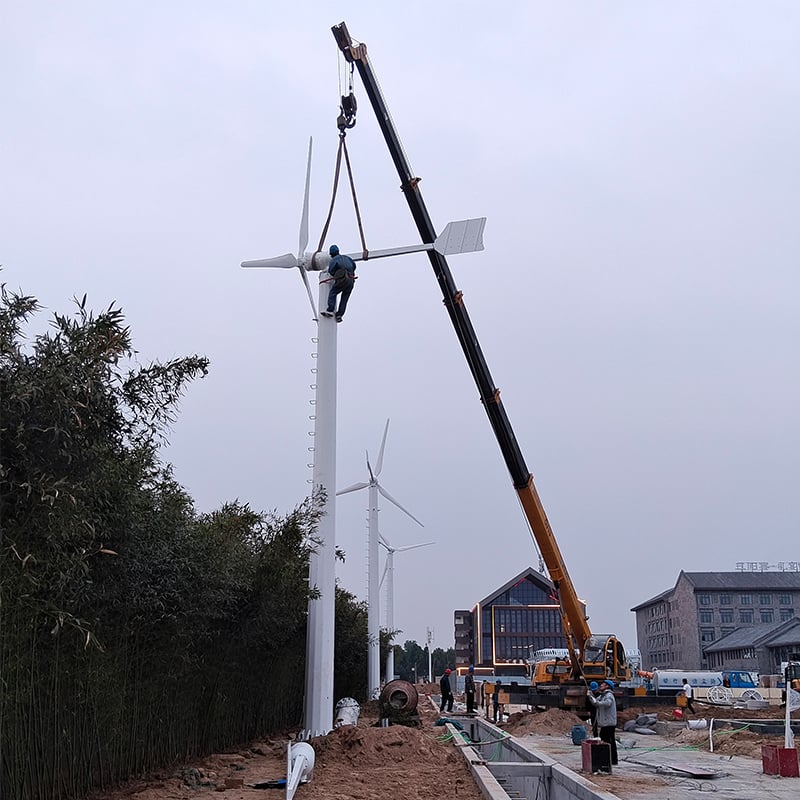
Foundation Requirements: Ensure a stable and robust foundation is built to support the weight and height of the small wind turbine generator. The foundation type may vary based on soil conditions and the generator's size
Electrical Connections: Proper electrical connections are vital for integrating the generator into your existing power system. Work with a qualified electrician to ensure compliance with safety standards and regulations
Regular Maintenance: After installation, schedule regular maintenance checks to ensure the generator operates efficiently. This includes inspecting for wear and tear, checking electrical connections, and ensuring the rotor and blades are free from debris
Following these guidelines can enhance the lifespan and efficiency of your small-scale wind generator.
As leading brand wind-powered hybrid power systems DHC is only company with its own wind turbine factory, which combines R D, design, production, technical services. Since 2009 founders have embraced the idea of protecting the environment, immersed new technologies, and Wind turbine for home 5kw by the corporate values that focuses "diligence and integrity, as well as cooperation and creativity." This is also the origin of our name "DHC".
Solar wind power systems are the main focus our wind turbine and generator. can provide our customers with custom solutions using expert supply chain management capabilities the ability to integrate. will offer you high-quality service all hours of day from production to design and after-sales.
primary products wind turbines, solar panels and lifepo4 batteries. customers will receive a one-stop-shop service the integration and Wind turbine a wind-solar hybrid as well as smart photovoltaic system. DHC provides reliable products, technologies, and after-sales service to customers with excellent delivery capability.
We dedicated to upholding integrity as cornerstone of our business, offering customers genuine power products expert services. In the case of wind turbines can pay attention is important to committed to keeping integrity as the cornerstone of business, offering customers the best power products as well as 5000w wind turbine services. Consider parameters such as blade diameter and wind turbine's weight when you evaluate wind turbines. We promise that all products manufactured by DHC have real power output without exaggerated power.
Small-scale wind generators offer versatile applications across various industries, making them an attractive option for businesses looking to reduce their carbon footprint and enhance energy independence. Here are some common applications:
Agriculture: Farmers can use small-scale wind generators to power irrigation systems, barns, or equipment, reducing reliance on traditional energy sources and lowering operational costs
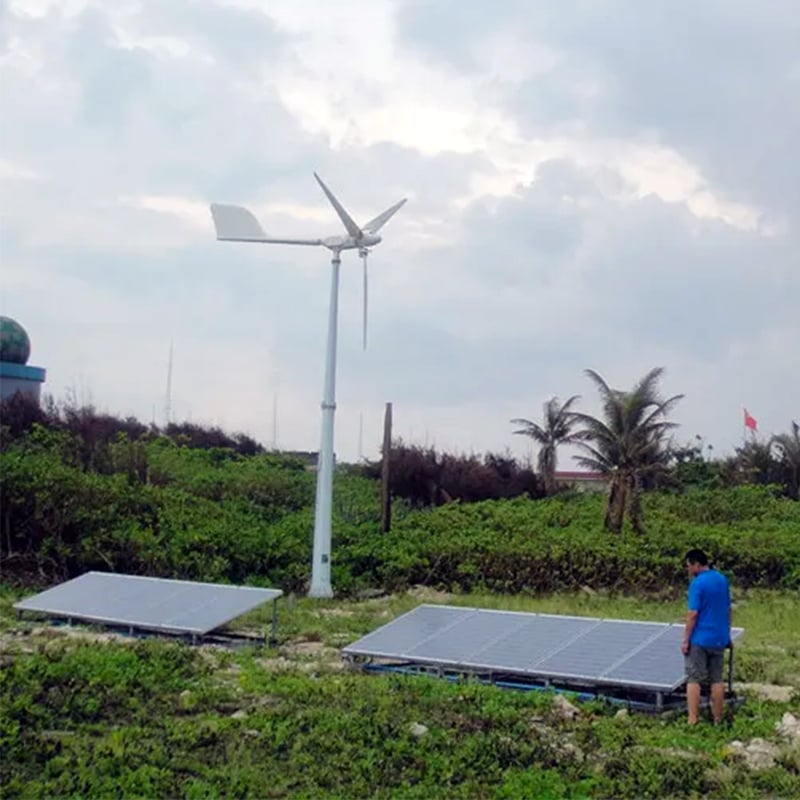
Remote Locations: Small wind turbines are ideal for remote areas where traditional power sources are unavailable. They can provide reliable energy for telecommunications, weather stations, or remote research facilities
Residential Use: Homeowners can benefit from small-scale wind generators to supplement their energy needs, contributing to lower electricity bills and a more sustainable lifestyle
Commercial Settings: Businesses can integrate small wind generators into their energy mix, enhancing sustainability efforts and potentially generating additional revenue through energy credits or selling excess power back to the grid
By understanding these applications, businesses can better assess how small-scale wind generators can fit into their operational strategies and energy planning.
Welcome to DHC, the top brand of wind solar hybrid power system! We provide innovative and effective new energy solutions including wind turbine, solar panel, lifepo4 battery, etc.




 EN