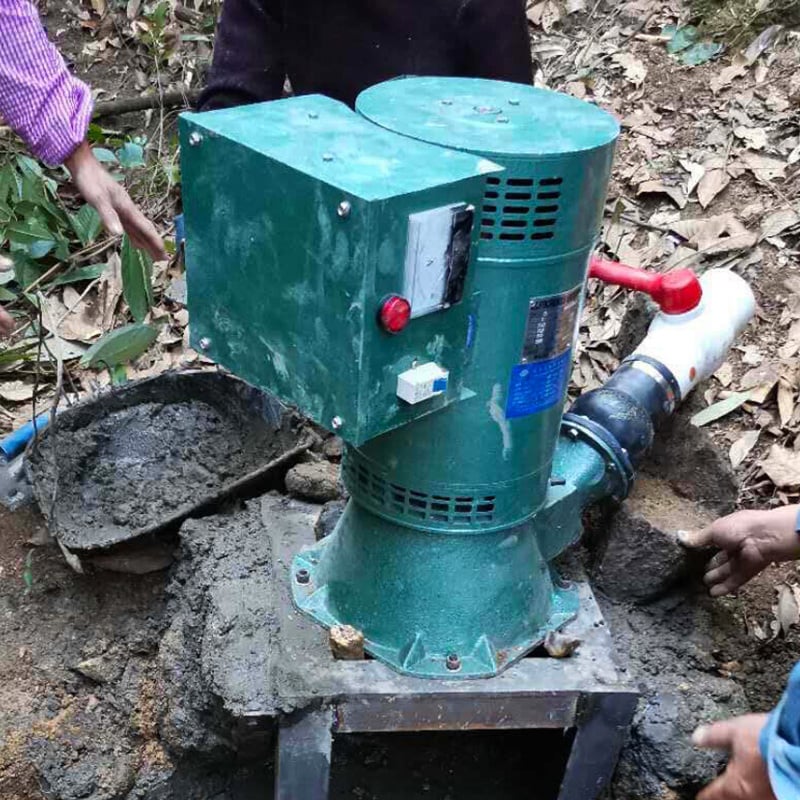
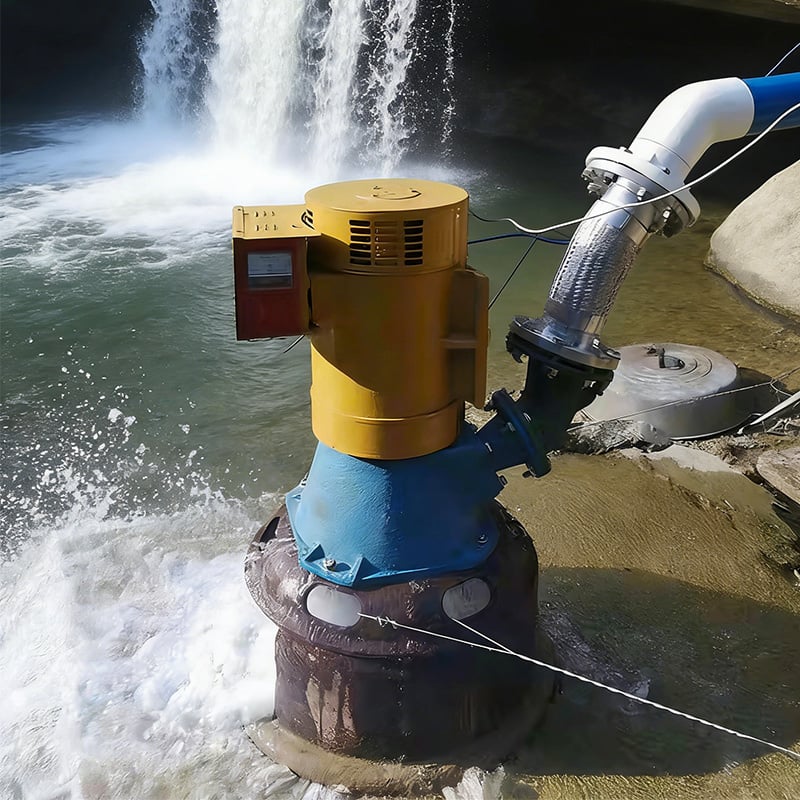
A vertical shaft wind generator is a specialized renewable energy solution designed to harness wind power efficiently, especially in urban and suburban settings. This type of turbine is particularly valuable for B2B buyers, including purchasing managers and engineers, who are looking for reliable and innovative solutions to meet energy demands. This article will delve into critical aspects of vertical shaft wind generators, including supplier reliability, key specifications, essential buying considerations, common issues and their solutions, and the advantages of materials used in manufacturing these generators
When selecting a supplier for vertical shaft wind generators or small wind generators, reliability is paramount. A trustworthy supplier should have a proven track record in the renewable energy sector, supported by years of experience, like Jiangsu DHC Environmental Si-Tech Co., Ltd., which has over 15 years of expertise. Buyers should evaluate suppliers based on their manufacturing capabilities, quality control processes, and customer service track record
Additionally, look for suppliers that offer customization options. The ability to tailor products to specific application requirements can significantly enhance performance. For instance, ensure the supplier has a robust supply chain and research and development capabilities, which are indicative of their commitment to innovation and quality
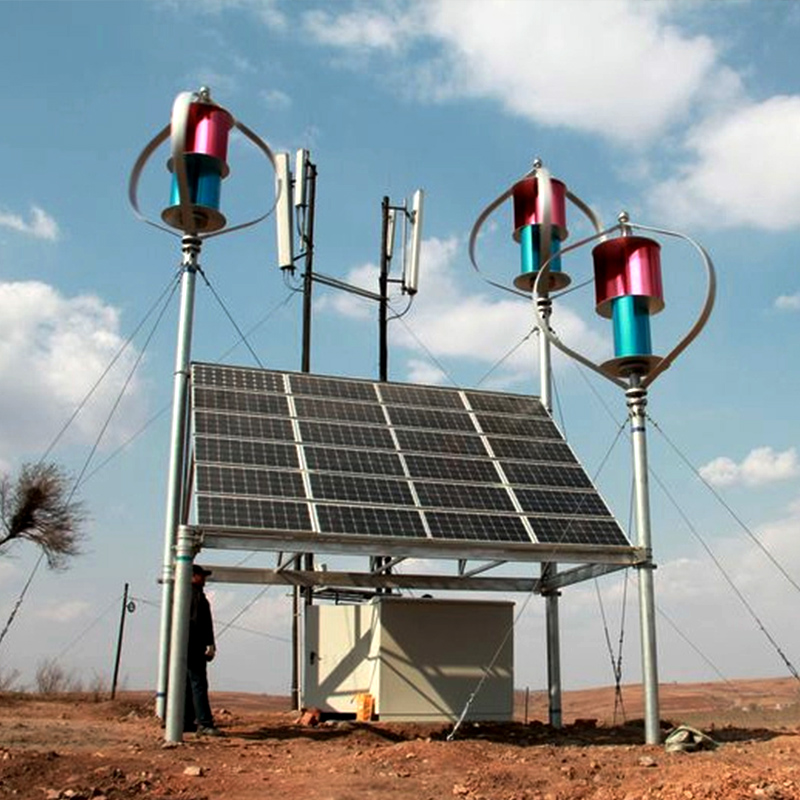
Understanding the key specifications of vertical shaft wind generators is crucial for making informed purchasing decisions. Key specifications include rotor diameter, power output, and efficiency ratings
Rotor Diameter: This affects the amount of wind energy captured. A larger rotor diameter generally translates to higher power output, but it must be matched to local wind conditions and space availability
Power Output: Measured in watts or kilowatts, this indicates the generator's capacity to produce electricity. Buyers should consider anticipated energy needs to select a generator with adequate output
Efficiency Ratings: This defines how well the generator converts wind energy into electrical energy. Higher efficiency ratings indicate better performance and lower operational costs
It is advisable for buyers to confirm these specifications based on their specific application requirements to ensure optimal performance and return on investment
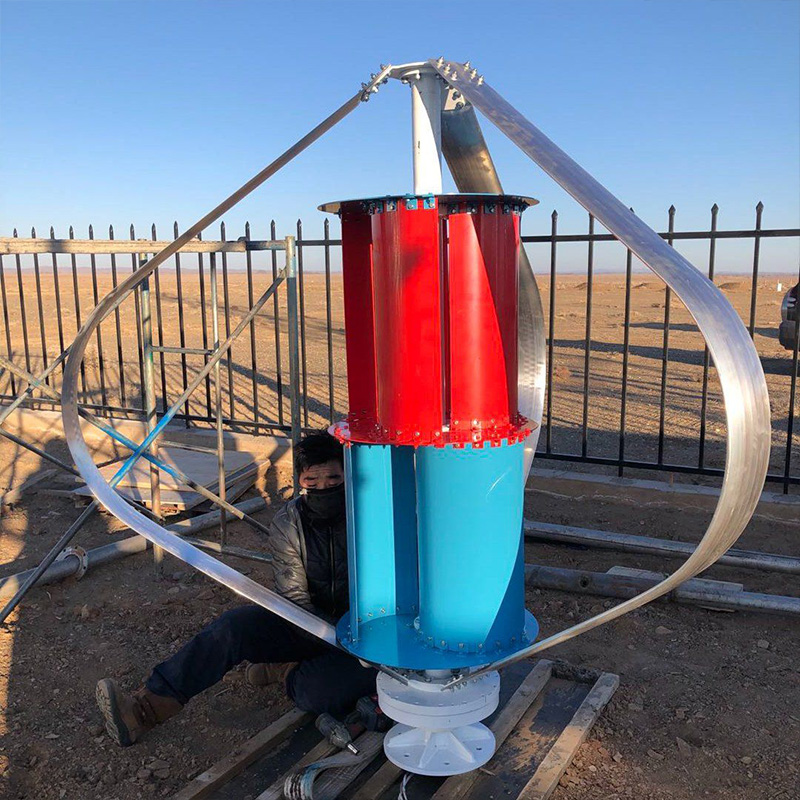
When sourcing vertical shaft wind generators, several factors must be considered to ensure the best fit for your needs
Material Quality: The materials used in the construction of wind generator for home can significantly influence durability and performance. Look for generators made from corrosion-resistant materials that can withstand harsh weather conditions
Installation and Maintenance Requirements: Evaluate how easy it is to install and maintain the generator. A design that allows easy access for maintenance can save time and reduce operational downtime
Noise Levels: In urban or residential areas, noise can be a significant concern. Opt for generators designed to operate quietly to minimize disturbances
Certifications: Ensure that the generator complies with relevant industry standards and certifications, which can be a mark of quality assurance
Buyers should gather specific information about these aspects when requesting quotes or discussing options with suppliers
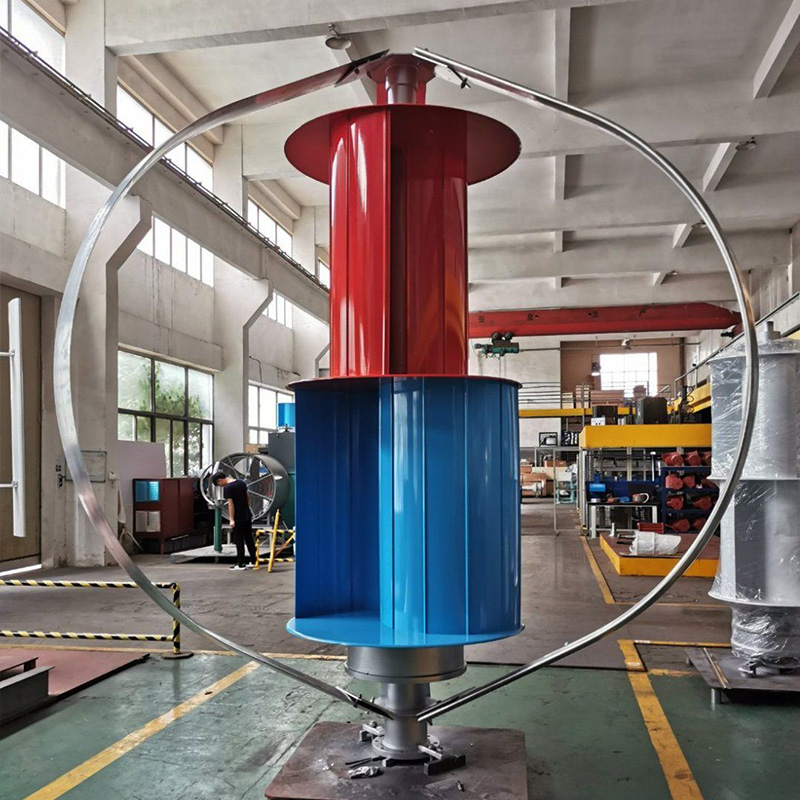
Like any technology, vertical shaft wind generators can encounter issues that may affect their performance. Here are some common problems and practical solutions
Vibration Issues: Unbalanced rotors can lead to vibrations that may cause mechanical wear. Regular maintenance and inspections can help identify and correct imbalances before they lead to significant damage
Electrical Failures: Faulty wiring or connection issues can disrupt power generation. Implementing strict quality control during installation and using reliable components can mitigate these risks
Performance Under Low Wind Conditions: In areas with variable wind speeds, some generators may not perform optimally. Selecting a generator designed for low wind conditions can enhance energy capture
Buyers should work closely with their suppliers to establish a maintenance schedule and ensure that spare parts are readily available to address these issues promptly
We're dedicated solving commercial residential electrical needs utilizing a solar/wind power system. With professional supply chain management and integration capabilities, are able to provide customers with completely customized solutions. We'll provide high-quality service all hours of day from Wind turbine for home 5kw to design and after-sales.
most renowned brand wind-powered hybrid power systems DHC the only company with own wind turbine factory that combines R D, design, production technical support. Since 2009, our founders have practiced the 2kw vertical wind turbine of environmental protection and have been immersed in the latest energy sources and have adhered the company's culture that focuses on "diligence and honesty, collaboration, and creativity." Our brand DHC is the consequence of this.
commitment integrity is the basis of our company. We offer real power solutions and offer expert service. Regarding wind turbines can pay attention to is important to We're committed keeping integrity as the primary goal of our 2kw vertical wind turbine, and we offer customers the best power products as well as competent services. When it comes to wind turbines, be sure to consider parameters such as blade diameter and weight. guarantee that all products made by DHC feature actual power output not overinflated power.
main products wind turbines and solar panels. customers can receive a single-source service integration and development wind-solar hybrids as well as intelligent photovoltaic systems. DHC provides reliable 5000w wind turbine, technologies and after-sales support customers through exceptional delivery capability.
The materials used in vertical shaft wind generators play a critical role in their performance and longevity. Here are some common materials and their advantages
Aluminum: Lightweight and corrosion-resistant, aluminum is often used in the construction of turbine blades and casings. This material allows for better energy capture while minimizing the structural load
Fiberglass: Many modern wind turbine blades are made from fiberglass due to its excellent strength-to-weight ratio. This material can withstand extreme wind conditions and is less prone to damage than traditional materials
Stainless Steel: Used in critical components such as bearings and fasteners, stainless steel offers exceptional resistance to corrosion and wear, ensuring long-term reliability under various environmental conditions
Each material contributes to the overall efficiency and durability of the generator. Buyers should consider the operating environment and expected lifespan of the generator when discussing material options with suppliers
Understanding the features and considerations surrounding vertical shaft wind generator or domestic wind generators is essential for B2B buyers. By focusing on supplier reliability, key specifications, and material advantages, purchasing managers can make informed decisions that align with their energy needs and sustainability goals
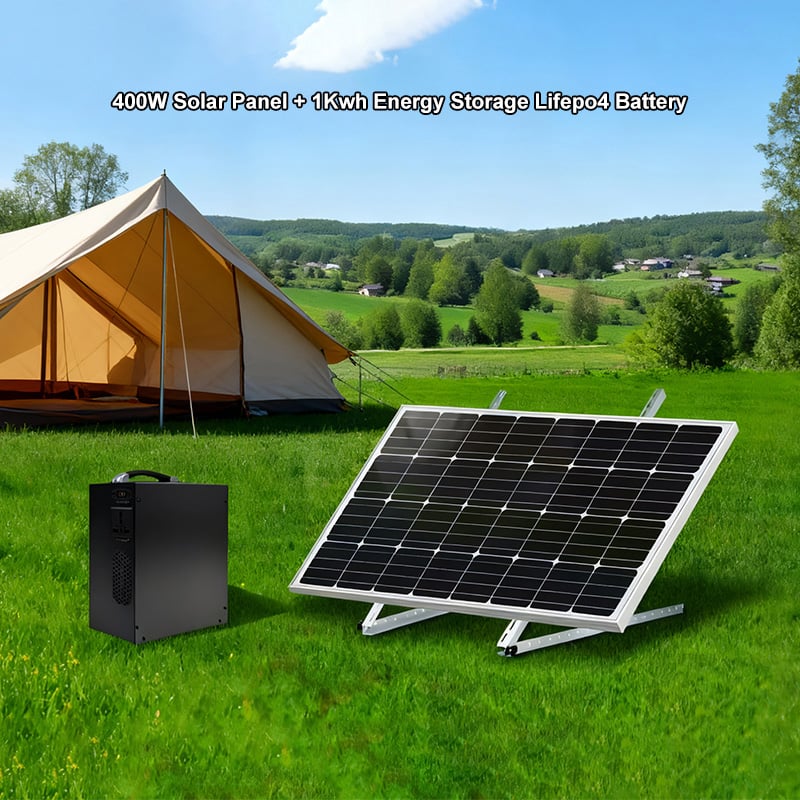
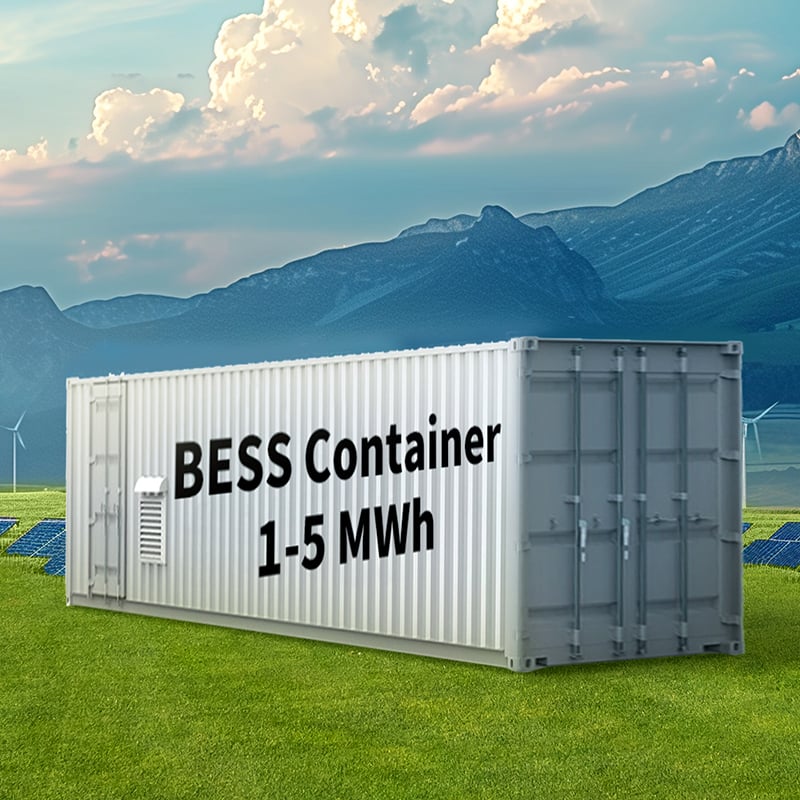
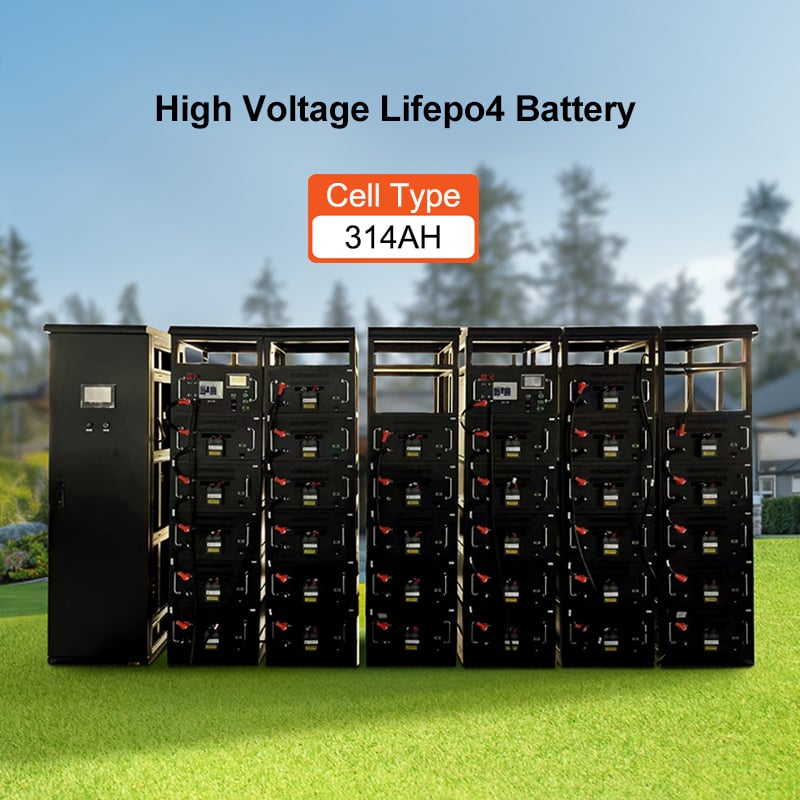
Welcome to DHC, the top brand of wind solar hybrid power system! We provide innovative and effective new energy solutions including wind turbine, solar panel, lifepo4 battery, etc.






 EN