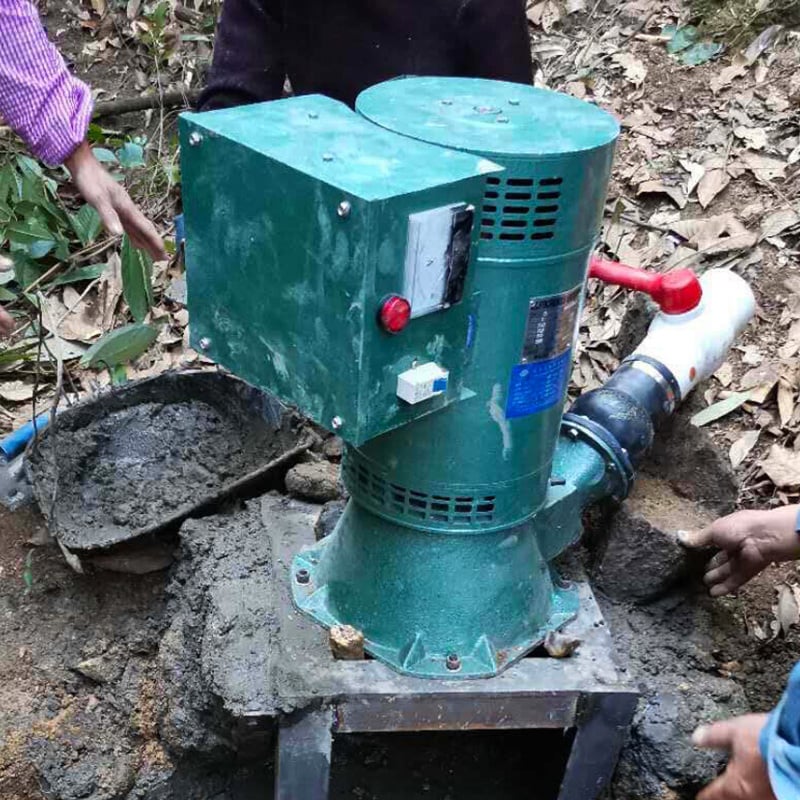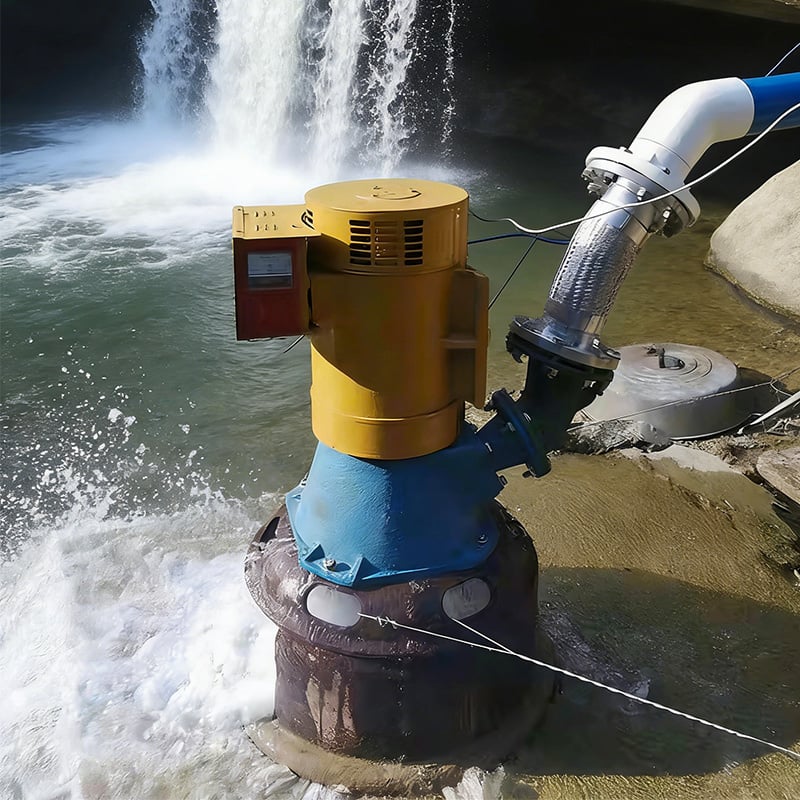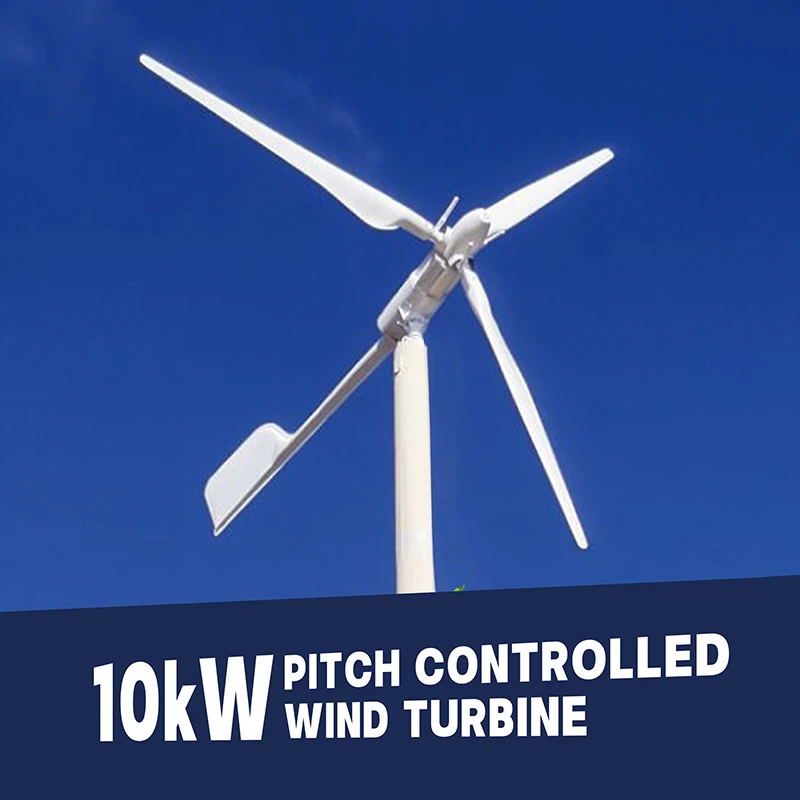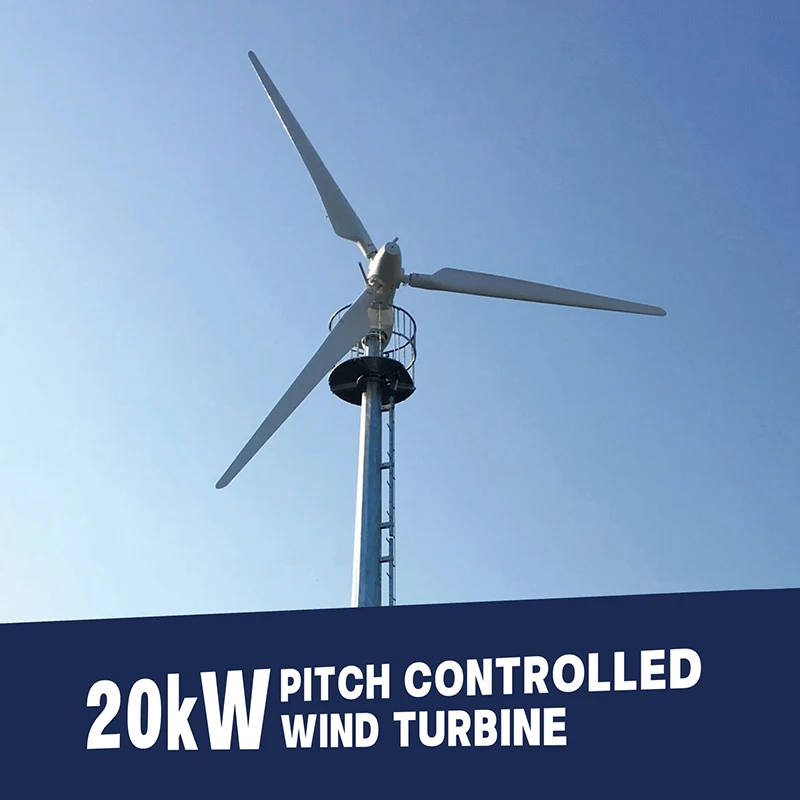
Wind energy generators are essential components in the renewable energy sector, converting wind energy into electrical power. For B2B buyers, such as purchasing managers, engineers, and project planners, selecting the right wind energy generator involves understanding various specifications, installation requirements, and potential challenges. This article will provide a comprehensive guide to help you navigate the complexities of sourcing wind turbine and generator for your projects.
Selecting the ideal wind energy generator is crucial for maximizing efficiency and return on investment. Start by assessing your energy needs, which are influenced by factors such as the size of the installation site, average wind speeds, and expected energy output.
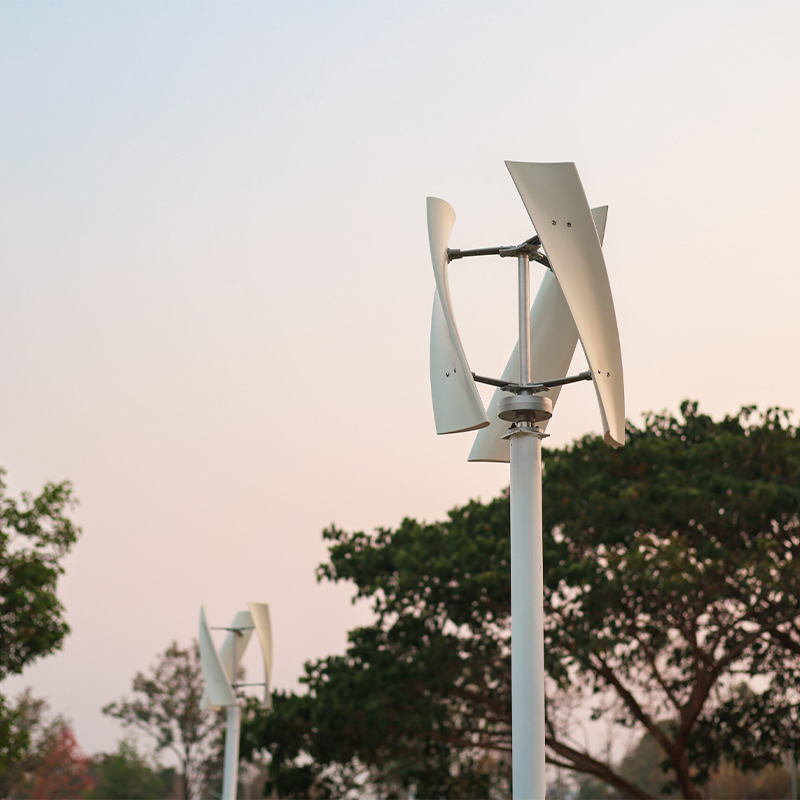
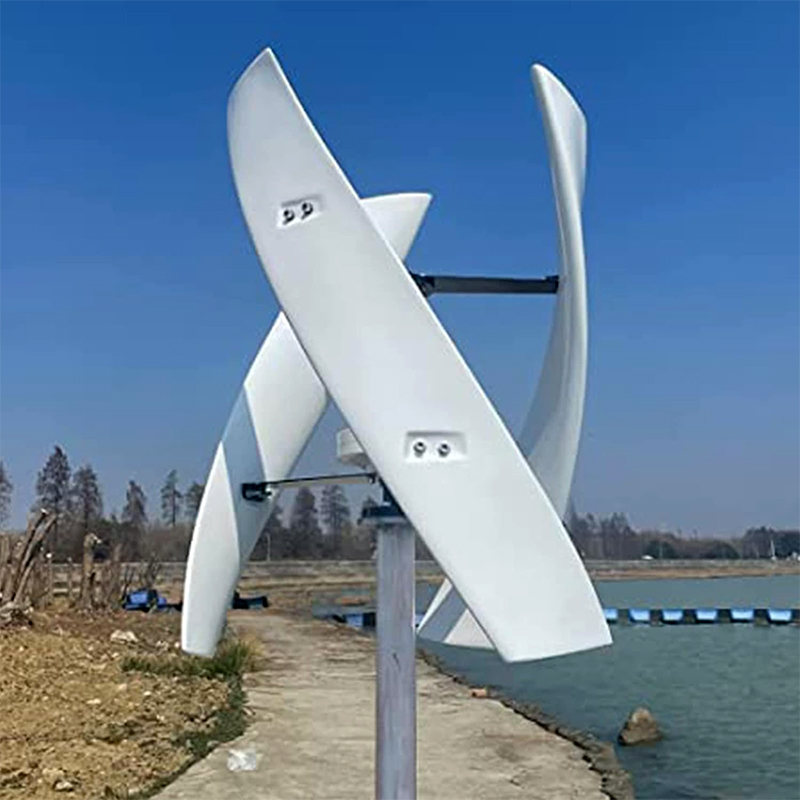
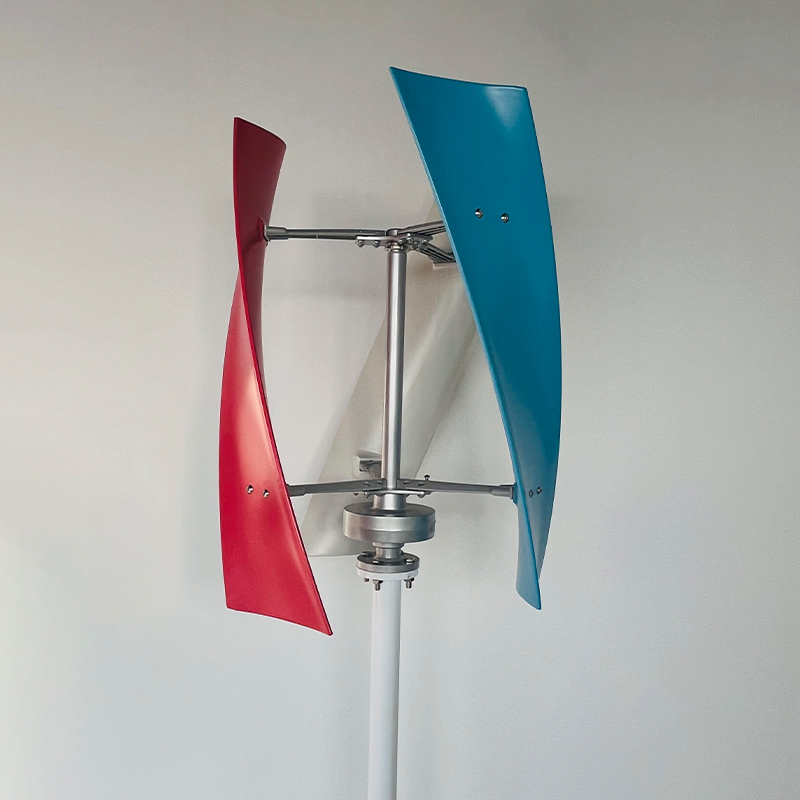
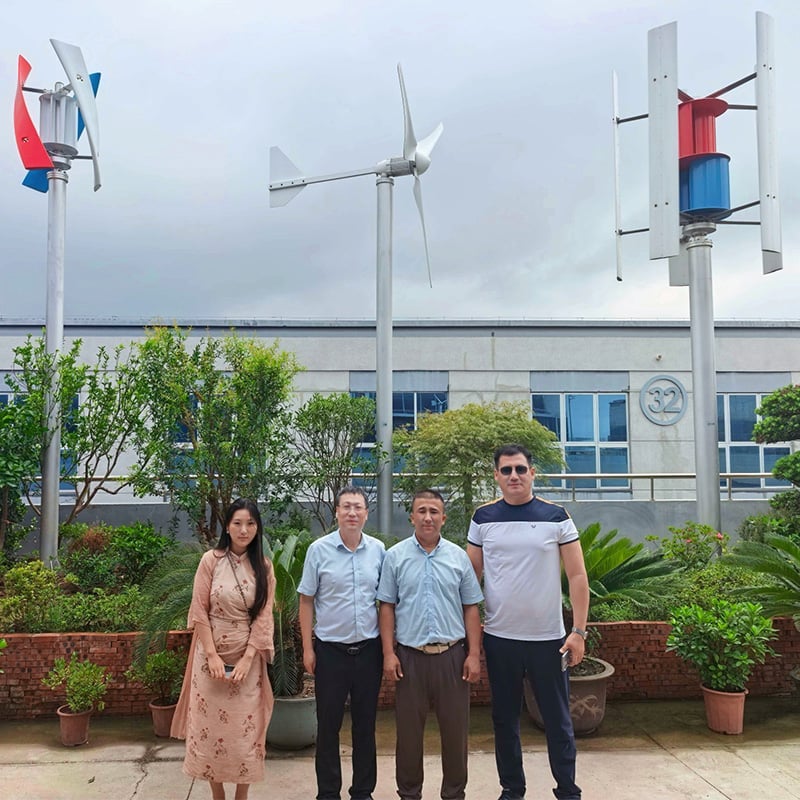
Consider the type of wind turbine with generator that aligns with your project goals. Horizontal-axis wind turbines (HAWTs) are commonly used for large-scale projects due to their higher efficiency in capturing wind energy, while vertical-axis wind turbines (VAWTs) can be suitable for smaller, urban installations where space is limited.
Additionally, evaluate the manufacturer’s reputation and experience in the industry. Jiangsu DHC Environmental Si-Tech Co., Ltd., for example, has over 15 years of expertise in renewable energy, offering customized solutions tailored to various applications. Requesting case studies or references can also provide insight into the manufacturer’s capabilities and the performance of their products in real-world scenarios.
When sourcing wind energy generators, several key specifications should be considered to ensure optimal performance:
Rated Power Output: This indicates the maximum energy the generator can produce under optimal wind conditions. Ensure the rated output aligns with your energy needs.
Cut-in and Cut-out Wind Speeds: The cut-in speed is the minimum wind speed required for the turbine to begin generating electricity, while the cut-out speed is the maximum wind speed beyond which the turbine shuts down to prevent damage. Understanding these speeds is vital for assessing the generator's operational range.
Rotor Diameter and Blade Design: Larger rotor diameters typically capture more wind energy. The blade design also affects efficiency; for instance, blades designed for lower wind speeds may be more suitable for specific environments.
Material and Durability: The materials used in the generator affect its longevity and maintenance needs. High-quality materials can withstand harsh environmental conditions, reducing downtime and repair costs.
Noise Levels: Depending on the location of installation, noise can be a significant concern. Choose a generator with noise levels that comply with local regulations and community standards.
Certifications: Look for generators that meet industry standards and certifications, ensuring compliance with safety and performance benchmarks.
Proper installation is crucial to maximizing the efficiency and lifespan of wind energy generators. Here are key considerations during the installation process:
Site Assessment: Conduct a thorough assessment of the installation site, including wind patterns, geographical features, and environmental considerations. This assessment can help determine the optimal placement of the generator to capture the most wind energy.
Foundation and Structural Requirements: Ensure that the foundation can support the wind energy generator's weight and withstand local weather conditions. The foundation design may vary based on soil type and load distribution.
Electrical Connections and Grid Integration: Plan for the electrical connections needed to integrate the generator into the local power grid. This includes ensuring compliance with regulatory standards and considering energy storage solutions if necessary.
Safety Measures: Implement safety protocols during installation, including secure scaffolding and protective gear for workers. Regular inspections throughout the installation process can help identify potential issues before they escalate.
Training and Maintenance: Provide training for staff on the operation and maintenance of the Jiangsu DHC wind energy generator to ensure ongoing efficiency and safety. Regular maintenance checks can prevent long-term issues and optimize performance.
While wind energy generators are generally reliable, there are common issues that may arise:
Mechanical Failures: These can be caused by wear and tear on components such as bearings, gearboxes, and blades. Regular maintenance and inspections can help identify potential failures early.
Electrical Issues: Problems with the wind turbine generator electrical components, such as inverters or wiring, can lead to reduced performance. Conducting routine electrical inspections and employing quality components can mitigate these risks.
Environmental Impact: Birds and bats can be affected by wind turbines. Consider implementing mitigation strategies, such as site selection and turbine design adjustments, to minimize impact on local wildlife.
Inconsistent Wind Conditions: Variability in wind speed can affect energy output. Using hybrid systems that combine wind and solar energy can provide a more stable energy supply.
Regulatory Challenges: Navigating local regulations and compliance can be complex. Engaging with local authorities early in the project can help streamline the permitting process and avoid delays.
primary products wind turbines, solar panels and lifepo4 batteries. customers will receive a one-stop-shop service the integration and wind turbine generator a wind-solar hybrid as well as smart photovoltaic system. DHC provides reliable products, technologies, and after-sales service to customers with excellent delivery capability.
Integrity is foundation of our company. offer real power equipment, as well as skilled Wind turbine. In the case of wind turbines, {you can pay attention it is important to commitment to integrity the basis of our business. We provide genuine power equipment, as well as expert service. Consider parameters such as blade diameter as well as wind turbine weight when looking at wind turbines. DHC promises that its products are able to deliver real power without exaggerating the power.
are dedicated to meeting commercial domestic electricity needs with wind solar power system. able to provide customers with fully customized solutions with our professional capability managing supply chains capabilities 15kw wind turbine for home. We'll provide professional service throughout day beginning with design, production and after-sales.
DHC is leading brand in the hybrid wind solar power systems. It has own factory that incorporates R D production, design, and technical services. Since 2009 the founders DHC have been implementing the idea protecting the environment and have been immersed in the latest technology and Wind turbine the corporate values "diligence and integrity, co-operation and creativity." This is also the source of our name "DHC".
Wind energy generators are versatile and can be applied in various industrial settings:
Remote Power Generation: For off-grid applications, Jiangsu DHC wind energy generators can provide a sustainable power source for remote facilities, such as telecommunications towers or mining operations.
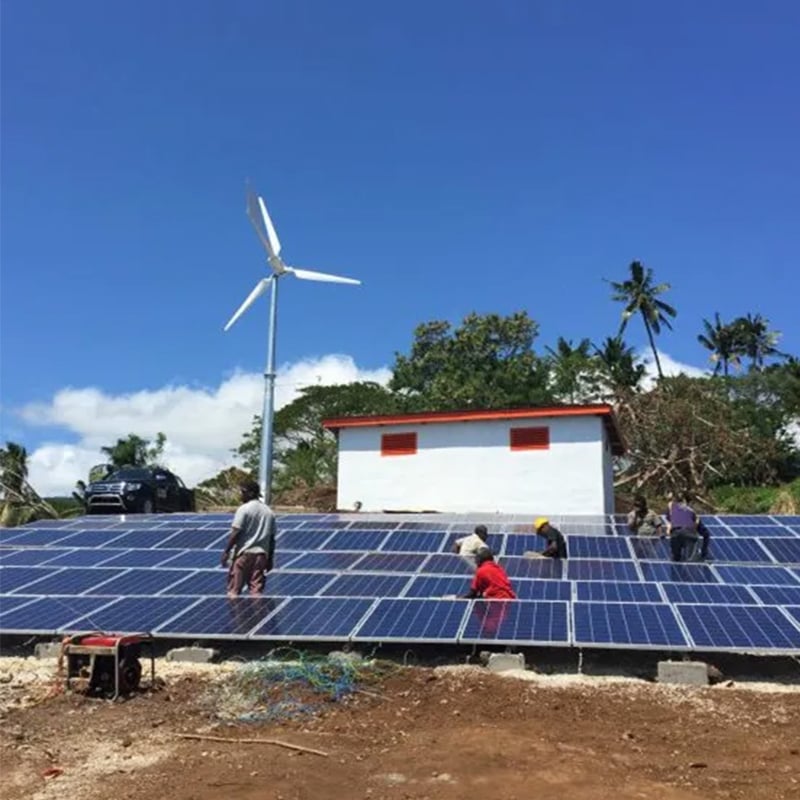
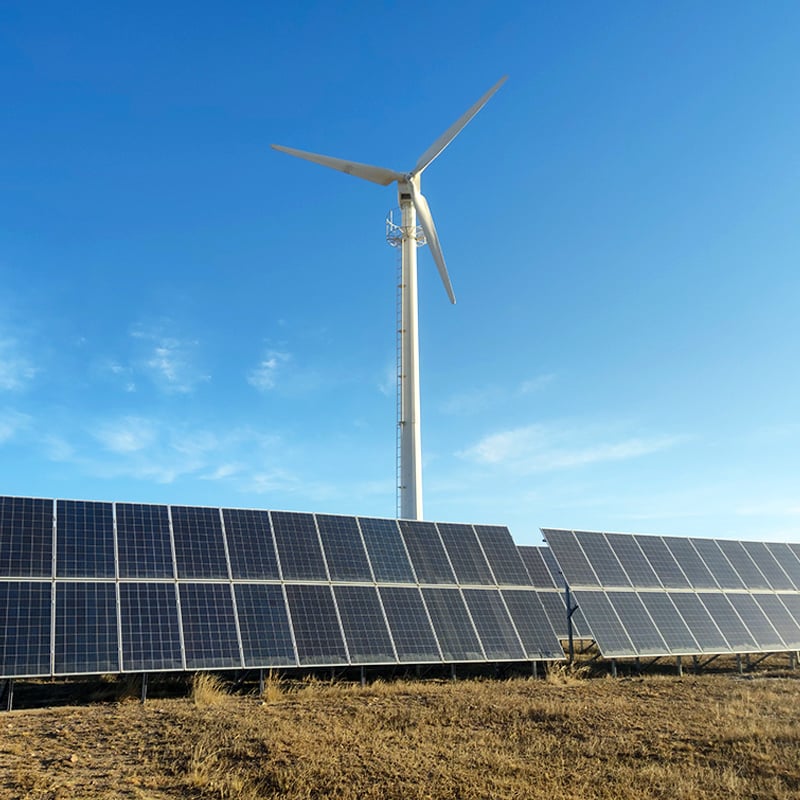
Hybrid Systems: Combining wind energy with solar power systems can enhance energy reliability, especially in regions with variable weather conditions. This approach allows for a more consistent energy supply.
Agricultural Applications: Farms can benefit from wind energy generators by powering irrigation systems, reducing reliance on fossil fuels, and lowering operational costs.
Commercial Use: Businesses can harness wind energy to power operations, reducing energy costs and carbon footprints. This is particularly beneficial for companies looking to enhance their sustainability practices.
Distributed Power Stations: Wind energy generators can be part of distributed power systems that enhance energy independence and resilience, supporting local energy needs while contributing to the grid.
understanding the intricacies of wind energy generators is essential for B2B buyers looking to invest in renewable energy solutions. By considering factors such as specifications, installation guidelines, common challenges, and applications, you can make informed decisions that align with your project goals.
Welcome to DHC, the top brand of wind solar hybrid power system! We provide innovative and effective new energy solutions including wind turbine, solar panel, lifepo4 battery, etc.
 EN