As the demand for renewable energy solutions continues to grow, wind vertical generators have emerged as a viable option for harnessing wind energy efficiently. These generators are particularly suited for urban environments and small-scale applications due to their compact design and operational flexibility. For B2B buyers, key concerns include performance reliability, suitability for specific projects, and manufacturer credibility. This article will provide insights into selecting the right wind vertical generator, understanding specifications, installation guidance, and addressing common issues to aid in informed purchasing decisions.
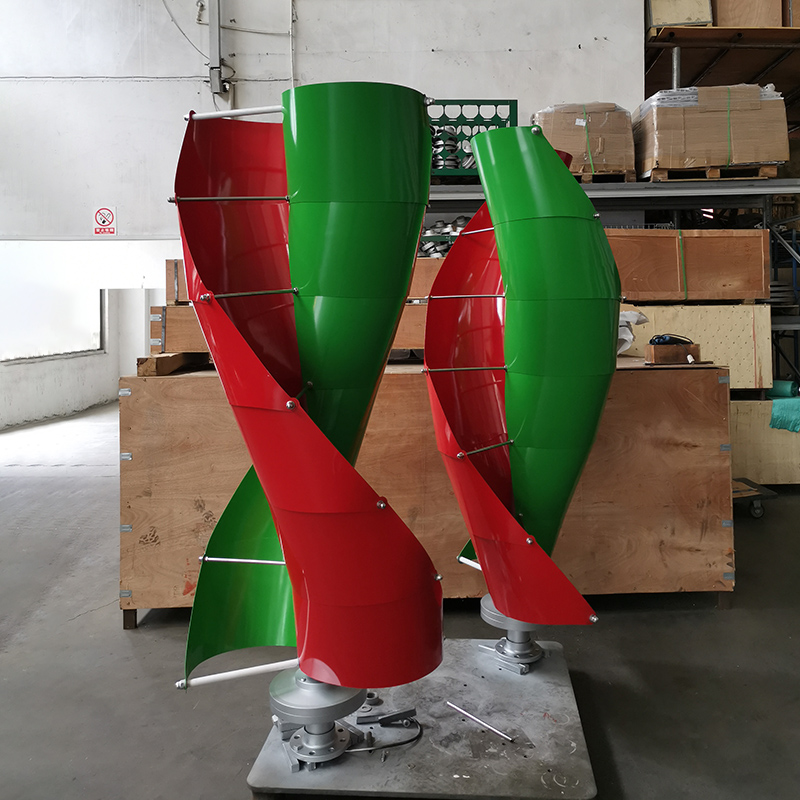
When selecting a wind vertical generator, it’s crucial to assess your specific project requirements. Factors such as the expected energy output, installation space, and local wind conditions play a significant role in determining the most suitable model. A generator’s capacity, typically measured in watts, will directly influence how much power it can produce. For example, smaller units may suffice for residential applications, while larger models are better suited for commercial installations.
Take into account the generator’s height and rotor diameter, as these dimensions affect its ability to capture wind energy effectively. Additionally, consider the noise levels and aesthetic aspects, especially for urban installations where regulations may apply. Buyers should consult with manufacturers about customization options to ensure the generator aligns with project-specific demands.
Identifying reputable manufacturers is critical to ensuring the quality and reliability of the wind vertical generator you choose. Look for companies with a proven track record in renewable energy solutions, ideally with specialized experience in wind technologies. Jiangsu DHC Environmental Si-Tech Co., Ltd., for instance, has over 15 years of expertise in the field, offering a range of products backed by strong supply chain partnerships.
Investigate certifications and compliance with international standards. A reliable manufacturer should be able to provide documentation that verifies their products meet specific quality and safety criteria. Additionally, customer reviews and case studies can offer valuable insights into the performance and reliability of their generators.
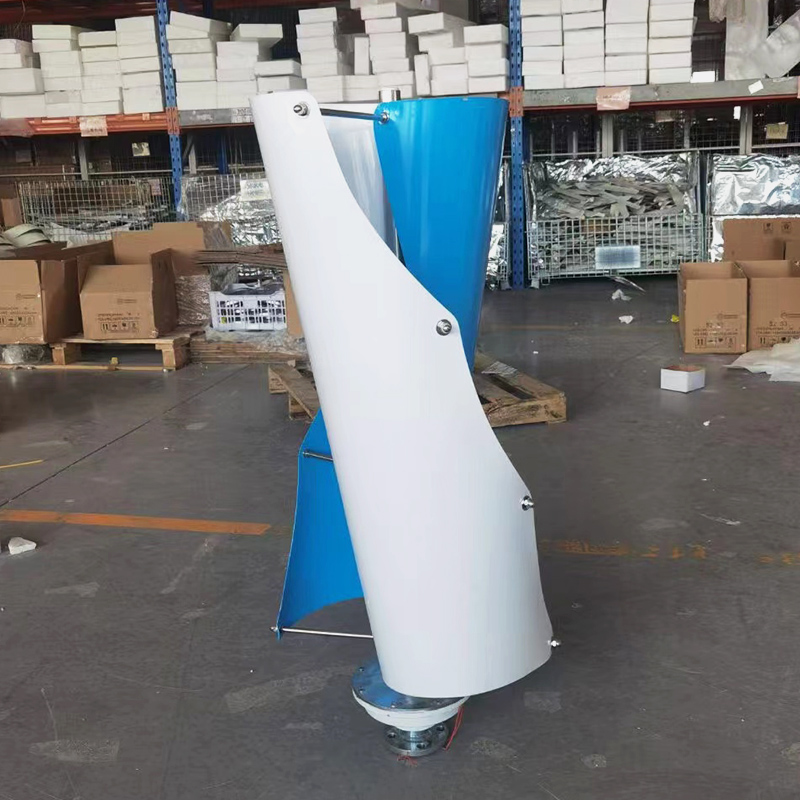
The specifications of wind vertical generators are crucial for assessing their suitability for your needs. Key specifications to evaluate include:
Rated Power Output: Indicates the maximum energy the generator can produce under optimal wind conditions. Cut-in Wind Speed: The minimum wind speed at which the generator starts producing electricity. A lower cut-in speed can be advantageous in areas with variable wind conditions. Survival Wind Speed: The maximum wind speed the generator can withstand without damage. This is important for ensuring durability in extreme weather conditions. Noise Level: Measured in decibels (dB), this is particularly relevant for residential or urban installations where noise regulations may apply.
Understanding these specifications helps buyers evaluate whether a generator can meet their energy needs while operating efficiently and reliably in their specific environment.
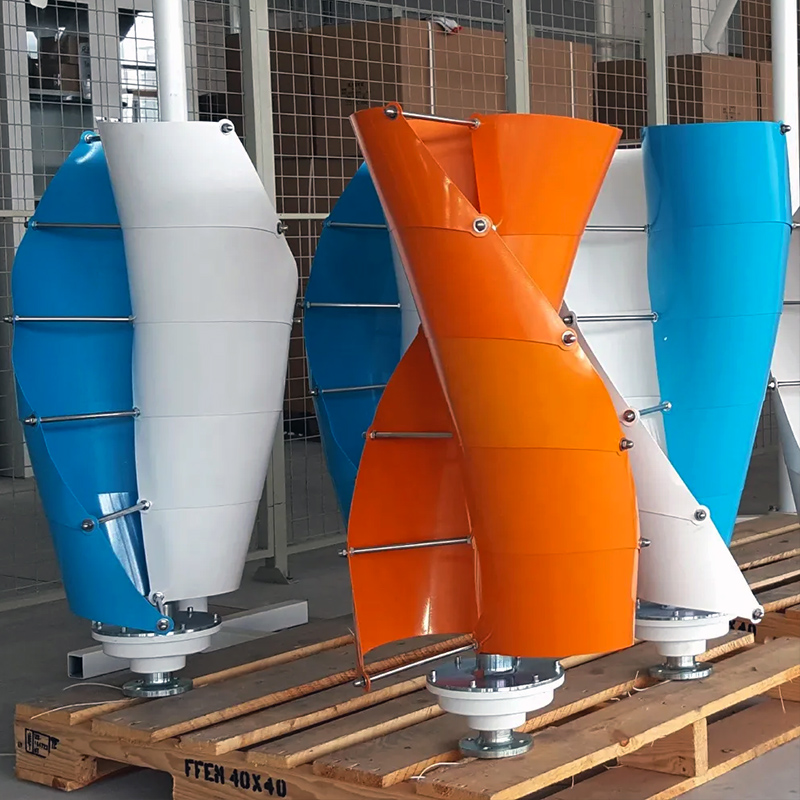
Proper installation is essential for maximizing the performance of wind vertical generators. The installation process may vary depending on the application, whether residential, agricultural, or commercial. Here are some considerations:
Site Assessment: Conduct a wind site assessment to determine the average wind speed and direction. This information will help identify the optimal location for installation.
Foundation Requirements: Ensure that the foundation is robust enough to support the generator’s weight and withstand environmental stresses. The foundation design may vary based on soil conditions and local regulations.
Height and Placement: Positioning the generator at an adequate height can significantly improve its efficiency. Avoid placing it too close to buildings or trees that may obstruct wind flow.
Electrical Connections: Proper wiring and connections are vital for safety and performance. Work with qualified electricians to ensure compliance with local electrical codes.
Maintenance Access: Design the layout to allow easy access for routine maintenance and inspections, which are critical for long-term performance.
Solar wind energy systems are main focus. With Wind turbine chain management expertise integration capabilities, we are able provide customers with totally customized solutions. offer professional service throughout the day starting from design, production and after-sales.
most renowned brand wind-powered hybrid power systems DHC the only company with own wind turbine factory that combines R D, design, production technical support. Since 2009, our founders have practiced the 2kw vertical wind turbine of environmental protection and have been immersed in the latest energy sources and have adhered the company's culture that focuses on "diligence and honesty, collaboration, and creativity." Our brand DHC is the consequence of this.
main products include wind Wind turbine for home 5kw solar panels. Customers can avail an all-in-one service integration development of wind-solar hybrids as well as smart photovoltaic system. With excellent delivery ability, DHC provides reliable technologies and products, as well as after-sales service customers.
Integrity is foundation of our company. offer real power equipment, as well as skilled wind turbine and generator. In the case of wind turbines, {you can pay attention it is important to commitment to integrity the basis of our business. We provide genuine power equipment, as well as expert service. Consider parameters such as blade diameter as well as wind turbine weight when looking at wind turbines. DHC promises that its products are able to deliver real power without exaggerating the power.
While wind vertical generators are designed for durability, they can encounter specific issues that may affect their performance. Here are some common problems and their potential solutions:
Noise Issues: If the generator produces excessive noise, check for loose components or misaligned parts. Regular maintenance can help address these issues before they escalate.
Underperformance: If the generator does not produce the expected power output, assess the installation site for wind obstructions or miscalculations in expected wind speeds.
Mechanical Failures: Regular inspections can help identify wear and tear on mechanical parts. If issues arise, consult the manufacturer for replacement components or repair services.
Electrical Problems: Ensure that electrical connections are secure and free from corrosion. Any issues with wiring should be addressed by qualified professionals to prevent safety hazards.
By understanding these common challenges, buyers can take proactive steps to ensure the efficient operation of their wind vertical generators.
In summary, selecting the right wind vertical generator involves careful consideration of various factors, from understanding specifications to ensuring proper installation and anticipating potential issues. As an experienced manufacturer in the renewable energy sector, Jiangsu DHC Environmental Si-Tech Co., Ltd. is well-equipped to provide tailored solutions for your energy needs.
Welcome to DHC, the top brand of wind solar hybrid power system! We provide innovative and effective new energy solutions including wind turbine, solar panel, lifepo4 battery, etc.




 EN