When considering renewable energy solutions for residential applications, a windmill generator for home use stands out as a viable option. These systems harness wind energy to generate electricity, providing an eco-friendly alternative to traditional power sources. For purchasing managers and engineers, key concerns include product performance, quality, installation requirements, and overall cost-effectiveness. This article will guide you through evaluating windmill generator, understanding cost factors, identifying common issues, and exploring their applications in residential energy solutions.
Evaluating the quality of windmill generators involves assessing several key specifications and features. Start by considering the generator's power output, typically measured in watts. This figure should match your energy requirements; vertical windmill generator that produce insufficient power can lead to increased reliance on grid energy, negating the benefits of wind power.
Next, examine the materials used in the generator's construction. High-quality materials contribute to durability and performance. For instance, corrosion-resistant components are essential for outdoor installations, as they will be exposed to varying weather conditions. Additionally, consider the manufacturing process and quality control measures. A reputable manufacturer, like Jiangsu DHC Environmental Si-Tech Co., Ltd., will have rigorous testing protocols to ensure reliability and efficiency.
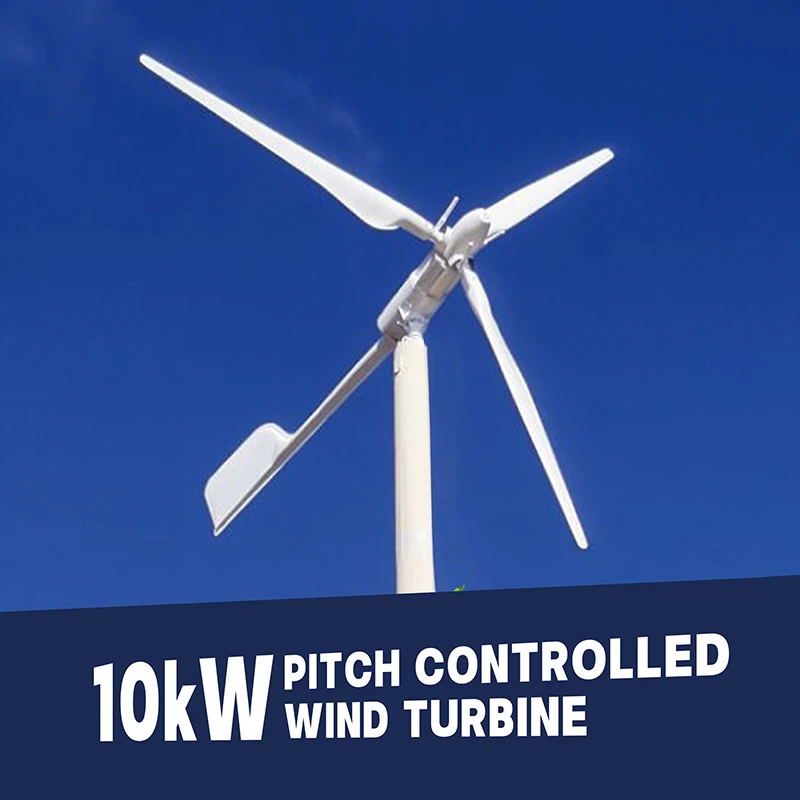
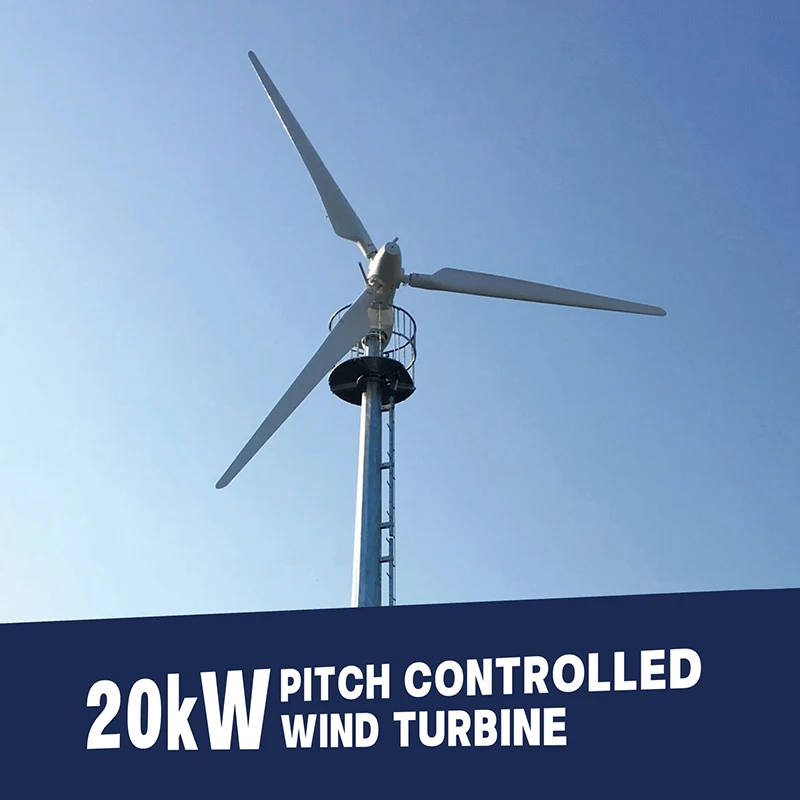
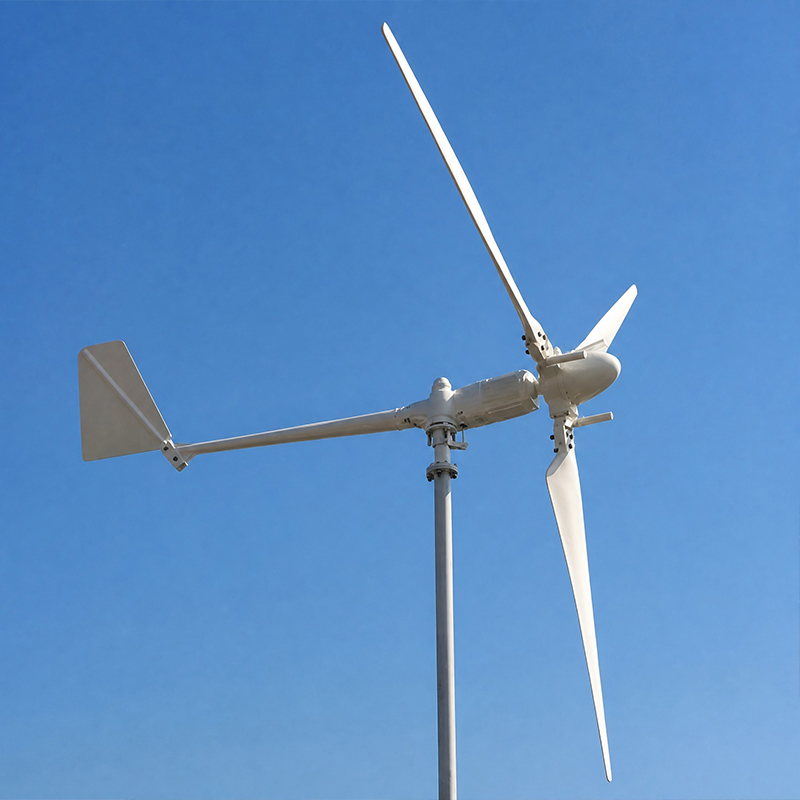
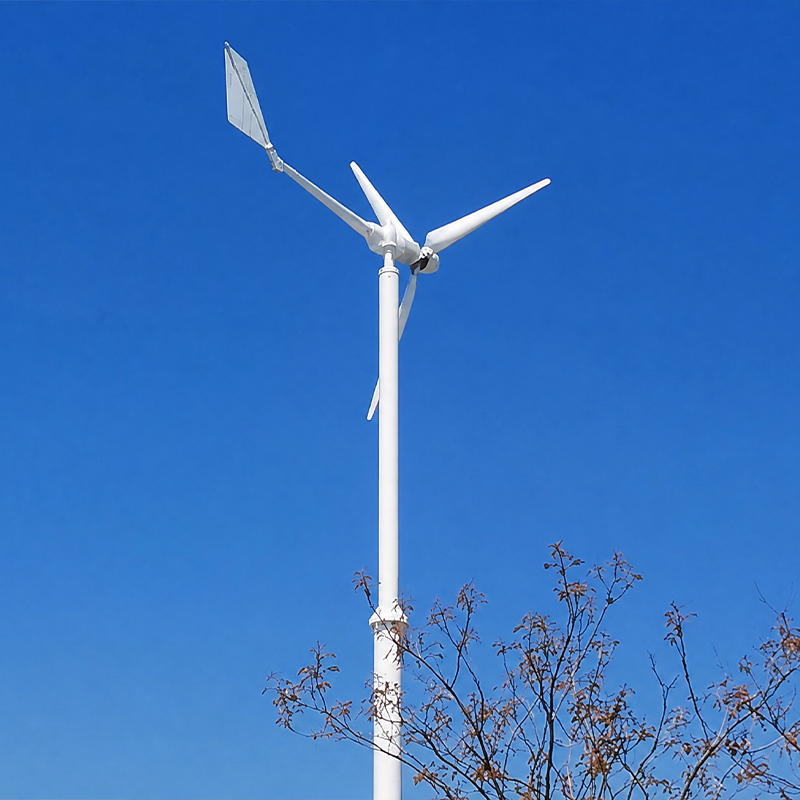
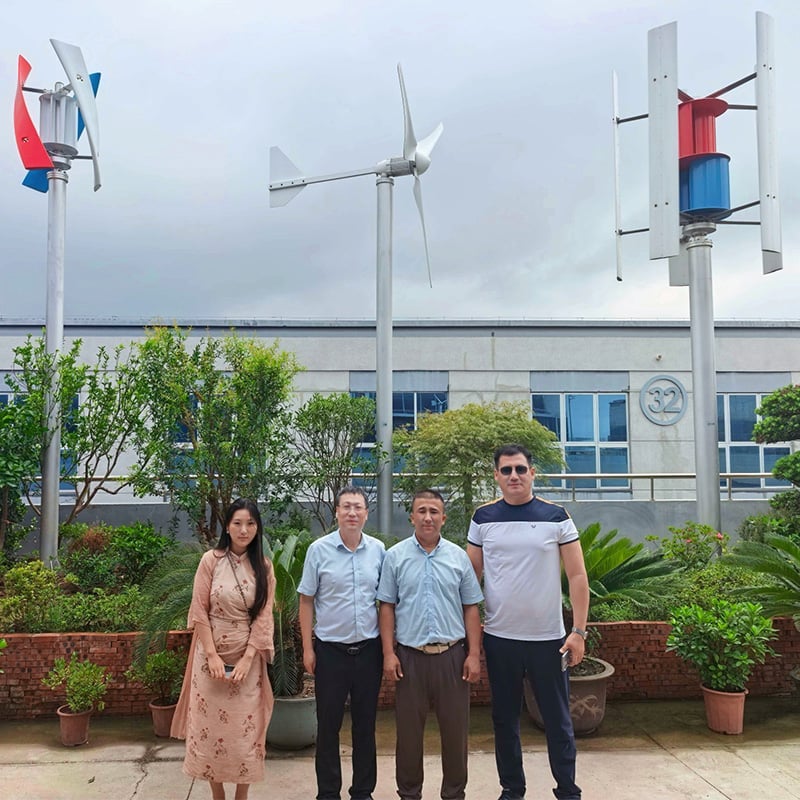
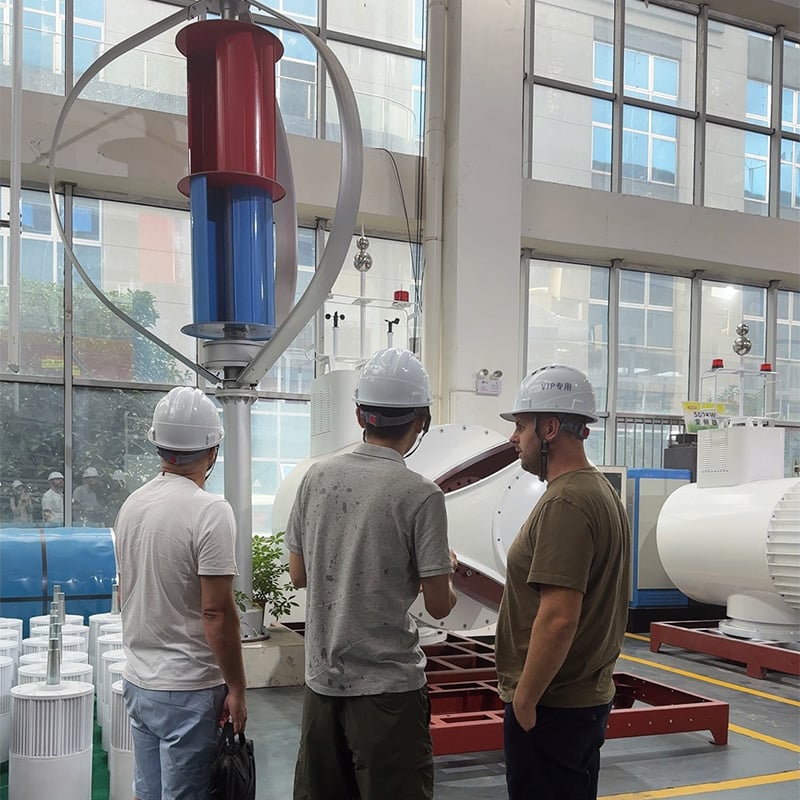
Another critical aspect to review is the wind turbine's design. Horizontal-axis turbines are the most common and effective for home use, but vertical-axis options may be suitable for specific situations, especially in areas with turbulent wind patterns. Assess the turbine's rotor diameter and height, as these dimensions directly influence the amount of energy captured. Finally, ensure that the generator complies with relevant certifications and standards, which can provide additional assurance of quality and safety.
When purchasing windmill generators in bulk, several cost factors come into play that can significantly impact your overall investment. First and foremost, consider the unit price, which can decrease with higher quantities due to economies of scale. However, it's essential to evaluate the total cost of ownership, including installation, maintenance, and operational expenses.
Shipping and handling fees are also crucial. As windmill generators can be bulky and heavy, these costs can add up quickly. Ensure that your supplier provides transparent shipping quotes and explores bulk shipping options to minimize expenses. Additionally, inquire about packaging methods, as proper packaging can prevent damage during transit, ultimately saving costs on replacements or repairs.
Another component affecting cost is customization. If your project requires specific features or modifications, be prepared for potential increases in price. Custom solutions might involve longer lead times, which should be factored into your project timeline. Finally, keep an eye on any government incentives or rebates for renewable energy installations, as these can offset initial costs significantly.
To streamline the purchasing process for windmill generators, follow a structured approach:
Define Your Power Needs: Determine your energy consumption patterns to identify the appropriate generator size and output.
Research Suppliers: Look for reputable manufacturers like Jiangsu DHC Environmental Si-Tech Co., Ltd. that specialize in wind and solar hybrid systems and have a solid track record in the industry.
Request Quotations: Prepare a detailed Request for Quotation (RFQ) that includes your specific requirements, such as model, dimensions, quantity, and any customization needs.
Evaluate Samples: Before committing to a bulk order, request samples to assess performance and quality. Test these samples under conditions that simulate actual usage.
Review Contracts: Carefully read through supplier contracts, focusing on warranty terms, delivery timelines, and payment conditions.
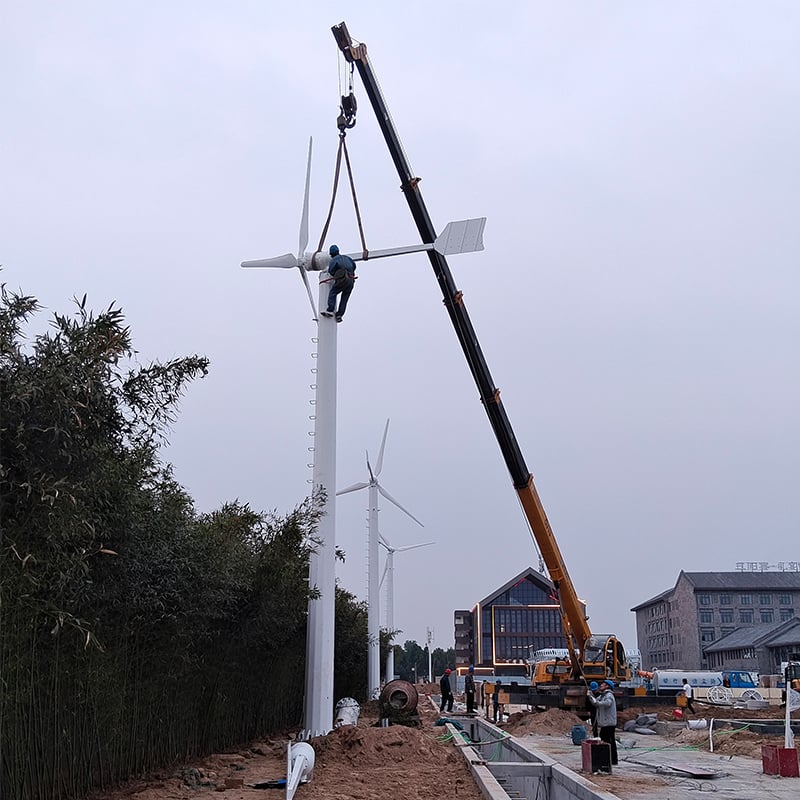
Plan Installation: Coordinate with installation teams early to ensure proper setup and compliance with local regulations.
Monitor Performance: After installation, track the generator's performance to ensure it meets your energy needs and identify any maintenance requirements.
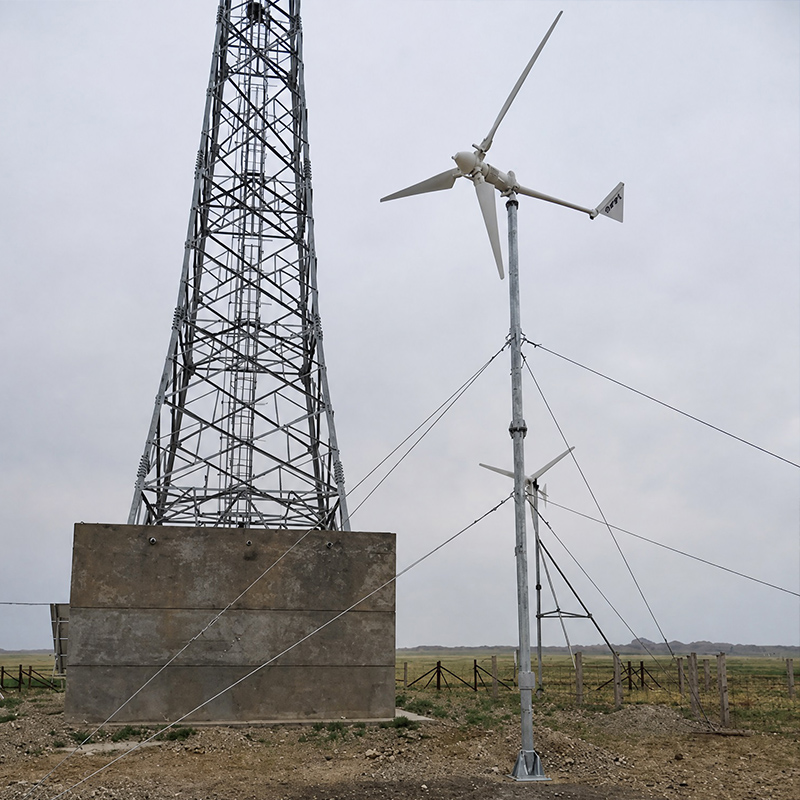
Home windmill generators can present challenges that buyers should be aware of. One common issue is insufficient power generation, which can occur if the turbine is not installed in an optimal location. To mitigate this, conduct a site assessment to identify wind patterns and select a location with consistent wind flow, ideally above the tree line or away from obstructions.
Another frequent problem is mechanical failure due to poor-quality materials or manufacturing defects. To prevent this, purchase from reputable manufacturers that provide quality guarantees and warranty support. Regular maintenance checks, such as inspecting the blades and electrical connections, can also help identify and resolve issues before they escalate.
Noise is another concern that can arise with certain windmill models, particularly those with poorly designed rotors. If noise is an issue, consider models specifically designed for quiet operation or opt for smaller turbines that generate less sound. Additionally, familiarize yourself with local regulations regarding noise levels to ensure compliance.
are dedicated to meeting commercial domestic electricity needs with wind solar power system. able to provide customers with fully customized solutions with our professional capability managing supply chains capabilities 15kw wind turbine for home. We'll provide professional service throughout day beginning with design, production and after-sales.
As leading brand wind-powered hybrid power systems DHC is only company with its own wind turbine factory, which combines R D, design, production, technical services. Since 2009 founders have embraced the idea of protecting the environment, immersed new technologies, and Wind turbine for home 5kw by the corporate values that focuses "diligence and integrity, as well as cooperation and creativity." This is also the origin of our name "DHC".
primary products wind turbines, solar panels and lifepo4 batteries. customers will receive a one-stop-shop service the integration and Wind turbine a wind-solar hybrid as well as smart photovoltaic system. DHC provides reliable products, technologies, and after-sales service to customers with excellent delivery capability.
Integrity the cornerstone of company. offer real power solutions offer an expert service. {When it comes to wind turbines, {you can pay attention it is important to Integrity is the foundation our company. We offer real power equipment, as well as skilled service. You can consider parameters like blade diameter as well as wind you should pay attention aspects like blade's diameter as well as weight. promise that all products produced by DHC come with Vertical wind turbine power output and not overinflated power.
Windmill generators have a variety of applications in residential energy solutions, making them a versatile choice for homeowners and small businesses. They can effectively power household appliances, lighting, and even electric vehicles, contributing to energy independence and reduced electricity bills.
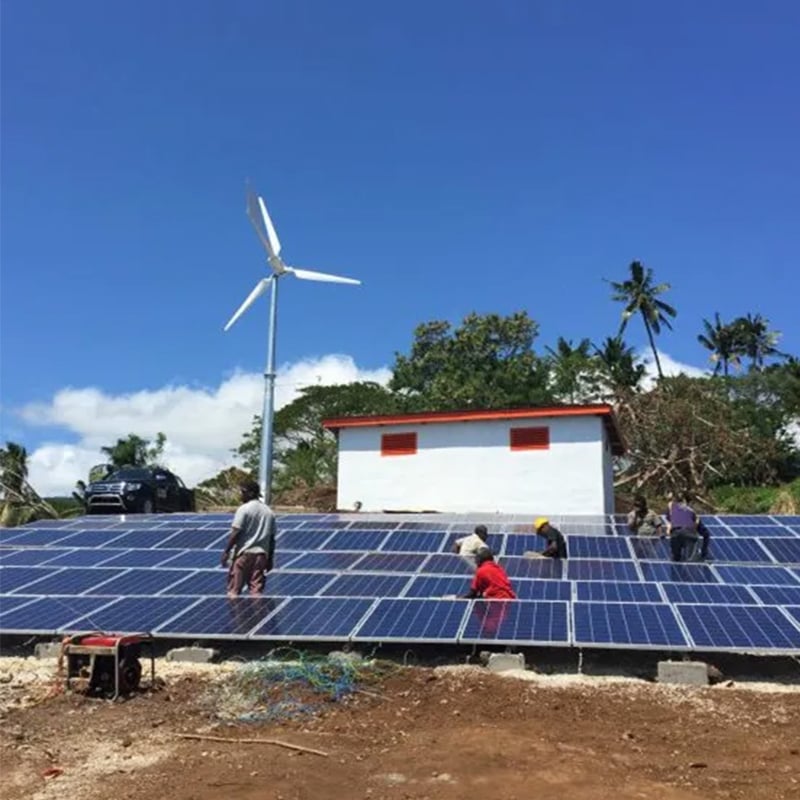
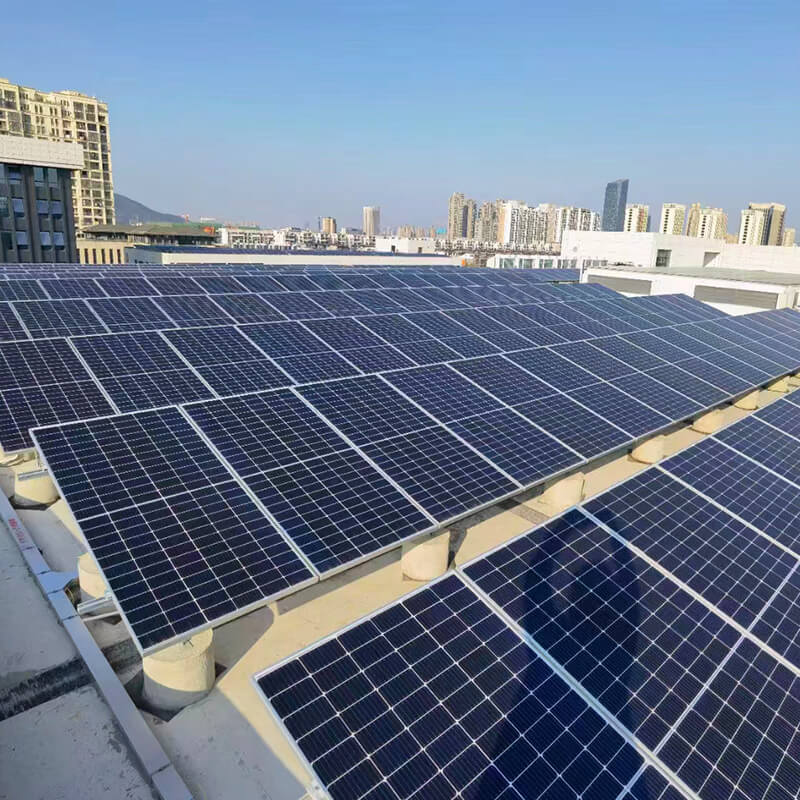
In remote areas where grid access is limited or non-existent, windmill generators provide a reliable energy source, enabling residents to power essential systems like heating and refrigeration. Moreover, they can be integrated into existing solar power systems, creating a hybrid energy solution that maximizes energy capture throughout different weather conditions.
For farms, windmill generators can power irrigation systems, livestock operations, and other essential functions, enhancing sustainability and reducing reliance on fossil fuel-based energy sources. As the demand for renewable energy solutions continues to grow, the adoption of wind turbine generator offers a practical path toward energy efficiency and environmental responsibility for residential applications.
Welcome to DHC, the top brand of wind solar hybrid power system! We provide innovative and effective new energy solutions including wind turbine, solar panel, lifepo4 battery, etc.
 EN