The 50kW wind generator is a powerful renewable energy solution that can significantly contribute to sustainable energy generation for various applications. As a purchasing manager or distributor, you may be focused on evaluating quality, specifications, and supplier reliability. This article will provide insights into how to assess 50kW wind generators, key specifications to consider, sourcing reliable suppliers, cost factors for bulk orders, and installation guidance to maximize efficiency.
When evaluating the quality of 50kW wind generators, consider several factors that impact performance and durability. First, examine the materials used in the construction of the generator. High-grade steel and corrosion-resistant coatings are essential for longevity, especially in harsh environments. Next, check for certifications such as IEC 61400, which ensures that the wind turbine meets international safety and performance standards.
Quality control processes are also crucial. Look for suppliers that adhere to strict manufacturing protocols and conduct regular inspections throughout the production process. A reputable manufacturer will provide documentation of quality assurance practices, including testing results and compliance with local regulations.
Additionally, assess the overall design and engineering of the wind generator. Pay attention to the rotor design, efficiency ratings, and power output consistency. A well-engineered turbine will not only maximize energy capture but also minimize maintenance requirements.
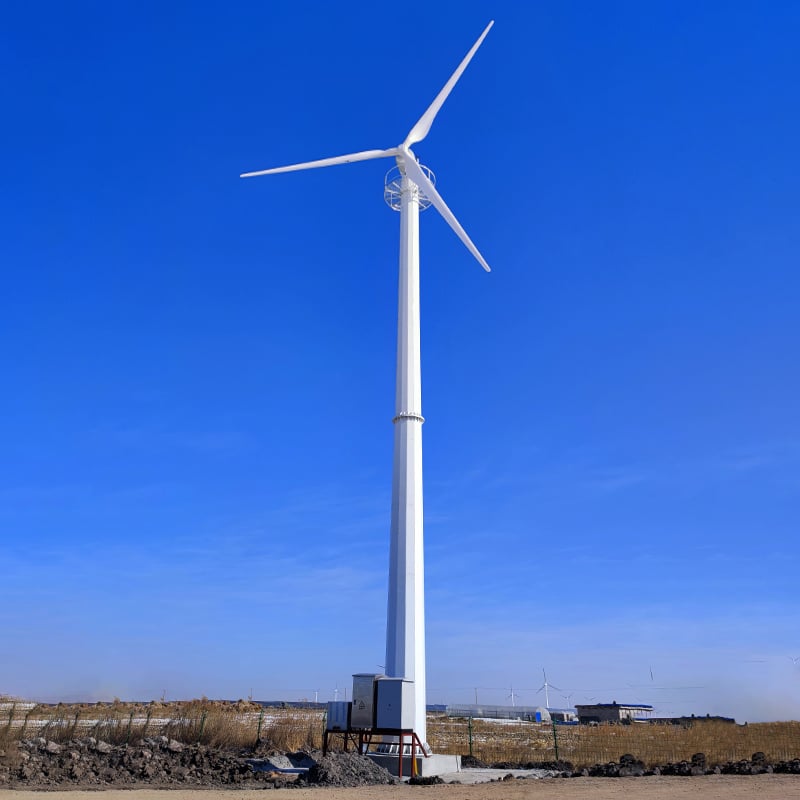
When it comes to specifications, several key parameters should be compared to ensure you are selecting the right 50kW wind generator for your needs. Here are the most critical specifications to consider:
Cut-in Wind Speed: The minimum wind speed at which the turbine begins to generate power. A lower cut-in speed can lead to increased energy production in low-wind areas.
Rated Wind Speed: The wind speed at which the generator produces its rated output (50kW). This specification can help determine performance under typical wind conditions.
Survival Wind Speed: The maximum wind speed the generator can withstand without damage. This is vital for ensuring reliability in extreme weather conditions.
Blade Length and Material: Longer blades typically capture more wind energy. The material should be lightweight yet strong, often composite materials are preferred for their durability.
Generator Type: Look for details about whether the generator is synchronous or asynchronous, as this affects efficiency and maintenance.
Control System: Advanced control systems can optimize performance by adjusting the turbine's angle or speed based on wind conditions.
These specifications should align with the expected operating environment and energy requirements of your project.
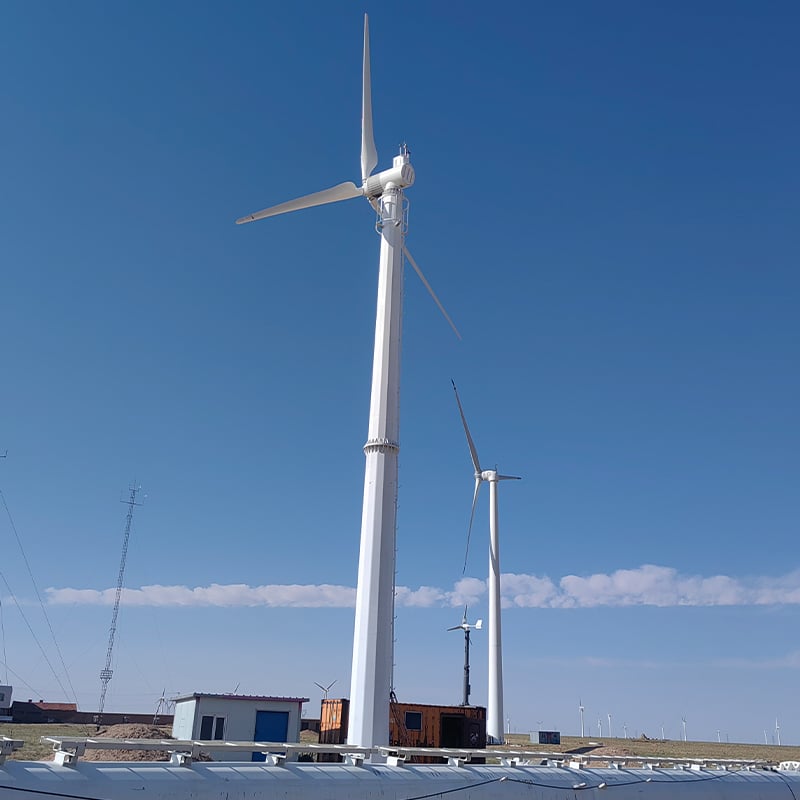
Sourcing reliable suppliers for 50kW wind generators involves thorough research and due diligence. Start by exploring industry networks and trade shows dedicated to renewable energy, where you can meet manufacturers and distributors directly. Online platforms like trade directories and supplier marketplaces can also provide a wealth of options.
When evaluating potential suppliers, consider their experience in the industry. Companies like Jiangsu DHC Environmental Si-Tech Co., Ltd., with over 15 years of expertise in renewable energy, can offer insights into their product range and customization capabilities. Verify the supplier’s reputation through customer reviews and case studies, and ask for references from previous clients.
Additionally, assess the supplier’s production capabilities, including their quality control processes and certifications. A manufacturer that invests in R&D and has a strong supply chain partnership is likely to deliver innovative and reliable products.
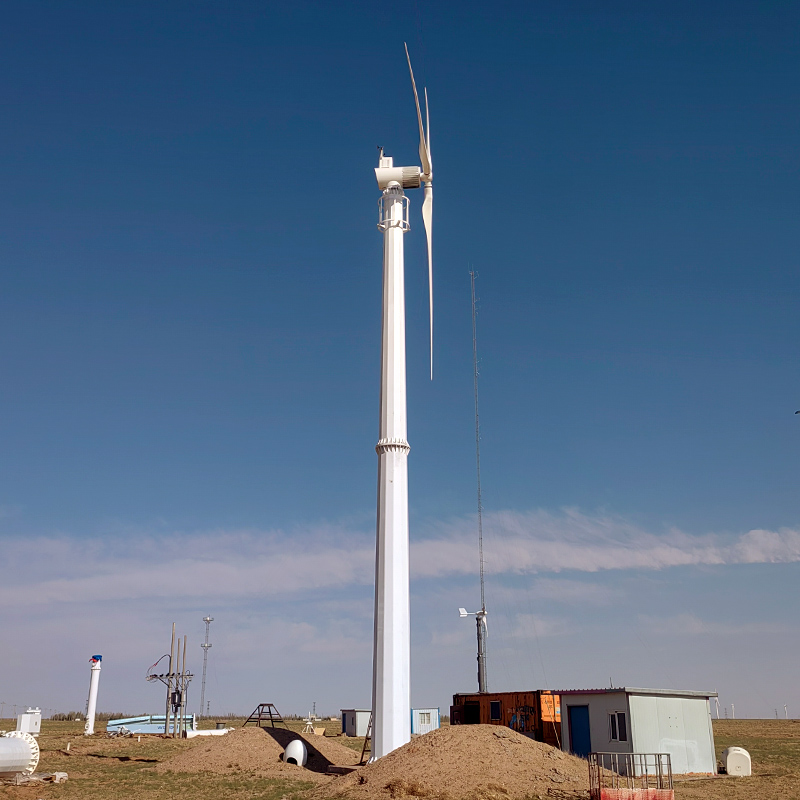
Cost is a significant consideration when purchasing 50kW wind generators in bulk. Start with the unit price, which can vary based on factors such as material quality, technology used, and customization options. Keep in mind that lower upfront costs may not always equate to lower lifetime costs, so consider the total cost of ownership, including maintenance and operational efficiency.
Another important factor is the minimum order quantity (MOQ). Many manufacturers have different pricing tiers based on order size, so negotiating for larger quantities can yield better pricing.
Additionally, factor in shipping and handling costs, especially if you are importing the generators. Understanding the delivery timeline and any potential tariffs or duties can also help you budget accurately.
Finally, consider the warranty and after-sales support offered by the supplier. A comprehensive warranty can save costs in the long run by covering potential repairs or replacements.
Integrity the cornerstone of company. offer real power solutions offer an expert service. {When it comes to wind turbines, {you can pay attention it is important to Integrity is the foundation our company. We offer real power equipment, as well as skilled service. You can consider parameters like blade diameter as well as wind you should pay attention aspects like blade's diameter as well as weight. promise that all products produced by DHC come with Vertical wind turbine power output and not overinflated power.
primary products wind turbines, solar panels and lifepo4 batteries. customers will receive a one-stop-shop service the integration and wind turbine generator a wind-solar hybrid as well as smart photovoltaic system. DHC provides reliable products, technologies, and after-sales service to customers with excellent delivery capability.
DHC is leading brand in the hybrid wind solar power systems. It has own factory that incorporates R D production, design, and technical services. Since 2009 the founders DHC have been implementing the idea protecting the environment and have been immersed in the latest technology and Wind turbine the corporate values "diligence and integrity, co-operation and creativity." This is also the source of our name "DHC".
We're dedicated meeting commercial domestic electric power needs using wind/solar system. With professional supply chain management integration capabilities, can provide our customers with completely 2kw vertical wind turbine solutions. will only need know your exact needs from design, production, to after-sales support, will provide you with real-time professional assistance throughout day.
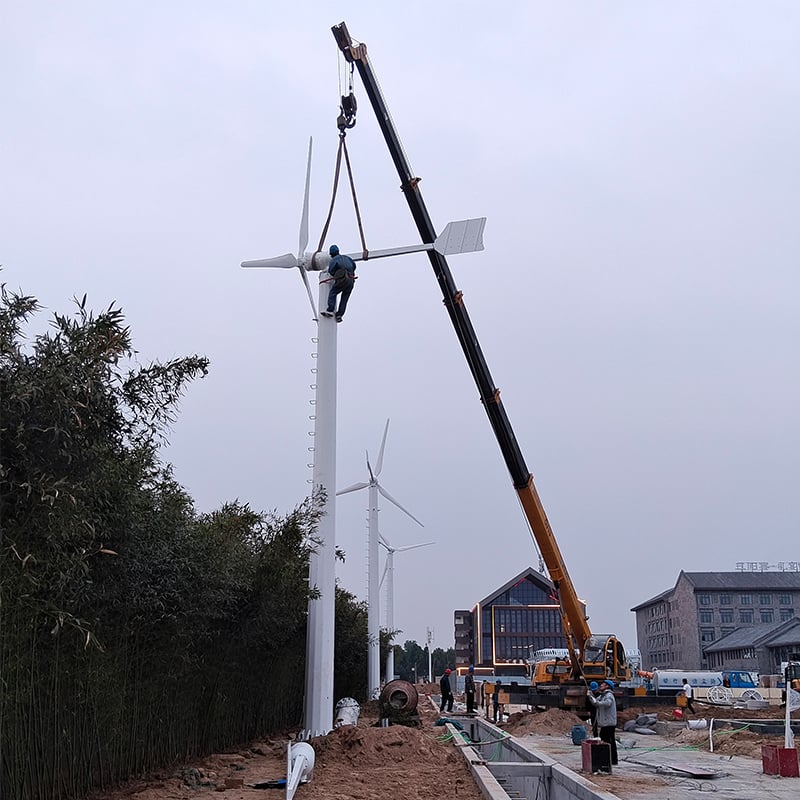
Proper installation is crucial for maximizing the efficiency of 50kW wind generators. Start by selecting an optimal site for installation, which should be free from obstructions such as buildings or trees that may block wind flow. Conduct a wind resource assessment to ensure that the average wind speeds at the site are suitable for the turbine’s operational requirements.
The installation process should follow the manufacturer’s guidelines meticulously. This includes securing proper foundations, anchoring, and electrical connections. Engage experienced technicians for installation to avoid common pitfalls such as misalignment or improper electrical wiring, which can lead to decreased performance or safety issues.
Post-installation, regular maintenance checks are essential for long-term efficiency. This includes inspecting the mechanical components, checking for any wear and tear, and ensuring that the control systems are functioning correctly. A proactive maintenance schedule can significantly enhance the lifespan and reliability of the wind generator.
By understanding these factors, you can make informed decisions regarding the purchase and implementation of 50kW wind generators, ensuring that you meet your energy needs effectively and sustainably.
Welcome to DHC, the top brand of wind solar hybrid power system! We provide innovative and effective new energy solutions including wind turbine, solar panel, lifepo4 battery, etc.




 EN