Residential vertical wind turbines are an innovative solution for harnessing wind energy in residential and small-scale applications. These turbines are designed to operate efficiently in various environments, providing a sustainable power source for homes, farms, and distributed power stations, we will explore how to choose the right residential vertical wind turbine for your needs, key considerations during the selection process, cost factors, common issues and solutions, and the various applications of these turbines. Understanding these aspects will help potential buyers make informed decisions when investing in renewable energy solutions.
Selecting the appropriate residential vertical wind turbine begins with assessing your energy requirements and environmental conditions. Key factors to consider include local wind speeds, the physical space available for installation, and your expected energy output.
Energy Needs: Calculate your average energy consumption to determine the turbine size and capacity required. A turbine with a higher wattage output will be necessary for larger energy demands.
Wind Speed: Analyze historical wind speed data for your location. Vertical wind turbines typically perform better in turbulent wind conditions, making them suitable for urban settings or areas with variable wind patterns.
Installation Space: Consider the physical footprint of the turbine. Ensure that you have adequate space for installation while factoring in any local zoning regulations or restrictions.
Customization Options: Look for manufacturers, like Jiangsu DHC Environmental Si-Tech Co., Ltd., that offer customizable solutions tailored to your specific needs, including rotor size, height, and power output.
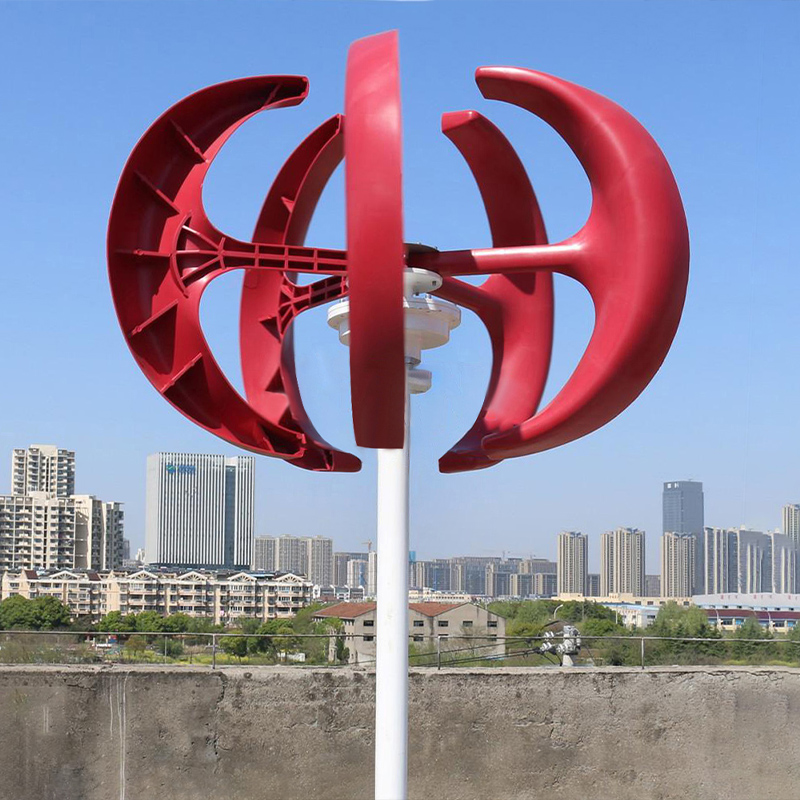
When choosing a residential vertical wind turbine, several critical considerations can impact the effectiveness and longevity of your investment:
Materials: The construction materials of the turbine will affect its durability and performance. Look for turbines made from high-quality, weather-resistant materials to withstand environmental stresses.
Design and Technology: Different turbine designs (e. g., Darrieus or Savonius) have unique performance characteristics. Research which design is most efficient for your specific wind conditions.
Noise Levels: Consider noise production as some turbines can create sound during operation. Choose models designed for quieter performance, especially if installed near residential areas.
Maintenance Requirements: Understand the maintenance needs of the turbine. Some models may require more frequent upkeep than others. Assess the manufacturer’s support for maintenance services or spare parts.
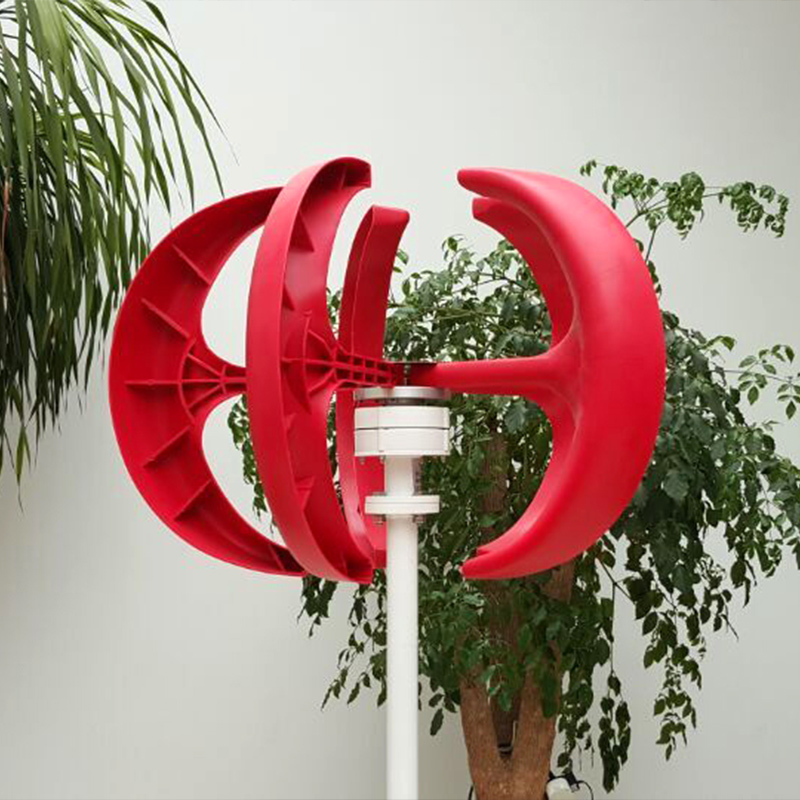
The cost of residential vertical wind turbines can vary significantly based on several factors:
Initial Purchase Price: This includes the cost of the turbine itself, installation, and any necessary permits. Be sure to obtain detailed quotes from multiple suppliers.
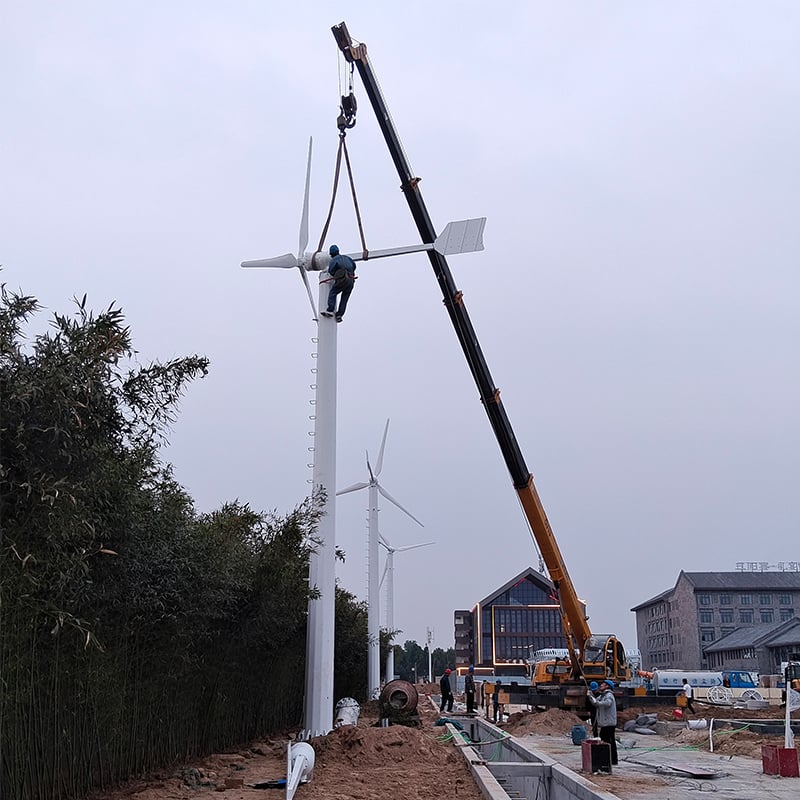
Installation Costs: Depending on the complexity of the installation, costs can vary. Hiring skilled technicians may incur additional expenses, but it ensures proper setup and functionality.
Operational Costs: Consider ongoing operational costs, including maintenance and potential repairs. Investing in a high-quality turbine can reduce these costs over time.
Incentives and Rebates: Check for local or national incentives for renewable energy investments. These can significantly offset the initial costs and improve the return on investment.
Return on Investment: Evaluate potential savings on energy bills over time, alongside any increase in property value due to energy independence.
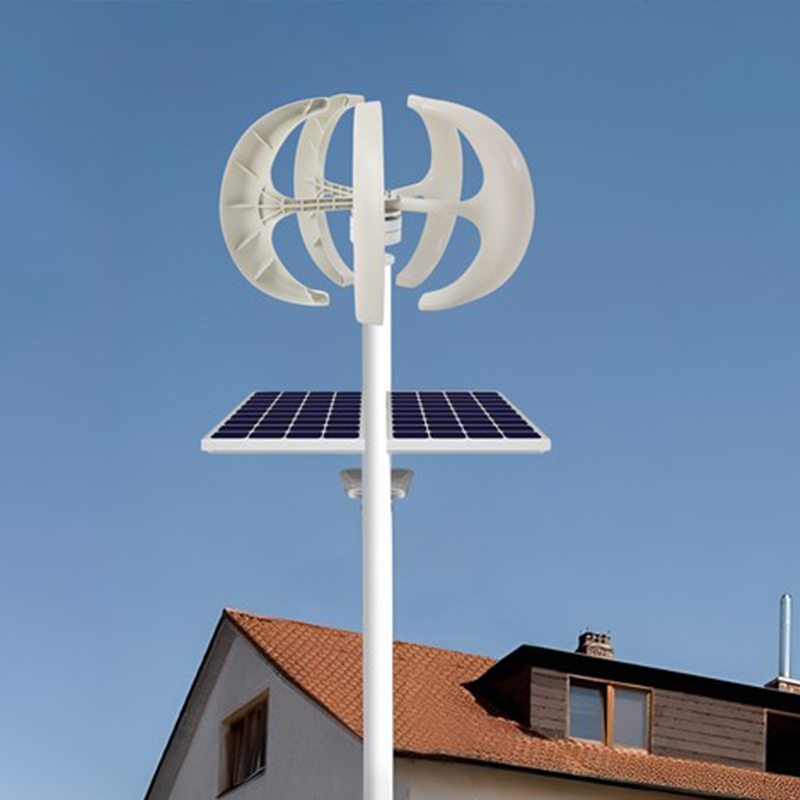
Despite their advantages, residential vertical wind turbines can encounter challenges. Here are some common issues and their solutions:
Low Wind Conditions: In areas with insufficient wind speeds, turbines may not generate adequate energy. It is crucial to select a turbine with a suitable cut-in wind speed or consider hybrid systems that integrate solar power.
Mechanical Failures: Turbines can experience mechanical issues due to wear or poor installation. Regular maintenance checks and using high-quality components can help mitigate these risks.
Noise Production: Some turbines may produce noise that can be disruptive. Opt for models specifically designed for quieter operation and ensure proper alignment during installation to minimize vibrations.
Regulatory Challenges: Local regulations may restrict turbine installations. Engage with local authorities early in your planning to ensure compliance and secure necessary permits.
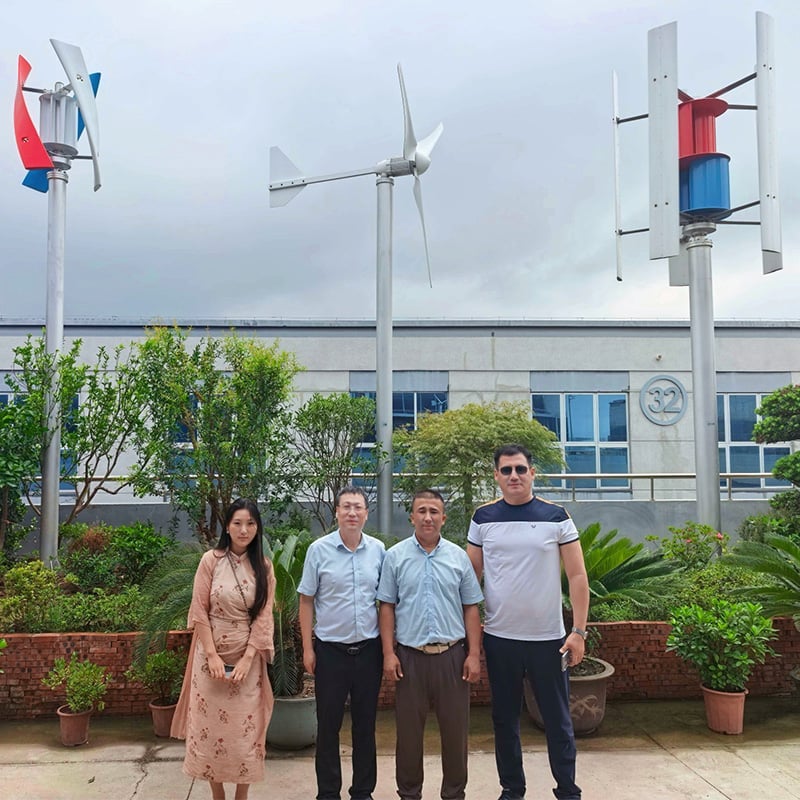
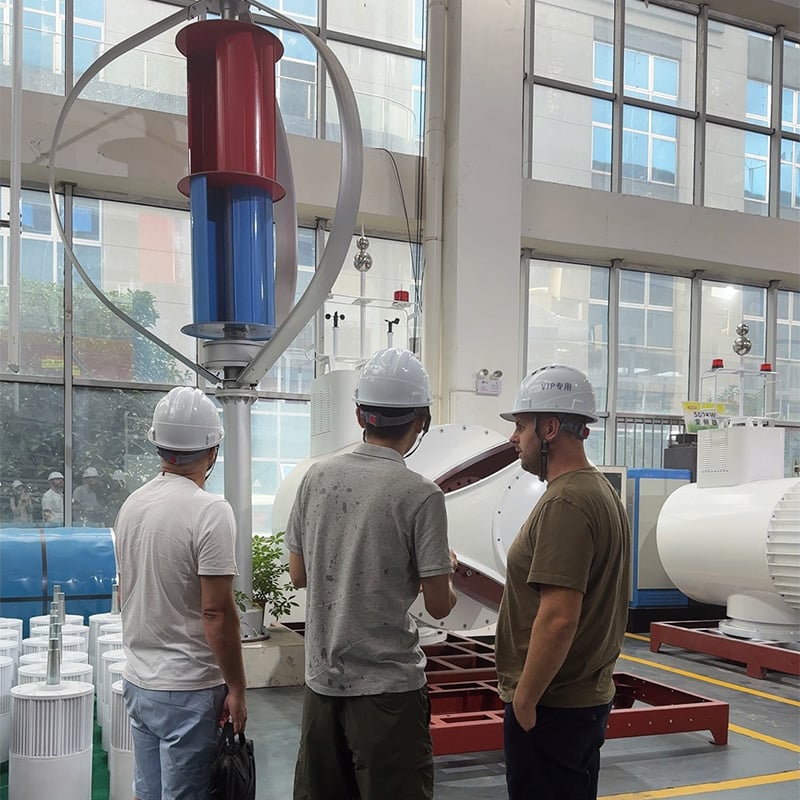
As most sought-after brand of wind solar hybrid power systems, DHC has own wind turbine factory integrating R D design, production and technical support. founders of DHC have been working on the idea green 2kw vertical axis wind turbine protection since 2009 and immersed in the world of renewable energy adhering to the company's values "diligence as well as honesty, cooperation and innovation." Our DHC brand DHC is the result of this.
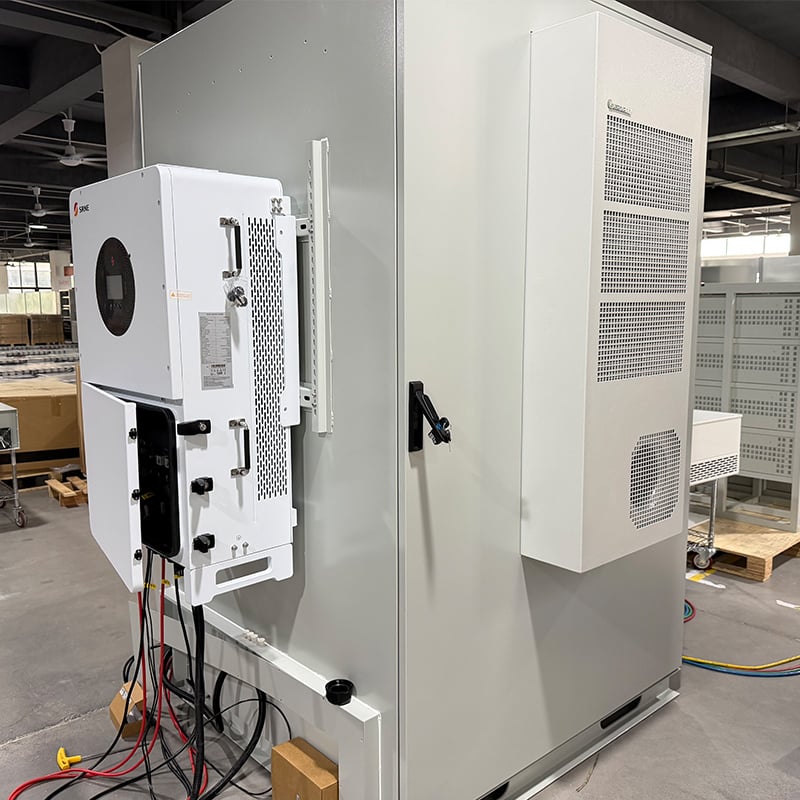
primary products wind turbines, solar panels and lifepo4 batteries. customers will receive a one-stop-shop service the integration and Vertical wind turbine a wind-solar hybrid as well as smart photovoltaic system. DHC provides reliable products, technologies, and after-sales service to customers with excellent delivery capability.
Integrity the cornerstone of company. offer real power solutions offer an expert service. {When it comes to wind turbines, {you can pay attention it is important to Integrity is the foundation our company. We offer real power equipment, as well as skilled service. You can consider parameters like blade diameter as well as wind you should pay attention aspects like blade's diameter as well as weight. promise that all products produced by DHC come with Vertical wind turbine power output and not overinflated power.
We're Eolic generator meeting commercial domestic electricity needs with wind/solar power system. can provide our customers with tailored solutions through skilled supply chain management capabilities and capabilities for integration. We'll provide high-quality service all hours of day beginning with design, production and after-sales.
Residential vertical wind turbines are versatile and can be applied in various settings:
Urban Homes: Ideal for city environments where space is limited and wind conditions are turbulent. Their compact design allows for rooftop installations without disturbing the aesthetics of the building.
Rural Properties: Farms and rural homes with ample land can benefit from larger turbines that generate significant power, potentially providing energy for agricultural operations.
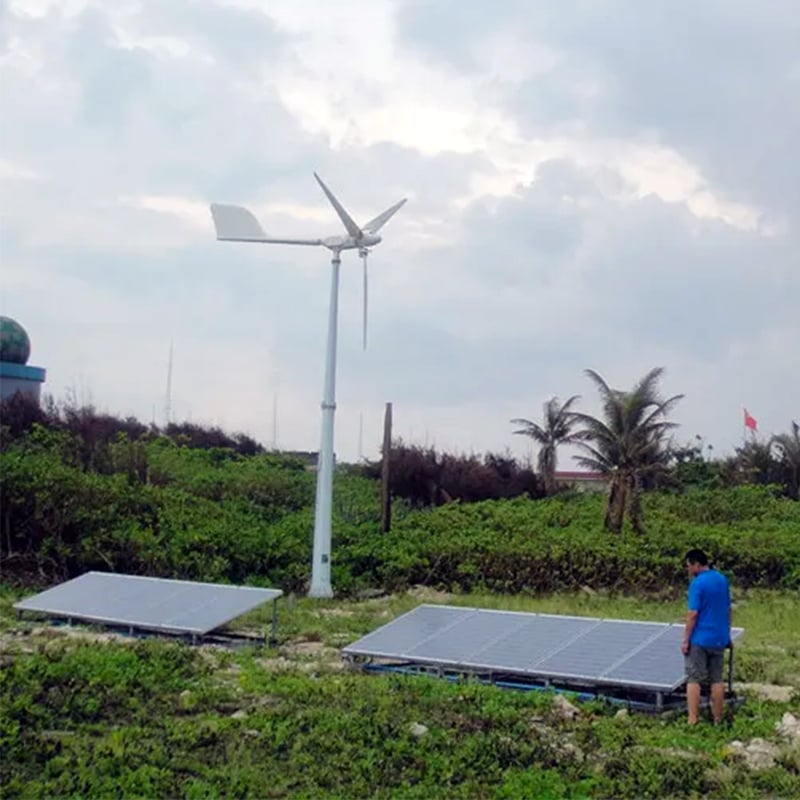
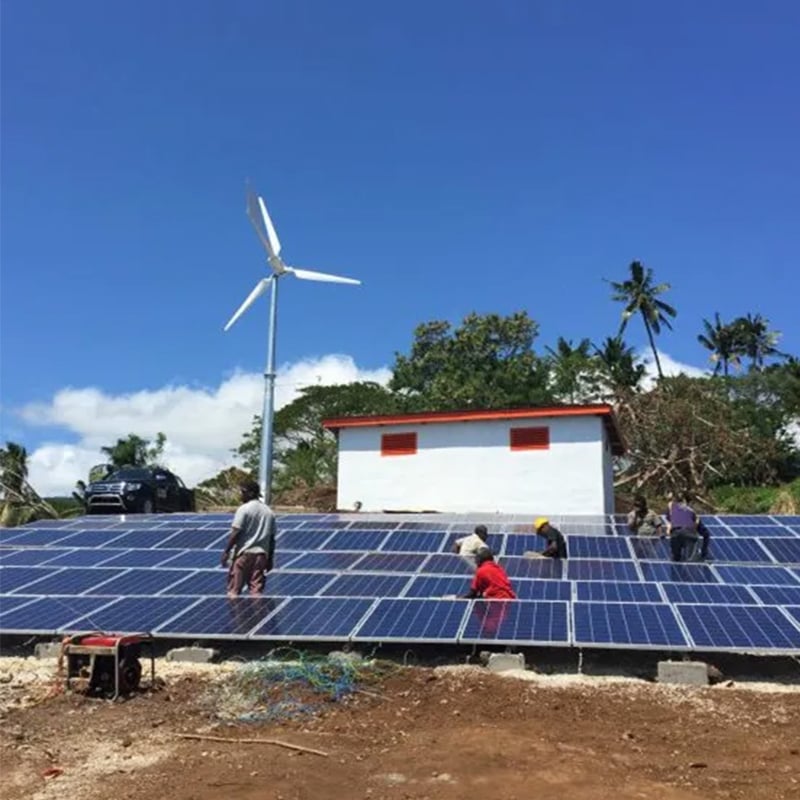
Remote Areas: In off-grid locations, vertical wind turbines can provide a reliable energy source when combined with solar systems or battery storage, ensuring a consistent power supply.
Community Energy Projects: Residential vertical wind turbines can be part of community-based renewable energy initiatives, supporting collective energy goals and reducing reliance on traditional power sources.
investing in a residential vertical wind turbine requires careful consideration of your energy needs, environmental factors, and the specific characteristics of the turbine itself. By understanding the factors that influence selection, cost, and potential challenges, buyers can make informed decisions that align with their sustainability goals. As a leading manufacturer in renewable energy solutions, Jiangsu DHC Environmental Si-Tech Co., Ltd. is well-equipped to support your transition to wind energy, offering customized solutions that meet your unique requirements.
Welcome to DHC, the top brand of wind solar hybrid power system! We provide innovative and effective new energy solutions including wind turbine, solar panel, lifepo4 battery, etc.
 EN