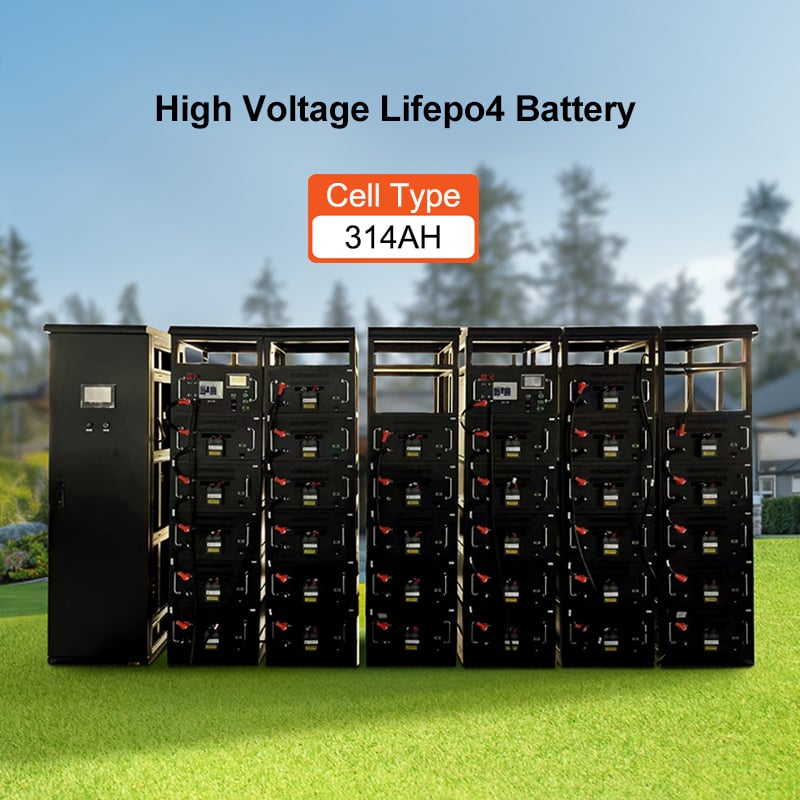
Residential windmills are an increasingly popular choice for homeowners and farms looking to harness renewable energy. These compact wind energy systems can significantly reduce electricity costs and provide a sustainable power source. However, potential buyers often have concerns regarding quality, performance, and installation. This article aims to address common buyer queries by providing insights into comparing bulk orders, identifying potential problems and solutions, exploring applications, and understanding the materials that enhance durability.
When comparing bulk orders of residential windmills, buyers should focus on several quality indicators. First, evaluate the manufacturer's experience and reputation in the renewable energy sector. Companies like Jiangsu DHC Environmental Si-Tech Co., Ltd., with over 15 years of experience and strong supply chain partnerships, often deliver better quality products.
Next, consider the specifications of the windmills, including power output, rotor diameter, and tower height. These wind turbine directly affect energy generation efficiency. It’s essential to request detailed datasheets and product samples to assess the materials and craftsmanship.
Lastly, check for certifications that indicate compliance with industry standards, such as IEC (International Electrotechnical Commission) standards for safety and performance. A reliable supplier will readily provide this information, ensuring transparency and trustworthiness in the procurement process.
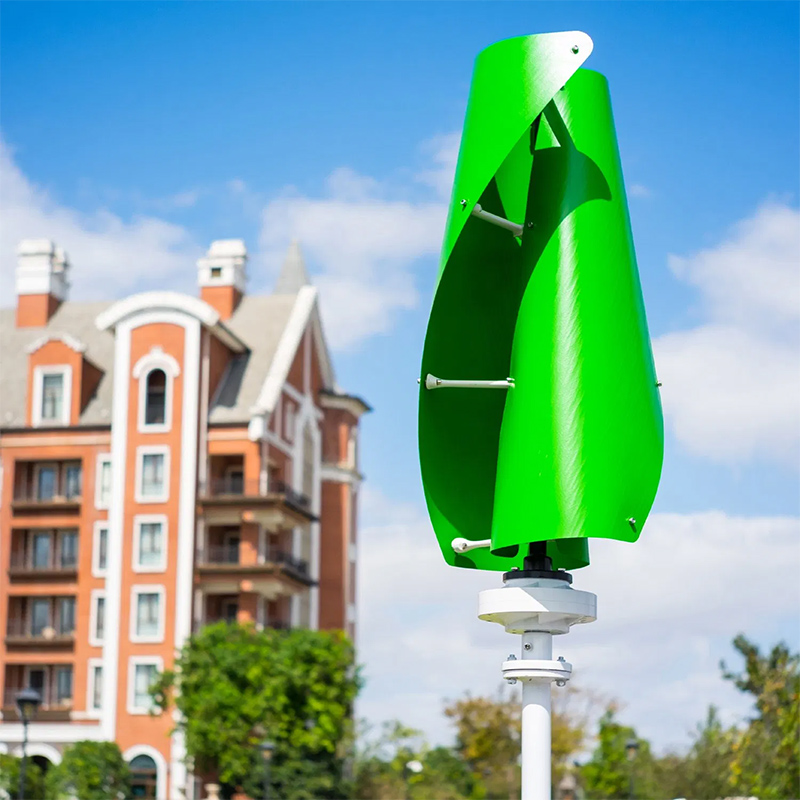
Define Your Requirements: Before reaching out to suppliers, clearly define your energy needs, installation site conditions, and desired features. eolic generator will streamline the selection process.
Request Samples: Always ask for physical samples or at least detailed product specifications and performance data before making a bulk purchase. Testing a sample under real-world conditions can help you determine if the windmill meets your requirements.
Evaluate Cost vs. Quality: While cost is a critical factor, prioritize quality over price. A lower initial cost may lead to higher long-term expenses due to maintenance or underperformance.
Engage with the Manufacturer: Discuss customization options with the manufacturer. Many companies offer tailored solutions based on specific needs, which can enhance the windmill’s efficiency and suitability for your application.
Consider Lead Times: Inquire about production times and delivery schedules. Ensure that the supplier can meet your project timelines to avoid delays in installation.
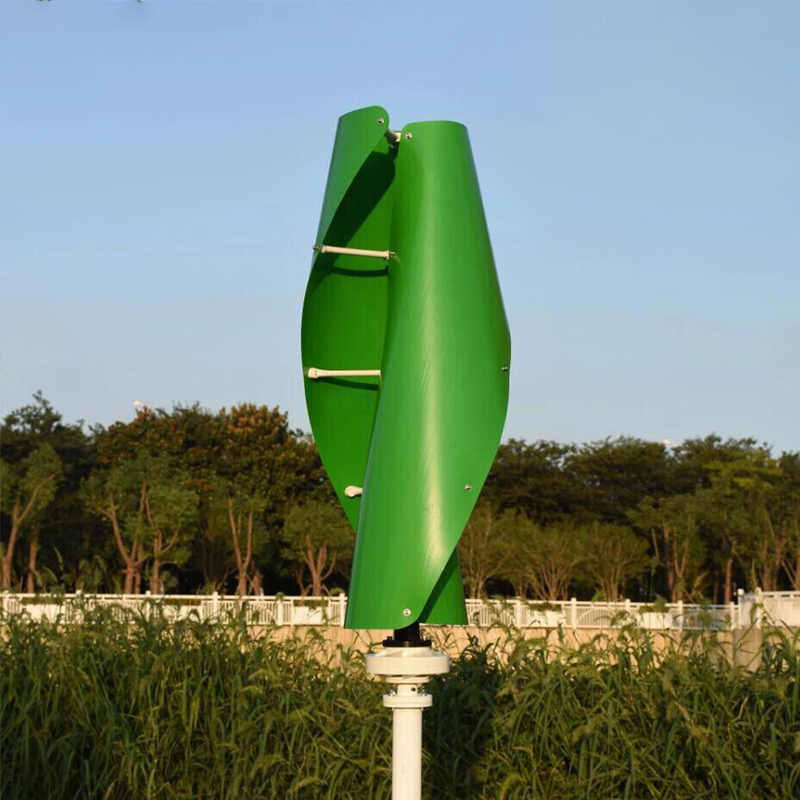
Despite their advantages, residential windmills can face several common issues. Buyers should be aware of these potential problems and their solutions:
Inadequate Wind Conditions: One of the most significant challenges is insufficient wind speed. Windmills require a minimum wind speed to operate efficiently. Conduct a site assessment to measure average wind speed and direction before installation.
Noise and Vibration: Some windmills may generate noise or vibration, which can be bothersome in residential areas. Choosing a model designed for quiet operation and optimizing installation height can mitigate these issues.
Mechanical Failures: Like any machinery, windmills can experience mechanical failures. Regular maintenance, including inspections of the rotor, gearbox, and electrical systems, can help identify and resolve issues before they become significant problems.
Regulatory Compliance: Ensure that the installation complies with local zoning laws and regulations. Engaging with local authorities early in the process can prevent delays or legal complications.
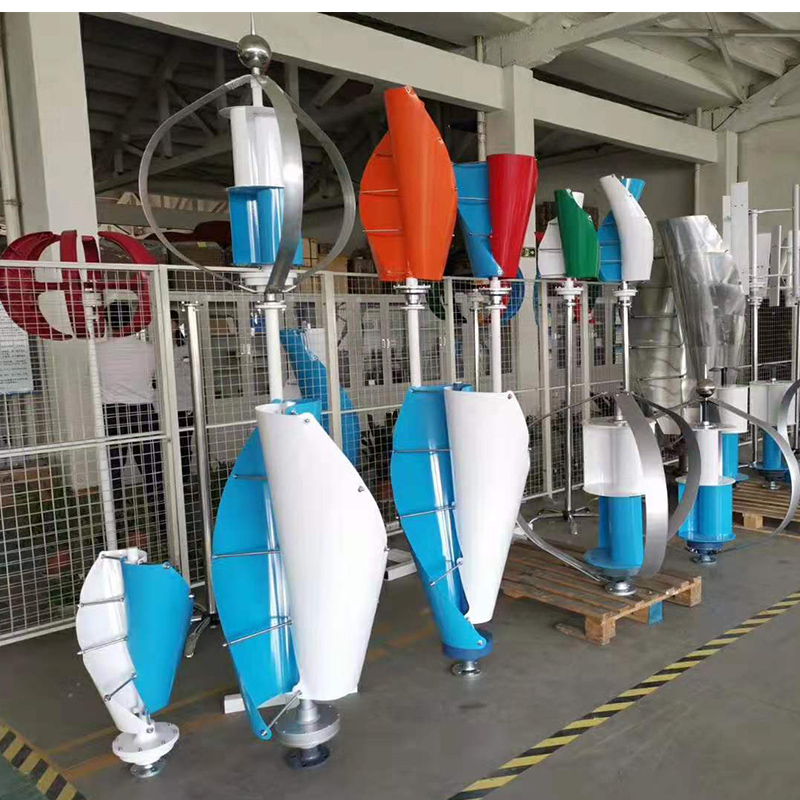
Residential windmills are versatile and can be applied in various settings, including homes and farms.
Homes: For residential use, windmills can power appliances, heating systems, and electric vehicles, contributing to significant cost savings on electricity bills. They are particularly effective in rural areas with ample wind resources.
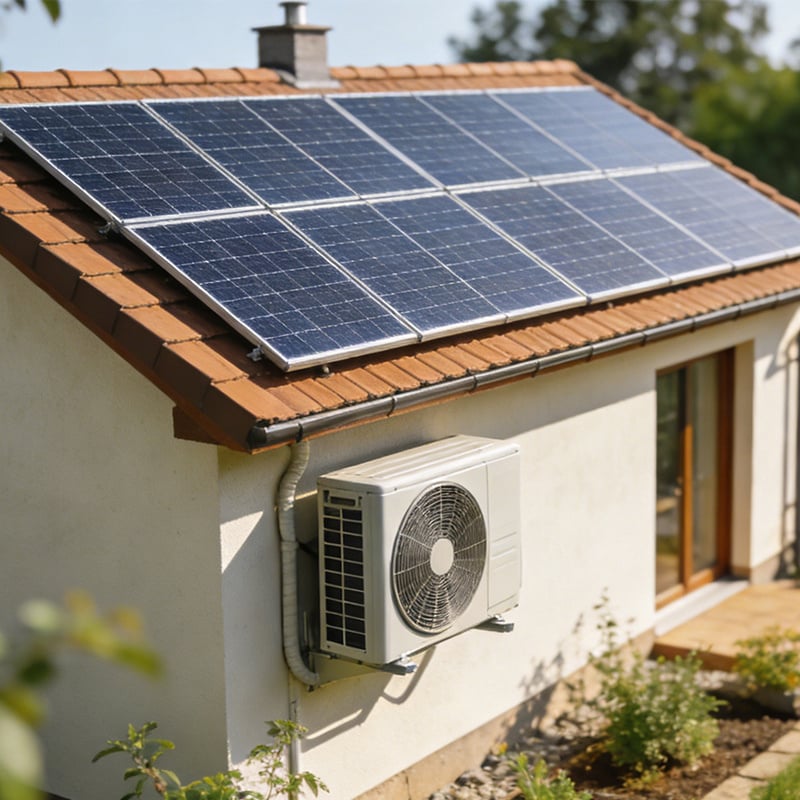
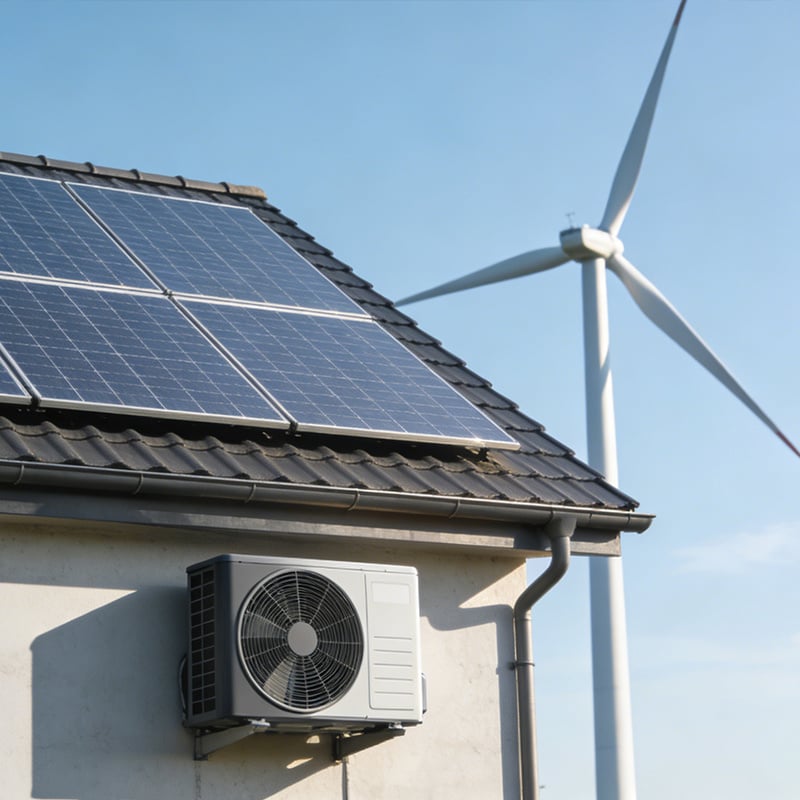
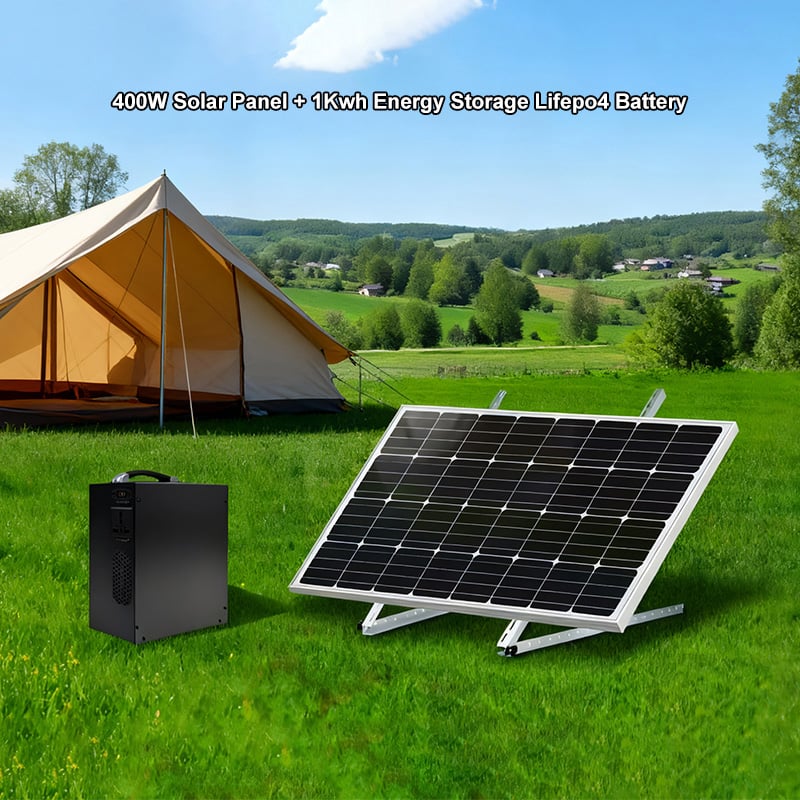
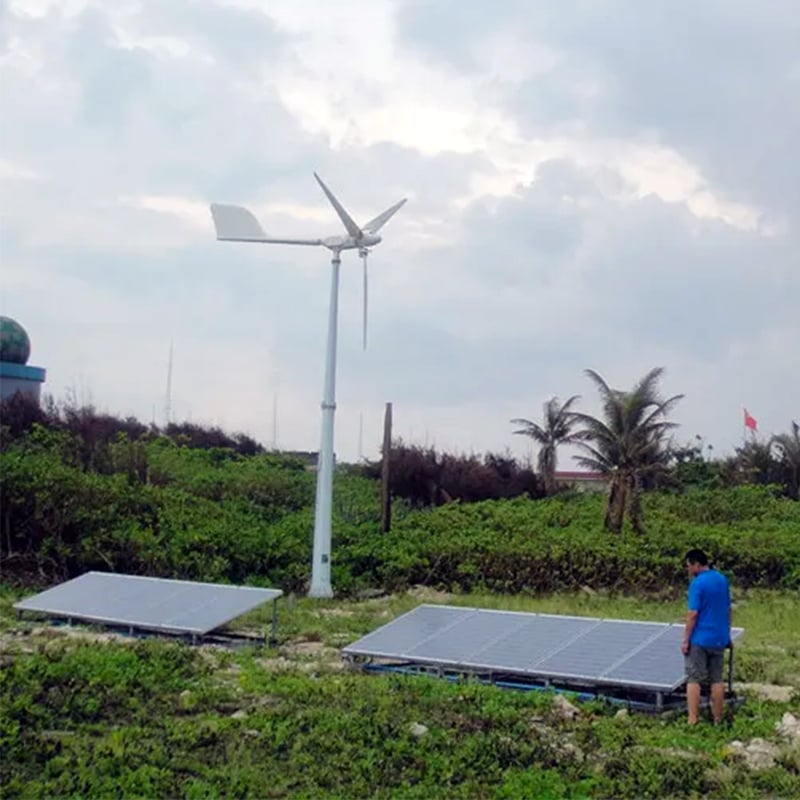
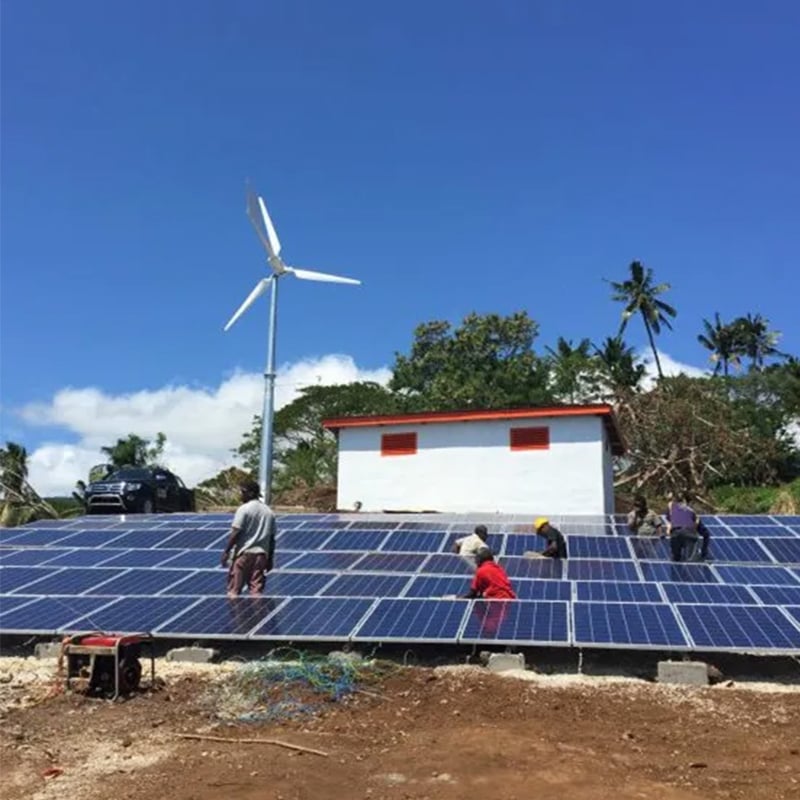
Farms: On farms, residential windmills can power irrigation systems, livestock facilities, and other equipment, reducing reliance on the grid. Additionally, they can be integrated with solar power systems to create a hybrid renewable energy solution, optimizing energy efficiency.
Remote Locations: In off-grid situations, windmills can provide a reliable energy source, enabling sustainable living in remote areas. 5000w wind turbine ability to generate power without fossil fuels aligns with eco-friendly initiatives and reduces carbon footprints.
As most sought-after brand wind solar hybrid power systems, DHC has own wind turbine factory, which combines R D design, production, technical services. Since 2009 our founders have been living the idea protecting the environment, wind turbine and generator in new energy, adhered to our corporate culture of "diligence and honesty, co-operation and the pursuit of creativity." This is also the basis of our name "DHC".
Integrity is foundation of our company. offer real power equipment, as well as skilled Wind turbine. In the case of wind turbines, {you can pay attention it is important to commitment to integrity the basis of our business. We provide genuine power equipment, as well as expert service. Consider parameters such as blade diameter as well as wind turbine weight when looking at wind turbines. DHC promises that its products are able to deliver real power without exaggerating the power.
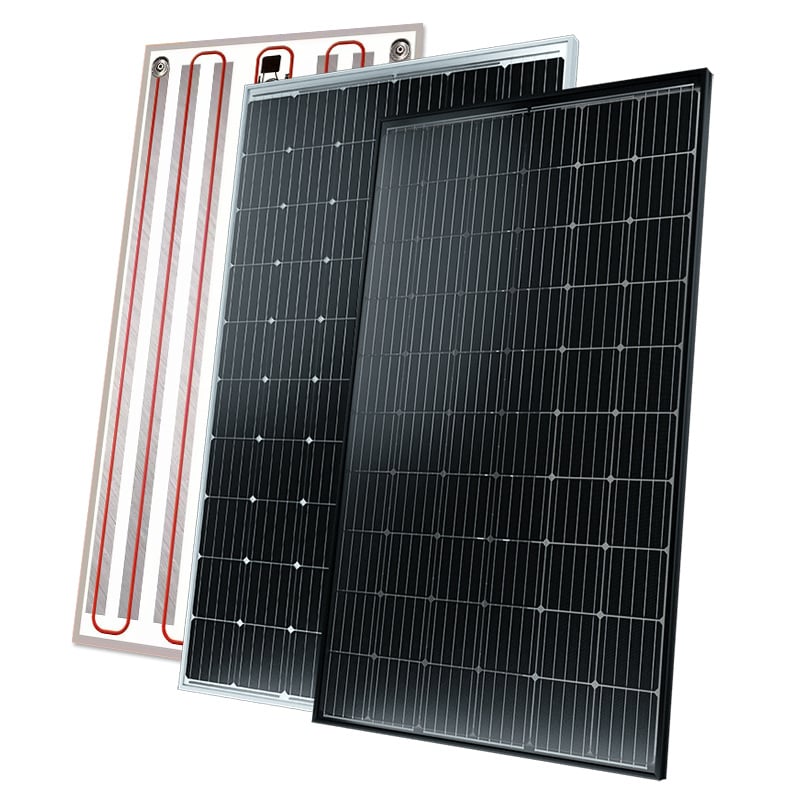
Our main products include wind turbines solar panels. can provide customers with all-in-one service for design and integration smart photovoltaic systems, as well as wind-solar hybrid systems. DHC is reliable supplier products, technologies after-sales 2kw vertical wind turbine customers with its excellent delivery capability.
Solar wind power systems are our primary focus. offer customers custom solutions using our expert supply 5000w wind turbine management capability's ability integrate. Simply tell us about your specific requirements, from design, production, to after-sales support, we will provide with real-time professional services throughout the day.
The durability of residential windmills is heavily influenced by the materials used in their construction. Buyers should consider the following material advantages:
Corrosion Resistance: Windmills are often exposed to harsh weather conditions. Materials such as galvanized steel or aluminum alloys provide corrosion resistance, extending the lifespan of the unit.
Blade Composition: The blades of windmills are typically made from composite materials like fiberglass or carbon fiber, which offer high strength-to-weight ratios. These materials ensure efficient operation while minimizing wear and tear.
Frame and Tower Materials: A robust frame and tower are essential for stability and longevity. Structural steel, when properly treated, can withstand environmental stressors, ensuring the windmill remains operational over time.
Quality Control Processes: Understanding the manufacturer’s quality control processes is crucial. Rigorous testing and inspections during production can help guarantee that the materials used meet specific performance standards, reducing the likelihood of future issues.
By focusing on these material specifications and their implications for durability, buyers can make informed decisions that ensure the longevity and efficiency of their residential windmill systems.
Welcome to DHC, the top brand of wind solar hybrid power system! We provide innovative and effective new energy solutions including wind turbine, solar panel, lifepo4 battery, etc.
 EN