A 1 kW wind turbine is a compact yet powerful renewable energy solution designed for various applications, from residential homes to small commercial setups. It efficiently converts wind energy into electrical power, addressing the growing demand for sustainable energy sources. As a B2B buyer, your primary concerns likely include performance specifications, cost factors, and practical applications. This article will provide you with a comprehensive overview of 1 kW wind turbines, focusing on key specifications, purchasing considerations, common challenges, and industry applications
When evaluating 1 kW small wind turbines, several key specifications should be considered to ensure they meet your specific energy needs
Rated Power Output: The primary specification is the rated power output, which in this case is 1 kW. This indicates the maximum continuous electrical output the turbine can produce under optimal wind conditions
Cut-in and Cut-out Wind Speeds: The cut-in wind speed refers to the minimum wind speed at which the turbine begins to generate power, typically around 3-4 m/s. Conversely, the cut-out speed is when the turbine stops operating to prevent damage, usually around 25 m/s. Understanding these parameters helps assess the turbine's efficiency in your specific location
Rotor Diameter: The rotor diameter affects the amount of wind energy captured. Common rotor diameters for 1 kW turbines range from 1.5 to 2.5 meters. A larger rotor diameter can capture more wind energy, increasing power output
Material and Build Quality: The materials used in the turbine's construction, such as high-strength composites or aluminum, impact durability and efficiency. Ensure that the turbine features corrosion-resistant materials, especially if it will be installed in coastal or harsh environments
Generator Type: Most 1 kW wind turbines use permanent magnet synchronous generators (PMSG) due to their efficiency and reliability. Understanding the generator type is crucial for evaluating energy conversion efficiency
These specifications directly influence the performance and suitability of the wind turbine for your project. Always verify these details with the supplier to ensure compatibility with your energy goals
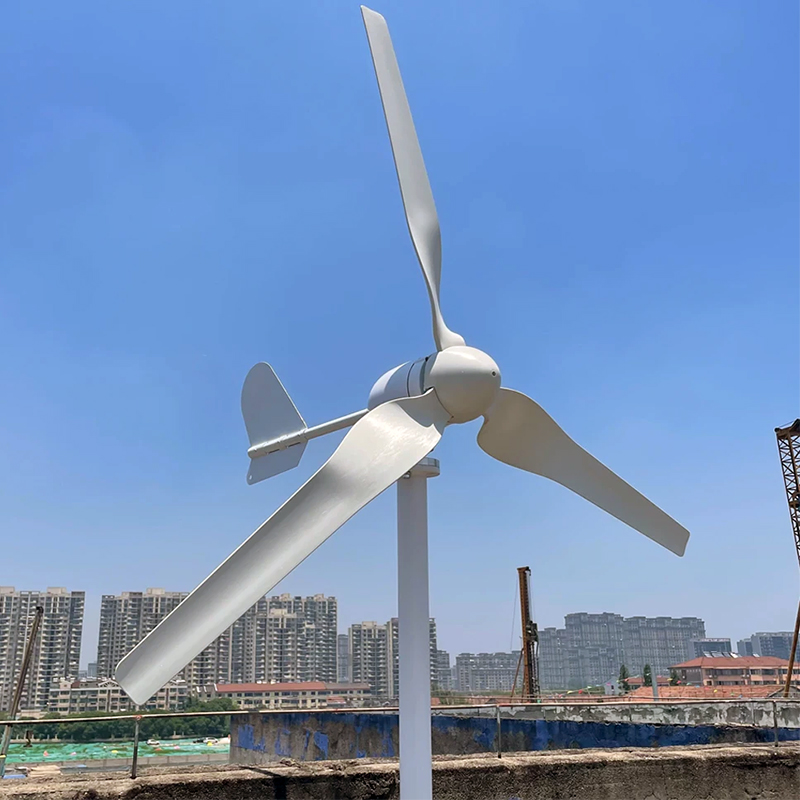
When considering bulk purchases of 1 kW wind turbines, several cost factors must be taken into account to ensure a sound investment
Unit Cost: The base price per unit can vary significantly based on the manufacturer, design, and materials used. Bulk orders typically allow for negotiated pricing, which can lead to significant savings. It's advisable to request quotes from multiple suppliers to compare prices
Shipping and Handling: Transportation costs can add up, especially for larger orders. Consider the shipping method, distance, and any tariffs involved in importing wind turbines. Discuss packaging options with your supplier to minimize shipping costs
Installation Costs: Installation can be a significant part of the overall expenditure. Ensure that you account for labor costs, equipment rental, and any necessary permits. Some suppliers may offer installation services, which can be beneficial for first-time buyers
Maintenance and Warranty: Evaluate the warranty offered by the manufacturer. A longer warranty may indicate confidence in the product's durability and reduce long-term costs associated with repairs. Additionally, inquire about routine maintenance costs to ensure the turbines operate efficiently over their lifespan
Understanding these cost factors will help you better prepare your budget and make informed purchasing decisions when acquiring 1 kW wind turbines in bulk
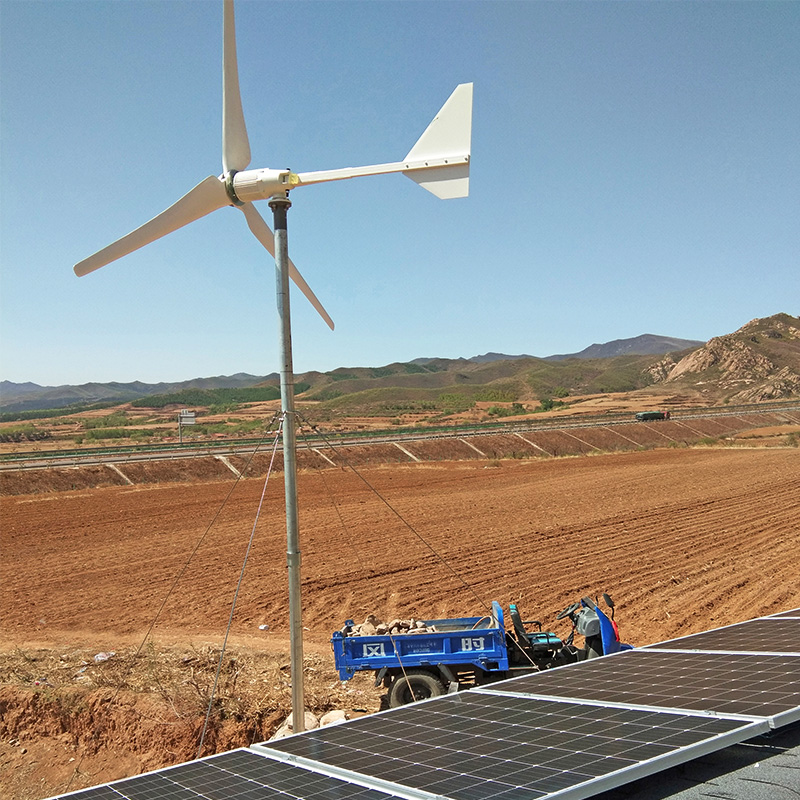
Purchasing a 1 kW wind turbine with generator involves a systematic approach to ensure you select the right product and supplier. Follow these steps
Identify Your Energy Needs: Determine your energy requirements based on usage patterns and peak demand. This will help you decide how many turbines you may need
Research Suppliers: Look for reputable manufacturers with a proven track record in renewable energy solutions. Review their product specifications, certifications, and customer testimonials
Request Quotations: Contact multiple suppliers to obtain detailed quotations. Ensure you provide them with all relevant information, such as the expected installation site, energy needs, and any customization requirements
Evaluate Proposals: Compare the quotations received based on pricing, warranty, and support services. Consider the total cost of ownership, not just the unit price
Select a Supplier: Choose a supplier that meets your technical and budgetary requirements. Ensure they have strong supply chain capabilities and can provide post-purchase support
Finalize the Order: Once a supplier is selected, finalize the order details, including shipping, installation, and payment terms
Monitor Installation and Performance: After installation, closely monitor the turbine's performance and ensure it meets your energy needs. Establish a routine maintenance schedule to prolong its lifespan
By following this step-by-step approach, you can streamline the purchasing process and ensure that your investment in 1 kW wind turbines is successful
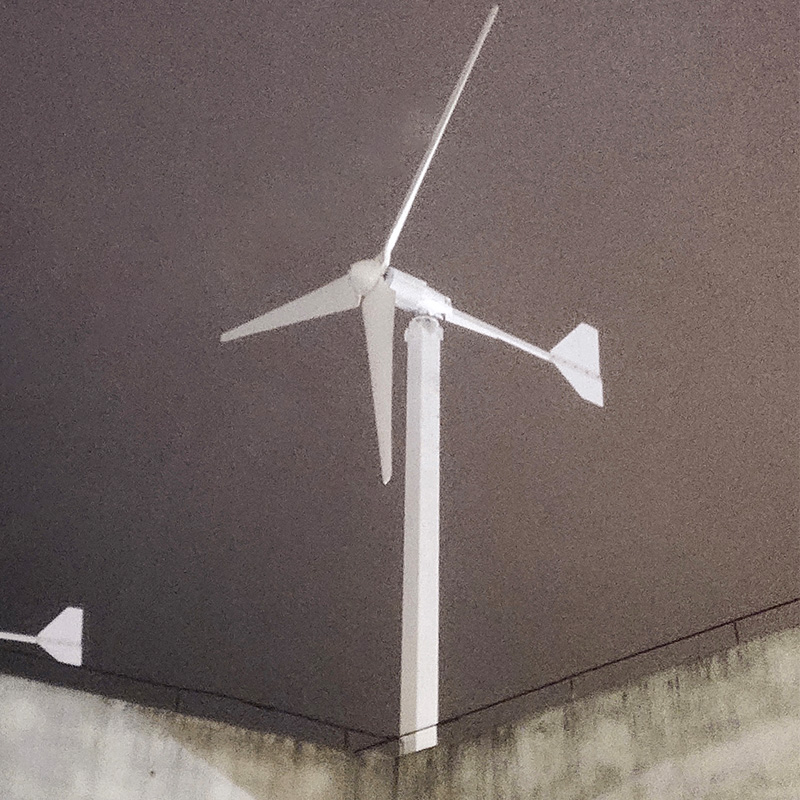
While 1 kW wind turbines are generally reliable, potential issues can arise. Here are some common problems and their solutions
Insufficient Power Generation: If the turbine is not generating expected power, check for low wind speeds or obstructions such as trees or buildings that may disrupt airflow. It may be necessary to relocate the turbine to a more open area
Mechanical Failures: Mechanical issues, such as bearing wear or blade damage, can lead to operational inefficiencies. Regular maintenance and inspections are vital to identify and address these problems early
Electrical Issues: Faulty wiring or generator malfunctions can impede performance. Ensure that all electrical components are properly installed and regularly inspected. Engage a qualified technician for troubleshooting
Noise Complaints: Some turbines may generate noise, which can be a concern in residential areas. If noise becomes an issue, consider sound-dampening solutions or relocating the turbine to a less populated area
By being aware of these common issues and implementing preventive measures, you can enhance the reliability and performance of your 1 kW wind turbine
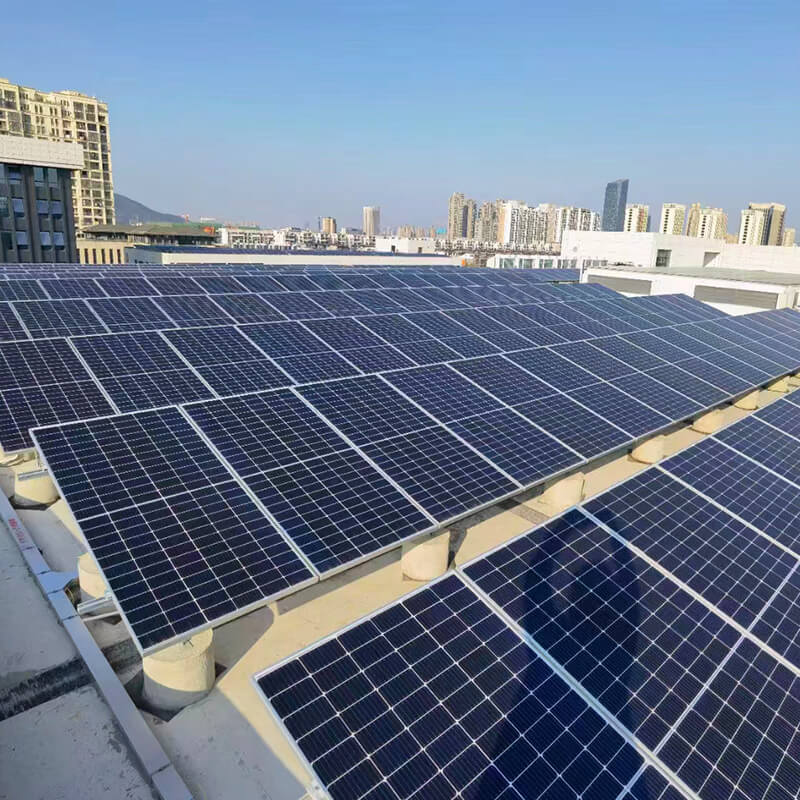
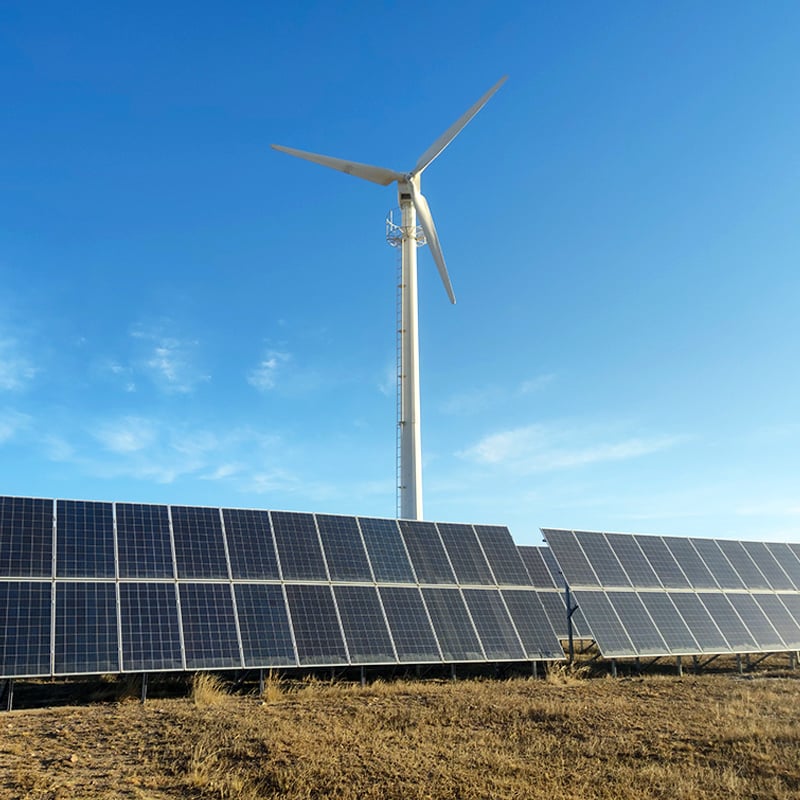
main products wind turbines and solar panels. customers can receive a single-source service integration and development wind-solar hybrids as well as intelligent photovoltaic systems. DHC provides reliable wind turbine and generator, technologies and after-sales support customers through exceptional delivery capability.
Integrity the cornerstone of company. offer real power solutions offer an expert service. {When it comes to wind turbines, {you can pay attention it is important to Integrity is the foundation our company. We offer real power equipment, as well as skilled service. You can consider parameters like blade diameter as well as wind you should pay attention aspects like blade's diameter as well as weight. promise that all products produced by DHC come with Vertical wind turbine power output and not overinflated power.
most renowned brand wind-powered hybrid power systems DHC the only company with own wind turbine factory that combines R D, design, production technical support. Since 2009, our founders have practiced the 2kw vertical wind turbine of environmental protection and have been immersed in the latest energy sources and have adhered the company's culture that focuses on "diligence and honesty, collaboration, and creativity." Our brand DHC is the consequence of this.
are dedicated to meeting commercial domestic electricity needs with wind solar power system. able to provide customers with fully customized solutions with our professional capability managing supply chains capabilities 15kw wind turbine for home. We'll provide professional service throughout day beginning with design, production and after-sales.
1 kW wind turbines are versatile and can be applied across various sectors. Here are some common application scenarios
Residential Use: Homeowners can use 1 kW turbines to supplement their energy needs, particularly in remote areas where grid access is limited. This can lead to significant savings on electricity bills
Agriculture: Farmers can benefit from wind turbines by powering irrigation systems, livestock facilities, or even small processing plants. This reduces reliance on fossil fuels and enhances sustainability
Telecommunications: Remote telecom towers often require reliable energy sources. A 1 kW horizontal axis wind turbine can provide consistent power, ensuring uninterrupted service
Remote Monitoring Stations: Environmental monitoring stations in isolated locations can utilize 1 kW wind turbines to ensure continuous power supply for sensors and communication devices
Small Businesses: Retailers or small businesses can reduce their energy costs by integrating wind turbines into their energy mix, providing a clean energy source that aligns with sustainability goals
In each scenario, the adaptability of 1 kW wind turbines makes them an attractive option for various industries looking to harness renewable energy effectively
Welcome to DHC, the top brand of wind solar hybrid power system! We provide innovative and effective new energy solutions including wind turbine, solar panel, lifepo4 battery, etc.




 EN