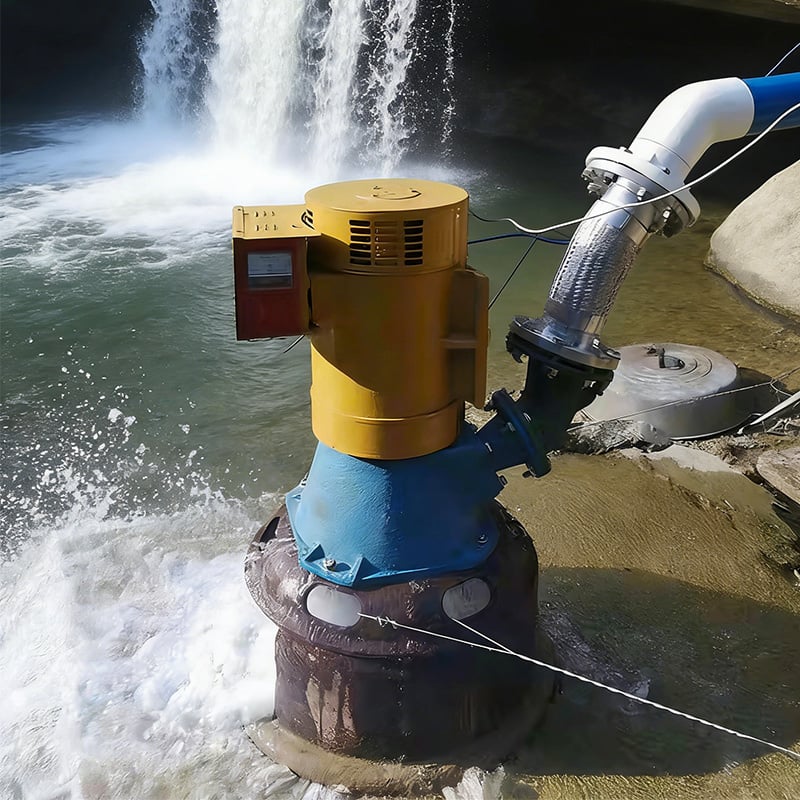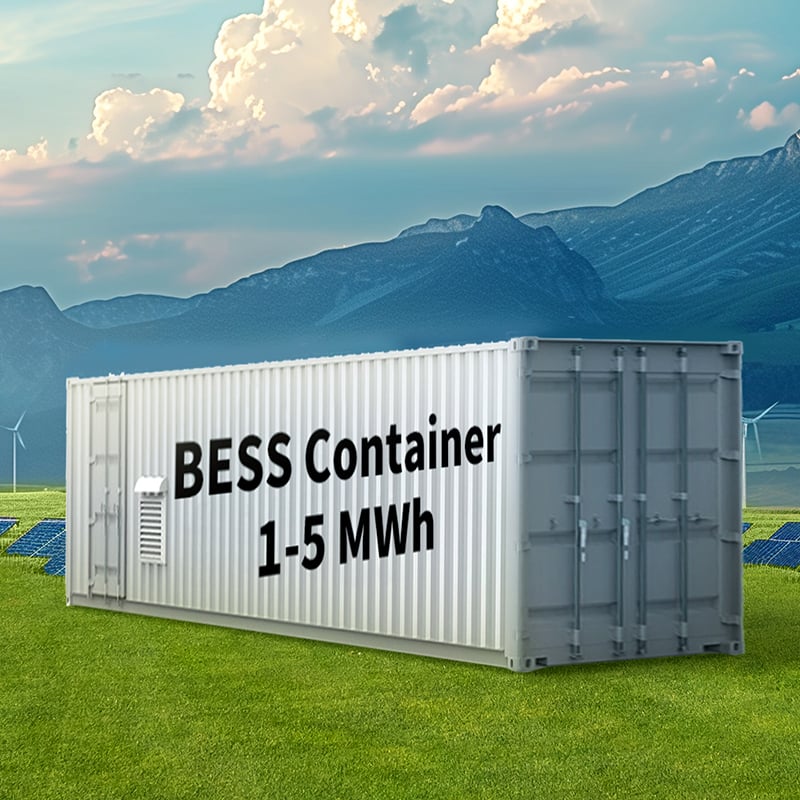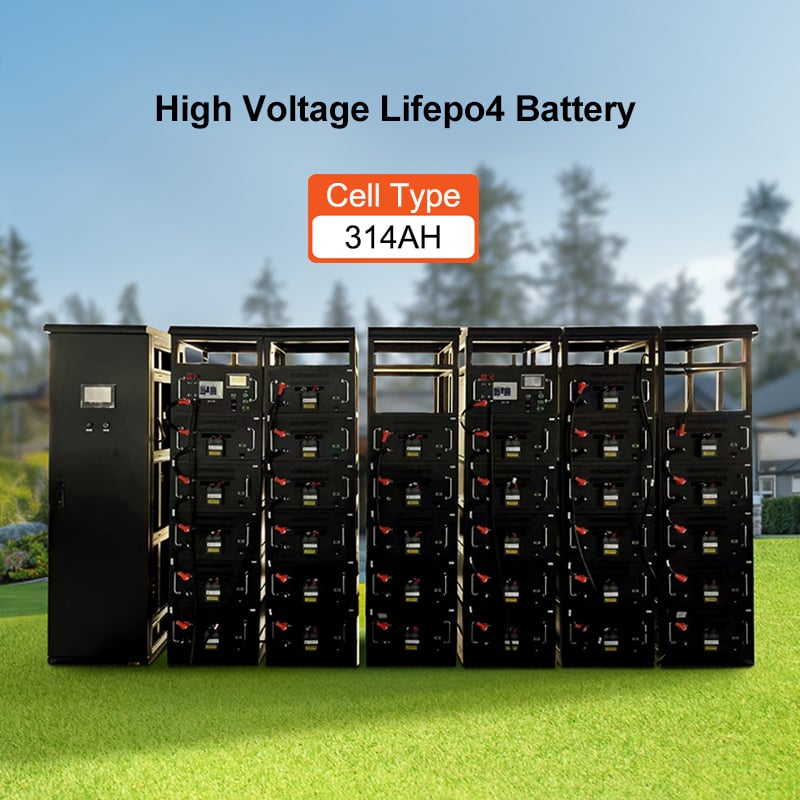
Domestic windmill generators are an increasingly popular solution for harnessing renewable energy, particularly for residential, agricultural, and small commercial applications. As buyers consider sourcing these generators, they often have concerns about specifications, quality, and supplier reliability. This article aims to provide a comprehensive guide to understanding domestic windmill generators, covering essential considerations, key specifications, wholesale purchasing options, and common issues along with their solutions.
When sourcing domestic windmill generator and Productss, several critical factors should be taken into account. First, assess the specific energy needs of your application—this includes understanding your power requirements and the potential energy output of the windmill generator. The generator’s capacity, typically measured in kilowatts (kW), should align with your energy consumption patterns.
Secondly, consider the installation site. Factors like wind speed and direction, space availability, and local zoning regulations can significantly influence the generator's efficiency and legality. Conducting a wind resource assessment can help determine the suitability of your site.
Additionally, research the manufacturer's experience and technology. A reputable supplier, like Jiangsu DHC Environmental Si-Tech Co., Ltd., can provide insights into the latest advancements in wind turbine technology, ensuring that the product you choose is both efficient and reliable.
Lastly, consider the long-term maintenance and support offered by the supplier. A strong support network can help mitigate downtime and enhance the longevity of your windmill generator.
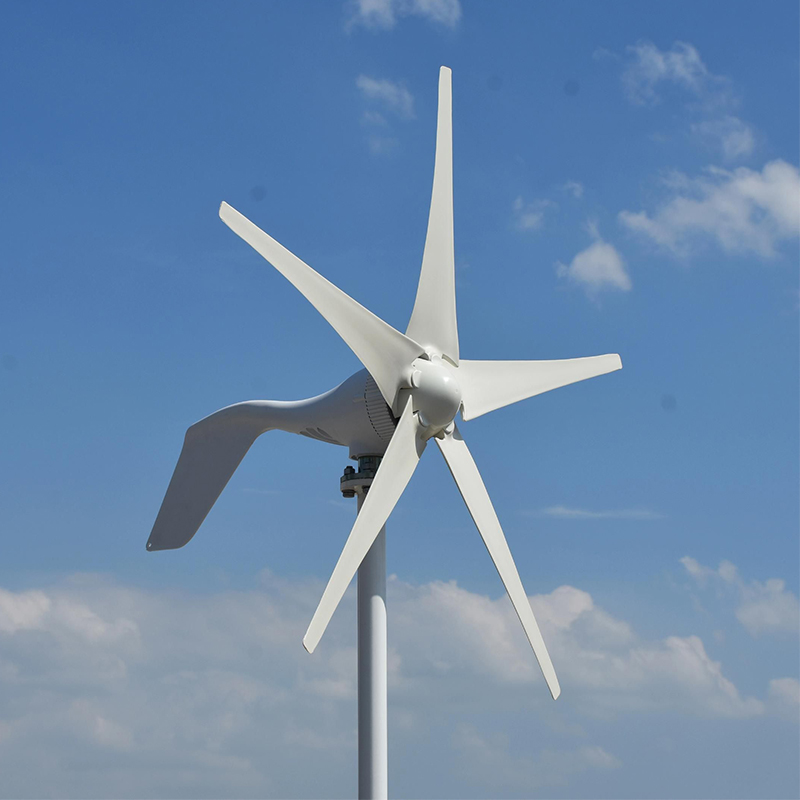
Understanding the key specifications of domestic windmill generators is vital for making an informed purchasing decision. Here are some crucial specifications to consider:
Power Output: Measured in kilowatts (kW), this indicates the generator's capacity to produce electricity. Ensure the generator’s output meets your specific power needs, factoring in any peak demand.
Cut-in Wind Speed: This is the minimum wind speed at which the generator begins to produce power. A lower cut-in speed can be beneficial in areas with variable wind conditions.
Rated Wind Speed: This indicates the wind speed at which the generator operates at maximum output. Knowing this helps buyers assess the generator's efficiency based on local wind conditions.
Rotor Diameter: The size of the rotor affects the amount of wind energy captured. Larger rotors can harness more energy but may also require more space for installation.
Material Quality: High-quality materials contribute to durability and efficiency. Look for generators made with corrosion-resistant materials, especially if they will be exposed to harsh weather conditions.
Noise Levels: For residential installations, noise can be a significant concern. Check the noise level specifications to ensure it complies with local regulations and does not disturb neighbors.
Certifications: Verify that the windmill generator meets relevant industry standards and certifications, ensuring compliance with safety and performance requirements.
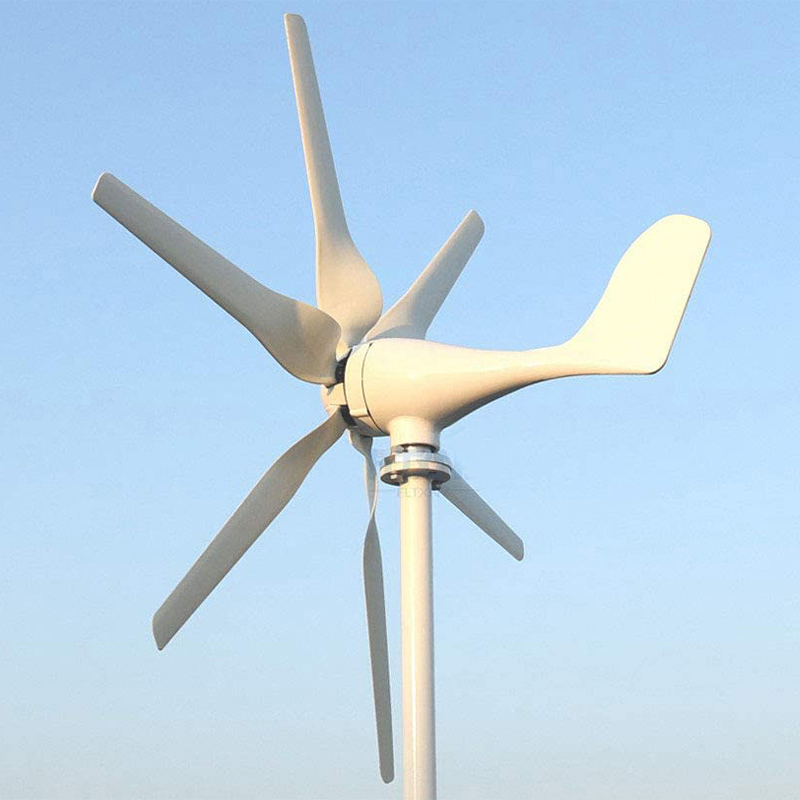
When considering wholesale purchasing of domestic windmill generators, it's essential to understand the available options and processes. Many manufacturers, including Jiangsu DHC, offer competitive pricing structures for bulk orders, which can significantly reduce costs.
Minimum Order Quantity (MOQ): Understand the MOQ set by the supplier. This is the smallest number of units you can order, which often influences pricing and availability.
Customization Options: Many manufacturers provide customization based on specific requirements, such as unique dimensions, power outputs, or additional features. Discuss your needs with the supplier to explore available options.
Lead Times: Inquire about lead times, which can vary based on production schedules, availability of materials, and shipping considerations. This information is crucial for planning your project timeline.
Payment Terms: Different suppliers may offer various payment options. Understanding these terms can help in budgeting and financial planning for your purchase.
Shipping and Handling: Discuss shipping options and costs upfront. Ensure that the supplier can deliver to your desired location and clarify the logistics involved.
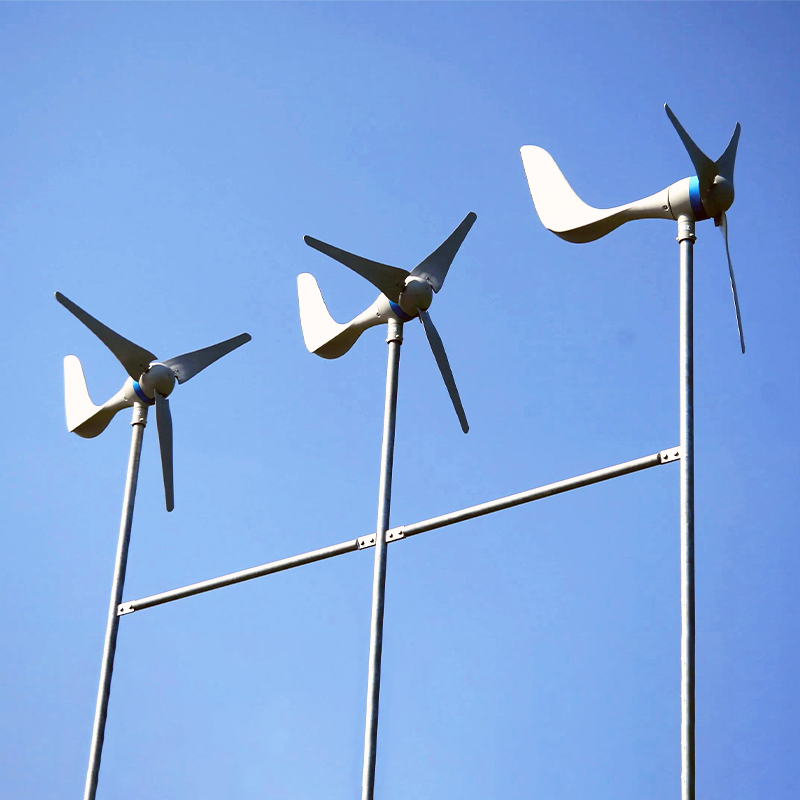
To ensure a smooth purchasing process for domestic windmill generators, follow these steps:
Identify Your Needs: Determine your energy requirements and site conditions to select the appropriate generator.
Research Suppliers: Look for reputable manufacturers with a proven track record in producing domestic windmill generators.
Request Quotes: Contact multiple suppliers to request quotes based on your specifications, including power output, rotor size, and customization needs.
Evaluate Proposals: Compare the proposals based on pricing, lead times, and the supplier’s reputation. Pay attention to the details of warranty and support services.
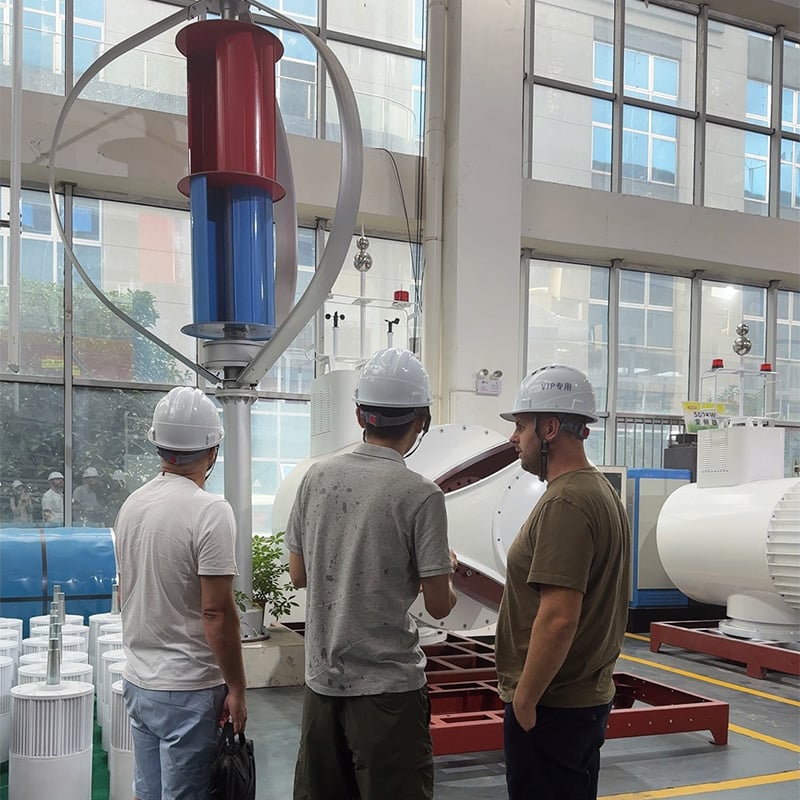
Review Samples: If possible, obtain samples or visit the manufacturer to inspect the quality of their products before placing a bulk order.
Finalize the Order: Once you are satisfied with a supplier, finalize the order details, including payment terms, delivery schedules, and any customization requests.
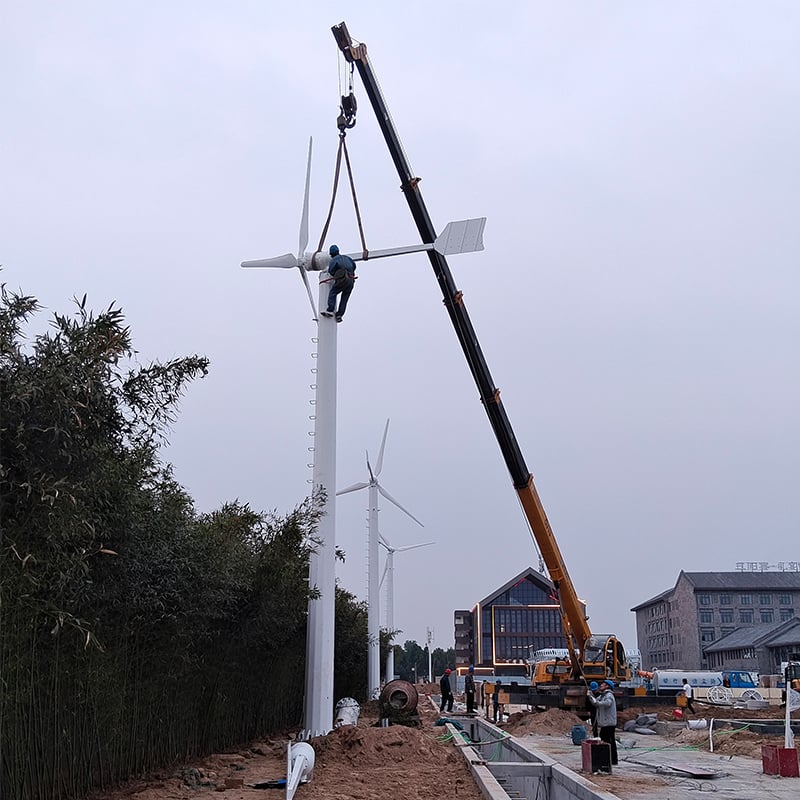
Prepare for Installation: Ensure that all necessary permits are obtained, and prepare the site for installation. Consult the supplier for any specific installation guidelines.
Solar wind power systems are our primary focus. offer customers custom solutions using our expert supply 5000w wind turbine management capability's ability integrate. Simply tell us about your specific requirements, from design, production, to after-sales support, we will provide with real-time professional services throughout the day.
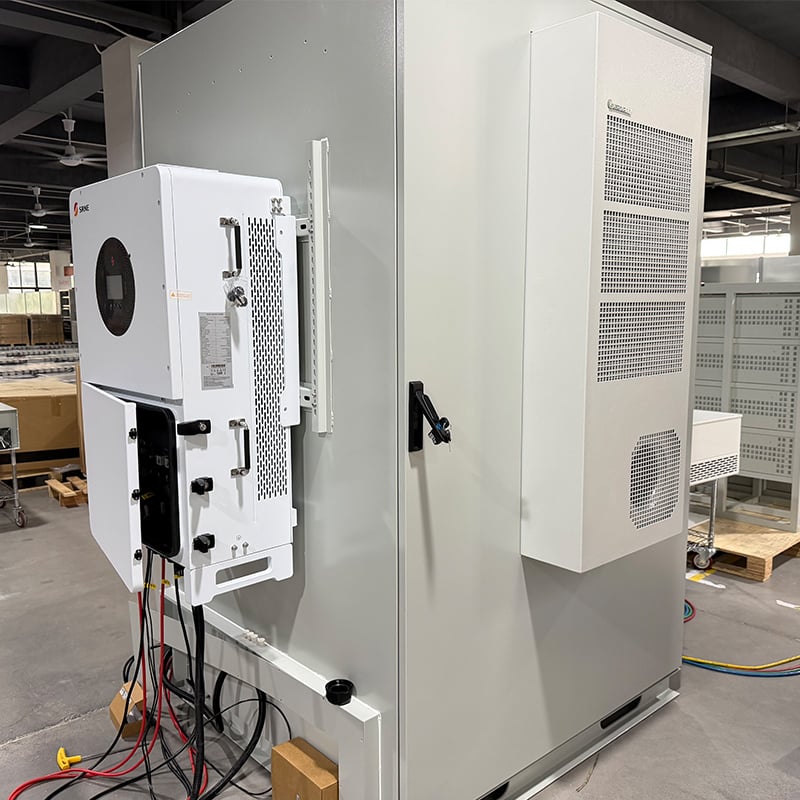
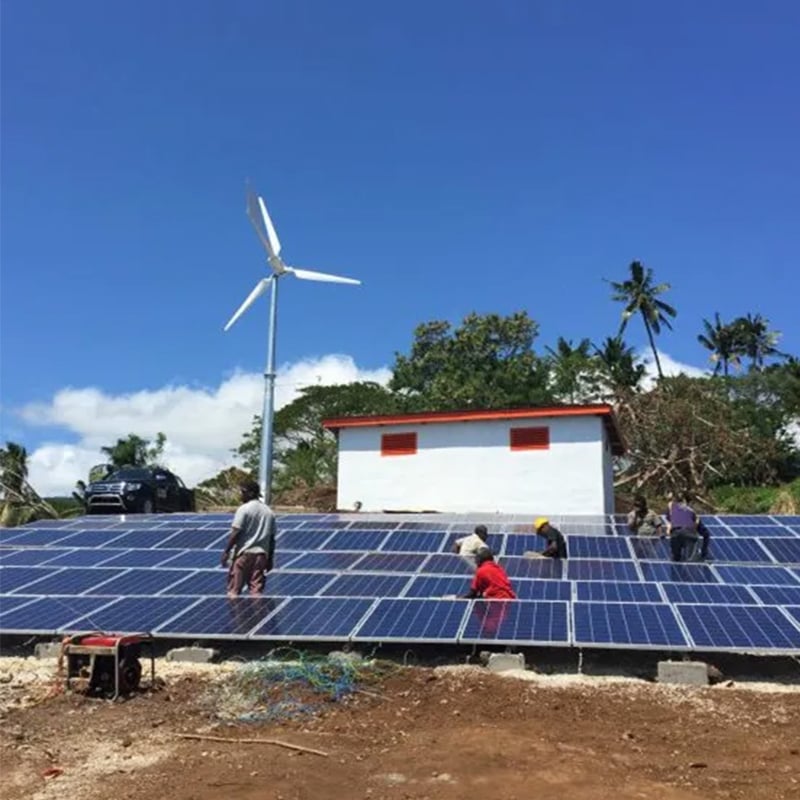
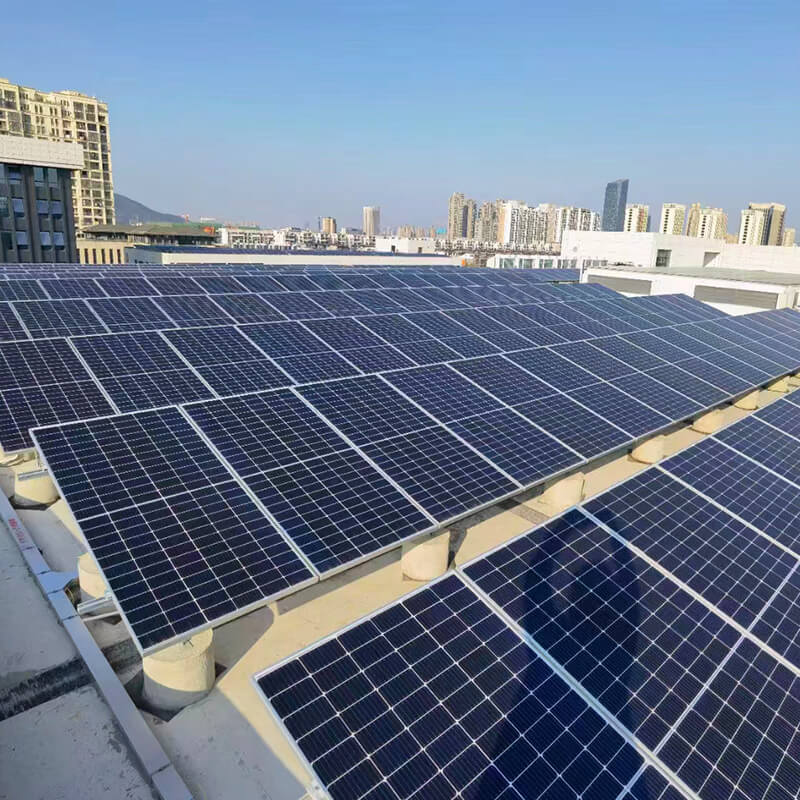
main products include wind turbines, solar panels lifepo4 batteries. customers can receive all-in-one-shop solution the integration and design wind-solar hybrid smart photovoltaic systems. DHC is reliable supplier of products, 15kw wind turbine for home, after-sales support customers through the best delivery capabilities.
Integrity the cornerstone of company. offer real power solutions offer an expert service. {When it comes to wind turbines, {you can pay attention it is important to Integrity is the foundation our company. We offer real power equipment, as well as skilled service. You can consider parameters like blade diameter as well as wind you should pay attention aspects like blade's diameter as well as weight. promise that all products produced by DHC come with 2kw vertical axis wind turbine power output and not overinflated power.
As leading brand wind-powered hybrid power systems DHC is only company with its own wind turbine factory, which combines R D, design, production, technical services. Since 2009 founders have embraced the idea of protecting the environment, immersed new technologies, and Wind turbine for home 5kw by the corporate values that focuses "diligence and integrity, as well as cooperation and creativity." This is also the origin of our name "DHC".
Despite their advantages, domestic windmill generators and Wind Turbine can encounter issues. Here are some common problems and their solutions:
Insufficient Power Generation: This may occur due to low wind speeds or improper placement. To resolve this, conduct a thorough wind resource assessment to ensure optimal positioning.
Mechanical Failures: Components such as bearings or blades may wear out over time. Regular maintenance, including inspections and timely replacements, can prevent these issues.
Noise Complaints: If noise levels are higher than expected, check for proper installation and alignment. Upgrading to quieter models can also be beneficial.
Electrical Issues: Problems can arise in the wiring or connections. Ensure that all electrical components are installed correctly and consider hiring professionals for installation.
Regulatory Compliance: Some installations may face regulatory hurdles. Before installation, ensure compliance with local zoning and safety regulations to avoid potential fines or required modifications.
By understanding these common issues and their solutions, buyers can take proactive measures to ensure the efficient operation of their domestic windmill generators.
This comprehensive guide aims to equip potential buyers with the knowledge necessary to source, evaluate, and maintain domestic windmill generators effectively. By considering specifications, purchasing options, and common challenges, buyers can make informed decisions that align with their renewable energy goals.
Welcome to DHC, the top brand of wind solar hybrid power system! We provide innovative and effective new energy solutions including wind turbine, solar panel, lifepo4 battery, etc.
 EN