Choosing the right offshore wind turbines is crucial for companies looking to invest in renewable energy solutions. As the demand for sustainable power sources grows, B2B buyers, including purchasing managers and engineers, are tasked with evaluating options that align with their project requirements. This article will explore key considerations when selecting helical wind turbines, providing insights on specifications, sourcing suppliers, and best practices to ensure successful procurement.
When selecting offshore wind turbines for wholesale, several factors should be taken into account. These include the turbine's power output, efficiency, and suitability for specific environmental conditions. Buyers should evaluate the turbine's capacity to withstand harsh marine environments, as this can significantly impact both performance and lifespan.
Additionally, the scalability of the turbine is essential; it should meet the energy demands of the intended application, whether it be for a large wind farm or smaller distributed power stations. Understanding the specific energy requirements and potential load factors will aid in making an informed decision.
Customization options also play a vital role. Many manufacturers, including Jiangsu DHC Environmental Si-Tech Co., Ltd., offer tailored solutions to meet unique site-specific challenges. Engaging with suppliers to discuss customization capabilities can yield significant advantages, ensuring that the solar panels and wind turbines perform optimally in their intended locations.
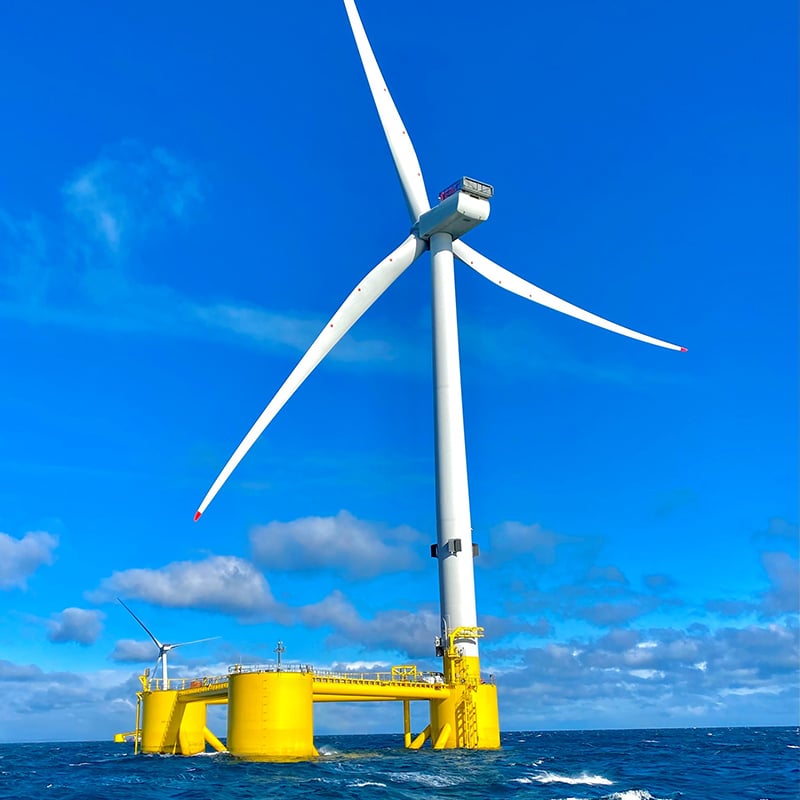
When it comes to bulk purchasing of offshore wind turbines, focusing on critical specifications is essential. Key specifications include:
Rated Power Output: The maximum electrical power the turbine can generate under standard conditions. Buyers should ensure the rated output aligns with project goals.
Rotor Diameter: Larger rotor diameters can capture more wind energy, thus increasing efficiency. However, they may also require more robust support structures.
Cut-in and Cut-out Wind Speeds: These indicate the wind speeds at which the turbine starts generating power and when it stops to prevent damage, respectively. Understanding these parameters helps assess operational reliability.
Material Durability: Given the corrosive nature of marine environments, turbines made from high-quality, weather-resistant materials are preferable. Buyers should inquire about the materials used in the construction of key components like blades and towers.
Buyers should also consider certifications and compliance with international standards, ensuring the turbines meet industry benchmarks for safety and performance.
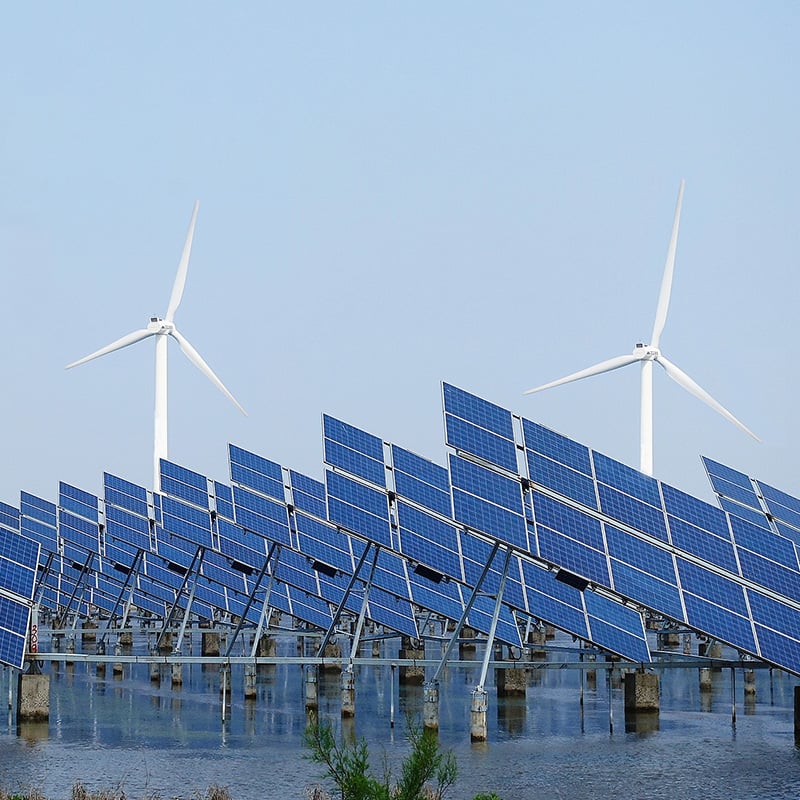
Sourcing reliable suppliers for Jiangsu DHC offshore wind turbines involves thorough research and evaluation of potential manufacturers. Consider the following strategies:
Industry Trade Shows and Expos: Attending renewable energy conferences and exhibitions can provide firsthand exposure to various manufacturers and their offerings. It's an excellent opportunity to network and establish relationships.
Online Marketplaces and Directories: Platforms such as Alibaba or specialized renewable energy directories can connect buyers with manufacturers worldwide. However, verifying the credibility of suppliers through reviews and references is crucial.
Supplier Audits: Conducting site visits or audits can provide insights into a supplier's manufacturing capabilities and quality control processes. Understanding their production methods and equipment can build confidence in their ability to meet specifications.
Industry Associations and Networks: Engaging with organizations focused on renewable energy can yield recommendations for reputable suppliers. Networking with industry peers can also provide valuable insights based on shared experiences.
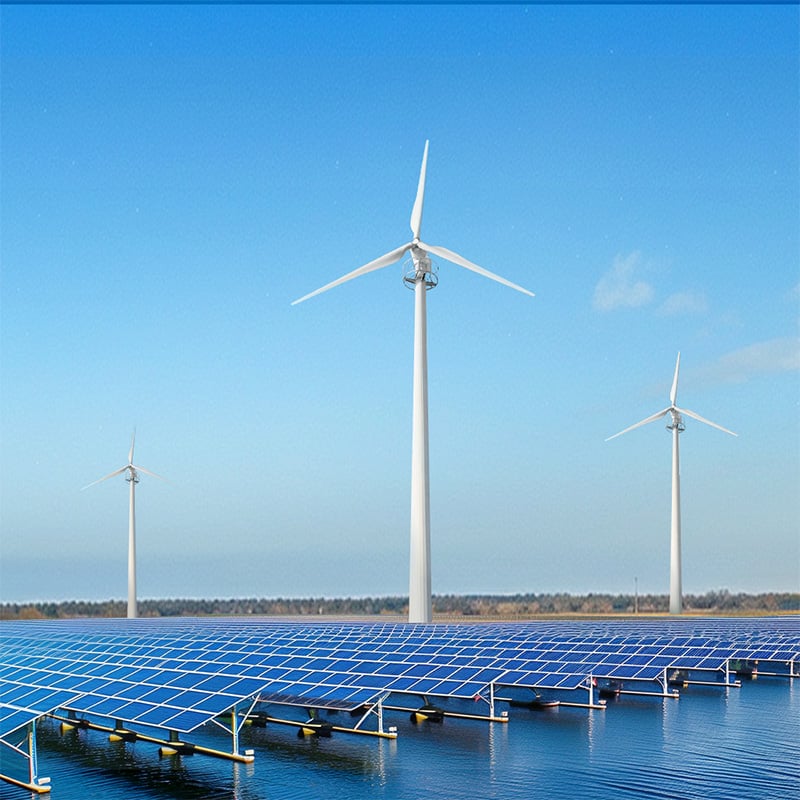
Implementing best practices in the procurement of offshore wind turbines can lead to more successful projects. Here are some recommendations:
Request Detailed Quotations: When reaching out for quotes, provide comprehensive information about your project, including required specifications, quantities, and delivery timelines. This will help suppliers give accurate pricing and lead times.
Evaluate Samples: Before finalizing orders, always request samples or prototypes. Testing these under actual operating conditions can reveal potential issues that may not be evident from specifications alone.
Quality Control Procedures: Establish clear quality inspection criteria before mass production begins. Confirm that the supplier can consistently meet these standards throughout the production process.
Long-term Partnerships: Consider building long-term relationships with suppliers who demonstrate reliability and quality. This can facilitate smoother negotiations and better pricing for future orders.
We're dedicated meeting commercial domestic electric power needs using wind/solar system. With professional supply chain management integration capabilities, can provide our customers with completely 2kw vertical wind turbine solutions. will only need know your exact needs from design, production, to after-sales support, will provide you with real-time professional assistance throughout day.
Integrity the cornerstone of company. offer real power solutions offer an expert service. {When it comes to wind turbines, {you can pay attention it is important to Integrity is the foundation our company. We offer real power equipment, as well as skilled service. You can consider parameters like blade diameter as well as wind you should pay attention aspects like blade's diameter as well as weight. promise that all products produced by DHC come with Vertical wind turbine power output and not overinflated power.
primary products wind turbines, solar panels and lifepo4 batteries. customers will receive a one-stop-shop service the integration and Vertical wind turbine a wind-solar hybrid as well as smart photovoltaic system. DHC provides reliable products, technologies, and after-sales service to customers with excellent delivery capability.
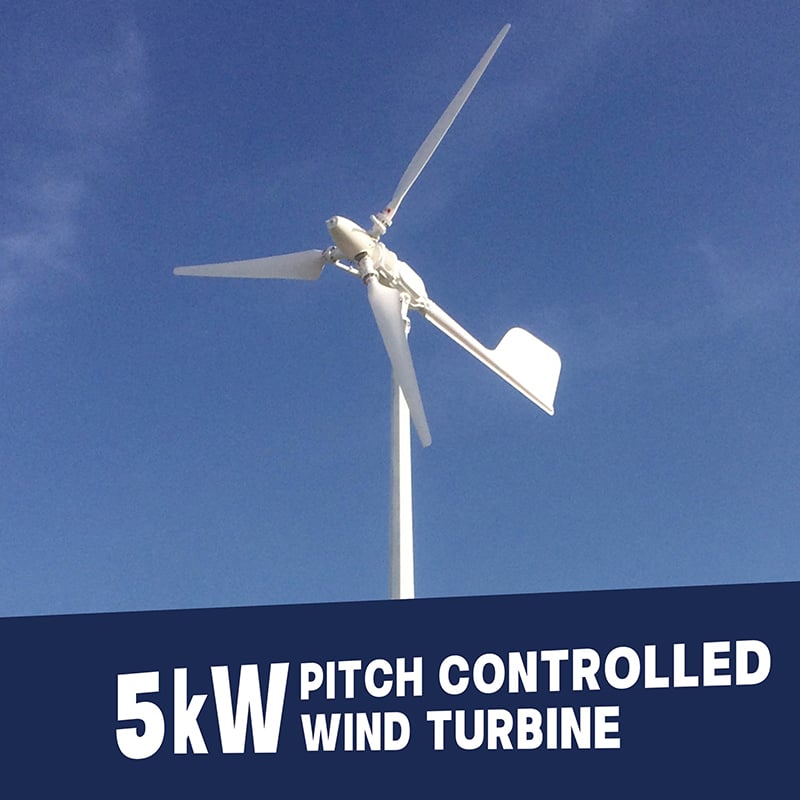
As leading brand wind-powered hybrid power systems DHC is only company with its own wind turbine factory, which combines R D, design, production, technical services. Since 2009 founders have embraced the idea of protecting the environment, immersed new technologies, and Wind turbine for home 5kw by the corporate values that focuses "diligence and integrity, as well as cooperation and creativity." This is also the origin of our name "DHC".
Offshore wind turbines play a vital role in advancing renewable energy projects. Their primary applications include:
Utility-Scale Wind Farms: Offshore wind farms provide large-scale energy production to meet the demands of national grids. With their ability to harness stronger and more consistent winds, they can significantly contribute to energy needs.
Distributed Power Generation: Smaller offshore turbines can be deployed for localized power generation in remote or coastal areas, reducing dependence on fossil fuels and enhancing energy security.
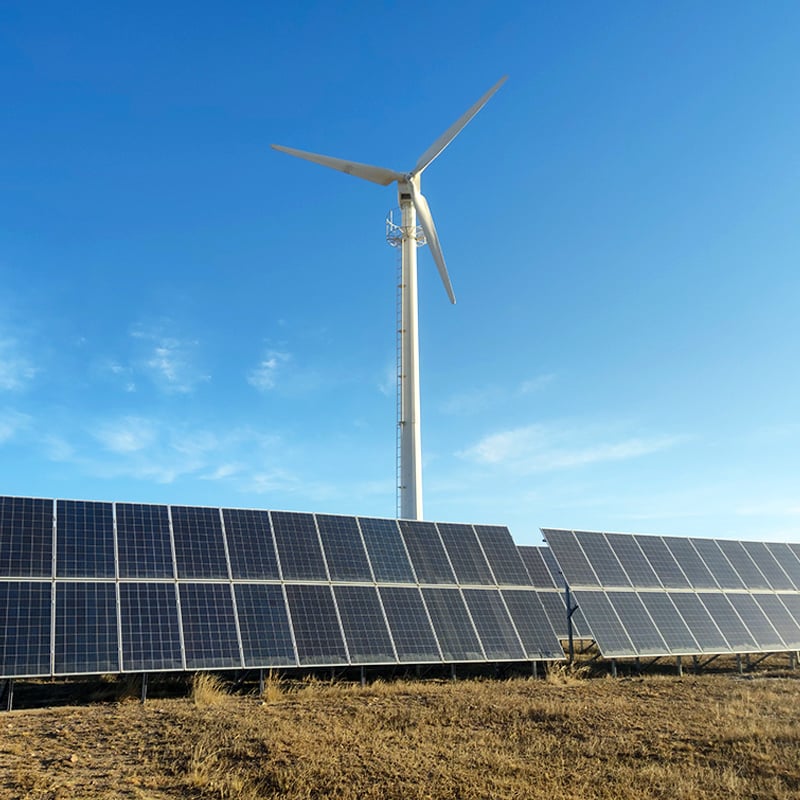
Hybrid Systems: Combining wind turbines in the ocean with solar power systems can optimize energy generation. For instance, integrating these technologies can provide a more stable energy supply, particularly in regions with variable weather conditions.
Research and Development: Jiangsu DHC Offshore wind installations serve as testbeds for new technologies and innovations in wind energy. They enable the industry to assess performance and reliability under real-world conditions.
By understanding these applications, buyers can better align their procurement strategies with the growing demands for sustainable energy solutions.
In summary, selecting offshore wind turbines requires careful consideration of specifications, sourcing reliable suppliers, and adhering to best practices. By focusing on these factors, B2B buyers can make informed decisions that support their renewable energy initiatives.
Welcome to DHC, the top brand of wind solar hybrid power system! We provide innovative and effective new energy solutions including wind turbine, solar panel, lifepo4 battery, etc.




 EN