
Residential heat pumps are increasingly recognized as an efficient solution for heating and cooling residential spaces. As a B2B buyer, understanding the intricacies of residential heat pumps is crucial for making informed purchasing decisions. Key concerns often include energy efficiency, installation requirements, and long-term operational costs. This article aims to provide comprehensive insights into evaluating, sourcing, and utilizing residential heat pumps for various applications, helping you make the best choices for your business. For instance, the integration of a Home Solar Powered Heat Pump System can be a great option to consider.
When sourcing residential heat pumps, several key specifications should be carefully evaluated to ensure optimal performance and suitability for your application:
Heating and Cooling Capacity: This is typically measured in BTUs (British Thermal Units) and indicates how much heating or cooling a unit can provide. Selecting a heat pump with the right capacity is essential; an undersized unit will struggle to maintain desired temperatures, while an oversized one may cycle frequently, reducing efficiency.
Energy Efficiency Ratio (EER) and Seasonal Energy Efficiency Ratio (SEER): These ratios measure the efficiency of heating and cooling operations. A higher SEER rating means better energy efficiency, leading to lower operational costs. For residential applications, consider units with a SEER of 14 or higher.
Coefficient of Performance (COP): This is a measure of a heat pump's efficiency under specific conditions, calculated as the ratio of useful heating or cooling provided to the energy consumed. A higher COP indicates better efficiency.
Refrigerant Type: Modern heat pumps use environmentally friendly refrigerants, such as R-410A, which have low global warming potential. Understanding the refrigerant type is important for compliance with environmental regulations and for assessing potential maintenance issues.
Noise Level: Measured in decibels (dB), noise level is a critical consideration, especially in residential areas. Units that operate below 60 dB are generally considered quiet.
Defrost Cycle: In colder climates, the heat pump may need to enter a defrost cycle to maintain efficiency during winter. Understanding how often and for how long this cycle operates can impact overall performance.
Buyers should confirm these specifications through product datasheets and by consulting manufacturers to ensure the heat pumps meet specific application needs. Additionally, consider a Household 6P Air Source Heat Pump System for enhanced efficiency.
When purchasing residential heat pumps in bulk, consider the following tips to ensure quality and value:
Request Detailed Specifications: Ensure that you receive comprehensive product specifications, including energy ratings, capacities, and warranty terms. This helps in comparing different models effectively.
Evaluate Supplier Reputation: Research potential suppliers by checking their track record in the industry, customer reviews, and the quality of their customer service. A reputable supplier will often have strong partnerships and a history of reliable product delivery.
Quality Control Processes: Inquire about the manufacturer's quality control processes. A robust quality assurance system ensures that each unit meets specified performance and safety standards.
Minimum Order Quantities (MOQs): Understand the MOQs set by suppliers, as these can affect overall pricing and inventory management. Negotiate terms that align with your purchasing capacity.
Check for Certifications: Look for products that have been certified by recognized organizations, such as AHRI (Air-Conditioning, Heating, and Refrigeration Institute) or ENERGY STAR. These certifications can provide assurance about the efficiency and reliability of the products.
Evaluate Customization Options: Depending on your specific needs, check if the manufacturer offers customization options, such as specific sizes or features. Custom solutions can enhance compatibility with existing systems.
By following these tips, you can make informed purchasing decisions that enhance your operational efficiency and customer satisfaction.
Identifying reliable suppliers for residential heat pumps involves several strategic steps:
Industry Trade Shows and Expositions: Attending trade shows and industry events provides opportunities to connect with manufacturers and distributors directly. This also allows you to view product demonstrations and gather firsthand information.
Online Marketplaces and Directories: Utilize industry-specific online directories or marketplaces that list manufacturers and suppliers. Websites like ThomasNet and Alibaba can be helpful in finding suppliers with the right certifications and reviews.
Networking with Industry Professionals: Leverage your network to gather recommendations for trusted suppliers. Industry forums, LinkedIn groups, and professional associations can be valuable resources for insights and referrals.
Manufacturer Websites: Directly visiting manufacturer websites can provide detailed information about their product offerings, certifications, and company background. Look for manufacturers with a strong emphasis on innovation and sustainability.
Local Distributors: Establish relationships with local distributors who specialize in HVAC products. They often have firsthand experience with various products and can provide tailored recommendations based on regional climate conditions.
By utilizing these resources, buyers can identify trustworthy suppliers who can meet their specific requirements for residential heat pumps.
Proper installation is crucial for the optimal performance of residential heat pumps. Here are key considerations:
Location Selection: Choose an installation location that maximizes airflow and minimizes exposure to elements like snow or debris. The unit should have adequate clearance from walls or obstacles to ensure efficient operation.
Ductwork and Insulation: If the heat pump is installed in conjunction with a ducted system, ensure that the ductwork is properly insulated and sealed. Poorly insulated ducts can lead to significant energy losses and reduce overall system efficiency.
Electrical Requirements: Verify that the electrical system meets the heat pump's requirements, including voltage and amperage. Improper electrical configurations can lead to operational issues or safety hazards.
Thermostat Compatibility: Ensure that the thermostat is compatible with the new heat pump system. Smart thermostats can enhance efficiency by allowing for more precise temperature control.
Commissioning: After installation, a thorough commissioning process should be conducted to ensure the system operates correctly. This includes checking refrigerant levels, airflow, and electrical connections.
Regular Maintenance: Establish a routine maintenance schedule to keep the heat pump running efficiently. This includes cleaning filters, checking ductwork, and inspecting refrigerant levels.
By adhering to these installation guidelines, you can significantly enhance the performance and lifespan of residential heat pumps.
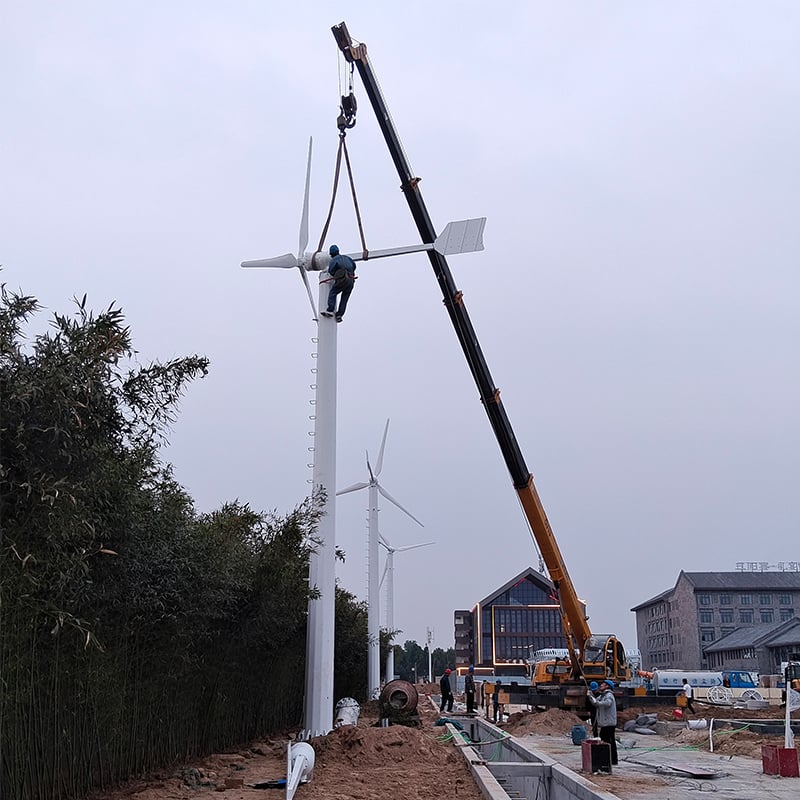
We dedicated to upholding integrity as cornerstone of our business, offering customers genuine power products expert services. In the case of wind turbines can pay attention is important to committed to keeping integrity as the cornerstone of business, offering customers the best power products as well as 15kw wind turbine for home services. Consider parameters such as blade diameter and wind turbine's weight when you evaluate wind turbines. We promise that all products manufactured by DHC have real power output without exaggerated power.
As most sought-after brand of wind solar hybrid power systems, DHC has own wind turbine factory integrating R D design, production and technical support. founders of DHC have been working on the idea green 2kw vertical axis wind turbine protection since 2009 and immersed in the world of renewable energy adhering to the company's values "diligence as well as honesty, cooperation and innovation." Our DHC brand DHC is the result of this.
We're dedicated solving commercial residential electrical needs utilizing a solar/wind power system. With professional supply chain management and integration capabilities, are able to provide customers with completely customized solutions. We'll provide high-quality service all hours of day from 2kw vertical axis wind turbine to design and after-sales.
primary products wind turbines, solar panels and lifepo4 batteries. customers will receive a one-stop-shop service the integration and Eolic generator a wind-solar hybrid as well as smart photovoltaic system. DHC provides reliable products, technologies, and after-sales service to customers with excellent delivery capability.
Residential heat pumps are versatile and can be utilized in a range of settings and climates. Here are some common applications:
Single-Family Homes: Heat pumps are ideal for single-family residences, providing both heating and cooling in a single system. Their efficiency makes them a popular choice for homeowners looking to reduce energy costs.
Multi-Family Buildings: In multi-family units, heat pumps can be used in individual apartments or as centralized systems. They provide flexible solutions that cater to varying space sizes and heating requirements.
Climate Adaptability: Heat pumps are effective in diverse climates. In moderate climates, they can efficiently provide heating and cooling year-round. In colder regions, ground-source heat pumps (geothermal) may be particularly effective, leveraging stable underground temperatures.
Supplemental Heating: In areas with extreme winter temperatures, heat pumps can be used as supplemental heating sources alongside traditional systems (like gas or electric furnaces) to enhance comfort and efficiency.
Renewable Energy Integration: With the rise of renewable energy, residential heat pumps can be paired with solar energy systems to further reduce operational costs and carbon footprints. This integration aligns with sustainable practices and can enhance overall system efficiency. Consider pairing with a 600W Mono Hybrid Photovoltaic Thermal Collector for optimal results.
By understanding these applications, buyers can better assess how residential heat pumps can meet specific heating and cooling needs across different environments.
Welcome to DHC, the top brand of wind solar hybrid power system! We provide innovative and effective new energy solutions including wind turbine, solar panel, lifepo4 battery, etc.





 EN