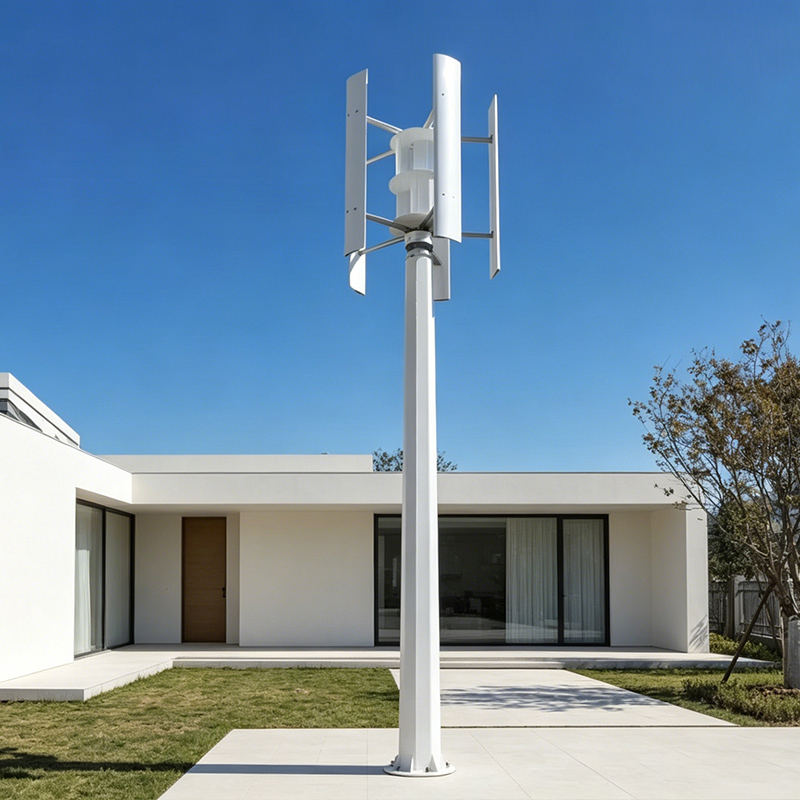
Residential wind generators are becoming an increasingly popular choice for homeowners looking to harness renewable energy. These systems are designed to convert wind energy into electrical power, making them an attractive option for those seeking sustainable energy solutions. As a B2B buyer, whether you are a purchasing manager, distributor, or engineer, understanding the key features, benefits, and common issues associated with residential wind generators is vital for making informed decisions. This article will provide insights into sourcing reliable Jiangsu DHC vertical axis wind generator, technical specifications, material advantages, and troubleshooting common problems, ultimately helping you evaluate your options effectively.
When sourcing residential wind generators, look for established manufacturers with proven track records in renewable energy solutions. Companies like Jiangsu DHC Environmental Si-Tech Co., Ltd. offer a wealth of experience, having specialized in wind and solar hybrid systems for over 15 years. It’s crucial to partner with suppliers who can provide detailed product specifications, customization options, and reliable supply chain logistics.
Ensure that potential suppliers have a dedicated research and development (R&D) facility, as this indicates a commitment to innovation and quality. Additionally, check for certifications relevant to the renewable energy sector, which can signal compliance with industry standards. Request information about minimum order quantities (MOQs), lead times, and delivery capabilities to ensure that the supplier can meet your needs effectively.
Define Your Requirements: Determine the specific energy needs for the residential application. Consider factors like average wind speeds in the area and the expected energy output.
Research Suppliers: Identify potential suppliers through industry directories, trade shows, and online platforms. Look for those with a strong reputation in the renewable energy sector.
Request Specifications: Reach out to suppliers for detailed product specifications, including power output, dimensions, and material types. This information is essential for assessing compatibility with your energy needs.
Evaluate Customization Options: Discuss customization capabilities with suppliers. Depending on the application, you may need specific features or adjustments to the standard models.
Inspect Quality Control Processes: Inquire about the quality control measures the manufacturer implements during production. This can help ensure the reliability and durability of the wind generators.
Review Pricing and Terms: Compare pricing based on the specifications and services offered. Understand the payment terms and any warranties provided.
Finalize Your Order: Once satisfied with the selected supplier, finalize your order, ensuring all specifications and agreements are documented.
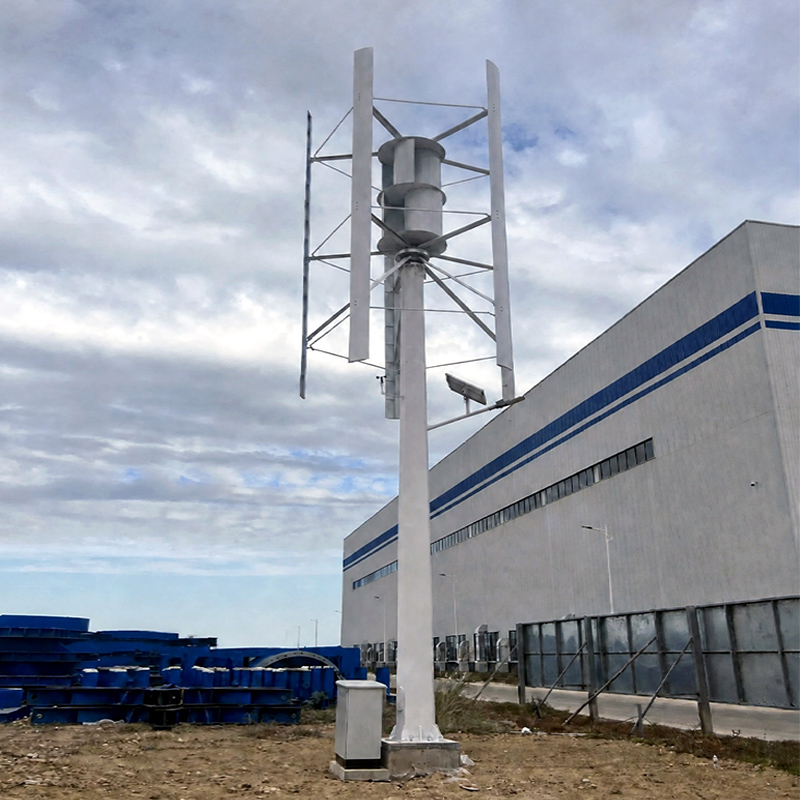
Residential wind generators come with a plethora of features that provide numerous benefits:
Cost-Effective Energy Generation: By harnessing wind energy, homeowners can significantly reduce their electricity bills. The initial investment often pays off within a few years through savings.
Sustainability: Wind energy is a clean, renewable resource that contributes to reducing carbon footprints, making it an eco-friendly choice for energy production.
Low Maintenance Needs: Modern wind generators are designed for durability and require minimal maintenance. Regular inspections can keep Jiangsu DHC most efficient wind generator operational for many years.
Scalability: Many residential wind generators can be scaled in capacity, allowing homeowners to start small and increase their investment as their energy needs grow.
Energy Independence: By generating their own electricity, homeowners reduce reliance on the grid, enhancing energy security.
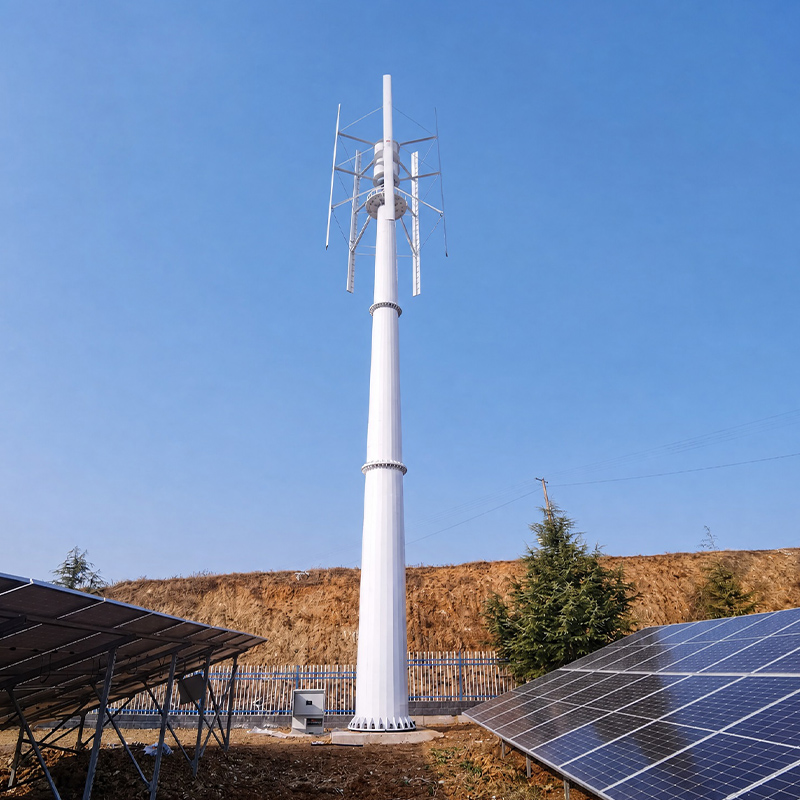
While residential wind generators are efficient, they can present some challenges:
Inconsistent Power Generation: Wind availability can be unpredictable. To mitigate this, consider hybrid systems that integrate solar power, ensuring a more consistent energy supply.
Noise Issues: Some wind turbines can be noisy, potentially disturbing neighbors. Selecting models designed for quiet operation can address this concern.
Installation Challenges: Proper installation is crucial for optimal performance. Engage experienced professionals to ensure that the turbine is installed in an ideal location, free from obstructions.
Regulatory Hurdles: Local regulations may affect installation. Research zoning laws and obtain necessary permits to avoid legal complications.
Maintenance and Repair: Regular maintenance is essential to prolong the lifespan of the turbine. Establish a routine inspection schedule to identify issues early.
Our main products include wind turbines solar panels. can provide customers with all-in-one service for design and integration smart photovoltaic systems, as well as wind-solar hybrid systems. DHC is reliable supplier products, technologies after-sales 2kw vertical wind turbine customers with its excellent delivery capability.
Integrity is foundation of our company. offer real power equipment, as well as skilled wind turbine and generator. In the case of wind turbines, {you can pay attention it is important to commitment to integrity the basis of our business. We provide genuine power equipment, as well as expert service. Consider parameters such as blade diameter as well as wind turbine weight when looking at wind turbines. DHC promises that its products are able to deliver real power without exaggerating the power.
As most sought-after brand of wind solar hybrid power systems, DHC has own wind turbine factory integrating R D design, production and technical support. founders of DHC have been working on the idea green 2kw vertical axis wind turbine protection since 2009 and immersed in the world of renewable energy adhering to the company's values "diligence as well as honesty, cooperation and innovation." Our DHC brand DHC is the result of this.
We're dedicated solving commercial residential electrical needs utilizing a solar/wind power system. With professional supply chain management and integration capabilities, are able to provide customers with completely customized solutions. We'll provide high-quality service all hours of day from Vertical wind turbine to design and after-sales.
The materials used in constructing residential wind generators play a significant role in their performance and longevity. Key materials include:
Aluminum and Steel: Commonly used for the tower and rotor blades, these materials provide strength and durability while remaining lightweight. Aluminum is corrosion-resistant, making it suitable for various weather conditions.
Composite Materials: Many modern wind turbine blades are made from composite materials, which can offer improved aerodynamic efficiency and reduced weight compared to traditional materials.
Magnetic Components: High-quality magnets in the generator are essential for efficient power conversion. Discuss with suppliers about the specifications of these components to ensure optimal performance of Jiangsu DHC marine wind generator.
Coatings and Treatments: Protective coatings can enhance the lifespan of wind generators by preventing corrosion and wear. Understand the types of coatings used and their effectiveness in specific environmental conditions.
By focusing on the right materials, you can ensure that the residential wind generators you consider are not only efficient but also capable of withstanding the rigors of their operating environment.
In summary, understanding the intricacies of residential wind generators is essential for making informed B2B purchasing decisions. By sourcing reliable suppliers, evaluating product specifications, and considering material advantages, you can enhance your project outcomes in the renewable energy space.
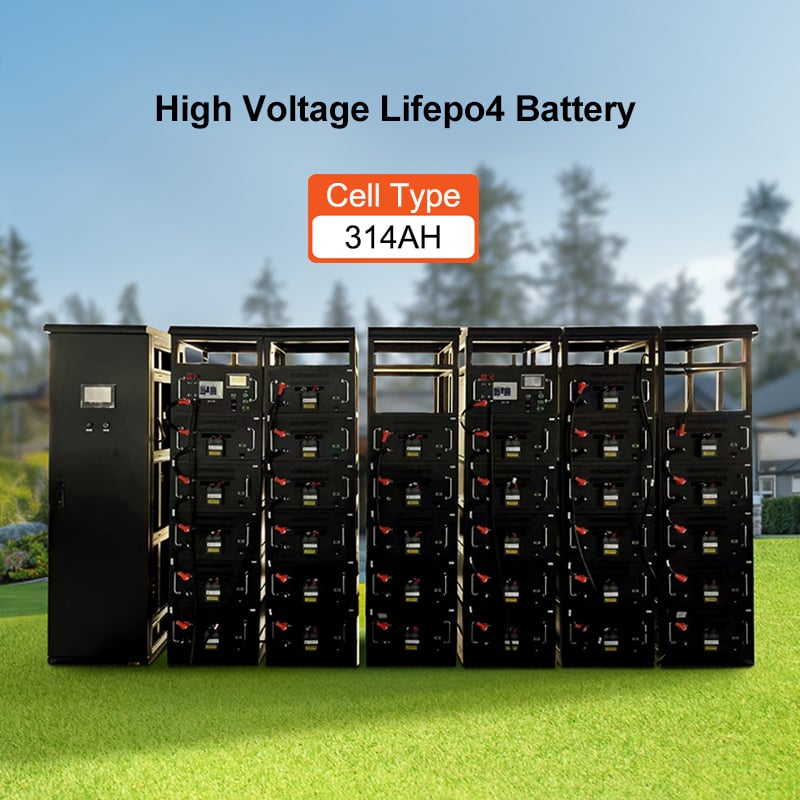
Welcome to DHC, the top brand of wind solar hybrid power system! We provide innovative and effective new energy solutions including wind turbine, solar panel, lifepo4 battery, etc.
 EN