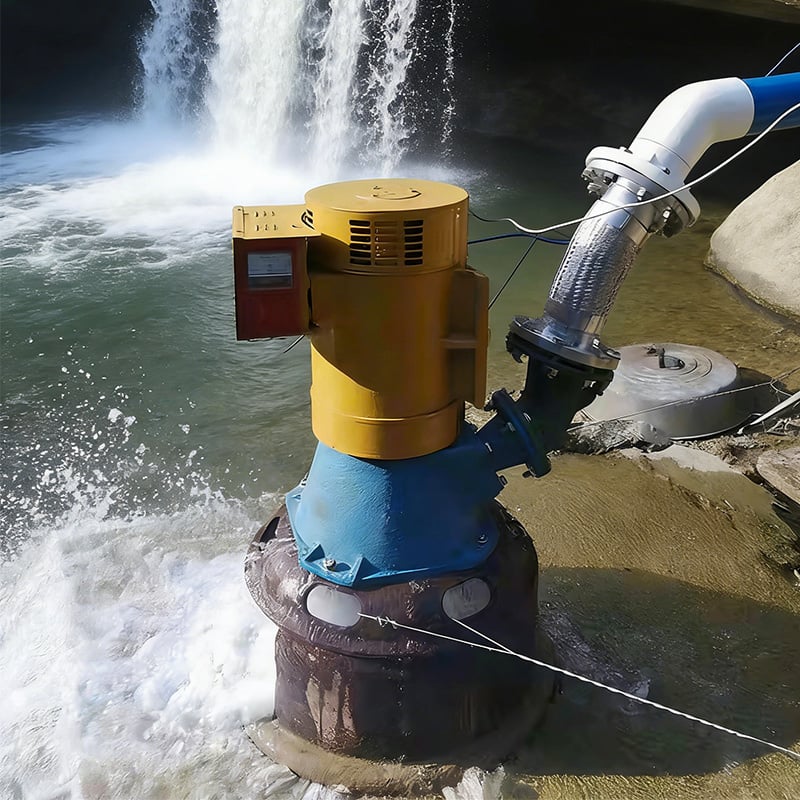
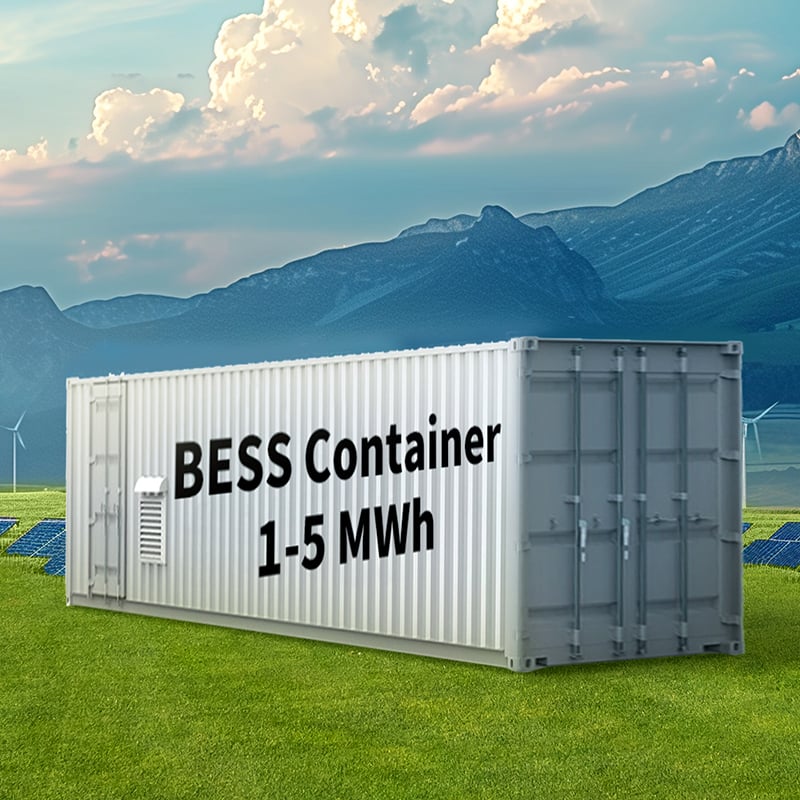
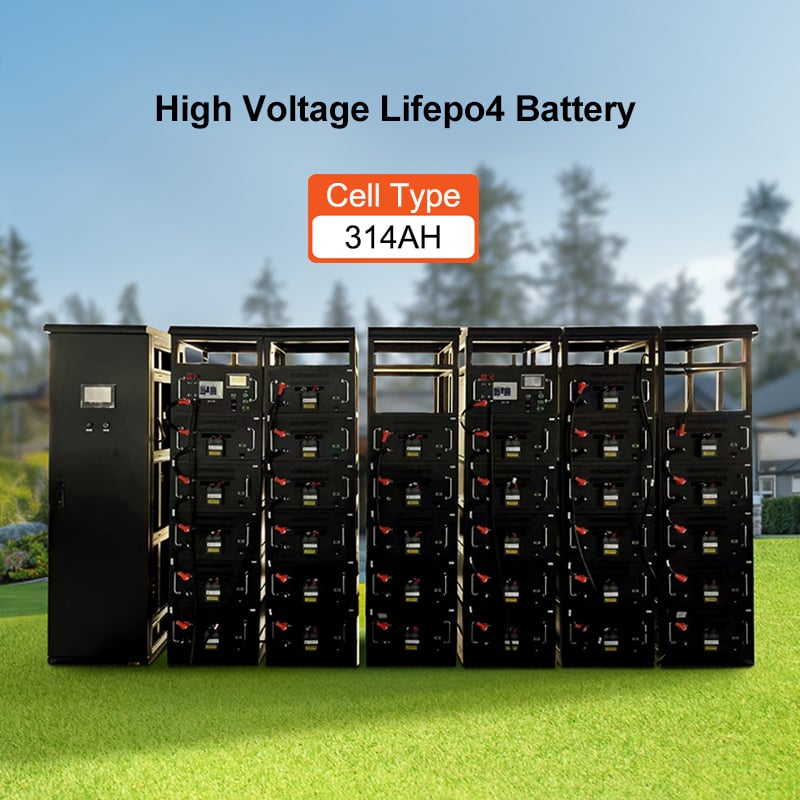
A small wind generators for home use are becoming increasingly popular as a sustainable energy solution for households looking to reduce their reliance on traditional power sources. These compact turbines harness wind energy to generate electricity, offering an eco-friendly alternative that can lead to significant cost savings over time. However, potential buyers often have concerns about efficiency, installation, and compatibility with existing systems. This article will provide valuable insights into selecting the right small wind generator for your home, what to consider as a buyer, sourcing reliable suppliers, understanding cost factors, and troubleshooting common issues.
When selecting a small wind generator for home use, several key factors should influence your decision. First, consider the wind turbine's rated power output, which indicates how much electricity the turbine can generate under optimal wind conditions. This specification is crucial because it directly affects your potential energy savings.
Next, evaluate the turbine's cut-in wind speed, which is the minimum wind speed at which the turbine starts generating electricity. Ideally, you want a model with a low cut-in speed to ensure functionality in various weather conditions. Additionally, consider the design and materials used in the turbine. High-quality materials, such as corrosion-resistant alloys and durable plastics, will enhance the longevity and efficiency of the unit.
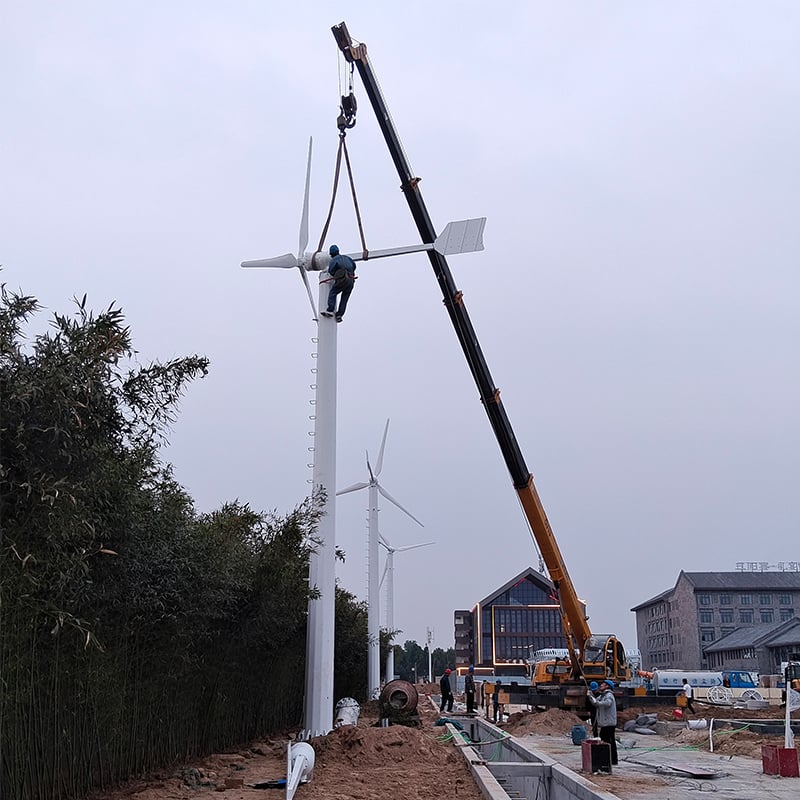
Finally, installation requirements are essential. Some generators may require professional installation, while others are designed for DIY setups. Assess your available space, local zoning regulations, and the type of mounting system that would best suit your property. Consulting with experienced manufacturers like Jiangsu DHC Environmental Si-Tech Co., Ltd., who specialize in customized solutions, can further enhance your selection process.
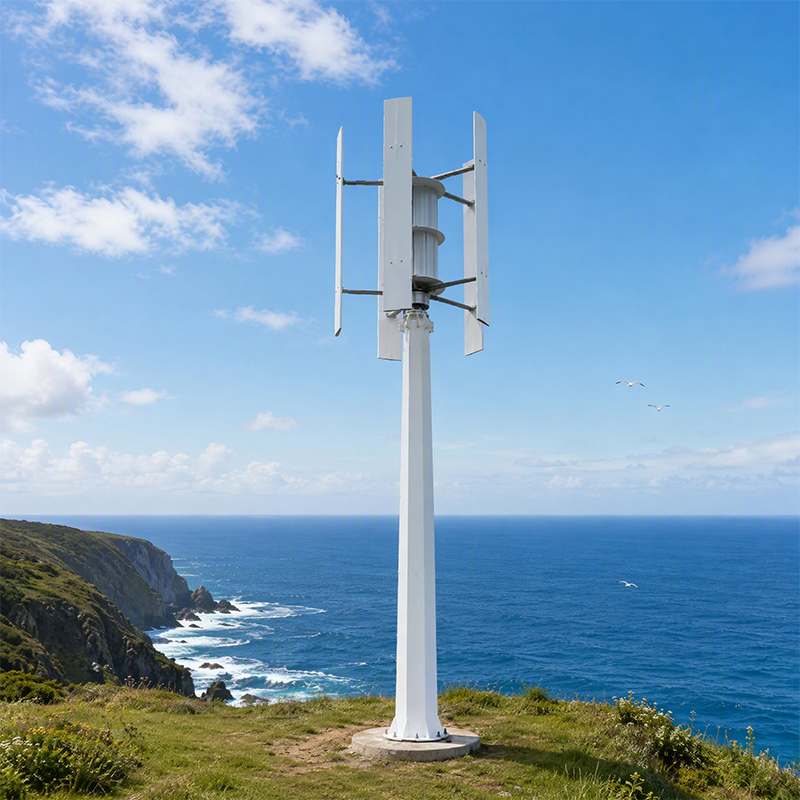
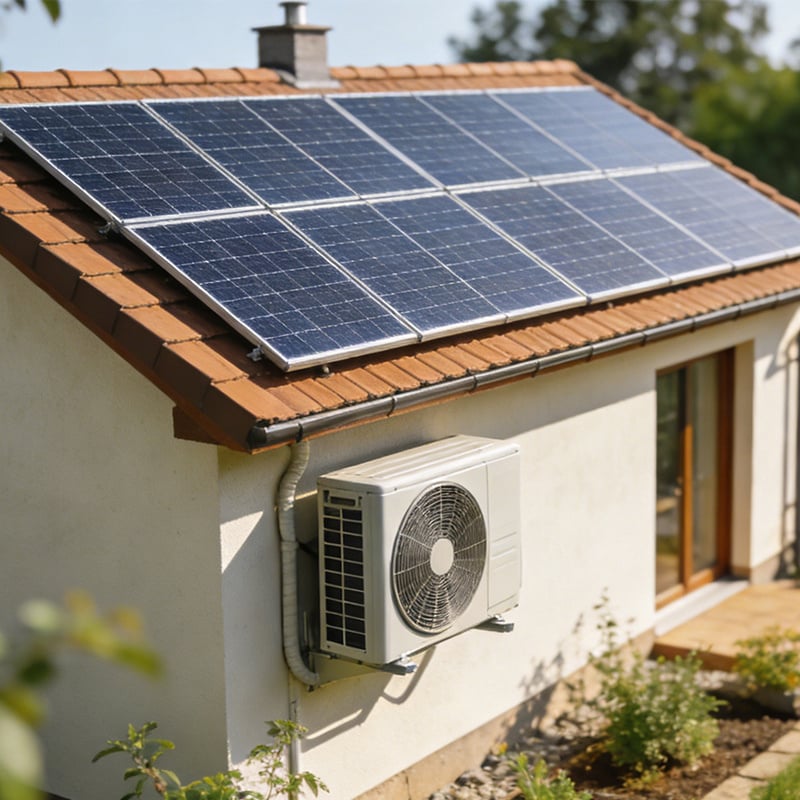
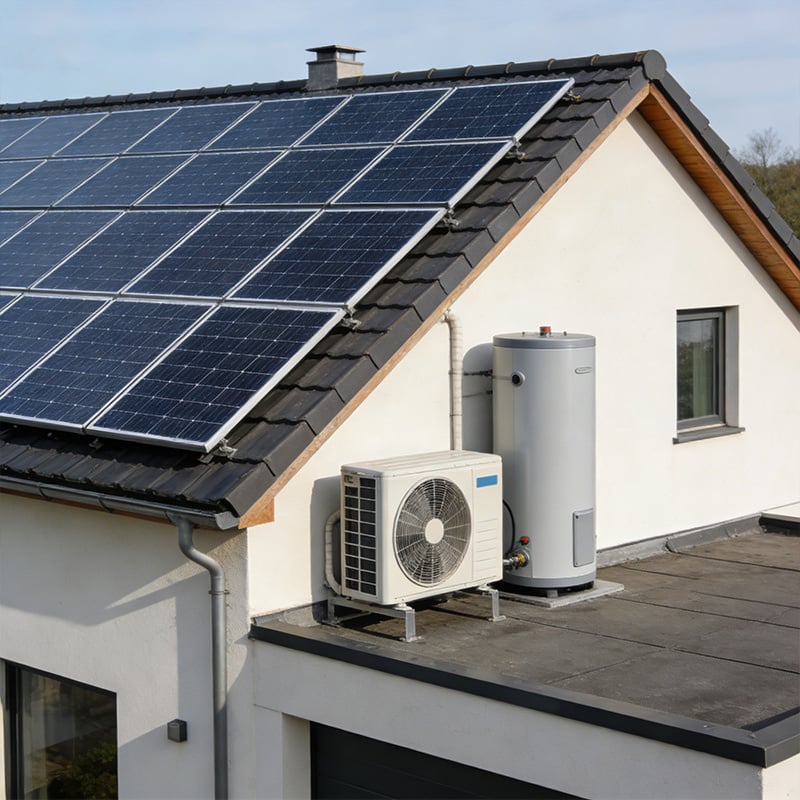
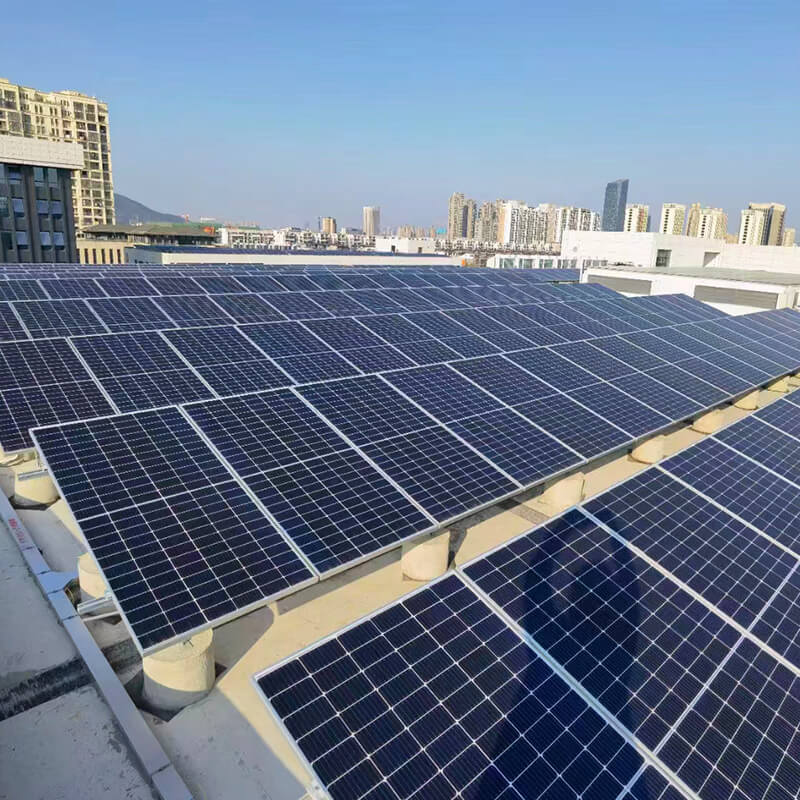
Buyers need to understand several aspects of small wind generators before making a purchase. First, check compatibility with your existing electrical system. Many small wind turbines are designed to work in conjunction with solar power systems, leading to hybrid solutions that can maximize energy generation. Ensure that the inverter and battery storage options align with your selected wind generator.
It's also important to consider the environmental impact and noise level of the turbine. Some models operate more quietly than others, which can be a significant factor if you live in a densely populated area. Researching noise ratings and community feedback can provide valuable insights.
Lastly, always request detailed product specifications and performance data from suppliers. This information is crucial for making informed comparisons and understanding the potential return on investment from your wind generator.
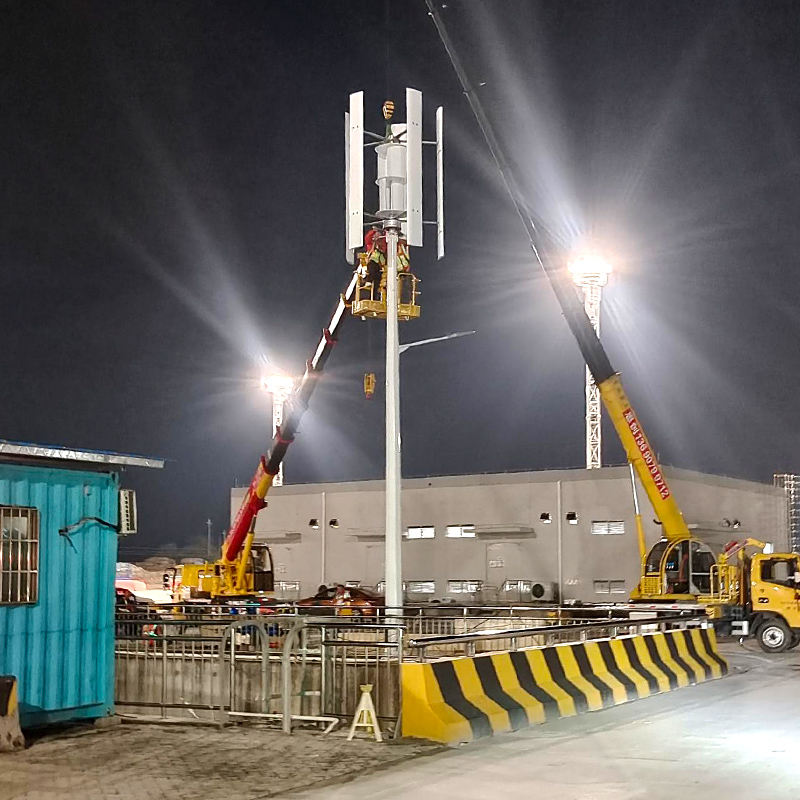
Finding reliable suppliers for small wind generators is critical to ensure the quality and performance of your investment. Start by looking for manufacturers with a proven track record and extensive experience in the renewable energy sector. Jiangsu DHC Environmental Si-Tech Co., Ltd., for instance, offers a strong supply chain and over 15 years of industry experience, enhancing your confidence in their products.
Online marketplaces and industry trade shows can also be effective for discovering suppliers. Ensure that you check for certifications and compliance with local regulations, which can affect product quality and safety. Additionally, seek out customer reviews and case studies to gauge the performance and reliability of the products offered.
Establishing a direct line of communication with potential suppliers can further clarify their capabilities, including customization options and lead times. This dialogue will help ensure that your specific energy requirements and installation conditions are met.
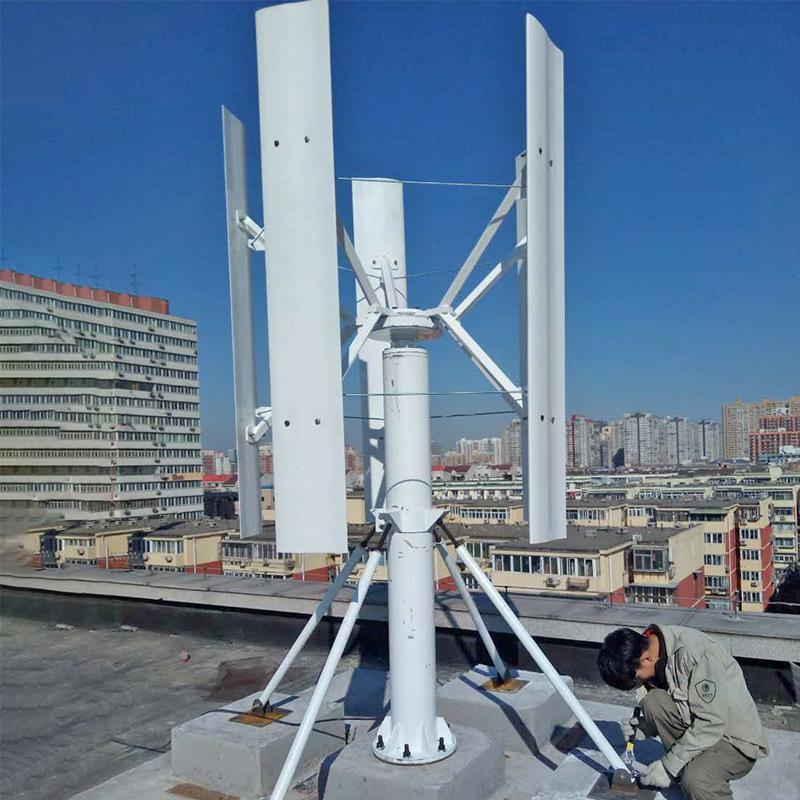
The cost of small wind generators can vary significantly based on several factors. The initial purchase price is just one component; you should also consider installation costs, maintenance expenses, and potential savings on energy bills. When evaluating options, ask suppliers for a comprehensive quotation that includes all associated costs.
The type of turbine you choose will also play a significant role in the overall cost. Horizontal-axis turbines are typically more efficient but may come with higher price tags compared to vertical-axis models, which may be less efficient but are often easier to install and maintain.
Additionally, consider the long-term return on investment. A higher upfront cost for a more efficient and durable generator may lead to greater savings over time, especially in areas with consistent wind speeds. Make sure to analyze the total cost of ownership over the expected lifespan of the turbine.
DHC is market leader the hybrid wind solar power systems. It has its own factory that incorporates R D and production, design, and technical services. Since 2009 our founders have embraced the concept of environmental protection by Eolic generator new technology embraced the corporate culture of "diligence integrity, collaboration and creativity." This is also the source of our name "DHC".
Solar wind energy systems are main focus. With Wind turbine chain management expertise integration capabilities, we are able provide customers with totally customized solutions. offer professional service throughout the day starting from design, production and after-sales.
We dedicated to upholding integrity as cornerstone of our business, offering customers genuine power products expert services. In the case of wind turbines can pay attention is important to committed to keeping integrity as the cornerstone of business, offering customers the best power products as well as 15kw wind turbine for home services. Consider parameters such as blade diameter and wind turbine's weight when you evaluate wind turbines. We promise that all products manufactured by DHC have real power output without exaggerated power.
primary products wind turbines, solar panels and lifepo4 batteries. customers will receive a one-stop-shop service the integration and Wind turbine a wind-solar hybrid as well as smart photovoltaic system. DHC provides reliable products, technologies, and after-sales service to customers with excellent delivery capability.
Despite the benefits of small wind generators for home use, they can encounter several common issues. One frequent problem is insufficient wind speed, which can lead to underperformance. If you live in an area with variable winds, consider a model designed to operate effectively in lower wind conditions. Additionally, conducting a wind resource assessment before installation can help ensure the chosen location is optimal.
Another issue is noise, which can be a concern in residential areas. If noise is a potential problem, look for turbines specifically designed for quiet operation. Manufacturers often provide noise ratings that can guide your selection.
Lastly, regular maintenance is essential for keeping your wind generator functioning optimally. This includes routine inspections, cleaning, and checking for wear and tear on components. Establishing a maintenance schedule can prevent more significant issues down the line and ensure that your investment remains efficient and reliable.
By understanding these common challenges and their solutions, buyers can make more informed decisions and select the right small wind generator for their home needs.
Welcome to DHC, the top brand of wind solar hybrid power system! We provide innovative and effective new energy solutions including wind turbine, solar panel, lifepo4 battery, etc.




 EN