Small wind power turbines are increasingly recognized as a viable renewable energy solution for various applications, from powering homes to supporting agricultural operations. As a B2B buyer, your primary concerns may include efficiency, cost-effectiveness, and reliability of these systems. This small wind turbine article aims to provide you with essential insights into selecting the right small wind power turbine, understanding purchasing options, evaluating material advantages, considering cost factors, and addressing common issues that may arise during use.
Selecting the appropriate small wind power turbine involves evaluating several key factors tailored to your specific application. Start by assessing the energy needs of your project. Calculate the total energy consumption to determine the turbine's required output. It's crucial to consider the average wind speed in your location since turbine performance is significantly affected by local wind conditions. Turbines are rated by their maximum output at a specific wind speed, so a turbine that performs well in low-wind areas may differ from one meant for high-wind regions.
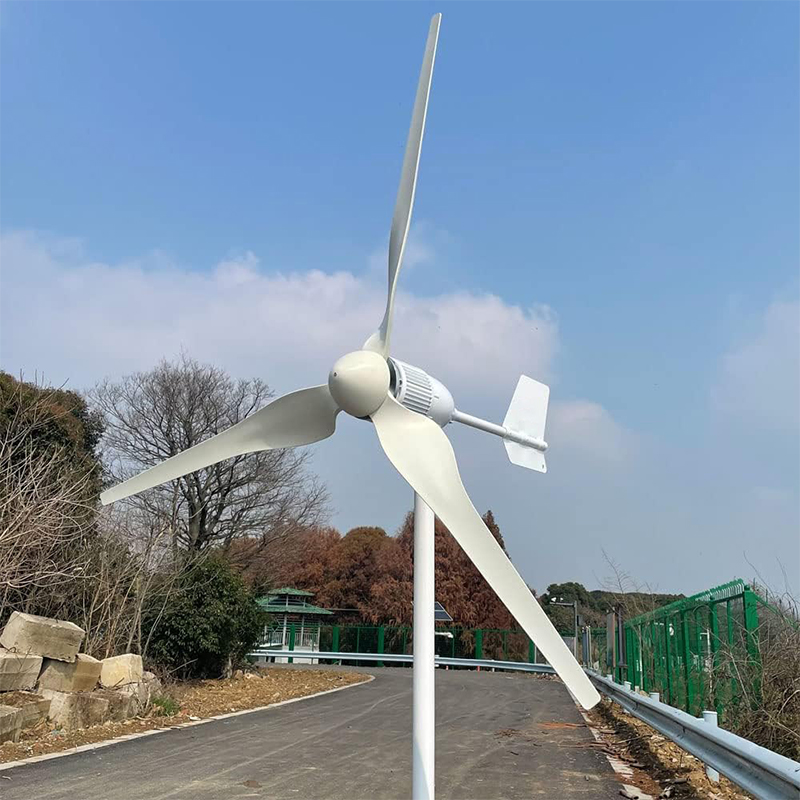
Another critical aspect is the turbine's height and rotor diameter. Taller turbines can capture more wind and produce more energy, but they may require more substantial installation and maintenance considerations. Also, small eolic generator pay attention to the turbine's design and technology, such as vertical versus horizontal axis turbines, as each has its advantages and is suited to different environments.
Lastly, consider the manufacturer’s experience and support services. A reputable manufacturer, like Jiangsu DHC Environmental Si-Tech Co., Ltd., can offer insights into product customization, efficiency, and warranty options, ensuring that you select a turbine that best fits your operational goals.
When considering wholesale purchasing options for small wind power turbines, it’s important to understand the different avenues available. Many manufacturers offer bulk purchasing discounts, which can significantly lower the unit cost. You may negotiate these prices directly with the manufacturer or through distributors who specialize in renewable energy products.
Furthermore, inquire about the minimum order quantity (MOQ) as this can vary by supplier and product. Jiangsu DHC Environmental Si-Tech Co., Ltd., for instance, might offer flexible MOQ options based on your project’s needs, allowing for customized solutions that suit both small and large-scale deployments.
Additionally, when purchasing wholesale, ensure to clarify lead time and shipping logistics. Understanding delivery timelines can help in planning your project phases effectively. Buyers should also confirm the terms of warranty and after-sales support, as these can vary between suppliers and can impact the overall cost of ownership.
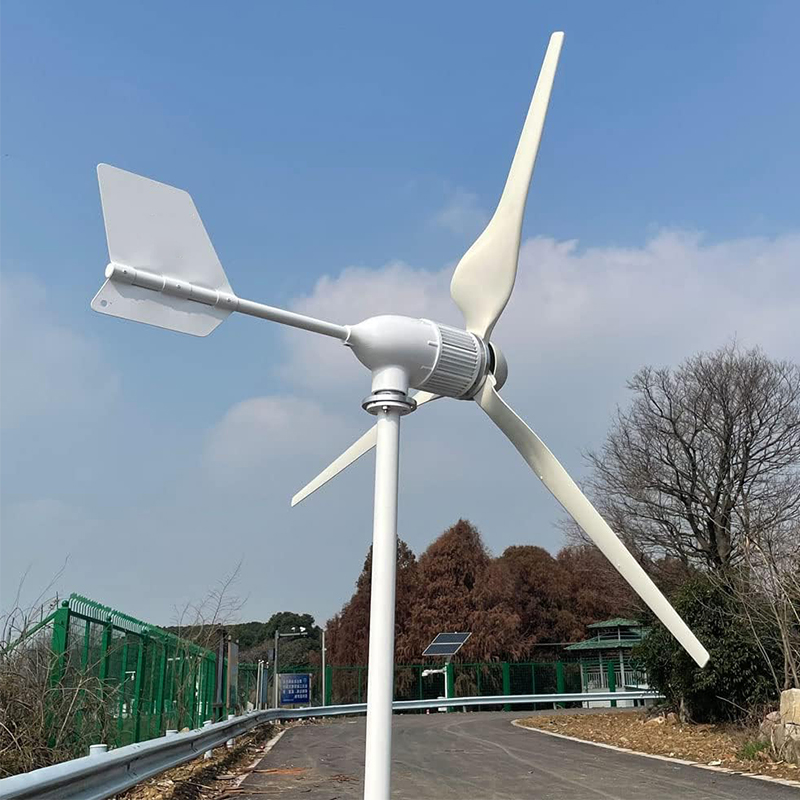
The choice of materials in small wind power turbines directly influences their performance, durability, and maintenance requirements. Turbines are commonly constructed from materials like fiberglass, steel, and aluminum, each offering distinct advantages.
Fiberglass, for instance, is lightweight and resistant to corrosion, making it ideal for parts exposed to harsh weather conditions. Steel, while heavier, provides strength and durability, particularly in high-wind environments. Aluminum is another choice due to its lightweight nature and resistance to rust, though it may not be as robust as steel in extreme conditions.
Additionally, consider the environmental impact of the materials used. Many manufacturers, including Jiangsu DHC Environmental Si-Tech Co., Ltd., prioritize sustainability by utilizing recyclable materials and eco-friendly production processes. This not only supports environmental goals but can also enhance your project's overall image.
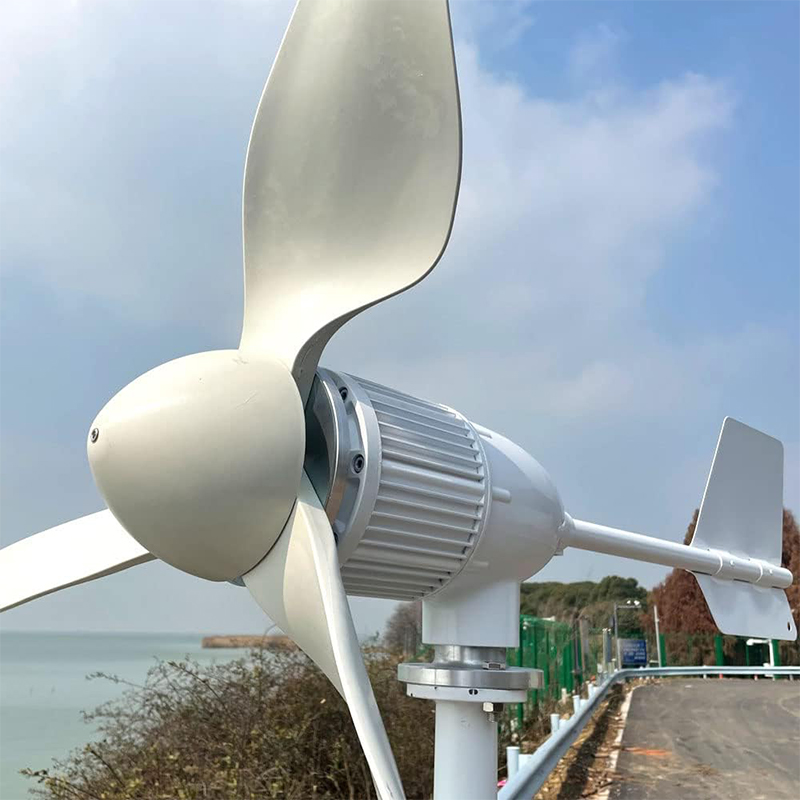
Understanding the cost factors associated with small wind power turbines is essential for budgeting accurately. The initial purchase price is only one aspect; consider installation, maintenance, and operation costs as well. Installation can involve additional expenses, such as site preparation and electrical connections, which vary based on location and site conditions.
Maintenance costs are also crucial to factor in. Regular inspections and potential repairs can add to the total cost over a turbine's lifespan. It's vertical eolic turbine advisable to inquire about the manufacturer's maintenance recommendations and warranty coverage to mitigate unexpected expenses.
Another significant cost consideration is the potential return on investment (ROI). Evaluate the energy savings you'll derive from the turbine compared to its total cost, including financing options if applicable. This analysis can provide a clearer picture of the financial benefits associated with your investment in small wind power technology.
Our commitment integrity the foundation of our business. We provide genuine power products and provide skilled service. Regarding wind turbines can pay attention is important to committed to preserving integrity as the primary goal of our enterprise, and we offer customers real power products and professional services. It is possible to consider factors such as blade diameter as well as wind turbine weight when Wind turbine for home 5kw wind turbines. We ensure that all products made by DHC are based on actual power output and not overinflated power.
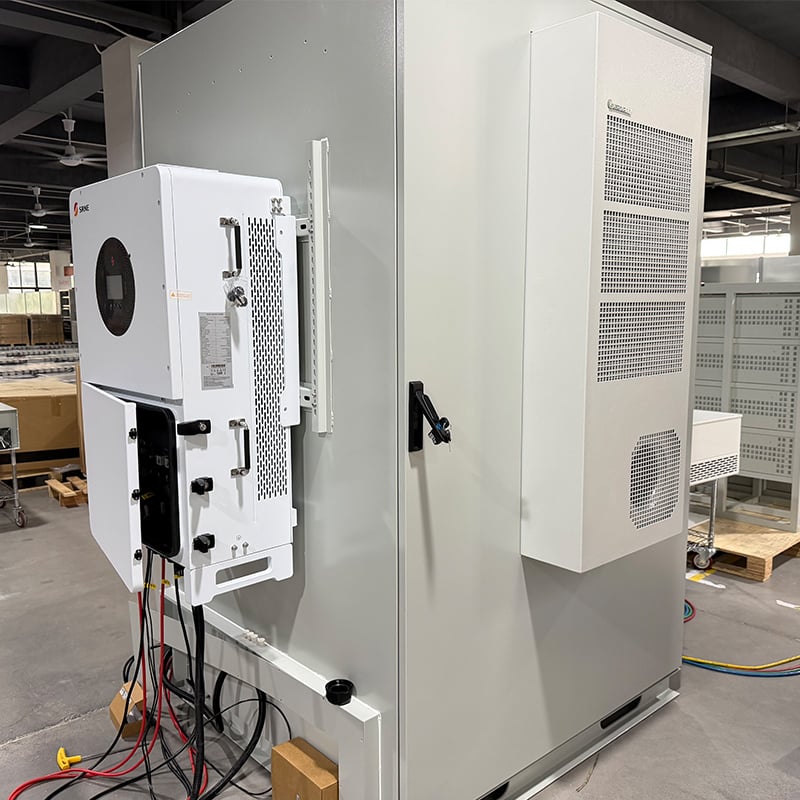
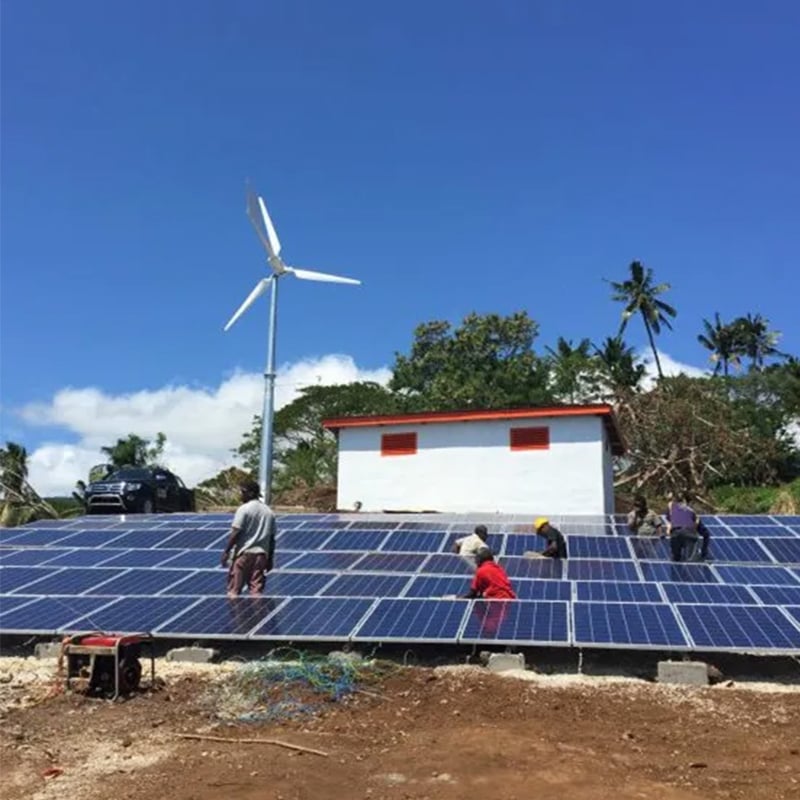
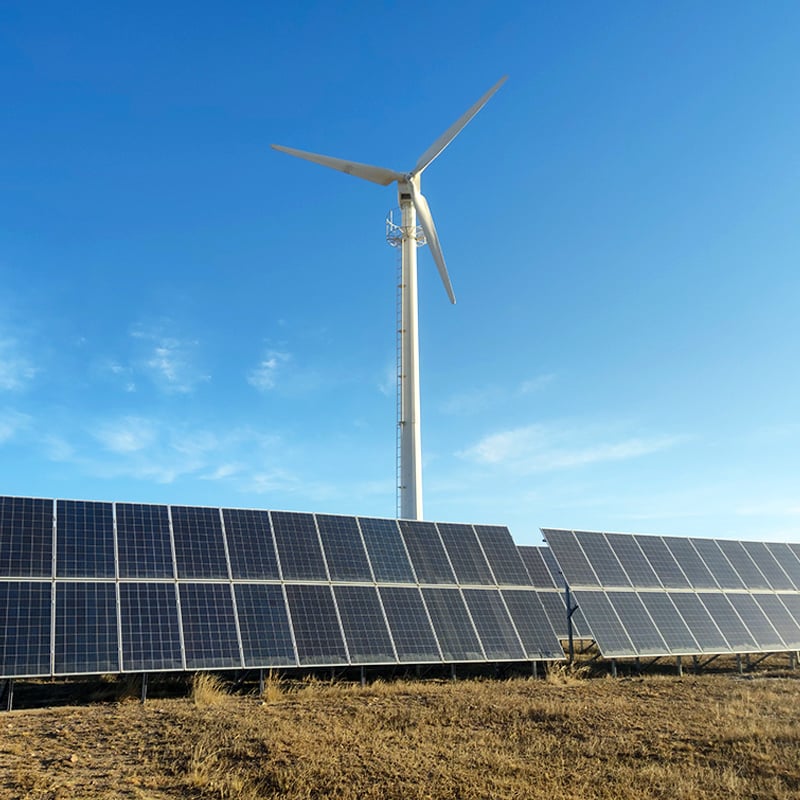
Solar wind power systems are the main focus our wind turbine and generator. can provide our customers with custom solutions using expert supply chain management capabilities the ability to integrate. will offer you high-quality service all hours of day from production to design and after-sales.
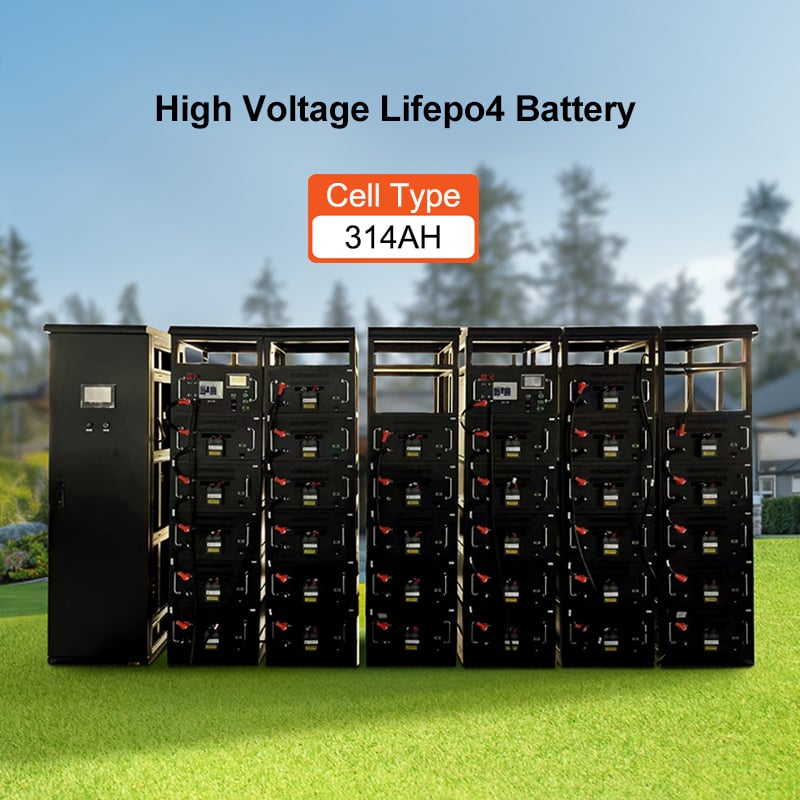
primary products wind turbines, solar panels and lifepo4 batteries. customers will receive a one-stop-shop service the integration and Vertical wind turbine a wind-solar hybrid as well as smart photovoltaic system. DHC provides reliable products, technologies, and after-sales service to customers with excellent delivery capability.
DHC is leading brand in the hybrid wind solar power systems. It has own factory that incorporates R D production, design, and technical services. Since 2009 the founders DHC have been implementing the idea protecting the environment and have been immersed in the latest technology and Wind turbine the corporate values "diligence and integrity, co-operation and creativity." This is also the source of our name "DHC".
While small wind power turbines are generally reliable, they can encounter specific issues that buyers should be aware of. One common problem is the turbine's inability to generate power in low wind conditions. To address this, ensure that the selected turbine is optimized for the local wind profile and that the installation site is free from obstructions that could block wind flow.
Another issue may arise from mechanical failures, such as bearing wear or electrical system malfunctions. Regular maintenance checks can identify these problems early. Establishing a maintenance schedule in accordance with the manufacturer's guidelines can help prevent significant downtime.
Lastly, noise generated by the turbine can be a concern, especially in residential areas. Look for turbines designed with noise-reducing features or consider their placement carefully to minimize disruption. Consulting with your manufacturer about these concerns can lead to effective solutions tailored to your project's unique needs.
By keeping these considerations in mind, you can make informed decisions about small wind power turbines that align with your operational goals and project requirements. Whether you are a purchasing manager, distributor, or engineer, understanding the nuances of these systems will empower you to choose the right solution for your renewable energy needs.
Welcome to DHC, the top brand of wind solar hybrid power system! We provide innovative and effective new energy solutions including wind turbine, solar panel, lifepo4 battery, etc.
 EN