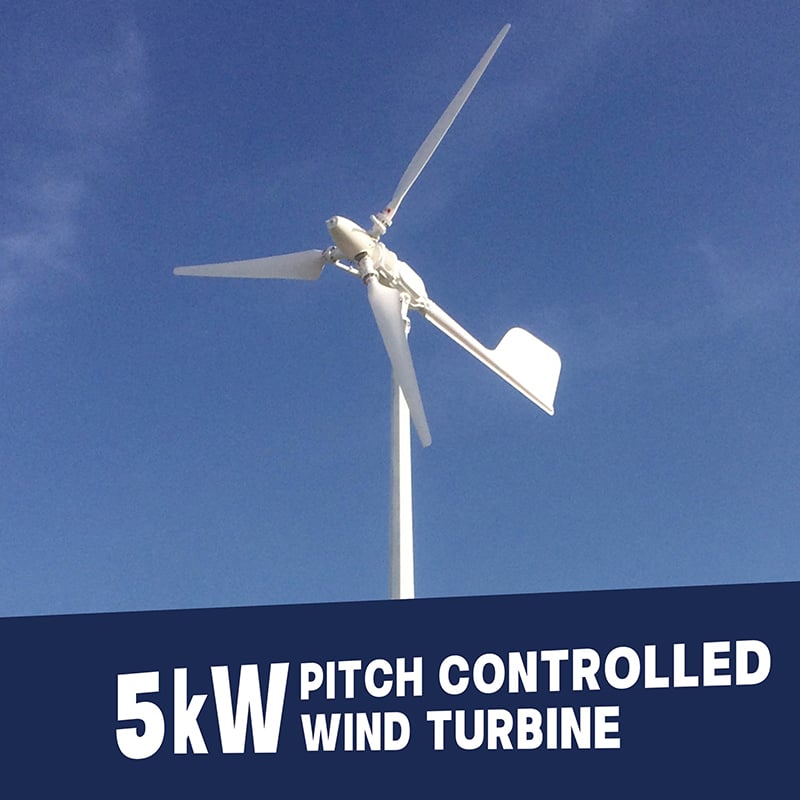
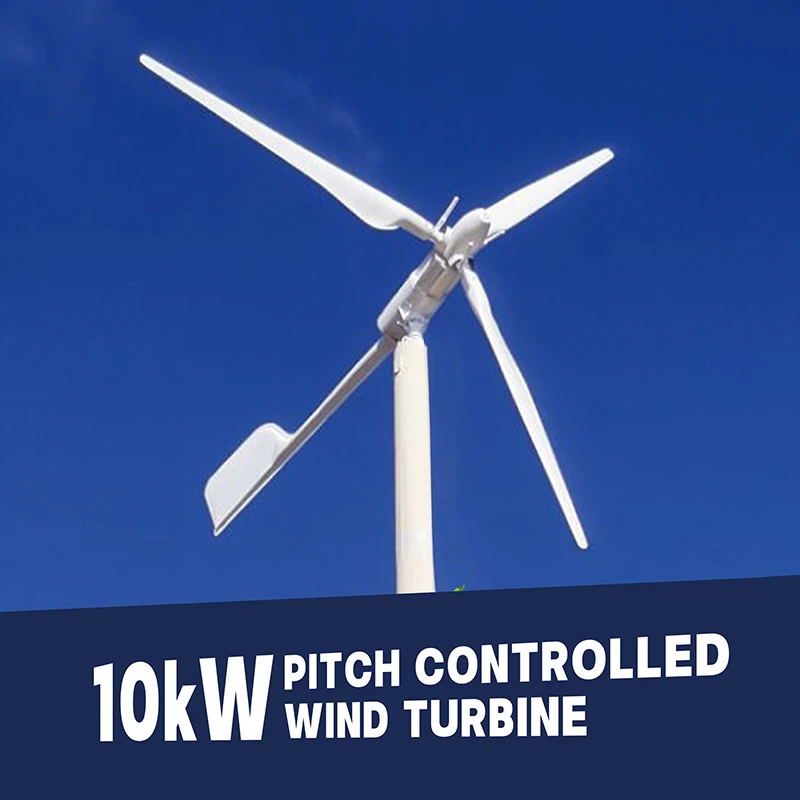
Small wind turbines for home use are becoming an increasingly popular choice for homeowners looking to harness renewable energy. These compact systems generate electricity from wind, providing a sustainable energy solution that can lower utility bills and reduce carbon footprints. However, when considering a small wind turbine, B2B buyers—including purchasing managers, distributors, and engineers—often face several concerns such as product specifications, quality assurance, installation, and customization options. This article will address these key considerations to help facilitate informed purchasing decisions.
When sourcing small wind turbine for home applications, buyers can explore various wholesale options, often depending on their specific needs and budget. Jiangsu DHC Environmental Si-Tech Co., Ltd. offers competitive wholesale pricing, particularly for bulk orders, which can significantly reduce costs per unit. Buyers should consider partnerships with manufacturers that have a strong supply chain and can provide comprehensive support, including customization of turbine specifications based on local wind conditions. Additionally, evaluating suppliers that offer a range of models can help in selecting the most suitable turbine for specific residential applications. It's advisable for buyers to request samples or prototypes before placing large orders, allowing for a thorough evaluation of quality and performance.
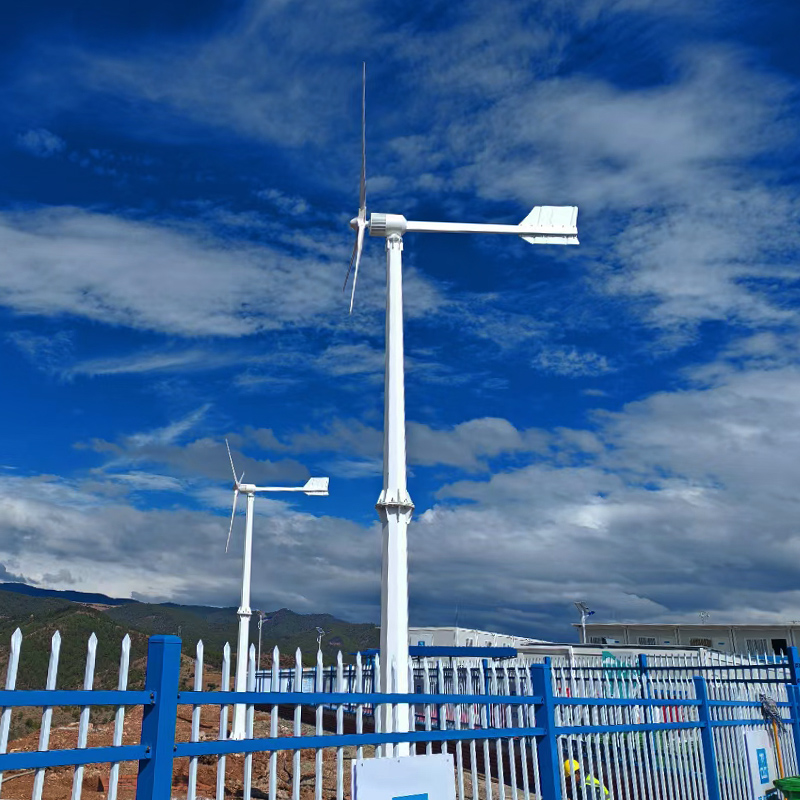
Understanding the key specifications is crucial when selecting a small wind turbine for home use. Key specifications include: Rated Power Output: This indicates the maximum electricity the turbine can produce under optimal wind conditions. Buyers should assess their energy needs to choose a turbine with an appropriate output. Cut-in Wind Speed: The minimum wind speed at which the turbine starts generating power. A lower cut-in speed can be beneficial in areas with less consistent wind. Rotor Diameter: Larger diameters capture more wind, potentially leading to higher energy production. However, the installation space and local zoning laws should be considered. Height of the Turbine: Taller turbines often capture stronger winds. Buyers should evaluate site conditions to determine the appropriate height for optimal performance. Ensuring that these specifications match the home’s energy consumption needs is vital for maximizing efficiency and return on investment.
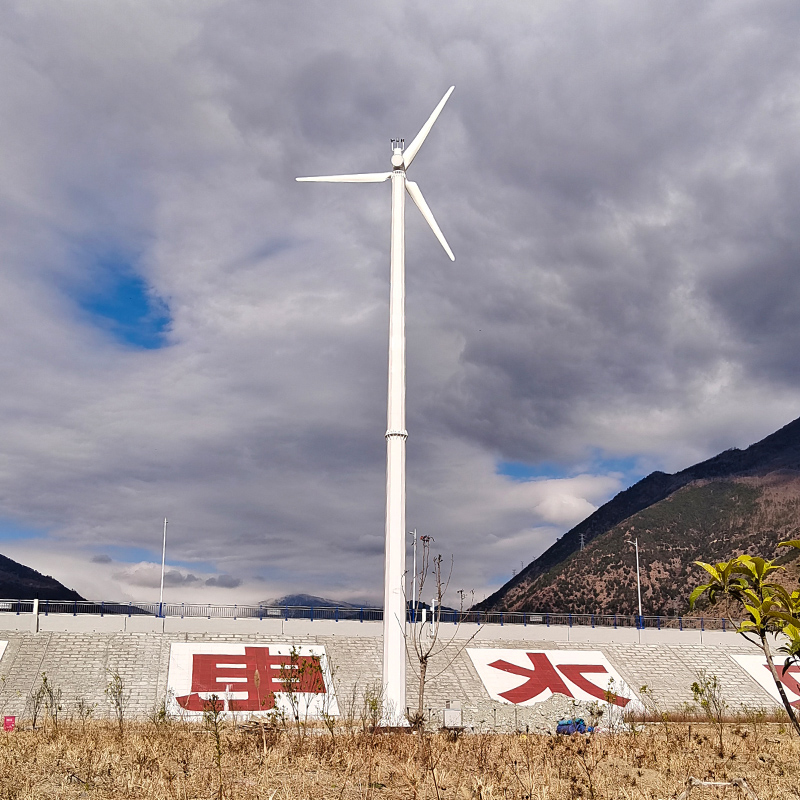
Quality is a critical factor when purchasing small wind turbines. Buyers should consider several aspects: Material Quality: Turbines made from durable materials, such as corrosion-resistant metals or high-strength composites, can withstand harsh weather conditions and have a longer lifespan. Manufacturing Certifications: Look for manufacturers that adhere to international quality standards and certifications, which indicate a commitment to quality and safety. Performance Testing: Verify that the turbines have undergone rigorous testing to ensure they meet performance claims. This includes wind tunnel tests and field evaluations. Warranty and Support: A robust warranty can provide peace of mind, while strong customer support can assist with installation and maintenance issues. Buyers should conduct thorough due diligence on potential suppliers to ensure they provide high-quality products that meet industry standards.
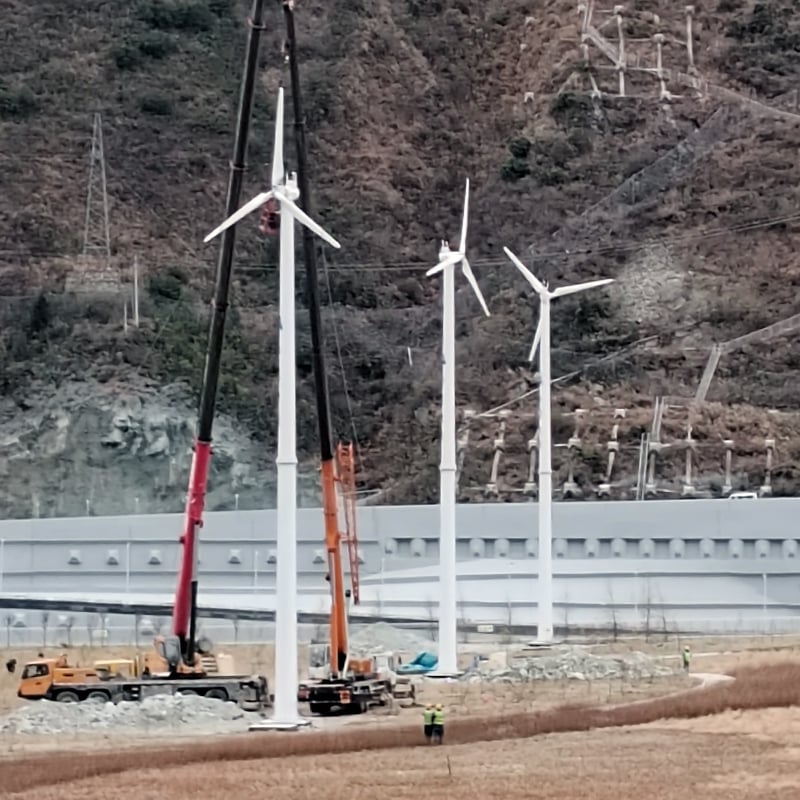
Installation can significantly affect the performance of small wind turbines. Buyers should consider the following guidelines: Site Assessment: Before installation, conducting a site assessment is crucial to determine the suitability of the location. Factors such as average wind speed, turbulence, and proximity to obstructions (like trees or buildings) can impact efficiency. Foundation Requirements: The foundation must be designed to support the turbine's weight and withstand wind forces. Buyers should consult with engineers to ensure proper design. Permitting and Regulations: Understanding local zoning laws and obtaining necessary permits is essential before installation. Non-compliance can lead to penalties or removal orders. Professional Installation: While some homeowners may opt for DIY installation, hiring a professional can ensure the turbine is installed correctly and safely. Proper installation not only ensures compliance with regulations but also maximizes the turbine’s energy production capabilities.
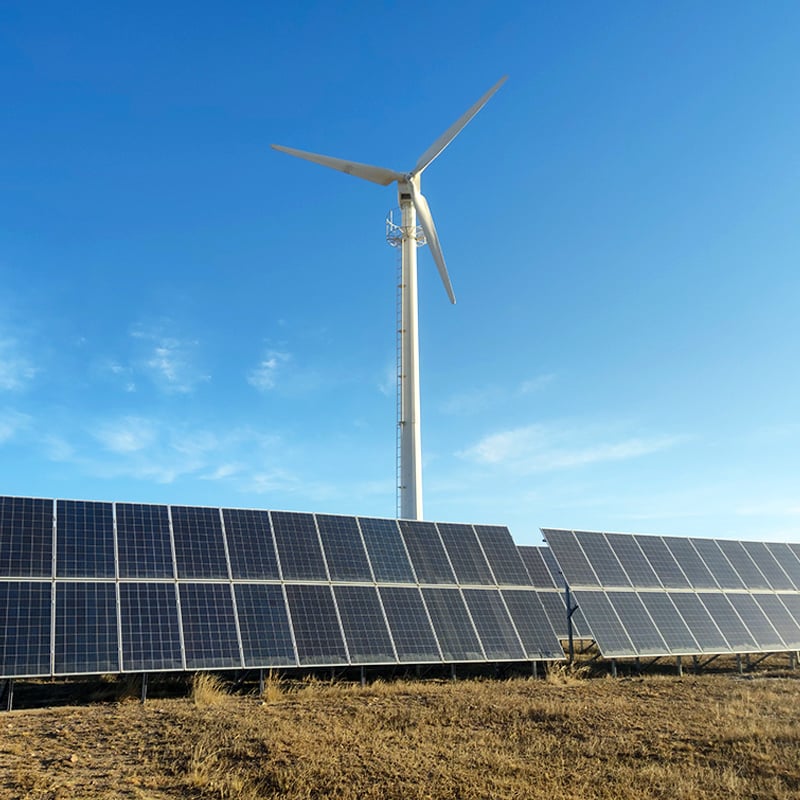
Solar wind power systems are the main focus our wind turbine and generator. can provide our customers with custom solutions using expert supply chain management capabilities the ability to integrate. will offer you high-quality service all hours of day from production to design and after-sales.
main products include wind turbines, solar panels lifepo4 batteries. customers can receive all-in-one-shop solution the integration and design wind-solar hybrid smart photovoltaic systems. DHC is reliable supplier of products, 15kw wind turbine for home, after-sales support customers through the best delivery capabilities.
We dedicated to upholding integrity as cornerstone of our business, offering customers genuine power products expert services. In the case of wind turbines can pay attention is important to committed to keeping integrity as the cornerstone of business, offering customers the best power products as well as 15kw wind turbine for home services. Consider parameters such as blade diameter and wind turbine's weight when you evaluate wind turbines. We promise that all products manufactured by DHC have real power output without exaggerated power.
As most sought-after brand of wind solar hybrid power systems, DHC has own wind turbine factory integrating R D design, production and technical support. founders of DHC have been working on the idea green 2kw vertical axis wind turbine protection since 2009 and immersed in the world of renewable energy adhering to the company's values "diligence as well as honesty, cooperation and innovation." Our DHC brand DHC is the result of this.
The choice of materials in small wind turbine construction can greatly influence performance, durability, and maintenance needs. Key materials include: Aluminum Alloys: These are lightweight, corrosion-resistant, and often used for turbine blades, offering durability while minimizing weight. Composites: Advanced composite materials can provide excellent strength-to-weight ratios, making them ideal for turbine blades that need to withstand high stress during operation. Steel: Used for the turbine tower and other structural components, high-grade steel provides strength and stability, especially in high-wind areas. Coatings: Protective coatings can enhance material longevity and resistance to environmental conditions, reducing maintenance costs over time. Understanding the material advantages helps buyers select turbines that are not only efficient but also cost-effective in the long run. Ensuring that materials are suitable for the specific environmental conditions where the turbine will be installed is crucial for optimizing performance and durability. By addressing these key considerations—wholesale sourcing options, specifications, quality evaluation, installation guidance, and material advantages—B2B buyers can make informed decisions when selecting small wind turbine for home use. This not only enhances energy efficiency but also supports sustainable practices in residential energy consumption.
Welcome to DHC, the top brand of wind solar hybrid power system! We provide innovative and effective new energy solutions including wind turbine, solar panel, lifepo4 battery, etc.




 EN