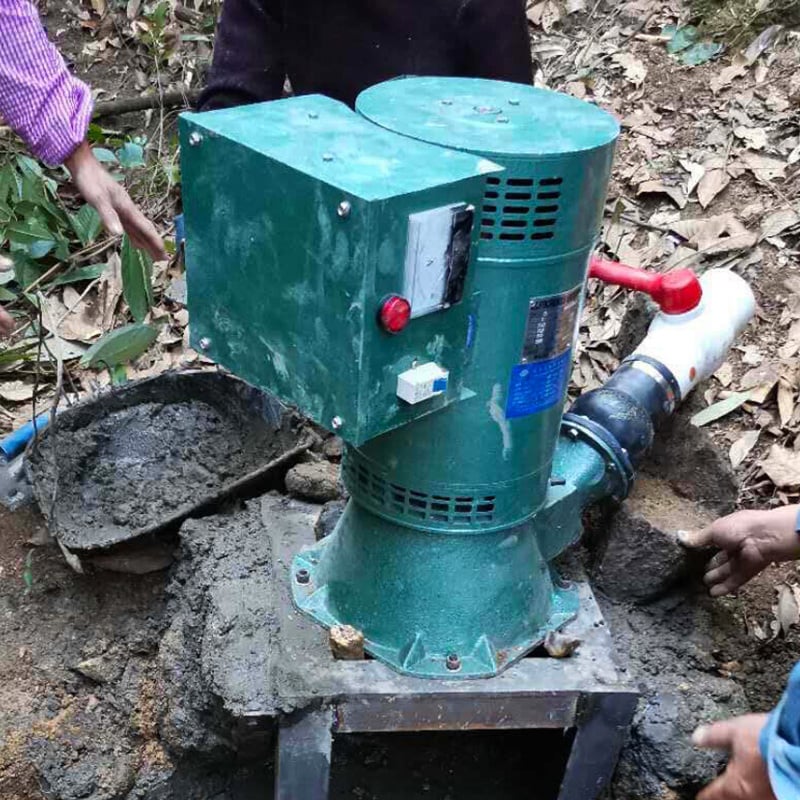
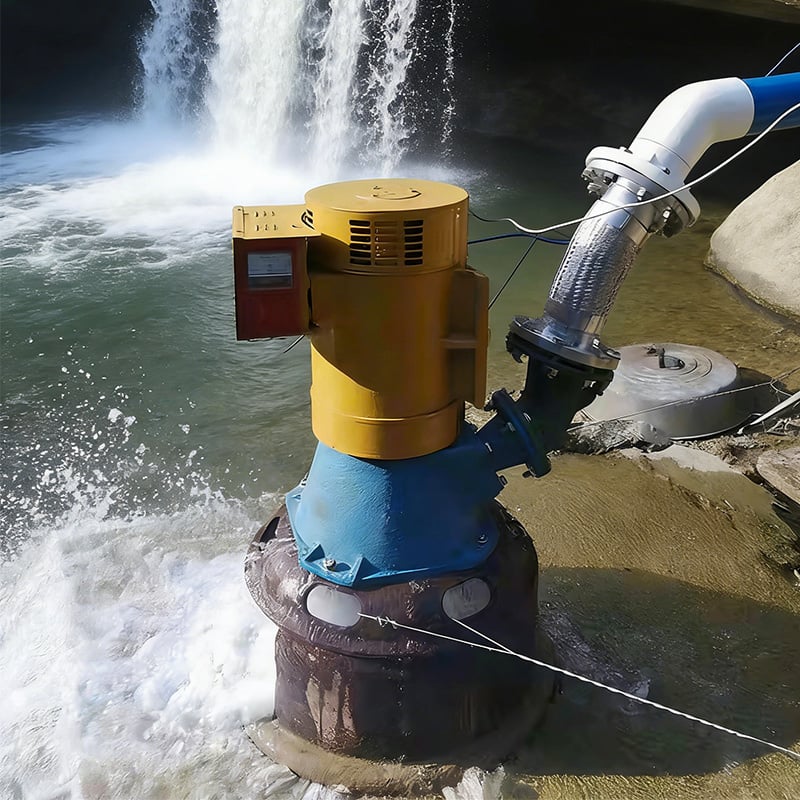
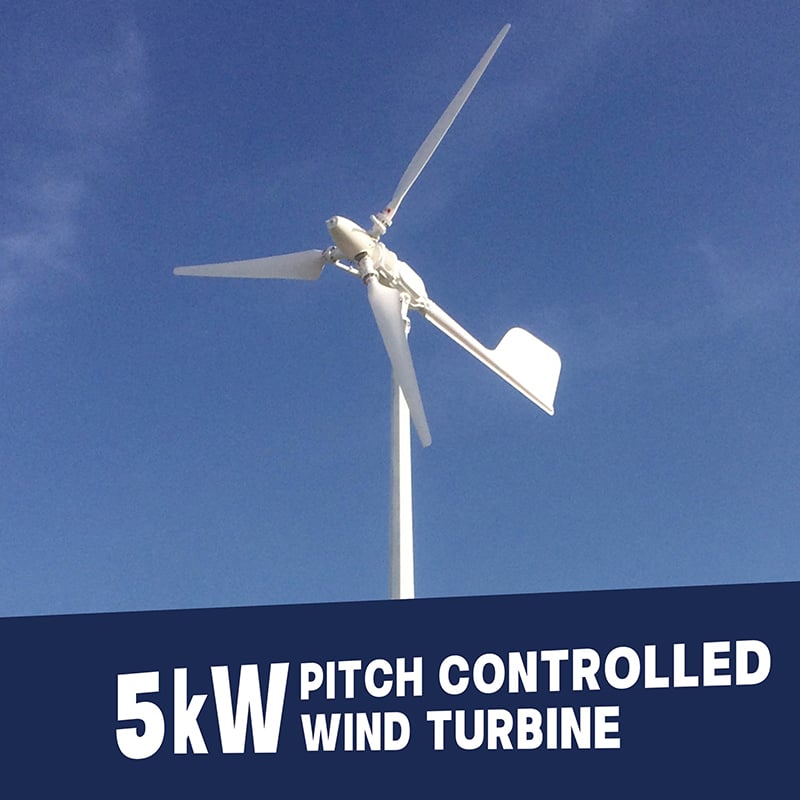
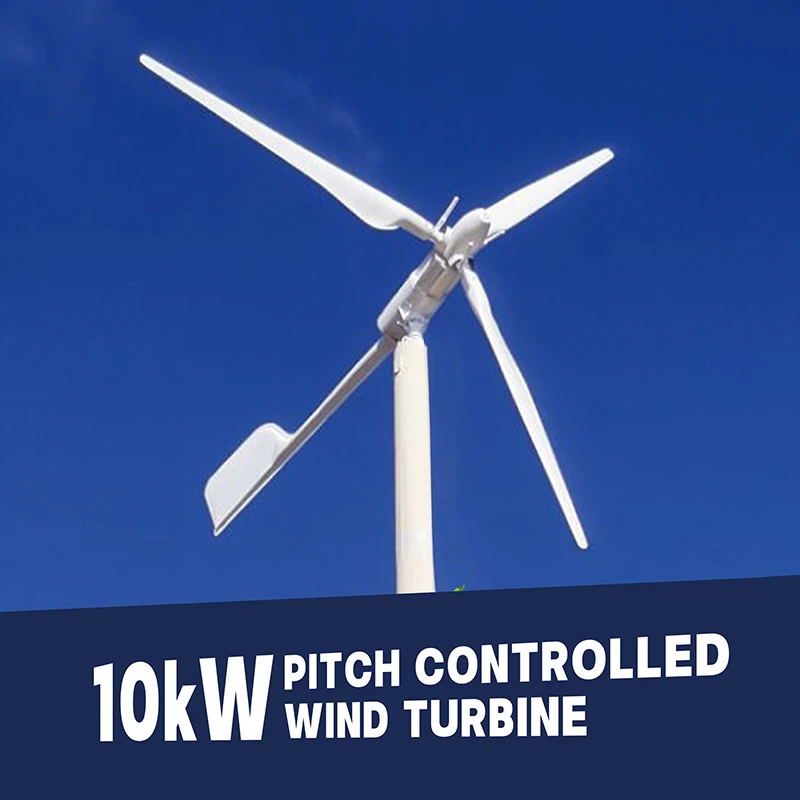
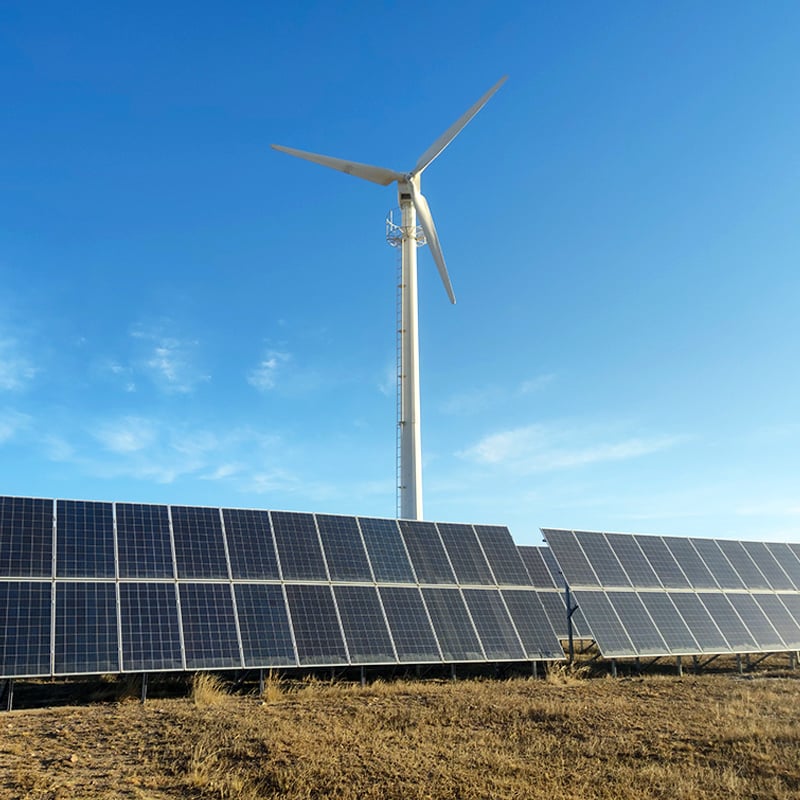
Understanding the tulip turbine is essential for businesses that are seeking efficient solutions in renewable energy systems. As a key component in wind and solar hybrid systems, tulip turbines can significantly enhance energy generation for various applications, including residential, agricultural, and distributed power stations. This article will help you navigate the specifications, sourcing, installation, and benefits of tulip turbines, addressing common concerns for purchasing managers, engineers, and product managers in the industry.
When evaluating tulip turbines for your projects, it's crucial to understand key specifications that directly influence performance. Typically, specifications include rotor diameter, rated power output, and efficiency ratings. The rotor diameter affects the turbine's ability to capture wind energy; larger diameters generally yield higher power outputs. For instance, a turbine with a 5-meter rotor may generate more electricity than a smaller model under the same wind conditions.
The rated power output, usually measured in kilowatts (kW), indicates the maximum energy the turbine can produce under optimal conditions. It's vital to match this output with the energy needs of your application, whether for a residential setup or a larger distributed power station. Buyers should also consider the efficiency rating, which reflects how effectively the turbine converts wind energy into electrical energy. An efficiency rating above 35% is generally acceptable for modern turbines, but higher ratings can lead to significant long-term savings.
Additionally, pay attention to the materials used in construction. High-quality composites or corrosion-resistant metals can enhance durability and lower maintenance costs over time. This specification is particularly important for turbines exposed to harsh environmental conditions.
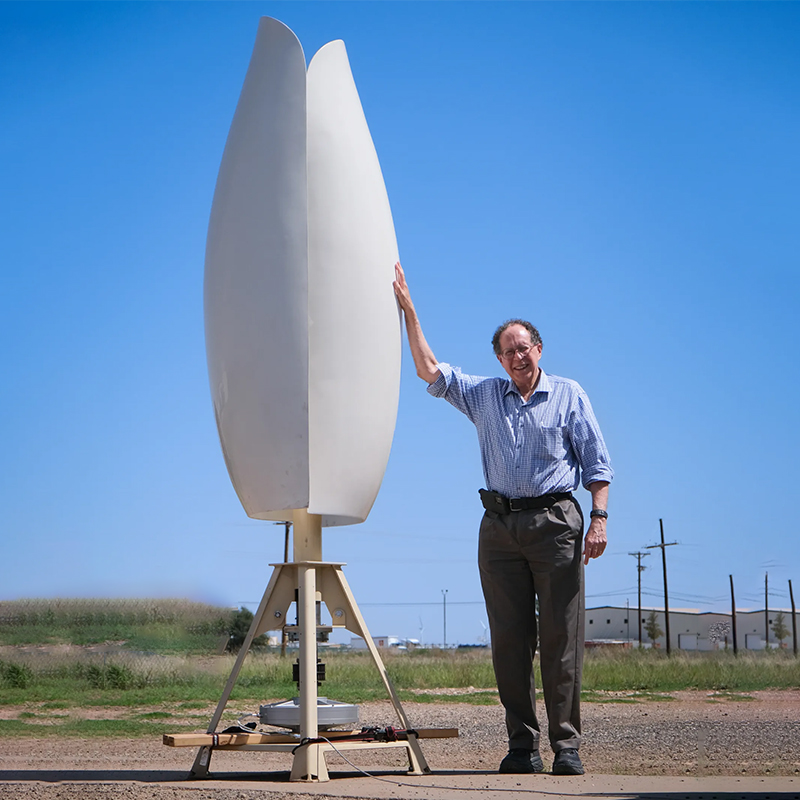
Several key factors should influence your decision when selecting a tulip turbine. First, consider the environmental conditions at the installation site. Wind patterns, average wind speeds, and seasonal variations can affect turbine performance. Conducting a thorough site assessment will help you determine which model suits your needs best.
Next, installation requirements must be evaluated. wind turbine typically require specific mounting structures to optimize performance and safety. Ensure that your site can accommodate these needs, including considerations for spacing between turbines if multiple units will be installed.
Another factor is the turbine's noise level during operation. For residential applications, lower noise turbines are preferable to minimize disturbances. Check manufacturer specifications for decibel levels to ensure compliance with local regulations.
Finally, consider the total cost of ownership, which includes not only the purchase price but also installation, maintenance, and operational costs over the turbine's lifespan. This will provide a clearer picture of the investment involved.
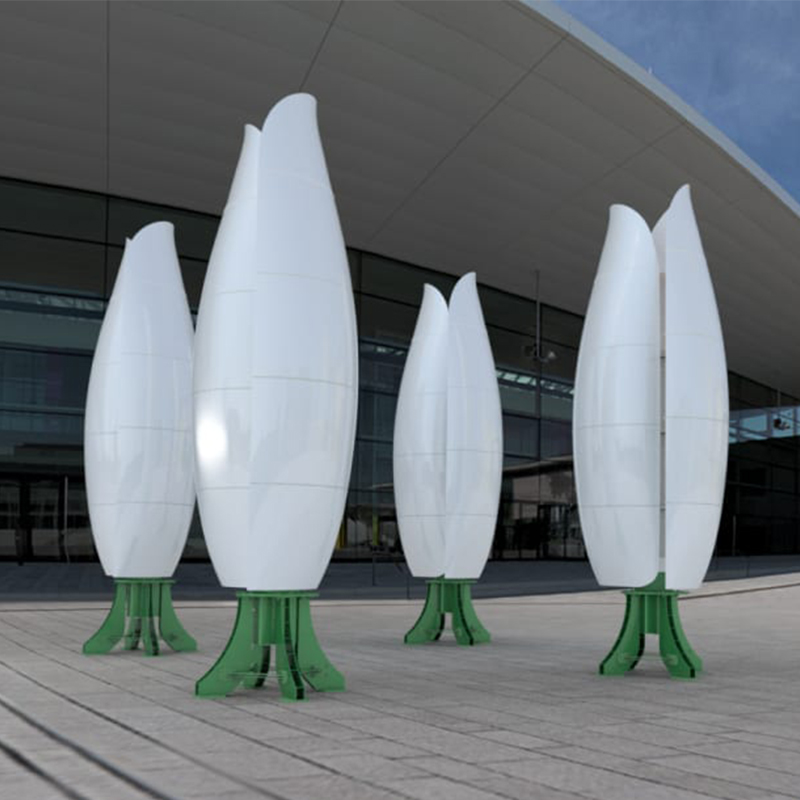
Sourcing reliable tulip turbines involves evaluating potential suppliers based on experience, product range, and customer service. Look for manufacturers with a strong track record in renewable energy, like Jiangsu DHC Environmental Si-Tech Co., Ltd., which specializes in wind and solar hybrid systems.
It's advisable to request product samples or demonstrations to assess the quality firsthand. Additionally, ensure that the supplier can provide documentation regarding certifications, quality control processes, and relevant testing results, which are essential for compliance with industry standards.
Networking within industry groups and attending renewable energy trade shows can also provide insights into reputable suppliers. Engaging with other businesses that have successfully implemented 2kw vertical axis wind turbine can yield recommendations and help you avoid common pitfalls.
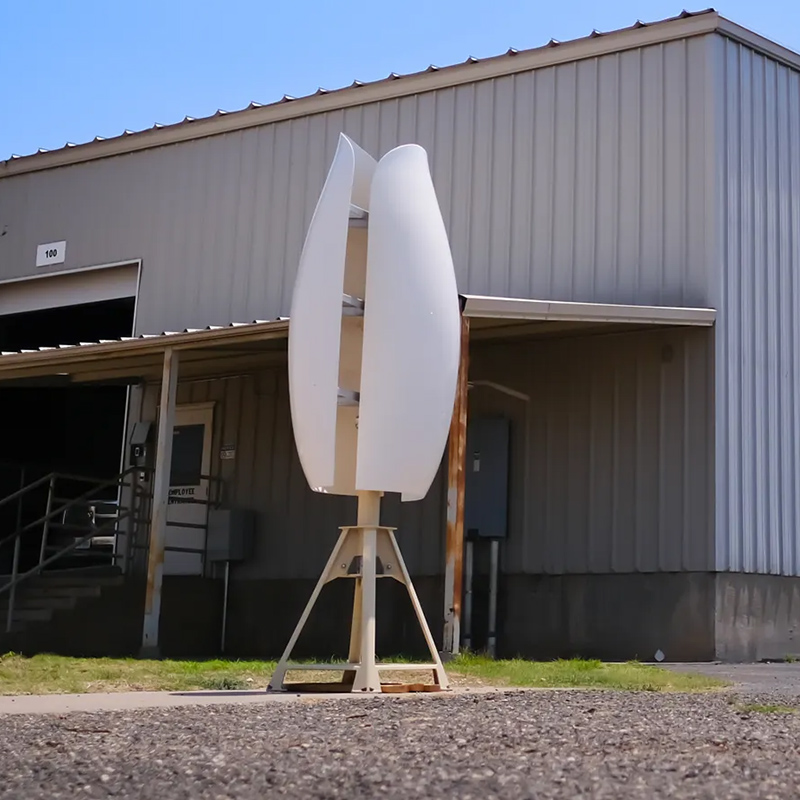
Proper installation is crucial for achieving optimal performance from tulip turbines. Start by selecting a site with minimal obstructions that can disrupt wind flow. Conduct wind assessments to determine the best positioning for maximum exposure.
Additionally, follow the manufacturer's installation guidelines meticulously. This includes ensuring that the foundation is stable and level, as an uneven base can lead to mechanical stress and reduced efficiency. It's also important to ensure that all electrical connections comply with local codes, as improper wiring can lead to operational issues.
Before the final installation, perform a pre-operation inspection to verify that all components are intact and functioning correctly. This includes checking for any signs of damage and ensuring that all safety features are operational.
Lastly, implement a maintenance schedule post-installation to ensure long-term performance. Regular inspections can prevent potential issues and extend the lifespan of your turbine.
main products include wind turbines, solar panels lifepo4 batteries. customers can receive all-in-one-shop solution the integration and design wind-solar hybrid smart photovoltaic systems. DHC is reliable supplier of products, 15kw wind turbine for home, after-sales support customers through the best delivery capabilities.
Solar wind power systems are the main focus our wind turbine and generator. can provide our customers with custom solutions using expert supply chain management capabilities the ability to integrate. will offer you high-quality service all hours of day from production to design and after-sales.
We're committed keeping integrity as the foundation our company, Eolic generator customers the best power products as well as expert services. For wind turbines you can pay attention to important integrity is the foundation our company. provide genuine power products provide skilled service. You can consider parameters like blade diameter wind turbine weight when evaluating wind turbines. DHC assures that its products are able to deliver real power without overstating power.
As most sought-after brand of wind solar hybrid power systems, DHC has own wind turbine factory integrating R D design, production and technical support. founders of DHC have been working on the idea green 5000w wind turbine protection since 2009 and immersed in the world of renewable energy adhering to the company's values "diligence as well as honesty, cooperation and innovation." Our DHC brand DHC is the result of this.
Integrating tulip turbines into hybrid energy systems offers several advantages. One of the most significant benefits is enhanced energy reliability. By combining wind and solar energy, businesses can achieve a more consistent energy supply, reducing reliance on fossil fuels and enhancing sustainability.
Tulip turbines also provide flexibility in energy generation. They can be tailored to fit different energy needs and site conditions, making them suitable for various applications ranging from small residential setups to large commercial projects.
Moreover, tulip turbines are designed for efficiency, often outperforming traditional wind turbines due to their advanced aerodynamic design. This not only maximizes energy output but also reduces operational costs over time.
Lastly, utilizing tulip turbines as part of a hybrid system contributes to lower carbon emissions, aligning with global sustainability goals and potentially offering tax incentives or rebates for businesses investing in renewable energy technologies.
understanding 15kw wind turbine for home specifications, sourcing, installation, and their role in hybrid energy systems will empower you to make informed purchasing decisions. As a trusted manufacturer in renewable energy, Jiangsu DHC Environmental Si-Tech Co., Ltd. can provide the expertise and solutions needed for your energy projects.
Welcome to DHC, the top brand of wind solar hybrid power system! We provide innovative and effective new energy solutions including wind turbine, solar panel, lifepo4 battery, etc.




 EN