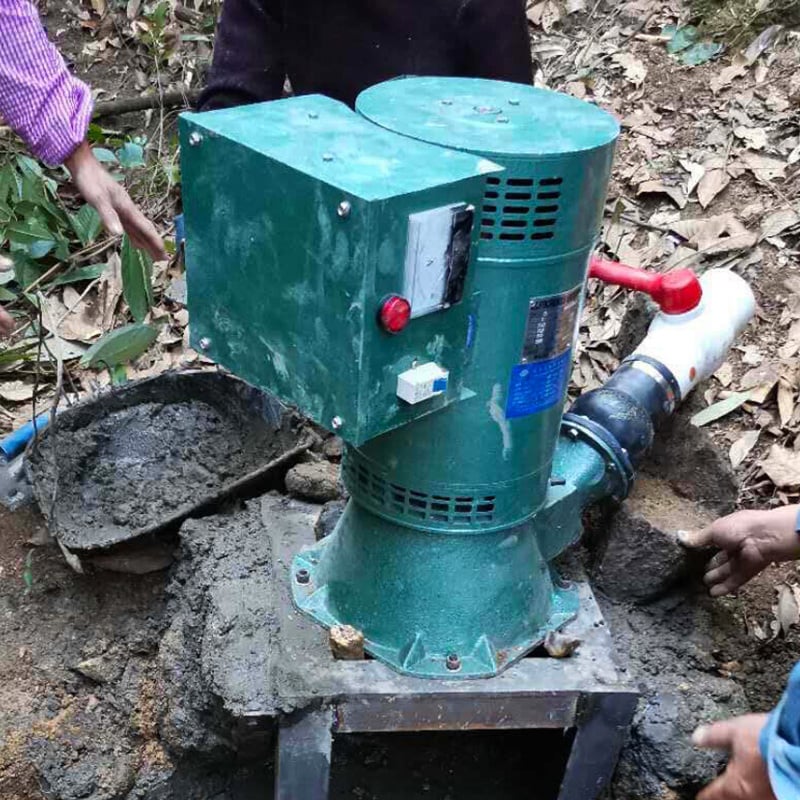
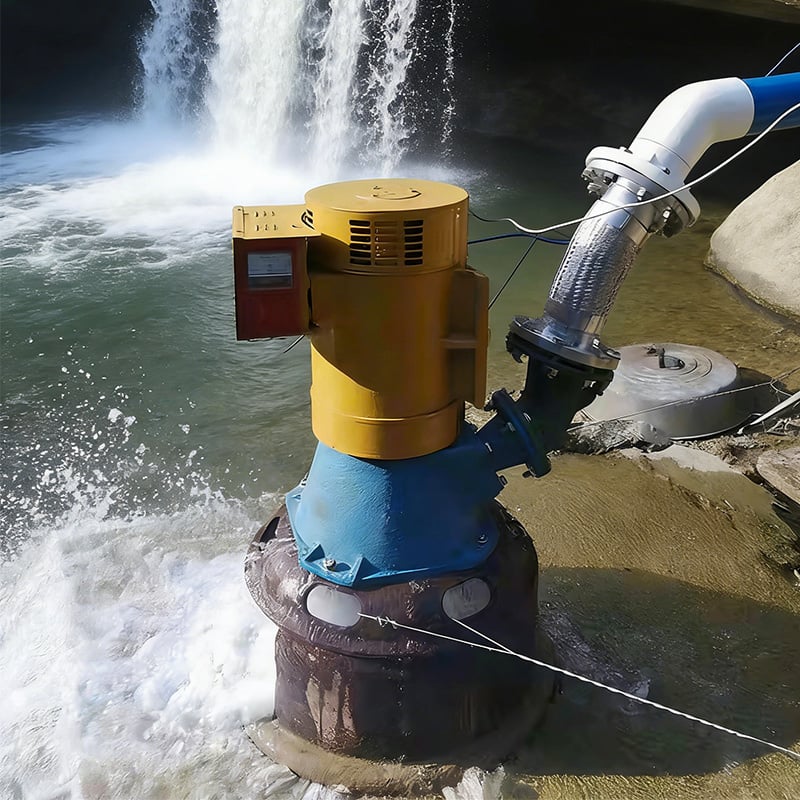
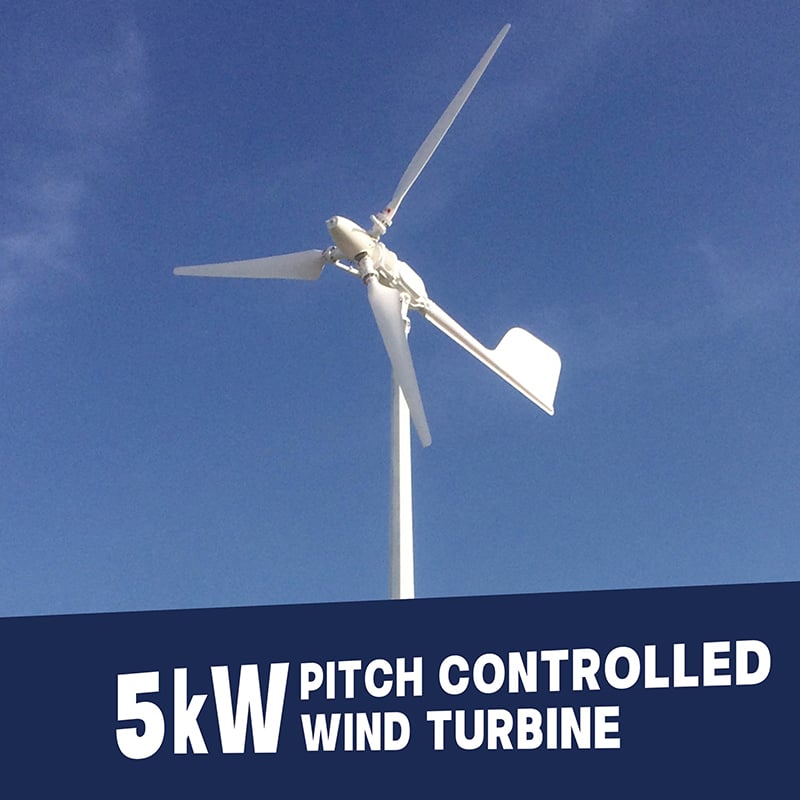
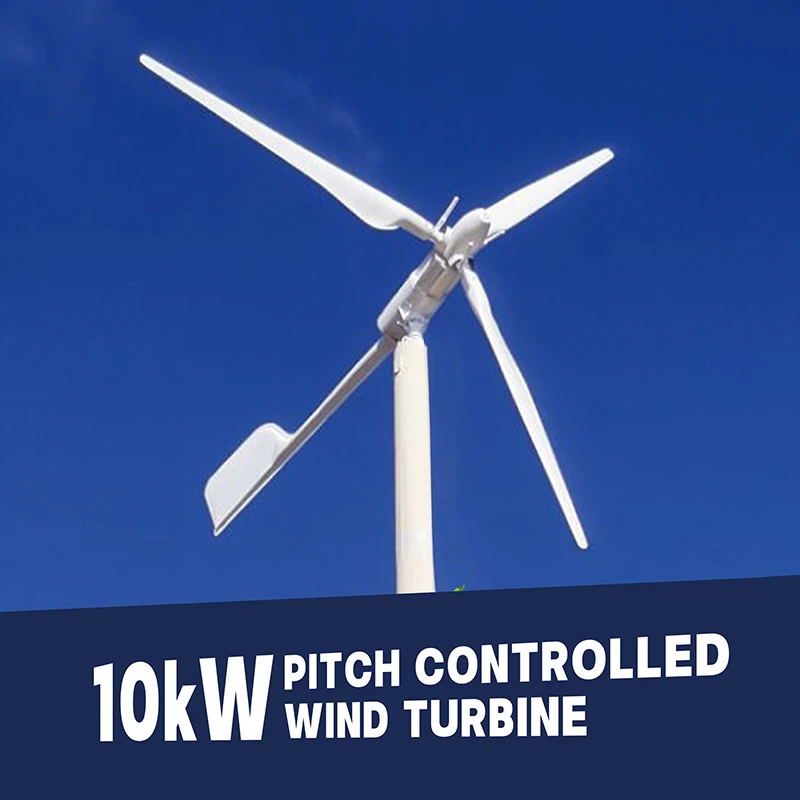
Choosing the right tulip wind turbine for your business needs is essential for optimizing energy efficiency and reliability. As a product of advanced renewable energy technology, tulip wind turbines offer distinctive benefits that can enhance operational sustainability. However, B2B buyers face numerous concerns, including specifications, customization options, and total cost of ownership. This article will provide valuable insights to help purchasing managers and engineers make informed decisions when sourcing wind turbine.
When selecting tulip wind turbines for wholesale, buyers should consider several critical factors:
Specifications: Evaluating the power output, rotor diameter, and height is crucial. A turbine's power output must align with the energy needs of the intended application, whether it's for residential, agricultural, or industrial use. The rotor diameter directly influences efficiency; larger rotors typically capture more wind energy.
Material Selection: The materials used in turbine construction significantly affect durability and performance. Common materials include fiberglass, which offers lightweight advantages, and steel for structural integrity. Buyers should assess material options based on environmental conditions and expected lifespan.
Customization Capabilities: Many suppliers, including Jiangsu DHC Environmental Si-Tech Co., Ltd., offer customization options to meet specific buyer requirements. This could involve adjustments to turbine size, color, or additional features such as integrated solar panels.
Quality Control Processes: Understanding a manufacturer’s quality control measures is vital. Robust quality control ensures reliability and longevity, reducing maintenance costs over time. Buyers should inquire about the testing procedures and certifications obtained by the manufacturer.
Production Capacity and Lead Time: Buyers should assess the supplier's production capabilities and lead times, especially when planning large-scale projects. Ensuring that the supplier can meet demand without compromising quality is essential.
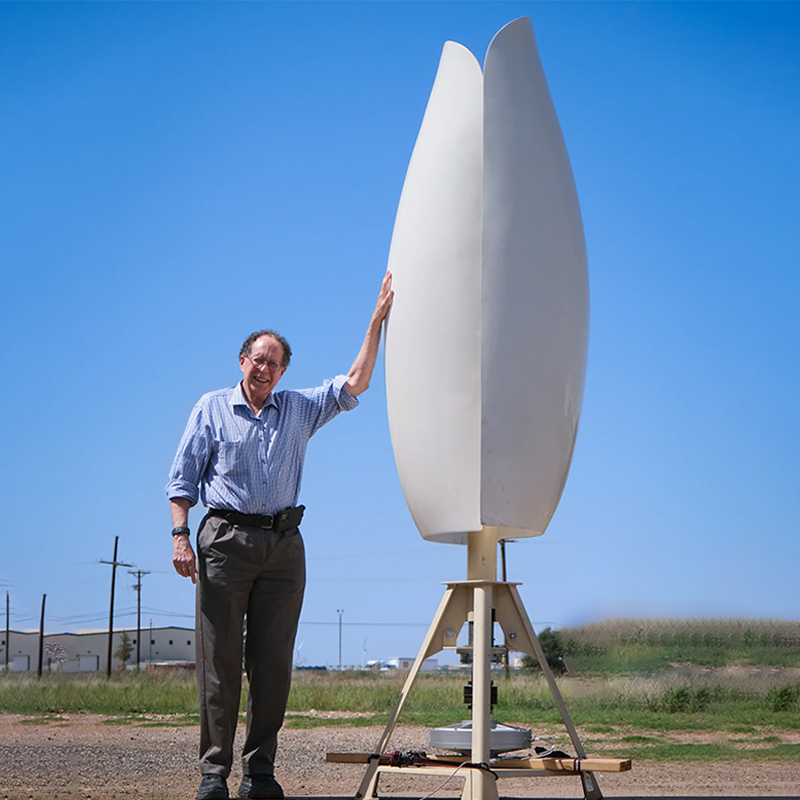
Comparing tulip wind turbines effectively requires a systematic approach:
Performance Metrics: Review performance metrics such as capacity factor, efficiency ratings, and noise levels. These metrics help determine how well a turbine will perform in specific environments.
Cost Analysis: Analyze not only the initial purchase price but also long-term operational costs, including maintenance, energy output, and potential incentives for renewable energy use.
Supplier Reputation: Investigate the manufacturer's reputation in the industry. Look for reviews, case studies, and references from other businesses that have successfully implemented their turbines.
Technical Support and Warranty: Assess the level of technical support provided by the supplier post-purchase. A strong warranty can also indicate the manufacturer's confidence in their product and willingness to address potential issues.
Compatibility with Existing Systems: Ensure the vertical wind turbine can integrate seamlessly with any existing energy systems, such as grid connections or solar power setups, to maximize overall efficiency.
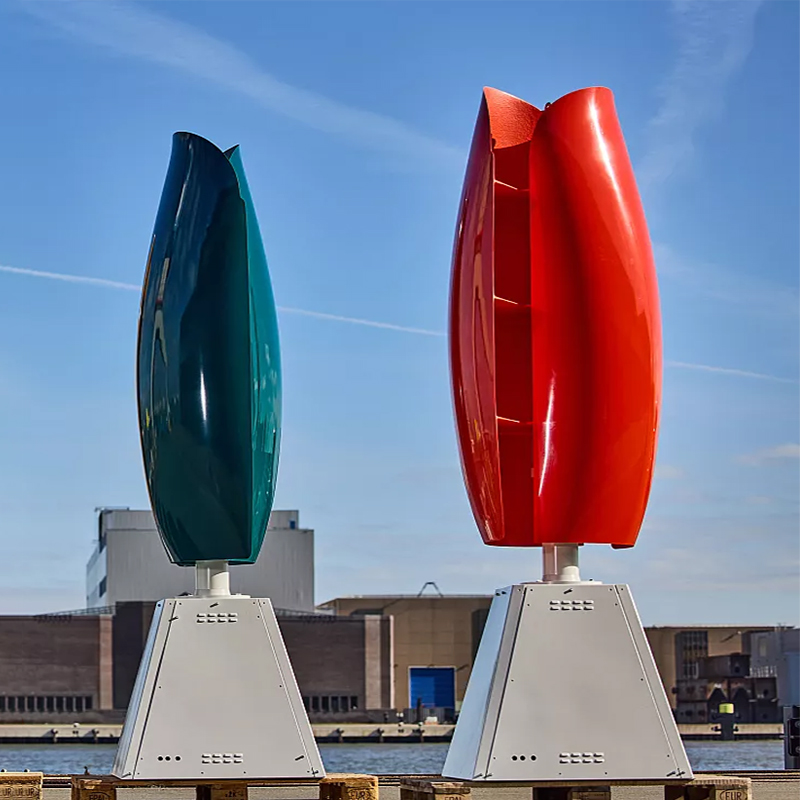
Buyers must remain aware of the nuances that can affect the purchasing process for Jiangsu DHC tulip wind turbines:
Sample Approval: Before committing to large orders, request samples to evaluate performance under real-world conditions. This step helps avoid costly mistakes that may arise from theoretical performance data.
Common Buyer Mistakes: One common mistake is focusing solely on price without considering total cost of ownership. Cheaper turbines may incur higher maintenance costs or may not provide the expected energy output.
Inspection Criteria: Establish clear criteria for inspecting turbines upon delivery. This should include checking for physical damage, verifying specifications, and ensuring all components are included.
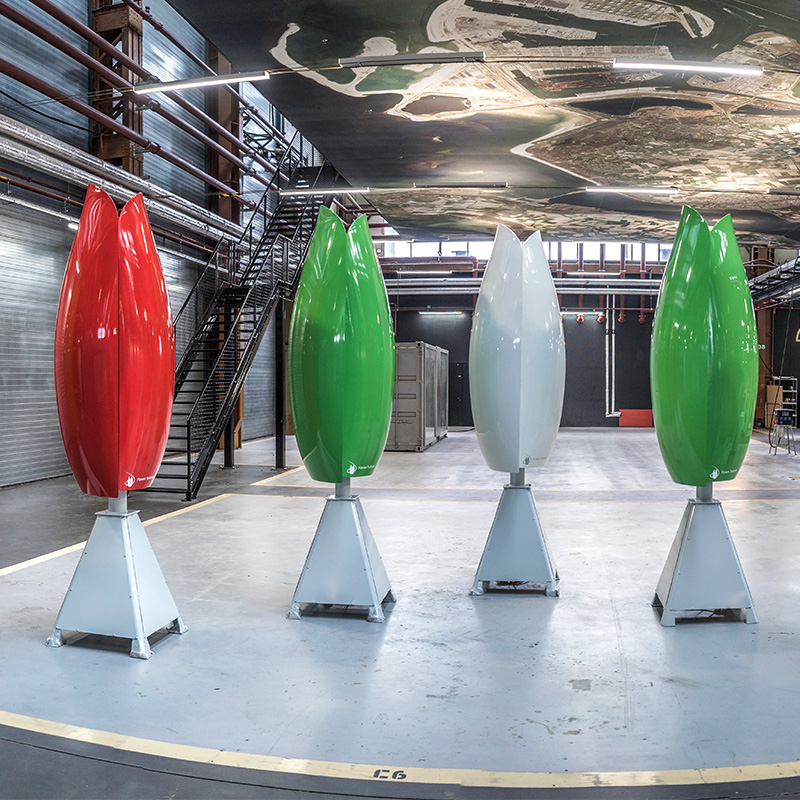
Several cost factors should be evaluated to ensure competitive pricing when sourcing tulip wind turbines:
Unit Cost and Discounts: Bulk purchasing typically allows for negotiation on unit pricing. Review the minimum order quantities (MOQ) and inquire about bulk discounts.
Shipping and Handling: Consider logistics costs, including shipping fees and potential tariffs for international orders. These can significantly affect the overall budget.
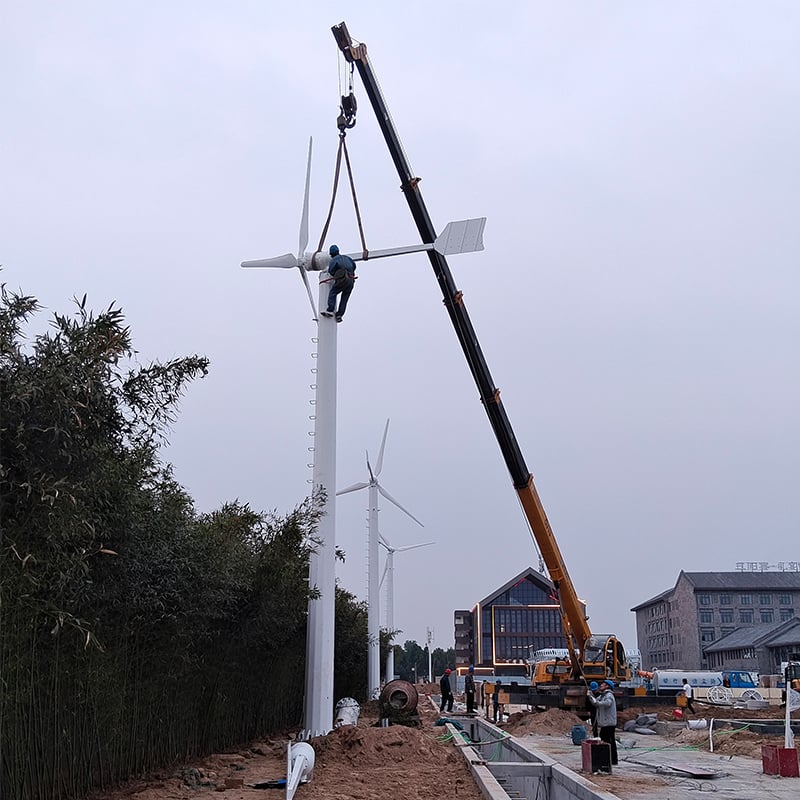
Installation Expenses: Include the costs associated with installing the turbines. This may involve hiring specialized contractors or purchasing additional equipment.
Incentives and Subsidies: Research available government incentives or subsidies for renewable energy installations, which can offset initial costs.
Financing Options: Explore financing solutions that may be available through manufacturers or financial institutions specializing in renewable energy projects.
primary products wind turbines, solar panels and lifepo4 batteries. customers will receive a one-stop-shop service the integration and Eolic generator a wind-solar hybrid as well as smart photovoltaic system. DHC provides reliable products, technologies, and after-sales service to customers with excellent delivery capability.
We're dedicated solving commercial residential electrical needs utilizing a solar/wind power system. With professional supply chain management and integration capabilities, are able to provide customers with completely customized solutions. We'll provide high-quality service all hours of day from Vertical wind turbine to design and after-sales.
DHC the market leader in hybrid wind solar power systems. has its own manufacturing facility that integrates R D and production, design technical support. Since 2009 founders of DHC have been implementing the concept of environmental protection and have been immersed the latest technology and embraced the corporate wind turbine generator that focuses on "diligence and integrity, collaboration and innovation." This is also the basis of our brand "DHC".
Integrity the cornerstone of company. offer real power solutions offer an expert service. {When it comes to wind turbines, {you can pay attention it is important to Integrity is the foundation our company. We offer real power equipment, as well as skilled service. You can consider parameters like blade diameter as well as wind you should pay attention aspects like blade's diameter as well as weight. promise that all products produced by DHC come with wind turbine generator power output and not overinflated power.
To ensure a successful purchasing experience, consider the following best practices:
Thorough Research: Conduct comprehensive market research to understand available options and compare offerings rigorously.
Engage with Manufacturers: Open lines of communication with manufacturers to discuss specific needs, customization capabilities, and technical support options.
Document Specifications: Clearly document all required specifications and expectations in your request for quotation (RFQ) to avoid misunderstandings later in the process.
Request References: Ask potential suppliers for references from previous clients, especially those in similar industries.
Plan for Maintenance: Factor in ongoing maintenance requirements when selecting wind turbine generator. Establishing a relationship with the manufacturer for support can ensure long-term operational efficiency.
By adhering to these guidelines and engaging with experienced suppliers like Jiangsu DHC Environmental Si-Tech Co., Ltd., buyers can make informed decisions that align with their energy goals while optimizing their investment in tulip wind turbines.
Welcome to DHC, the top brand of wind solar hybrid power system! We provide innovative and effective new energy solutions including wind turbine, solar panel, lifepo4 battery, etc.




 EN