As the demand for renewable energy solutions continues to grow, Vertical Axis Wind Turbines (VAWT) have emerged as a practical option for various applications, offering unique advantages over traditional horizontal-axis designs. This article will provide insights into selecting the right VAWT turbine for your project, understanding the cost factors associated with installation, and addressing common installation challenges. Additionally, we will offer tips for wholesale purchasing and highlight key considerations to keep in mind during the process.
When selecting a VAWT turbine, it’s essential to consider several factors to ensure it meets your project's specific requirements. First, evaluate the turbine's power output, which should align with your energy needs. This is typically measured in watts (W) or kilowatts (kW), and the expected output can vary based on wind speed conditions and turbine efficiency. Next, consider the turbine's design and material. VAWTs come in various configurations, including Darrieus and Savonius types, each suited for different applications. Darrieus turbines, for instance, may be more efficient at higher wind speeds, while Savonius turbines excel in lower wind conditions. Material selection is also critical; turbines made from corrosion-resistant materials like fiberglass or aluminum tend to offer better durability in harsh environments. Additionally, assess the turbine's height and rotor diameter, which can influence its performance. A larger rotor diameter typically captures more wind, enhancing energy generation but may also require larger installation spaces. Finally, consider any local regulations or zoning laws that might impact turbine installation, as these can affect your choice.
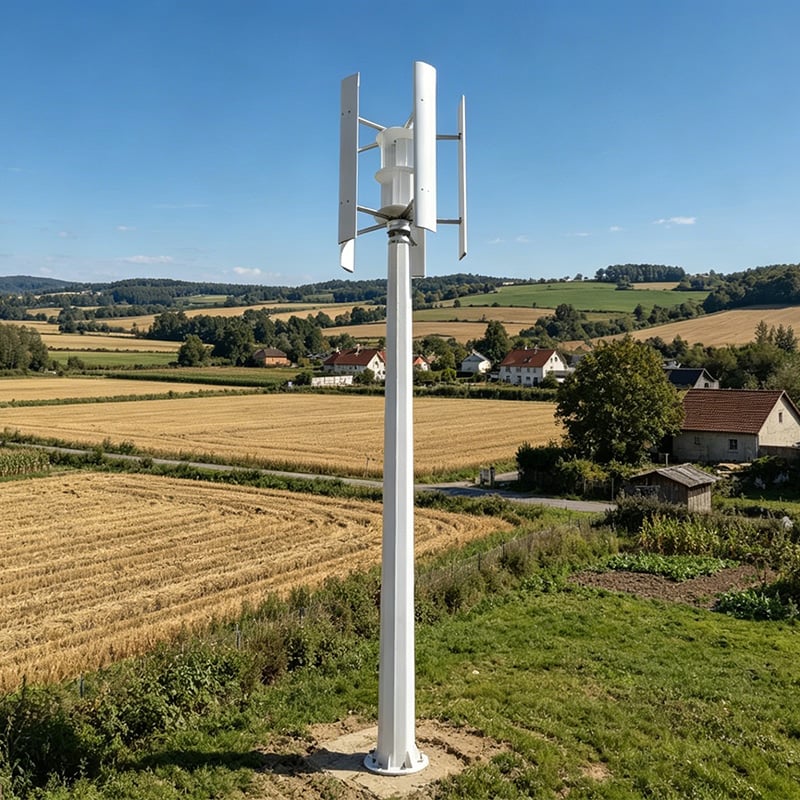
When purchasing wind turbine wholesale, it’s vital to establish a clear understanding of your requirements and specifications. Begin by preparing a detailed request for quotation (RFQ) that outlines the type of turbine, model, dimensions, materials, and any specific performance requirements. This not only helps suppliers provide accurate quotes but also ensures that you receive products tailored to your needs. Be sure to inquire about minimum order quantities (MOQ) as these can vary significantly between suppliers. Understanding the MOQ can help you gauge whether a supplier is suitable for your purchasing volume. Additionally, ask about customization options; many manufacturers, including Jiangsu DHC Environmental Si-Tech Co., Ltd., offer tailored solutions based on unique customer specifications. Another critical aspect is to verify the supplier's quality control processes. Request information on certifications and quality assurance practices to ensure the turbines meet industry standards. Establishing a strong relationship with the supplier can also facilitate better negotiations and lead times, making the purchasing process smoother.
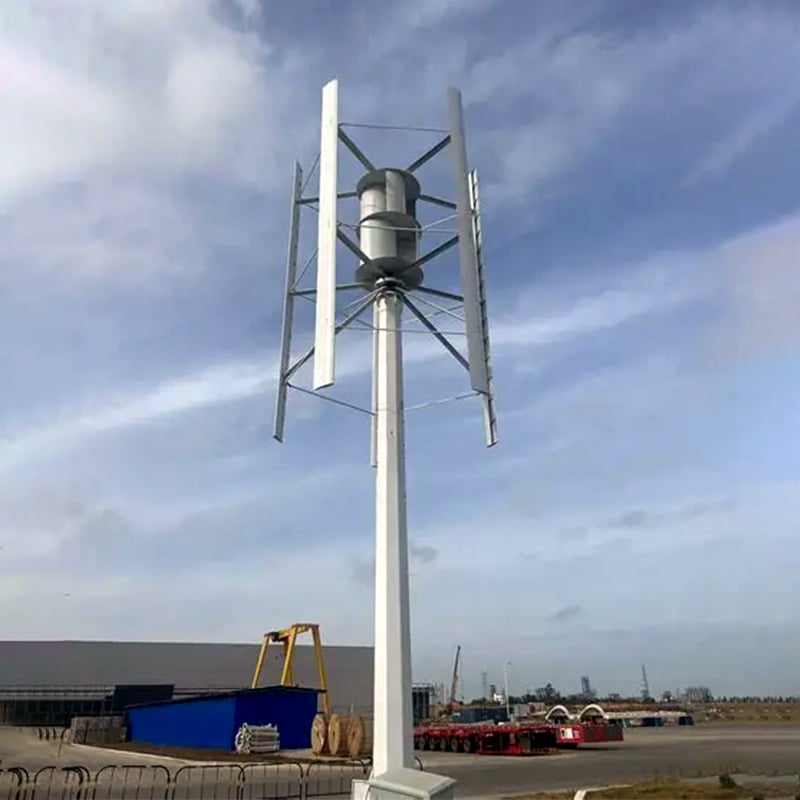
The cost of installing a VAWT turbine can vary based on several factors. Key components include the turbine itself, installation expenses, and any necessary accessories such as inverters or batteries. Understanding these components can help you budget effectively. Turbine Cost: The initial price of the turbine is influenced by its size, material, and brand reputation. Higher-quality turbines often come at a premium but may offer better efficiency and durability. Installation Expenses: These costs can include labor, site preparation, and foundation work. Depending on the location and complexity of the installation, these expenses can vary widely. It’s advisable to obtain multiple quotes from contractors experienced in renewable energy installations. Additional Equipment: If your system includes hybrid solutions like solar panels or energy storage systems, factor in these costs as well. For example, pairing a VAWT with LiFePO4 batteries can enhance energy efficiency but will add to the overall investment. Maintenance Costs: Finally, consider ongoing maintenance costs. While VAWTs typically require less maintenance than traditional turbines, regular inspections and occasional repairs should be anticipated.
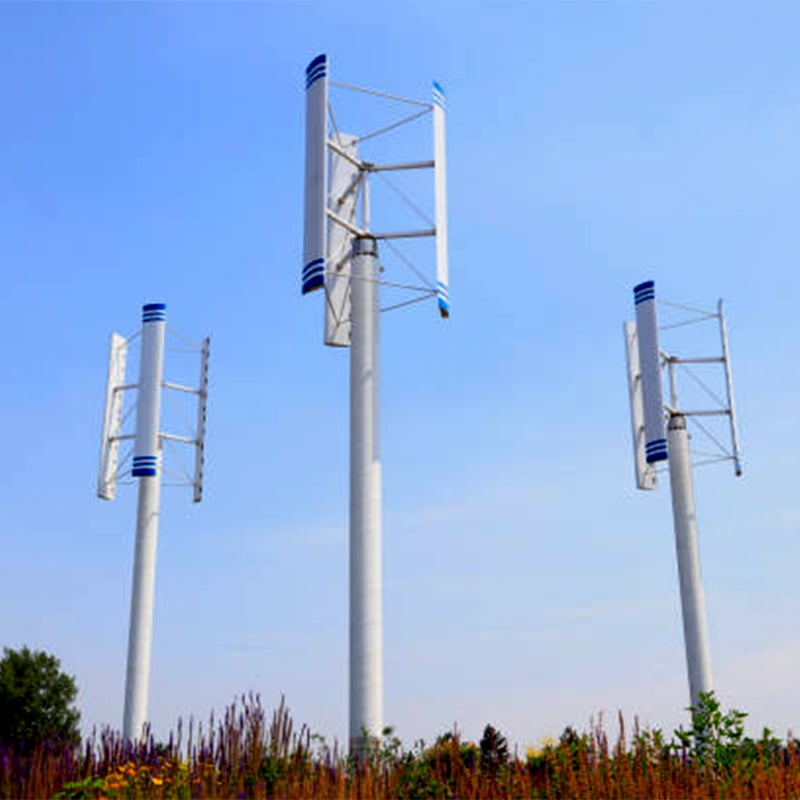
Installing vertical wind turbine can present unique challenges. One common issue is site selection; ensuring that the turbine is placed in an area with sufficient wind flow is crucial for optimal performance. Conducting a wind resource assessment prior to installation can help identify the best locations. Another challenge can be the foundation and structural support. VAWTs may require specific foundations depending on their size and weight, which can complicate the installation process. It's important to collaborate with experienced engineers to design a foundation that meets the structural requirements. Noise and aesthetic concerns may also arise, particularly in residential areas. Some VAWTs are designed to operate more quietly than others; selecting a model with lower noise output can help mitigate these issues. Involving the community during the planning phase can also help address any concerns and improve acceptance.
As most sought-after brand of wind solar hybrid power systems, DHC has own wind turbine factory integrating R D design, production and technical support. founders of DHC have been working on the idea green 2kw vertical axis wind turbine protection since 2009 and immersed in the world of renewable energy adhering to the company's values "diligence as well as honesty, cooperation and innovation." Our DHC brand DHC is the result of this.
Integrity is foundation of our company. offer real power equipment, as well as skilled Wind turbine. In the case of wind turbines, {you can pay attention it is important to commitment to integrity the basis of our business. We provide genuine power equipment, as well as expert service. Consider parameters such as blade diameter as well as wind turbine weight when looking at wind turbines. DHC promises that its products are able to deliver real power without exaggerating the power.
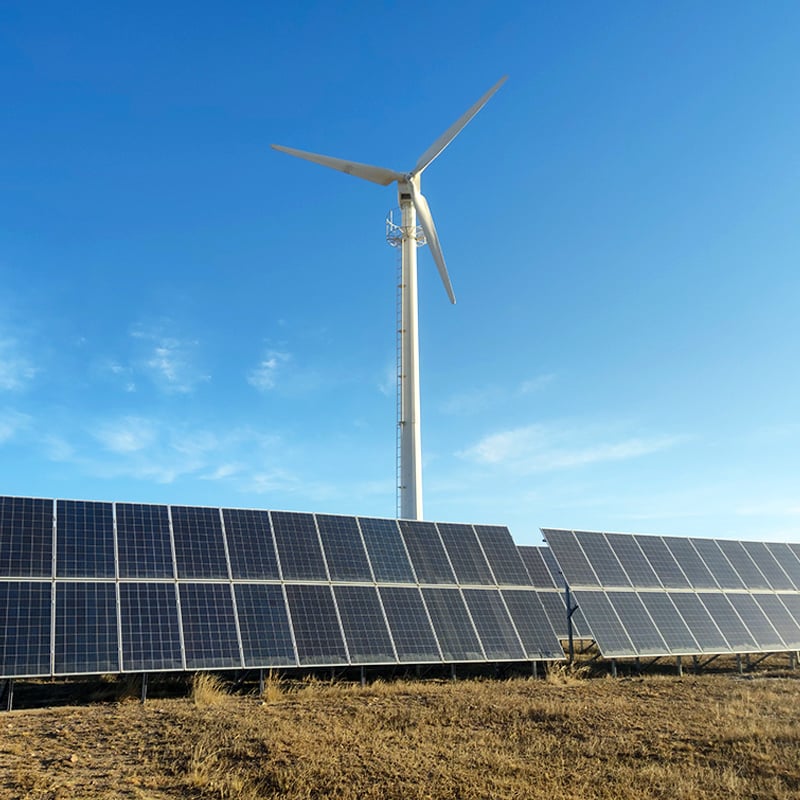
main products wind turbines and solar panels. customers can receive a single-source service integration and development wind-solar hybrids as well as intelligent photovoltaic systems. DHC provides reliable 5000w wind turbine, technologies and after-sales support customers through exceptional delivery capability.
We're dedicated solving commercial residential electrical needs utilizing a solar/wind power system. With professional supply chain management and integration capabilities, are able to provide customers with completely customized solutions. We'll provide high-quality service all hours of day from Vertical wind turbine to design and after-sales.
When investing in wind turbine with generator, several key considerations can guide your decision-making process: Performance Specifications: Confirm the turbine's performance metrics, such as cut-in wind speed, rated wind speed, and shutdown wind speed. These metrics are critical for assessing whether the turbine can operate effectively in your specific environment. Supplier Reliability: Evaluate potential suppliers based on their industry experience, customer reviews, and after-sales support. Establishing a relationship with a trustworthy supplier can enhance your purchasing experience. Regulatory Compliance: Ensure that the selected turbine complies with local regulations and standards. This can prevent legal complications during installation and operation. Long-Term Support: Consider the long-term relationship with your supplier, including warranty coverage and availability of replacement parts. This can significantly affect the longevity and performance of your investment. By carefully considering these factors, you can make informed decisions regarding the selection, purchase, and installation of VAWT turbines that meet your project requirements effectively.
Welcome to DHC, the top brand of wind solar hybrid power system! We provide innovative and effective new energy solutions including wind turbine, solar panel, lifepo4 battery, etc.




 EN