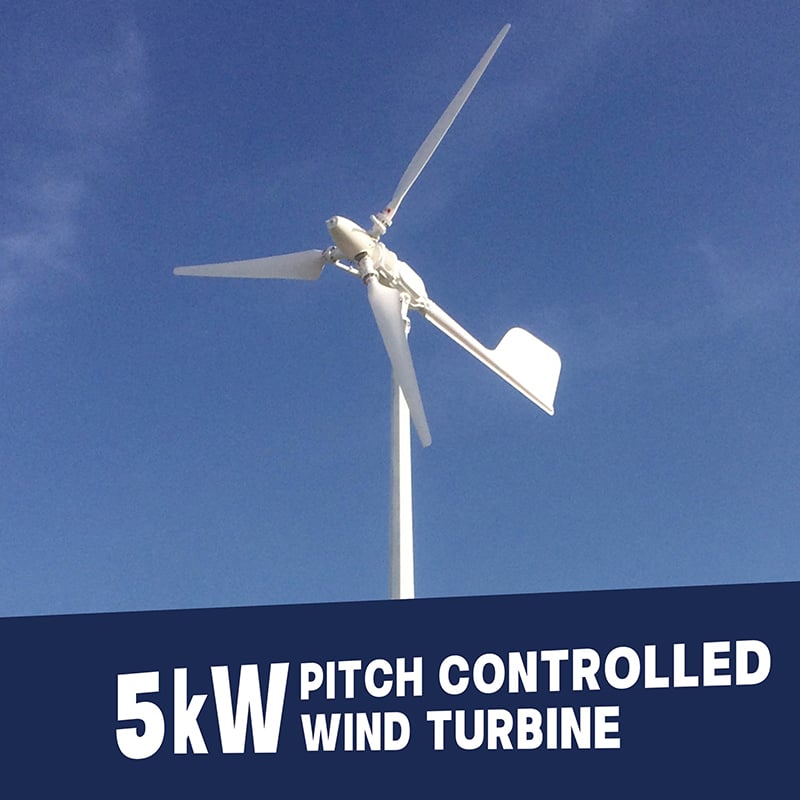
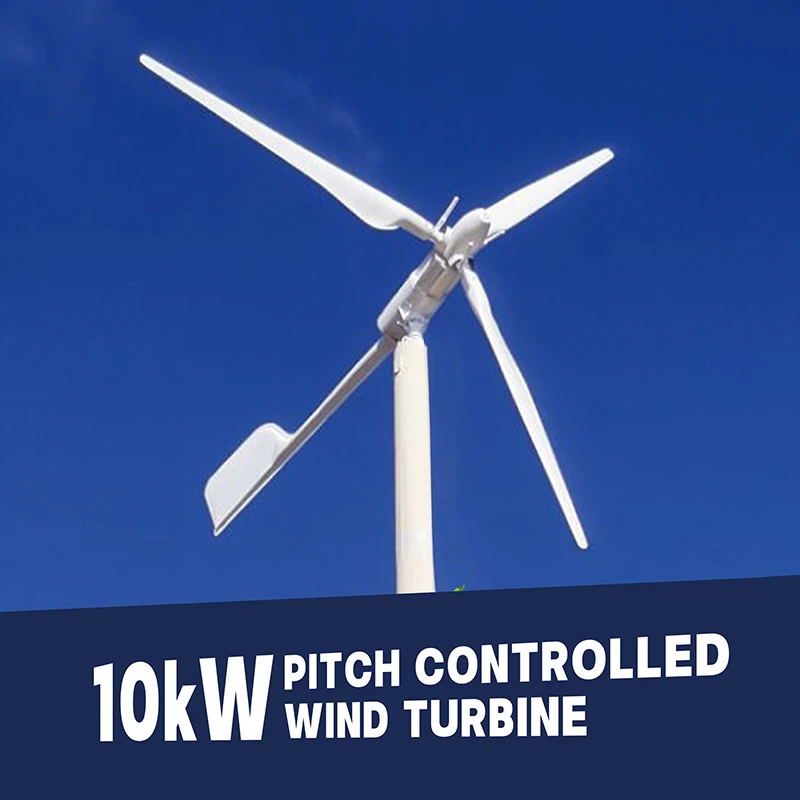
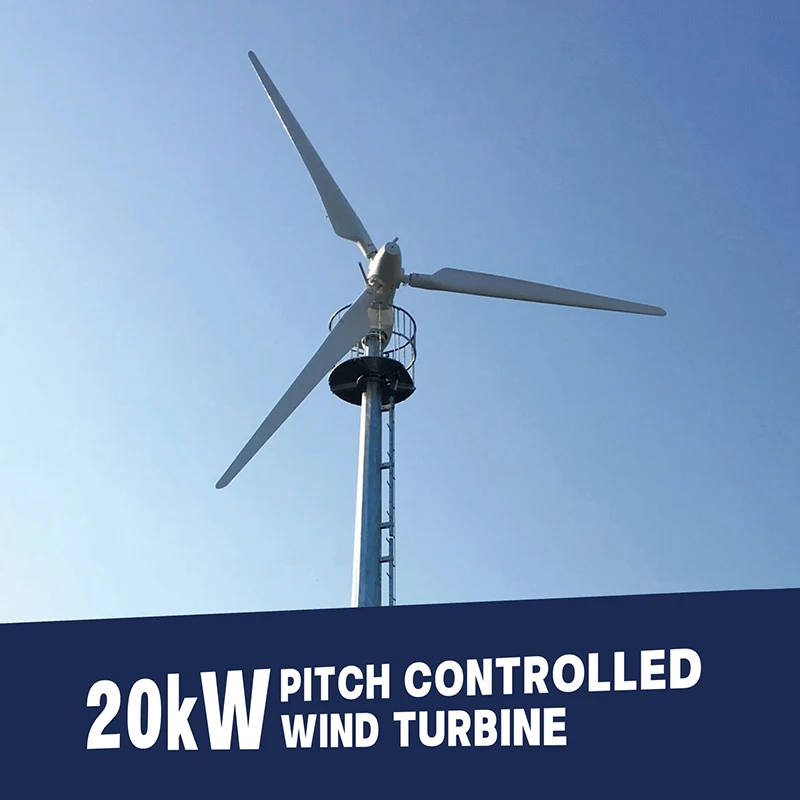
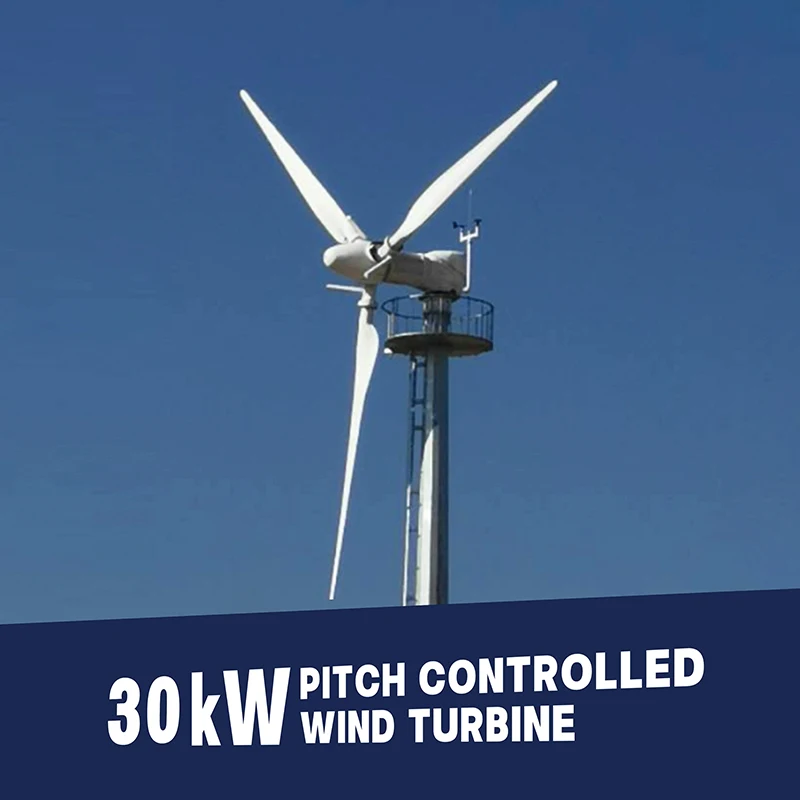
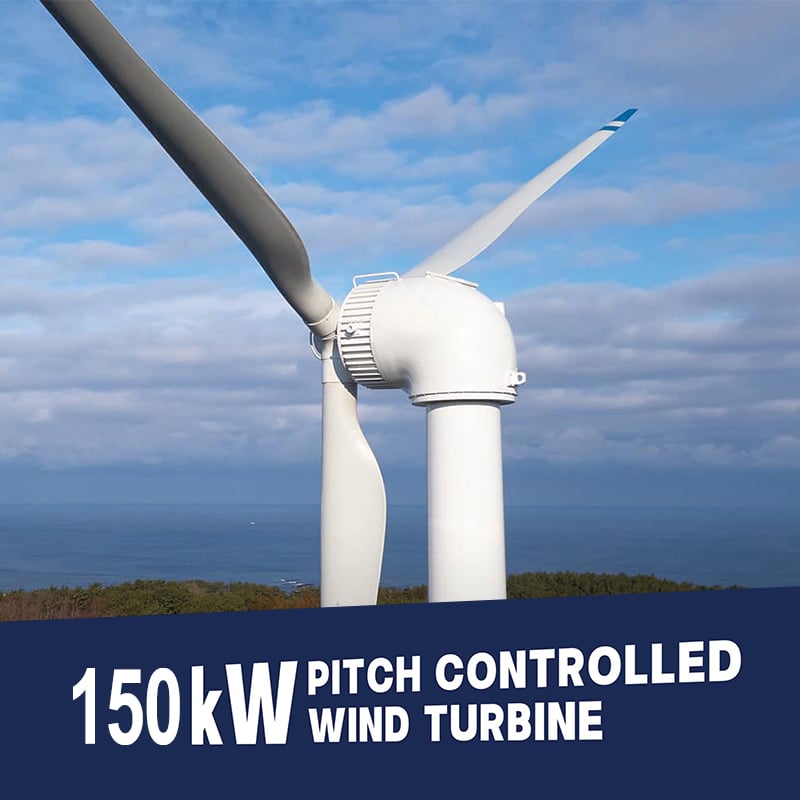
Wind farm generators play a crucial role in harnessing renewable energy from wind, making them an essential component for companies looking to invest in sustainable power solutions. As a purchasing manager or engineer, you may have concerns regarding the generator's specifications, cost, reliability, and the potential return on investment. This article will provide a comprehensive overview of wind farm generators, including key specifications, cost evaluation, reliable sourcing options, the advantages of advanced materials, and detailed features and benefits to help you make informed purchasing decisions.
When evaluating wind farm generators, several key specifications are essential for ensuring optimal performance and longevity. These include the rated power output, rotor diameter, and cut-in wind speed.
Rated Power Output: This indicates the maximum electrical output the generator can produce under specific conditions. For instance, a generator rated at 2 MW will generate electricity efficiently in suitable wind conditions, making it crucial to match this specification with your project’s energy needs.
Rotor Diameter: The size of the rotor affects the amount of wind energy captured. A larger rotor diameter can harvest more wind energy, which is particularly vital in areas with lower wind speeds. When selecting a small wind generators, consider the typical wind conditions of your installation site.
Cut-In Wind Speed: This is the minimum wind speed at which the generator starts producing electricity. Understanding this specification helps in estimating the overall efficiency and productivity of the wind farm.
Material and Design: The materials used in the generator's construction can affect durability and maintenance requirements. Advanced materials, such as carbon fiber or reinforced composites, can enhance the generator's performance and lifespan.
By focusing on these specifications, buyers can ensure they select a wind farm generator that meets their operational requirements and environmental conditions.
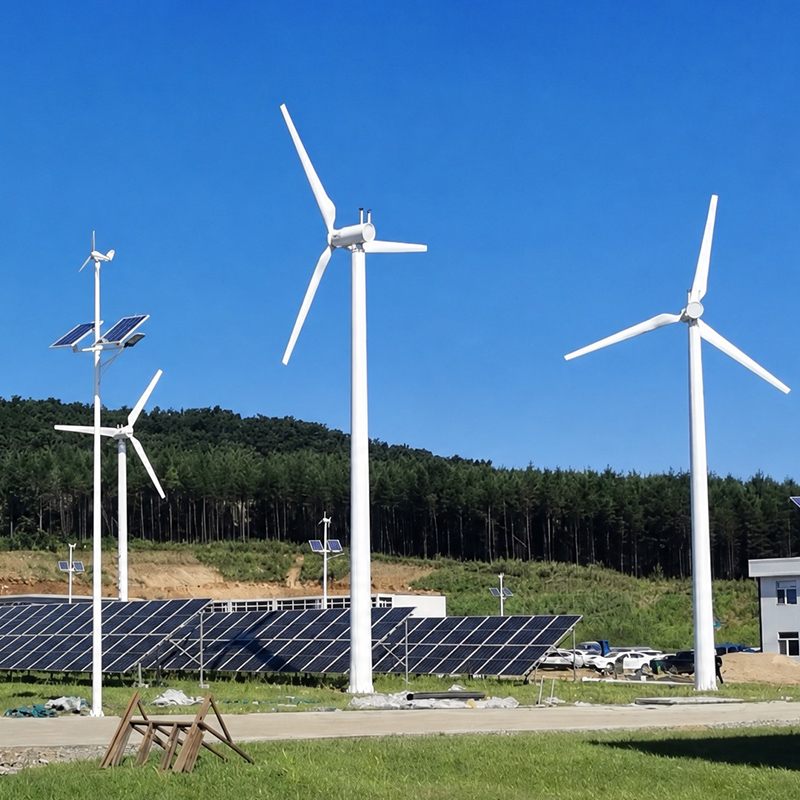
Cost evaluation for wind farm generators involves several factors beyond the initial purchase price. While upfront costs are significant, ongoing expenses such as maintenance, installation, and operational efficiency should also be considered.
Initial Investment: This includes the price of the house wind generator itself along with installation costs. It's essential to obtain detailed quotations that break down these costs to understand the total investment.
Operational Costs: These encompass maintenance, repair, and insurance fees. Regular maintenance is vital for long-term performance, so inquire about the manufacturer’s warranty and the expected lifespan of components.
Incentives and Financing Options: Many governments offer incentives for renewable energy projects, which can significantly reduce costs. Explore available subsidies, tax credits, and financing options that may apply to your project.
Return on Investment (ROI): Calculate the expected energy production against the total costs to determine the ROI. A wind farm generator that may seem expensive initially could offer substantial savings on energy bills over its lifespan.
By carefully evaluating these cost factors, you can make a more informed decision that aligns with your budget and financial goals.
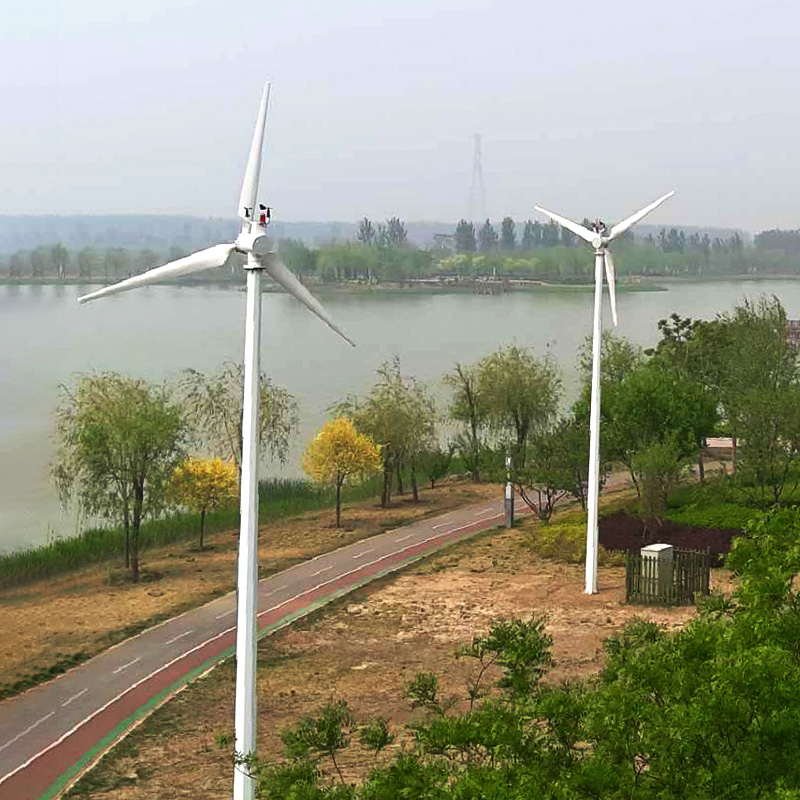
Finding reliable wholesale options for wind farm generators involves conducting thorough research and due diligence. Here are several strategies to ensure you partner with trustworthy suppliers:
Industry Trade Shows and Expos: Attending renewable energy trade shows allows you to meet manufacturers, evaluate products firsthand, and establish connections. These events often feature the latest technologies and innovations in wind energy.
Supplier Directories and Online Marketplaces: Websites that specialize in B2B transactions can provide a list of reputable manufacturers. Look for those with positive reviews, verified credentials, and a proven track record in the renewable energy sector.
Networking within Professional Associations: Joining associations related to renewable energy can provide insights into established suppliers. Members often share experiences and recommendations, which can guide you in your search.
Requesting References and Case Studies: When assessing potential suppliers, ask for references from their previous clients and case studies showcasing their successful projects. This helps verify the reliability and quality of their products.
By leveraging these resources, you can identify trustworthy suppliers that meet your specific requirements for wind generator.
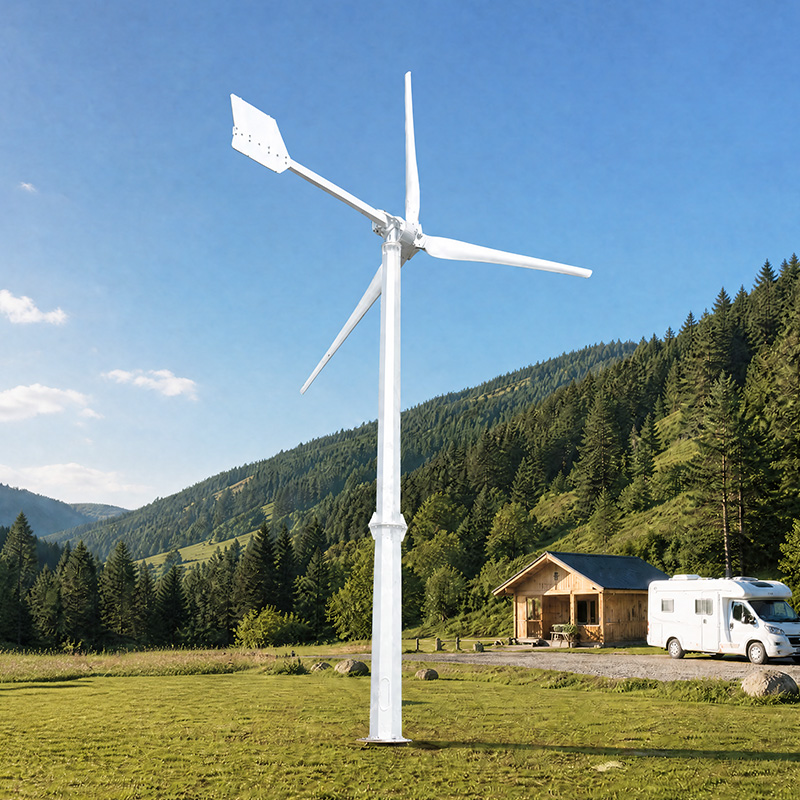
The design and construction of wind farm generators are increasingly benefiting from the use of advanced materials. These materials can enhance performance, reduce weight, and improve overall efficiency.
Weight Reduction: Utilizing lightweight materials such as carbon fiber or advanced composites allows for larger rotor diameters without significantly increasing the overall weight of the generator. This can lead to improved energy capture and efficiency.
Durability and Longevity: Advanced materials often exhibit superior resistance to environmental factors like corrosion and fatigue. This can lead to lower maintenance costs and longer operational lifespans, making them a wise investment over time.
Aerodynamic Performance: The design flexibility offered by advanced materials can improve the aerodynamic properties of rotor blades, enhancing energy efficiency and reducing noise levels during operation.
Sustainability: Many advanced materials are recyclable or produced through sustainable methods, aligning with the overall mission of renewable energy projects to minimize environmental impact.
By considering generators built with advanced materials, buyers can ensure they are investing in technology that supports both performance and sustainability.
We're dedicated meeting commercial domestic electric power needs using wind/solar system. With professional supply chain management integration capabilities, can provide our customers with completely 2kw vertical wind turbine solutions. will only need know your exact needs from design, production, to after-sales support, will provide you with real-time professional assistance throughout day.
DHC the market leader in hybrid wind solar power systems. has its own manufacturing facility that integrates R D and production, design technical support. Since 2009 founders of DHC have been implementing the concept of environmental protection and have been immersed the latest technology and embraced the corporate wind turbine generator that focuses on "diligence and integrity, collaboration and innovation." This is also the basis of our brand "DHC".
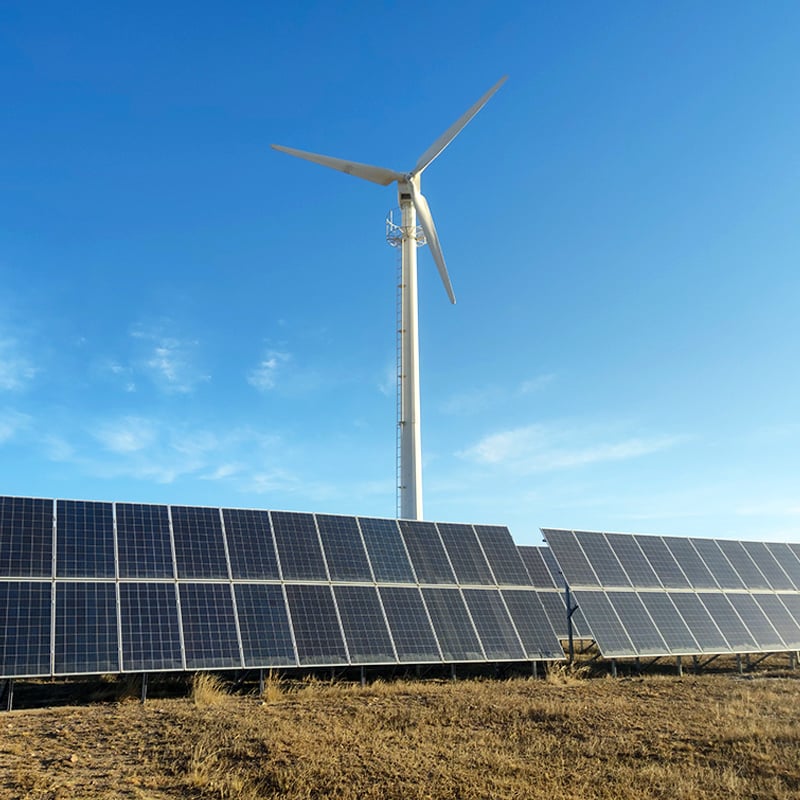
main products include wind turbines, solar panels lifepo4 batteries. customers can receive all-in-one-shop solution the integration and design wind-solar hybrid smart photovoltaic systems. DHC is reliable supplier of products, 15kw wind turbine for home, after-sales support customers through the best delivery capabilities.
Integrity the cornerstone of company. offer real power solutions offer an expert service. {When it comes to wind turbines, {you can pay attention it is important to Integrity is the foundation our company. We offer real power equipment, as well as skilled service. You can consider parameters like blade diameter as well as wind you should pay attention aspects like blade's diameter as well as weight. promise that all products produced by DHC come with wind turbine generator power output and not overinflated power.
Understanding the features and benefits of wind farm generators is crucial for making an informed purchasing decision. Here are some key aspects to consider:
Smart Technology Integration: Many modern wind farm generators come equipped with smart technology that allows for real-time monitoring and data analysis. This can lead to improved operational efficiency and proactive maintenance strategies.
Modular Design: Some generators feature modular designs that facilitate easier upgrades and repairs. This can reduce downtime and maintenance costs, providing a more efficient operational model.
Scalability: As energy needs grow, having a generator that can be scaled easily is a significant advantage. Look for options that allow for additional units or upgrades to be integrated without major overhauls.
Environmental Impact: Wind farm generators contribute significantly to reducing greenhouse gas emissions. By investing in these systems, companies not only fulfill their energy needs but also support global sustainability efforts.
By understanding these features and benefits, buyers can assess how well a wind farm generator aligns with their operational goals and environmental commitments.
In summary, selecting the right wind farm generator requires careful consideration of specifications, costs, reliable sourcing, material benefits, and specific features. By following the guidance provided, you can make a more informed choice that optimally supports your renewable energy objectives.
Welcome to DHC, the top brand of wind solar hybrid power system! We provide innovative and effective new energy solutions including wind turbine, solar panel, lifepo4 battery, etc.




 EN