As businesses increasingly seek sustainable energy solutions, wind generators have become a popular choice for renewable energy systems. For companies looking to source wind generators, understanding the landscape of wind generator manufacturers is essential. This article will address critical factors that B2B buyers, such as purchasing managers and engineers, should consider when selecting wind generators, ensuring they make informed decisions tailored to their specific project needs.
Selecting the appropriate small wind generatorsbegins with a clear understanding of your project's specific requirements. Factors such as power output, site conditions, and intended applications play crucial roles.
Power Output: Assess the energy needs of your operation. Wind generators come in various sizes and capacities, so determining the required kilowatt-hour (kWh) output is vital. For instance, smaller generators may suit residential applications, while larger units are ideal for commercial or industrial use.
Site Conditions: Wind availability and terrain impact generator performance. Conducting a site assessment will help identify wind speeds and patterns. A generator rated for your location's average wind speed will operate efficiently and consistently.
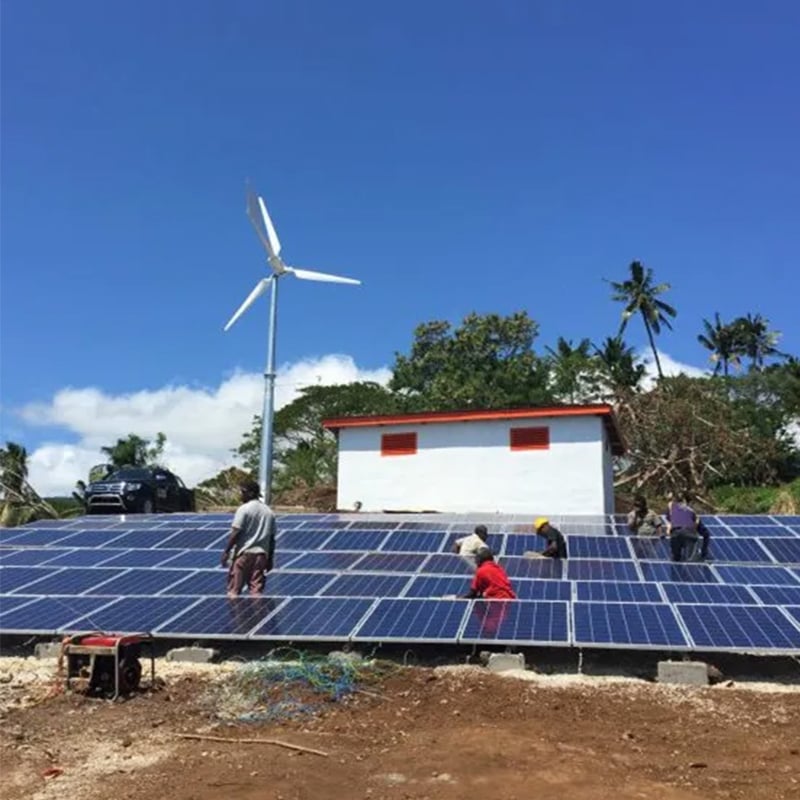
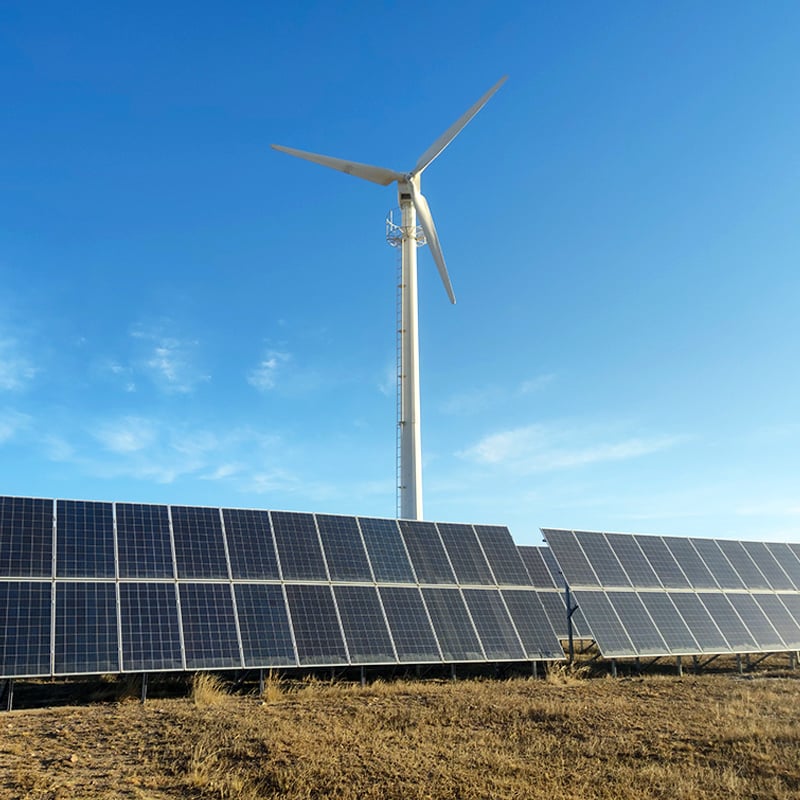
Intended Use: Consider whether the generator will support a standalone system or a hybrid configuration, such as a wind-solar setup. Each application may necessitate different specifications and customization.
By focusing on these areas, you can narrow your choices and ensure the wind generator aligns with your operational goals.
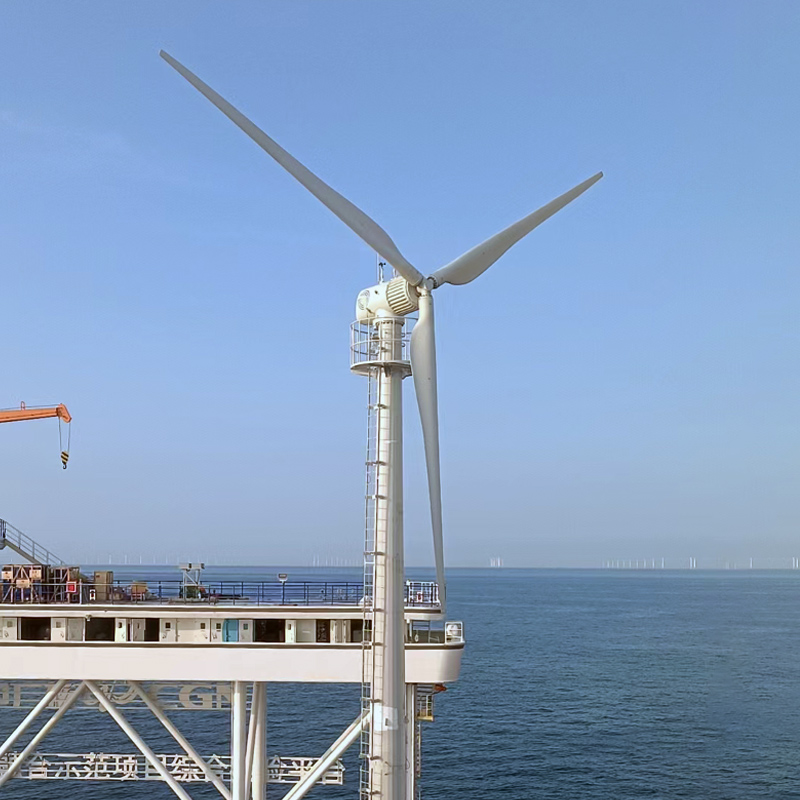
When sourcing wind generators, several key specifications should be evaluated to ensure optimal performance and reliability:
Rated Power and Efficiency: This specification indicates the maximum power output under standard conditions. Look for generators with high efficiency ratings, which translate to better energy conversion from wind to electricity.
Cut-in and Cut-out Wind Speeds: These metrics define the wind speed range at which the generator begins and ceases operation. Generators with lower cut-in speeds can harness more energy from light winds, while higher cut-out speeds help prevent damage in extreme conditions.
Rotor Diameter: A larger rotor diameter typically captures more wind energy, enhancing overall efficiency. However, it's essential to ensure that the rotor size is compatible with your site space and zoning regulations.
Build Quality and Materials: Assess the materials used in construction, such as corrosion-resistant coatings, to ensure durability and longevity, especially in harsh environments.
Certifications and Standards: Verify that the generator meets relevant industry standards or certifications, which can assure quality and reliability.
Understanding these specifications will help you make informed comparisons among different wind generator manufacturers.
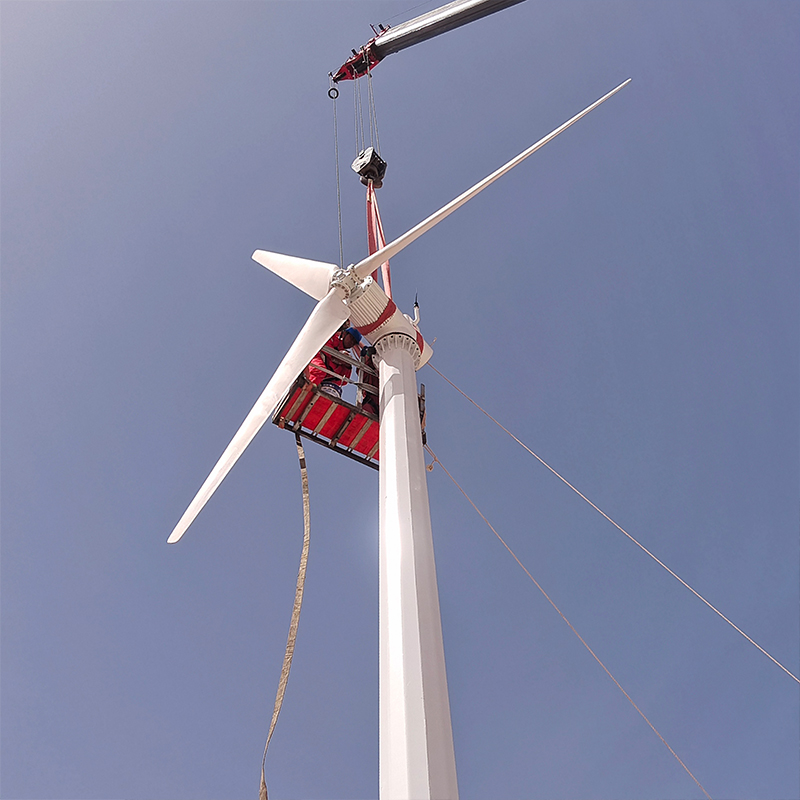
When considering wholesale purchasing options, it's crucial to identify reliable wind generator manufacturers that offer competitive pricing and quality assurances.
Bulk Discounts: Many manufacturers provide pricing incentives for bulk purchases. Assess your project's scale to maximize savings while ensuring you meet minimum order quantities (MOQs).
Customization Capabilities: Some manufacturers offer tailored solutions to meet specific project requirements. Discuss customization options early in the procurement process to align product specifications with your needs.
Supply Chain Partnerships: Evaluate the manufacturer's supply chain reliability. A strong network can ensure timely delivery and mitigate potential supply disruptions.
After-Sales Support: Investigate the level of support provided post-purchase. Good manufacturers will offer warranties, technical assistance, and maintenance options.
By considering these factors, you can secure high-quality wind generators that fit your project while optimizing costs.
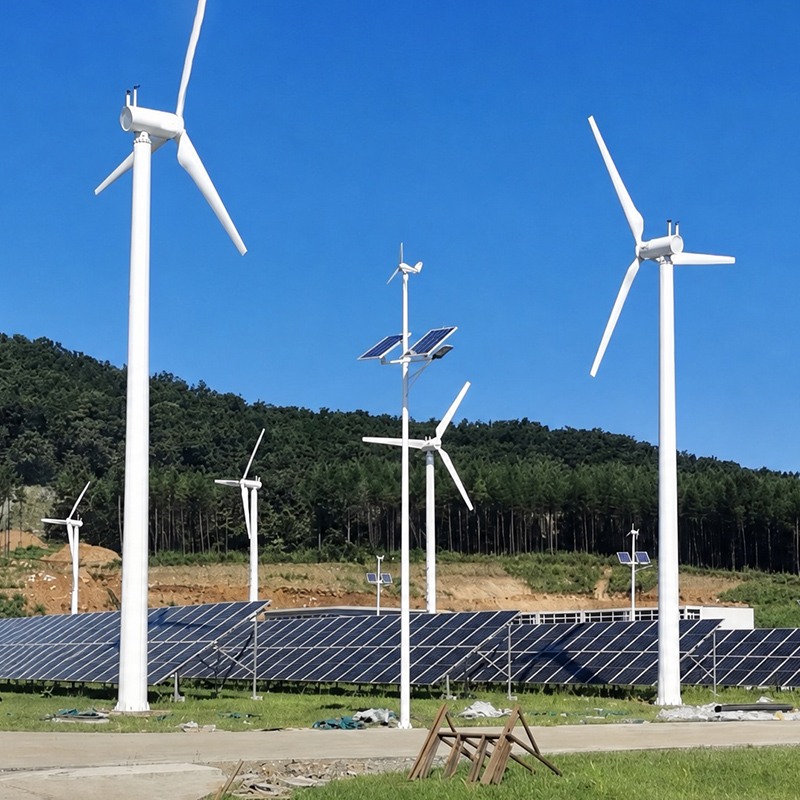
Proper installation is critical to the efficiency and longevity of wind generator systems. Here are essential guidelines for ensuring a successful installation:
Site Preparation: Conduct a thorough assessment of the installation site, including soil stability and wind patterns. Prepare the site to accommodate the generator's foundation requirements.
Compliance with Regulations: Familiarize yourself with local zoning laws and regulations governing wind turbine installations. Ensure that all permits and approvals are obtained before proceeding.
Professional Installation: Engage experienced installers familiar with domestic wind generatorsystems. Proper installation is necessary for optimal performance and to reduce the risk of operational issues.
Post-Installation Testing: Once installed, conduct a testing phase to verify operational performance. Monitoring output levels and ensuring that all components function correctly is essential before full deployment.
Following these steps will enhance the reliability and efficiency of your wind generation system.
main products wind turbines and solar panels. customers can receive a single-source service integration and development wind-solar hybrids as well as intelligent photovoltaic systems. DHC provides reliable 5000w wind turbine, technologies and after-sales support customers through exceptional delivery capability.
Integrity the cornerstone of company. offer real power solutions offer an expert service. {When it comes to wind turbines, {you can pay attention it is important to Integrity is the foundation our company. We offer real power equipment, as well as skilled service. You can consider parameters like blade diameter as well as wind you should pay attention aspects like blade's diameter as well as weight. promise that all products produced by DHC come with 2kw vertical axis wind turbine power output and not overinflated power.
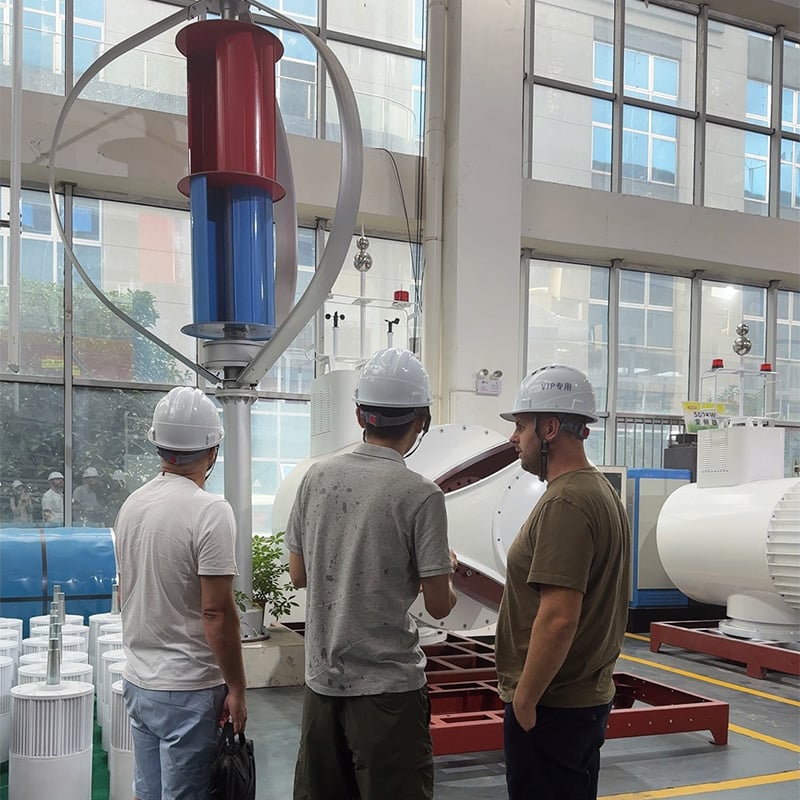
DHC the market leader in hybrid wind solar power systems. has its own manufacturing facility that integrates R D and production, design technical support. Since 2009 founders of DHC have been implementing the concept of environmental protection and have been immersed the latest technology and embraced the corporate wind turbine generator that focuses on "diligence and integrity, collaboration and innovation." This is also the basis of our brand "DHC".
We're dedicated solving commercial residential electrical needs utilizing a solar/wind power system. With professional supply chain management and integration capabilities, are able to provide customers with completely customized solutions. We'll provide high-quality service all hours of day from Wind turbine for home 5kw to design and after-sales.
Understanding the cost structure associated with wind generator procurement is essential for effective budgeting. Key factors influencing costs include:
Initial Investment: The upfront cost of the wind generator, including installation and any necessary infrastructure, is typically the most significant expenditure. This can vary widely based on size and specifications.
Operational Costs: Consider ongoing maintenance costs, which include routine inspections, repairs, and parts replacement. Selecting durable materials can mitigate these expenses over time.
Energy Savings and ROI: Evaluate the potential savings from reduced energy bills against the initial investment. An effective wind generator system can yield significant savings and generate a favorable return on investment (ROI) over its operational lifespan.
Financing Options: Explore various financing avenues, such as government grants or incentives for renewable energy projects, which can offset initial costs and improve project feasibility.
By thoroughly understanding these cost factors, you can make informed decisions that align with your financial objectives while investing in renewable energy solutions.
Through this comprehensive approach to evaluating wind generator manufacturers and their offerings, businesses can enhance their procurement strategies, ultimately leading to more effective and sustainable energy solutions.
Welcome to DHC, the top brand of wind solar hybrid power system! We provide innovative and effective new energy solutions including wind turbine, solar panel, lifepo4 battery, etc.
 EN