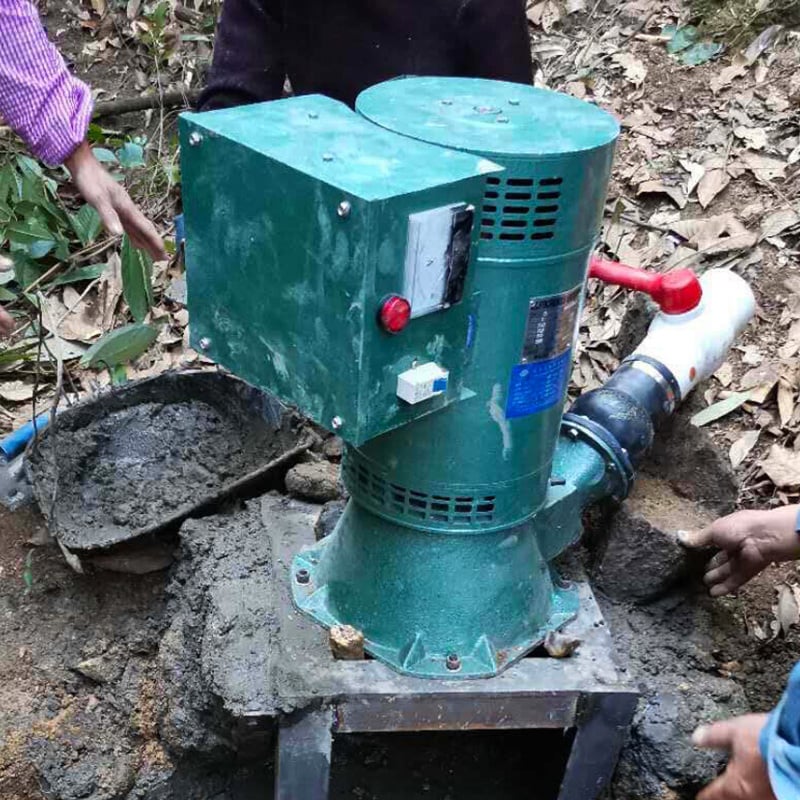
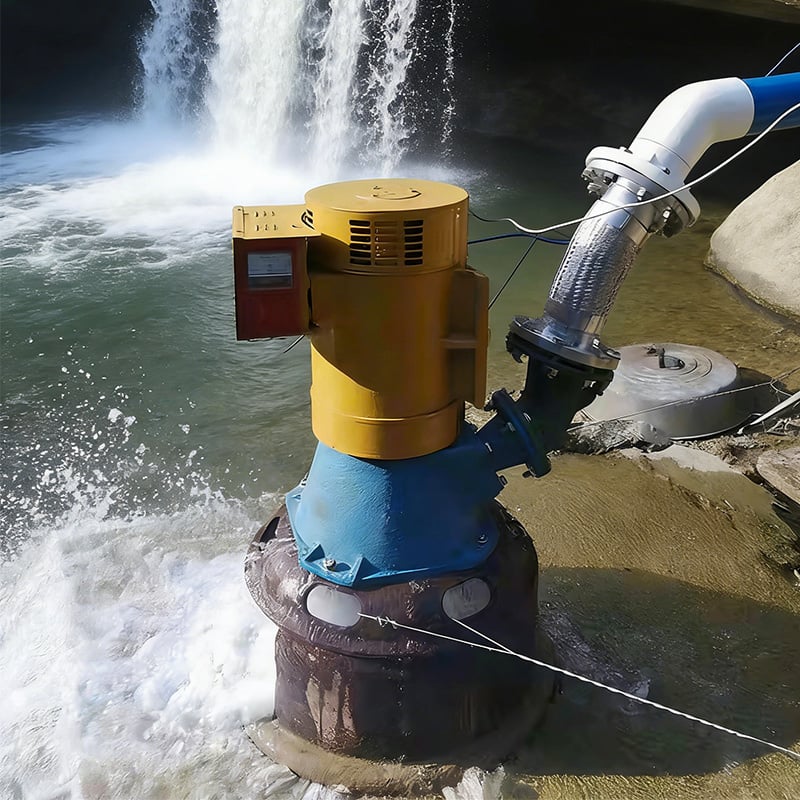
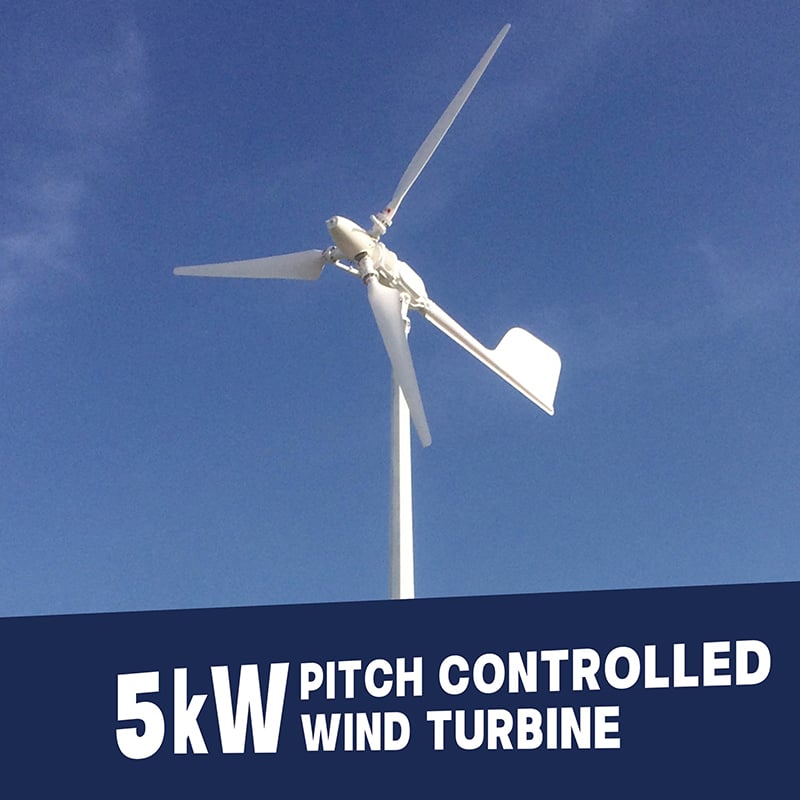
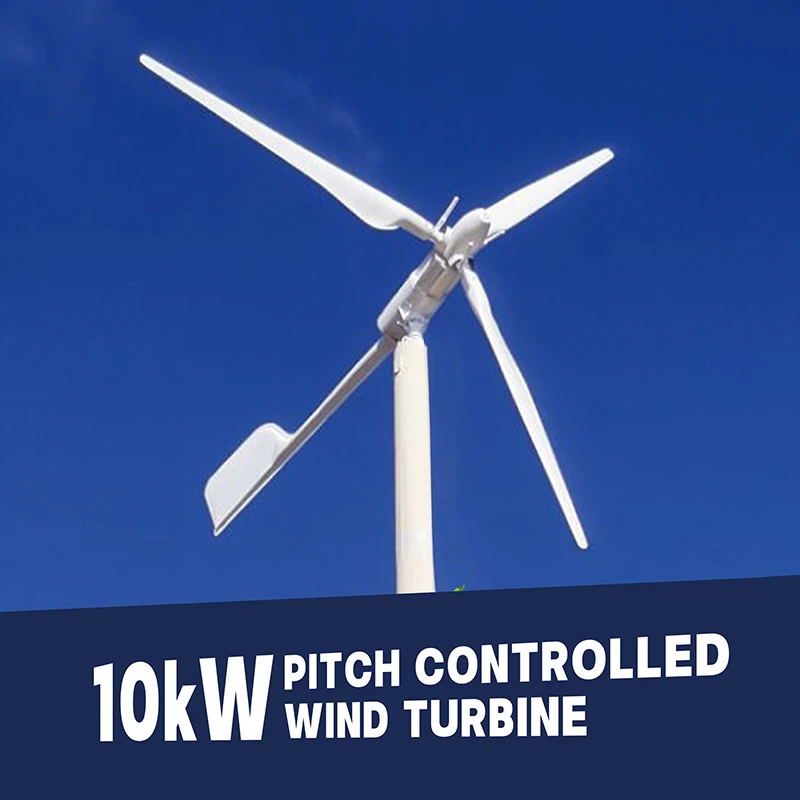
Wind horizontal turbines are an innovative solution designed to harness wind energy efficiently. As a B2B buyer considering this technology, you may have concerns regarding supplier reliability, installation challenges, performance metrics, and quality control processes. This article will address these important considerations to help you make an informed purchasing decision.
Selecting the right supplier for wind horizontal turbines is critical to ensuring project success. Key factors to evaluate include the supplier's experience in the renewable energy sector, product range, and customization capabilities. Look for suppliers with a proven track record, such as Jiangsu DHC Environmental Si-Tech Co., Ltd., which boasts 15 years of experience in manufacturing wind turbines. Additionally, assess the supplier’s ability to offer real power output analytic and tailored solutions for various applications, such as homes, farms, and distributed power stations. It's advisable to request product samples or case studies to evaluate the performance and reliability of their turbines in real-world conditions. Lastly, consider the supplier's supply chain partnerships, which can significantly impact lead times, product availability, and after-sales support. A strong supply chain can ensure timely delivery of components necessary for installation and maintenance.
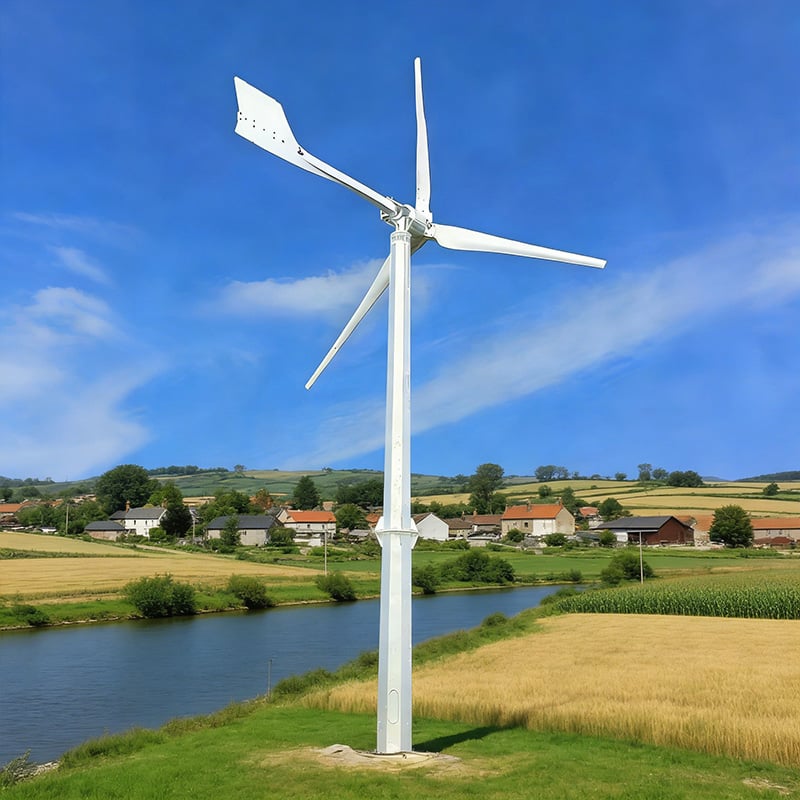
Installing wind horizontal turbines can present several challenges. A common issue is site selection; factors such as wind speed, terrain, and proximity to power lines can affect turbine performance. Conducting a thorough site assessment prior to installation is essential. Another challenge is the integration of turbine systems with existing infrastructure. Buyers should ensure that the turbine's specifications match the site conditions and that any required modifications to the electrical grid or energy management systems are planned in advance. Installation can also be complicated by local regulations and permitting processes. Engaging with local authorities early in the project can help streamline this process. To mitigate these challenges, it’s wise to collaborate closely with your supplier during the planning phase. Suppliers like Jiangsu DHC can provide technical support and guidance to navigate the complexities of installation, ensuring that all necessary permits and technical requirements are met.
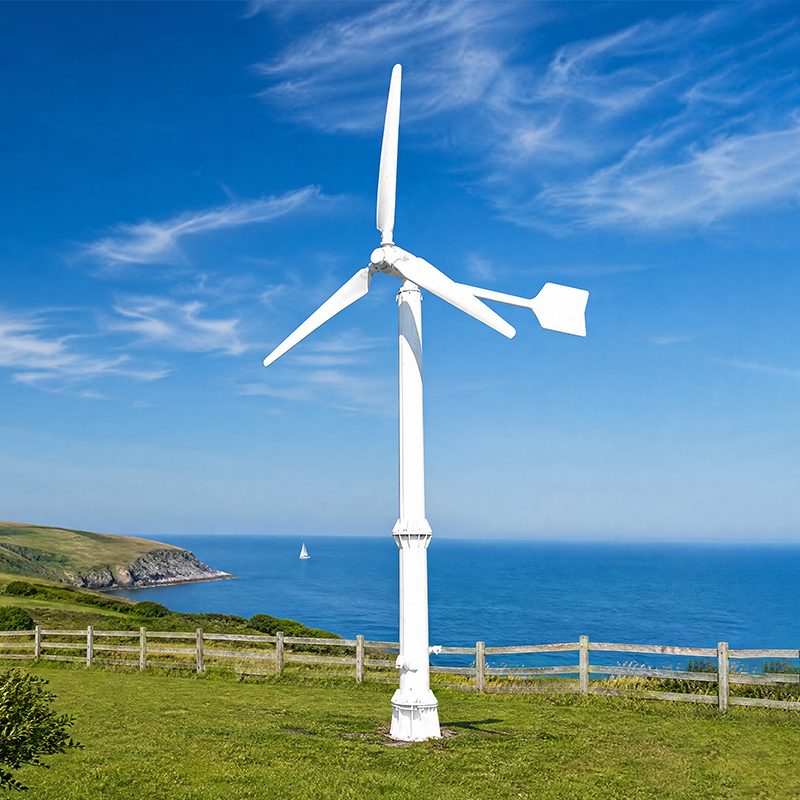
Finding reliable wholesale suppliers for horizontal axis and vertical axis wind turbine involves researching both local and international markets. Trade shows and renewable energy expos can be valuable for networking and identifying potential suppliers. Additionally, industry associations often provide directories of reputable manufacturers. Online platforms and marketplace websites can also be useful, but it’s crucial to vet suppliers through reviews, ratings, and case studies. Look for feedback from other B2B buyers regarding the supplier's reliability, product quality, and customer support. Consider reaching out to manufacturers with a solid export track record and experience in your region. This can ensure compliance with local regulations and standards. Jiangsu DHC Environmental Si-Tech Co., Ltd. is a strong candidate, known for its commitment to quality and innovation in the renewable energy sector.
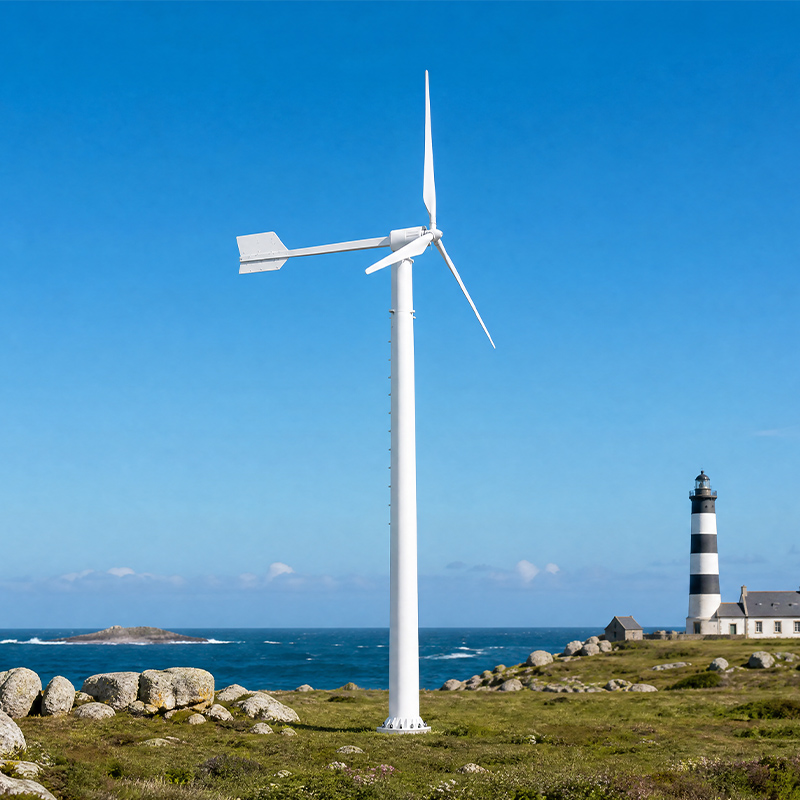
When evaluating wind horizontal wind turbine, specific performance metrics and features are essential. Key specifications to consider include rotor diameter, rated power output, and cut-in wind speed. The rotor diameter affects energy capture; a larger diameter generally allows for more energy generation in low-wind conditions. Rated power output indicates the maximum energy the turbine can produce under optimal conditions. Buyers should confirm that the turbine's power output meets their energy requirements, particularly for larger installations. Cut-in wind speed is the minimum wind speed at which the turbine begins to generate electricity. Selecting a turbine with an appropriate cut-in speed for your location can enhance energy generation efficiency. Other features to evaluate include the turbine's noise level, which can be crucial in residential areas, and its durability against environmental factors such as extreme temperatures or corrosion. Requesting performance data from the manufacturer can help confirm these metrics align with your application needs.
Solar wind power systems are our primary focus. offer customers custom solutions using our expert supply 5000w wind turbine management capability's ability integrate. Simply tell us about your specific requirements, from design, production, to after-sales support, we will provide with real-time professional services throughout the day.
most renowned brand wind-powered hybrid power systems DHC the only company with own wind turbine factory that combines R D, design, production technical support. Since 2009, our founders have practiced the 2kw vertical wind turbine of environmental protection and have been immersed in the latest energy sources and have adhered the company's culture that focuses on "diligence and honesty, collaboration, and creativity." Our brand DHC is the consequence of this.
Our commitment integrity the foundation of our business. We provide genuine power products and provide skilled service. Regarding wind turbines can pay attention is important to committed to preserving integrity as the primary goal of our enterprise, and we offer customers real power products and professional services. It is possible to consider factors such as blade diameter as well as wind turbine weight when Wind turbine for home 5kw wind turbines. We ensure that all products made by DHC are based on actual power output and not overinflated power.
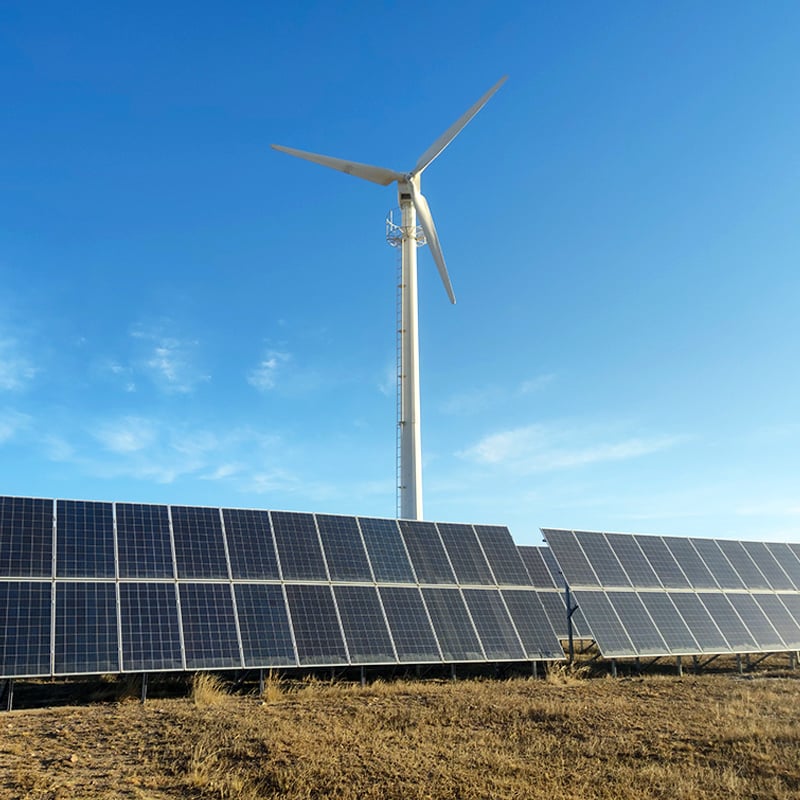
main products wind turbines and solar panels. customers can receive a single-source service integration and development wind-solar hybrids as well as intelligent photovoltaic systems. DHC provides reliable 5000w wind turbine, technologies and after-sales support customers through exceptional delivery capability.
Quality control is paramount in the manufacturing of horizontal axis turbine to ensure reliability and performance. Effective quality assurance processes should include material selection, production equipment calibration, and testing protocols. Start by confirming that the manufacturer employs high-quality materials that comply with industry standards. Turbines typically require corrosion-resistant components to withstand harsh environmental conditions. Inspection processes should be in place at multiple stages of production. For example, buyers should verify that the manufacturer conducts thorough testing of turbine components before assembly. This includes stress tests and performance evaluations, which can identify potential issues early in the production process. Moreover, obtaining certifications that demonstrate compliance with international standards can enhance trust in the manufacturing process. Jiangsu DHC, for instance, utilizes a dedicated R&D factory to ensure that their products meet cutting-edge efficiency standards and rigorous quality assessments. Before placing a large order, it's advisable to request a sample unit. Testing this sample under actual operating conditions can help identify any potential performance issues prior to mass production, ensuring that the final products will meet your expectations. By considering these factors, B2B buyers can make well-informed decisions regarding wind horizontal turbines, aligning their selections with both immediate needs and long-term sustainability goals.
Welcome to DHC, the top brand of wind solar hybrid power system! We provide innovative and effective new energy solutions including wind turbine, solar panel, lifepo4 battery, etc.




 EN