Wind power turbines for home use are becoming increasingly popular as homeowners seek sustainable energy solutions. These systems harness wind energy to generate electricity, providing an eco-friendly alternative to traditional power sources. When considering a wind turbine for your home, potential buyers often have concerns about efficiency, suitability, installation, and long-term maintenance. This article will guide you through selecting the right wind turbine, key factors to consider, sourcing reliable suppliers, and addressing common issues associated with home wind turbines.
Selecting the appropriate wind turbine for your home begins with assessing your energy needs. Consider the average energy consumption in your household and how much of that you wish to generate through wind power. Key specifications to evaluate include the turbine's rated power output, which indicates how much energy it can produce under optimal wind conditions.
Another crucial factor is the turbine's cut-in wind speed, the minimum speed at which the turbine starts producing electricity. For residential applications, a turbine with a lower cut-in speed is preferable, especially in areas with less consistent wind. Additionally, consider the turbine's height and blade diameter, as these dimensions directly affect the capture of wind energy. Taller turbines with larger blades can harness more wind, increasing energy production.
Finally, assess the turbine's noise level and aesthetic design, as these factors can impact your living environment and neighborhood relations. A suitable vertical wind turbine will balance power generation capability with minimal noise and visual disruption.
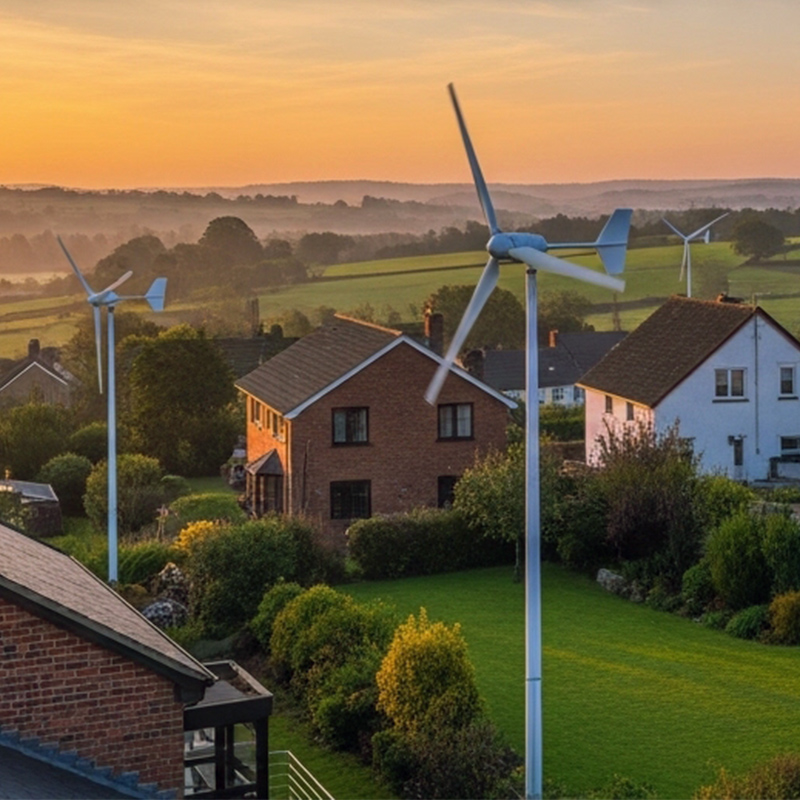
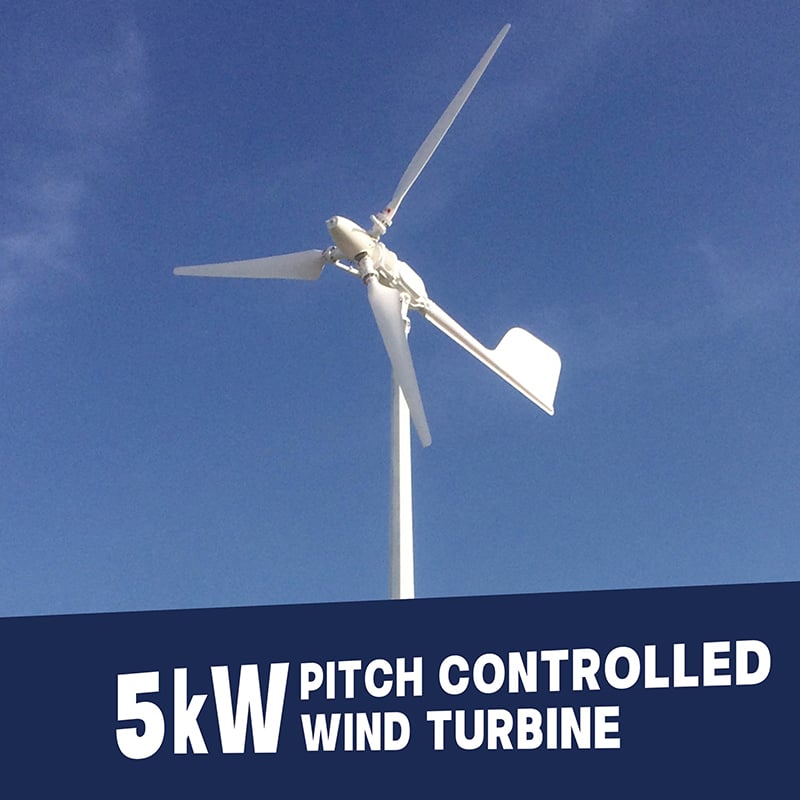
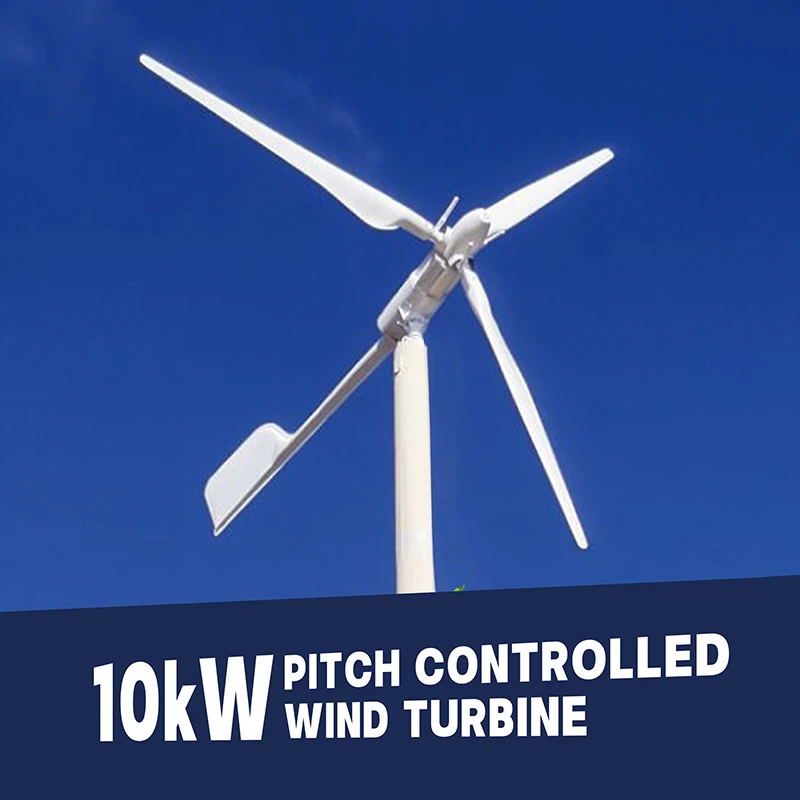
When purchasing a wind power turbine for home use, it’s essential to gather comprehensive information to make an informed decision. Start by determining the types of turbines available, such as horizontal-axis and vertical-axis turbines. Horizontal-axis turbines are more common for residential use due to their higher efficiency rates.
Next, compile the necessary specifications to share with potential suppliers. Key details include:
Rated Power Output: How much electricity the turbine can produce.
Cut-in Wind Speed: The minimum wind speed required to start generating power.
Height and Diameter: Turbine dimensions that influence energy capture.
Material: The construction material, which affects durability and maintenance.
Installation Requirements: Space and structural considerations for mounting the turbine.
Request quotes from multiple suppliers to compare pricing, customization options, and delivery times. Be sure to ask about warranty terms and after-sales support, as these can indicate the supplier's reliability.
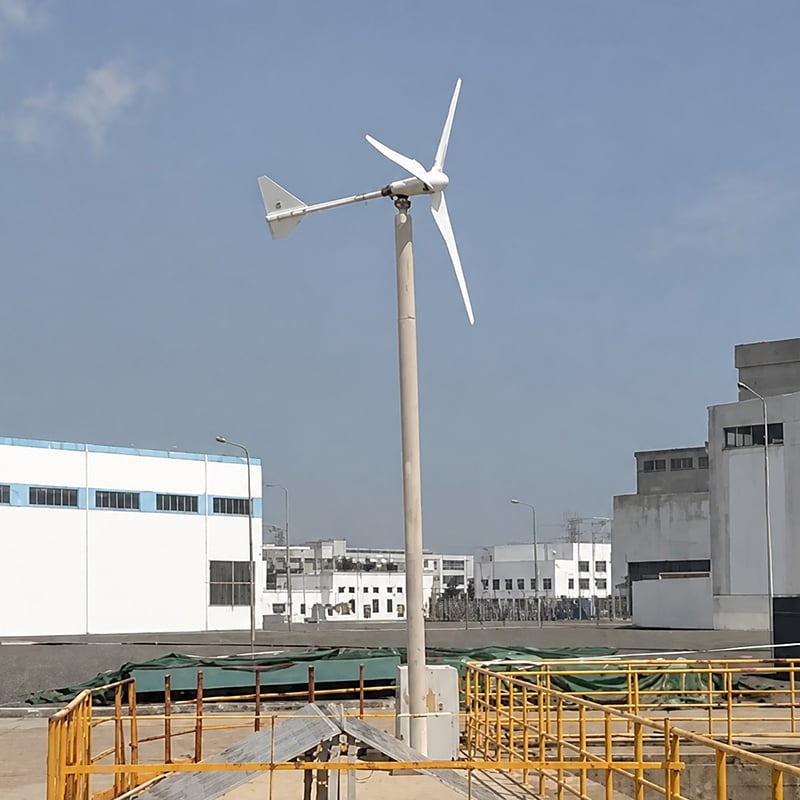
Several key factors should influence your decision when selecting a wind power turbine for home use:
Site Assessment: Conduct a thorough analysis of your property’s wind resources. This can include wind speed measurements over time and identifying any potential obstructions, such as trees or buildings, that could affect wind flow.
Local Regulations: Check local zoning laws and regulations regarding residential wind turbines. Some areas may have restrictions on turbine height, placement, or aesthetic guidelines.
Financing Options: Explore different financing options available for renewable energy projects. Some regions offer incentives or grants for homeowners investing in renewable energy solutions, which can help offset initial costs.
Supplier Reputation: Research suppliers’ credibility, focusing on their experience in the industry, customer reviews, and overall reputation. A reliable supplier, such as Jiangsu DHC Environmental Si-Tech Co., Ltd., known for its expertise in wind and solar hybrid systems, can provide valuable insights and support throughout the purchasing process.
By considering these factors, you can make a more informed decision that aligns with your energy goals and expectations.
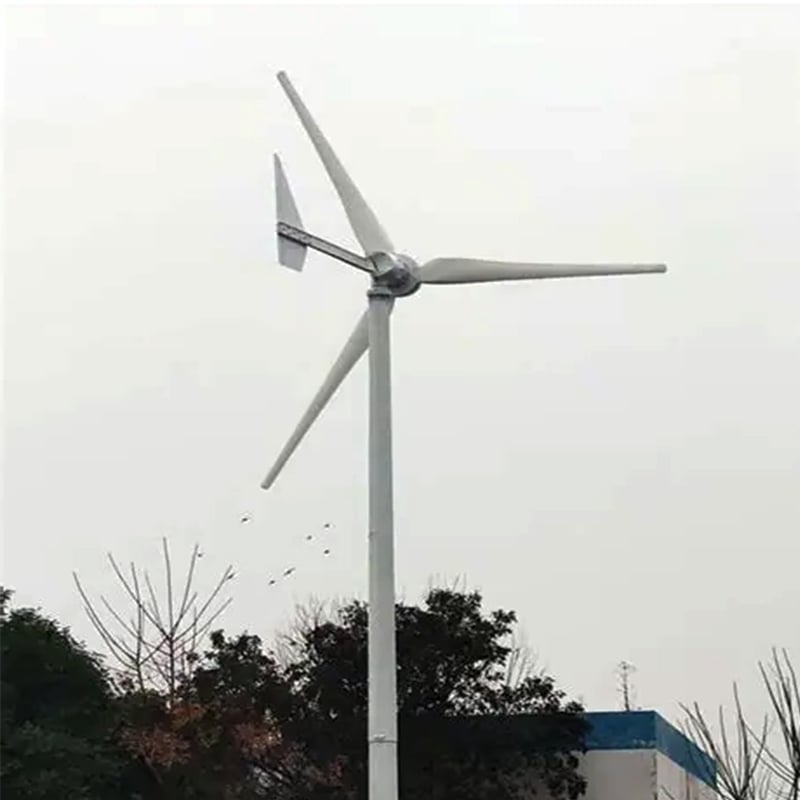
Finding trustworthy suppliers for wind power turbines involves research and due diligence. Start by seeking recommendations from industry professionals, local renewable energy associations, or online forums. Networking with other homeowners who have successfully installed wind turbines can also yield valuable insights.
Once you have a list of potential suppliers, evaluate them based on several criteria:
Experience and Expertise: Look for companies with a proven track record in manufacturing and supplying wind turbines. Jiangsu DHC Environmental Si-Tech Co., Ltd., with 15 years of experience, exemplifies a reputable supplier that specializes in customized solutions.
Product Range: Assess the variety of turbines offered, including different sizes and specifications. A supplier that can cater to your specific energy needs and provide customization options is preferable.
Customer Service: Reliable suppliers should offer comprehensive customer support, from initial inquiries to post-installation assistance. Evaluate their responsiveness and willingness to provide detailed information.
Certifications and Compliance: Check for necessary certifications that ensure product quality and safety. This can include compliance with industry standards for renewable energy technologies.
By sourcing suppliers with these qualities, you can enhance your chances of a successful purchase and installation experience.
We dedicated to upholding integrity as cornerstone of our business, offering customers genuine power products expert services. In the case of wind turbines can pay attention is important to committed to keeping integrity as the cornerstone of business, offering customers the best power products as well as 5000w wind turbine services. Consider parameters such as blade diameter and wind turbine's weight when you evaluate wind turbines. We promise that all products manufactured by DHC have real power output without exaggerated power.
are dedicated to meeting commercial domestic electricity needs with wind solar power system. able to provide customers with fully customized solutions with our professional capability managing supply chains capabilities 15kw wind turbine for home. We'll provide professional service throughout day beginning with design, production and after-sales.
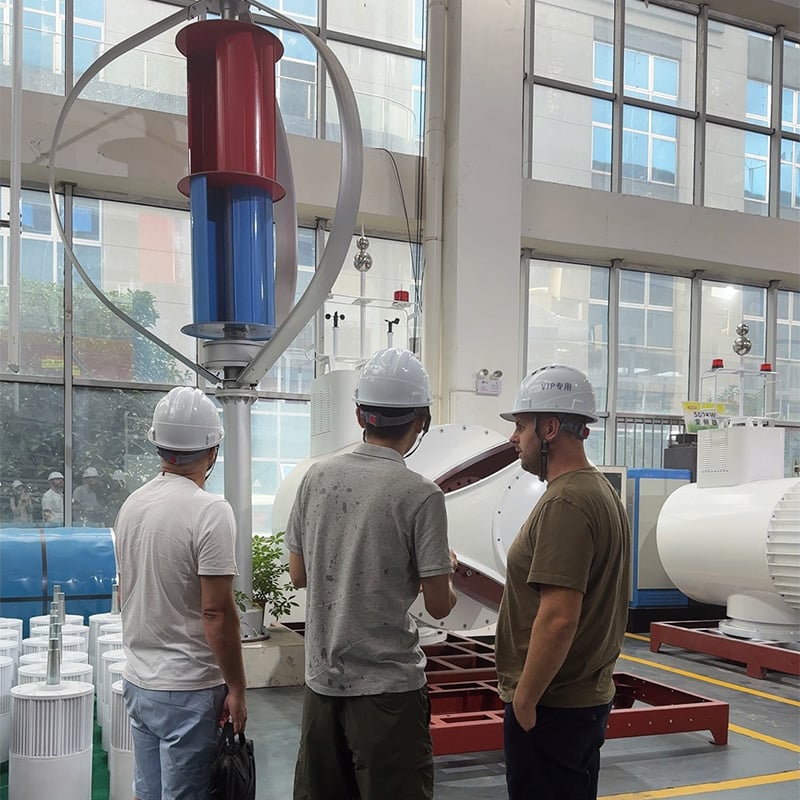
As leading brand wind-powered hybrid power systems DHC is only company with its own wind turbine factory, which combines R D, design, production, technical services. Since 2009 founders have embraced the idea of protecting the environment, immersed new technologies, and Wind turbine for home 5kw by the corporate values that focuses "diligence and integrity, as well as cooperation and creativity." This is also the origin of our name "DHC".
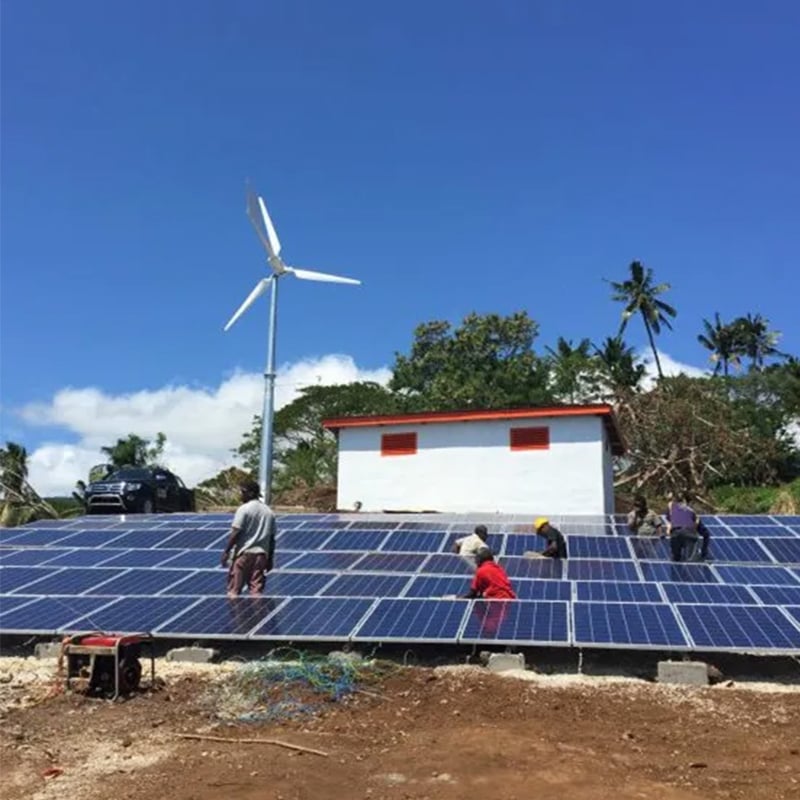
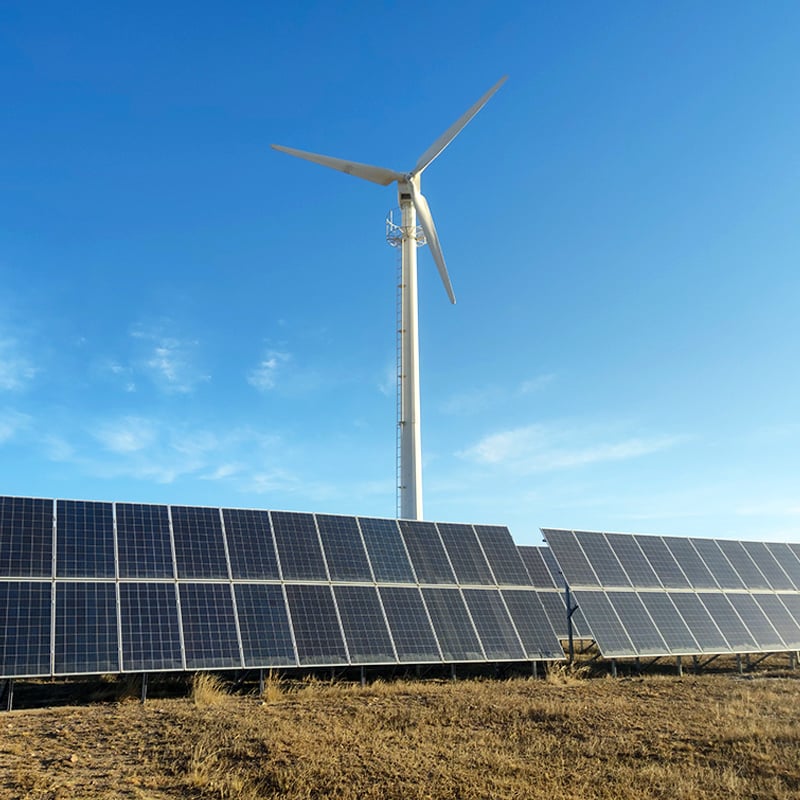
main products include wind Wind turbine for home 5kw solar panels. Customers can avail an all-in-one service integration development of wind-solar hybrids as well as smart photovoltaic system. With excellent delivery ability, DHC provides reliable technologies and products, as well as after-sales service customers.
Despite their benefits, Jiangsu DHC home wind turbines can present certain challenges. Understanding these common issues and their solutions can help homeowners mitigate potential problems:
Insufficient Wind: If the turbine fails to generate adequate power, this can often be attributed to low wind speeds or improper placement. Conduct a wind resource assessment before installation and consider relocating the horizontal axis wind turbine to a more open area where it can capture more wind.
Noise Concerns: Some turbines can produce noise during operation, which may be bothersome to you or your neighbors. Opt for models known for quieter operation, and ensure that the turbine is installed at an appropriate distance from living areas.
Maintenance Requirements: Regular maintenance is crucial for optimal performance. This may include checking for wear and tear on blades, lubricating moving parts, and ensuring connections are secure. Establishing a maintenance schedule can help prevent issues before they arise.
Structural Challenges: The installation of a wind turbine may require specific structural considerations, such as a sturdy tower foundation. Ensure that your installation site can support the turbine’s weight and withstand local weather conditions.
By recognizing these potential problems and implementing proactive solutions, homeowners can enjoy the benefits of wind power turbines while minimizing disruptions.
In summary, investing in a wind power turbine for home use requires careful consideration of your energy needs, site conditions, and reliable suppliers. By following the guidelines outlined, you can make a well-informed purchase that aligns with your sustainable energy goals.
Welcome to DHC, the top brand of wind solar hybrid power system! We provide innovative and effective new energy solutions including wind turbine, solar panel, lifepo4 battery, etc.
 EN