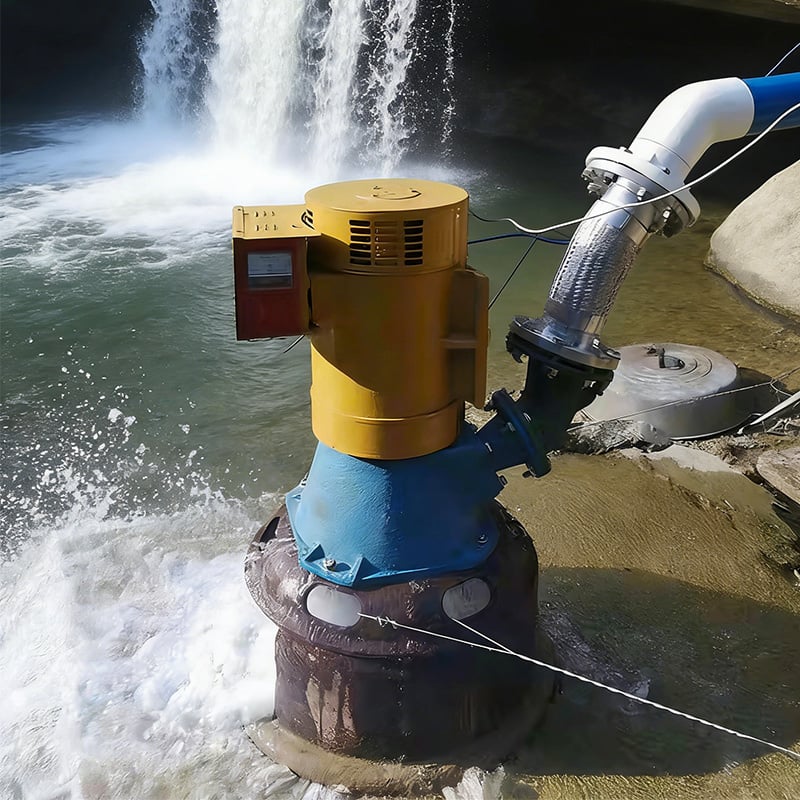
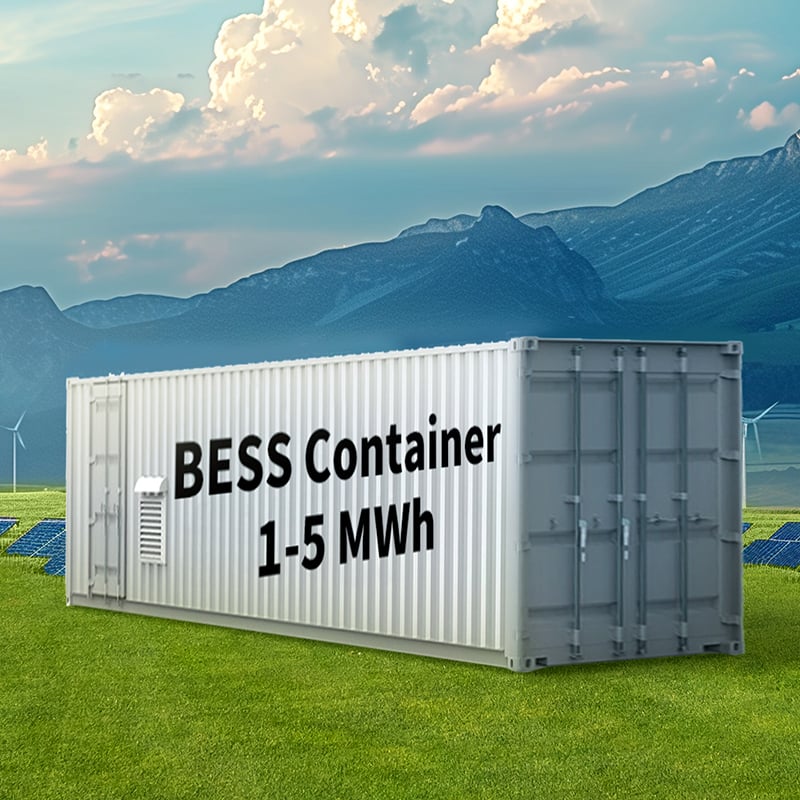
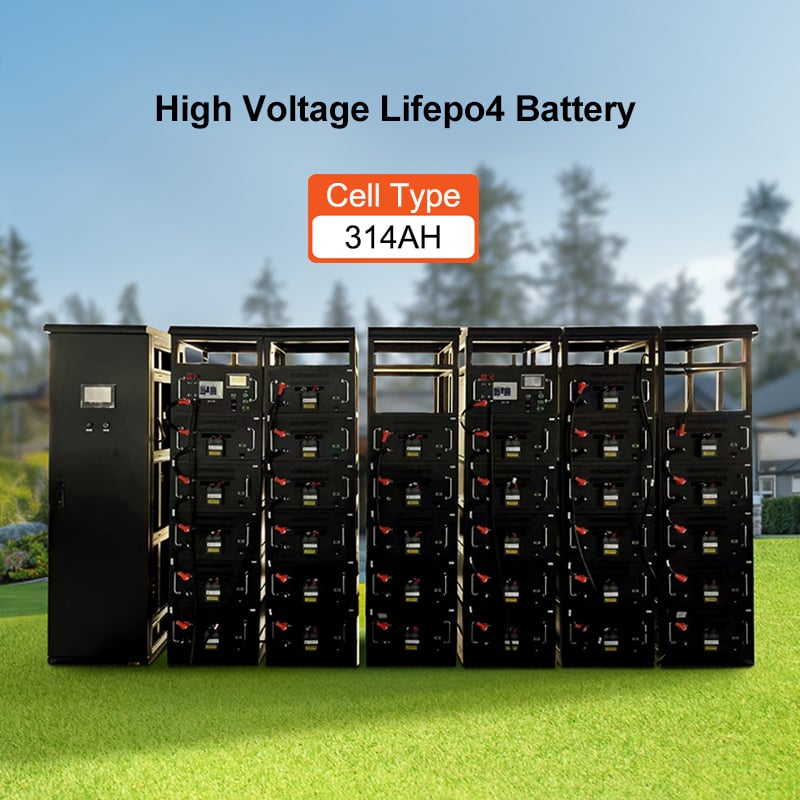
Wind turbines for home use are increasingly popular as consumers seek sustainable energy solutions. These Jiangsu DHC wind turbine with generator systems allow homeowners to harness wind energy, reducing reliance on traditional power sources while also lowering energy costs. However, buyers often face challenges in selecting the right turbine, understanding specifications, and ensuring proper installation. This article will address key aspects of choosing a wind turbine for residential applications, providing insights into sourcing, specifications, installation, applications, and the advantages of bulk ordering.
When sourcing wind turbines for home installations, it’s crucial to partner with reputable suppliers like Jiangsu DHC Environmental Si-Tech Co., Ltd. A reliable supplier not only provides high-quality products but also offers robust support throughout the purchasing process. Key factors to consider include:
Experience and Expertise: Look for companies with a proven track record in the renewable energy sector. Jiangsu DHC small wind turbine with experience in wind and solar hybrid systems tend to have better insights into product performance and suitability for specific environments.
Product Range: Evaluate the variety of wind turbines offered, including different sizes, capacities, and technologies. A supplier should provide options that cater to various energy needs and site conditions.
Customer Support: Ensure that the supplier offers technical assistance, installation guidance, and after-sales service. This support can be crucial for troubleshooting and maintenance.
Supply Chain Stability: A strong supply chain can affect lead times and product availability. Suppliers with established relationships and robust logistics networks are often more reliable.
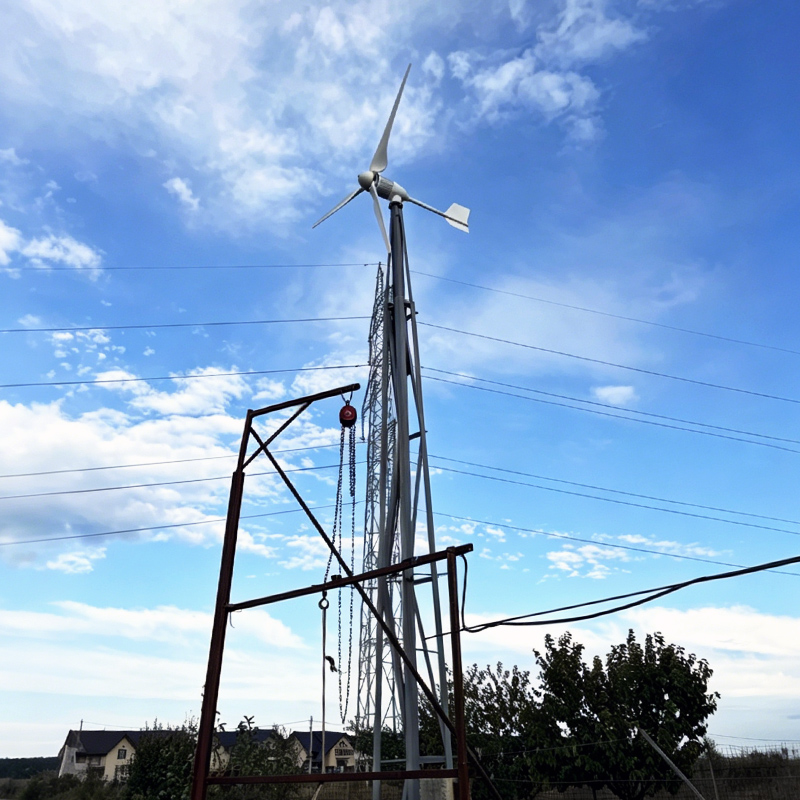
Before making a purchase, buyers must understand critical specifications that affect the performance of wind turbines for home use. Key specifications include:
Rated Power Output: This Jiangsu DHC wind turbine energy generation indicates the maximum electrical power the turbine can produce under optimal conditions. For residential use, turbines typically range from 400 watts to 10 kilowatts, depending on energy needs and average wind speeds.
Cut-in Wind Speed: This is the minimum wind speed at which the turbine begins to generate electricity. A lower cut-in speed is beneficial for areas with fluctuating wind conditions.
Survival Wind Speed: This specification refers to the maximum wind speed the turbine can withstand without damage. Knowing this helps in assessing the turbine's durability in extreme weather conditions.
Rotor Diameter: A larger rotor diameter generally captures more wind, leading to higher energy production. However, it also requires more space for installation.
Noise Level: For residential areas, noise can be a concern. Understanding the decibel rating of the turbine can help in selecting a model that minimizes disturbance.
Buyers should confirm these specifications based on their specific application and environmental conditions before finalizing their purchase.
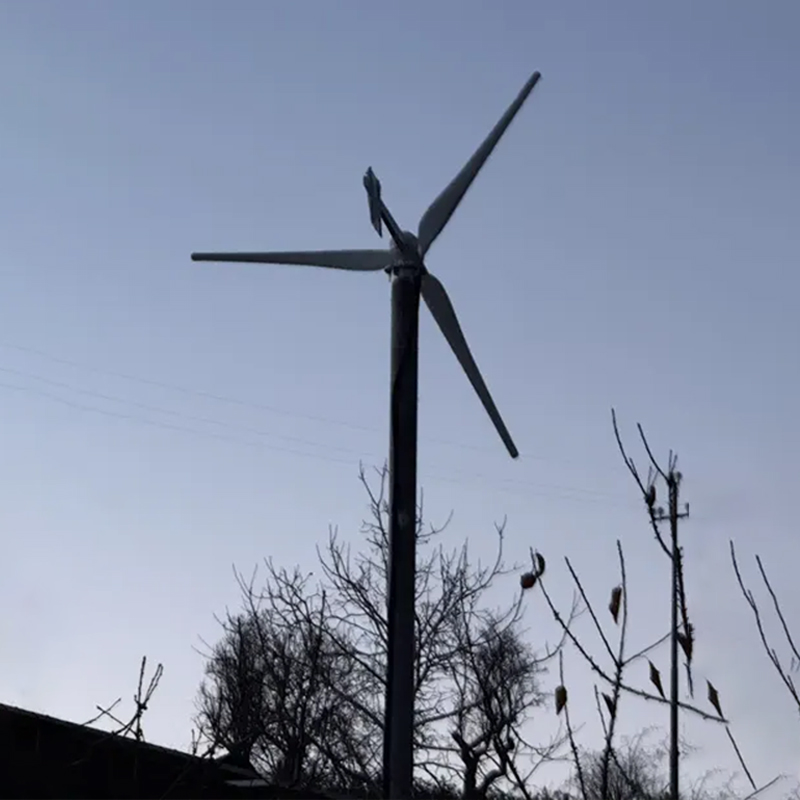
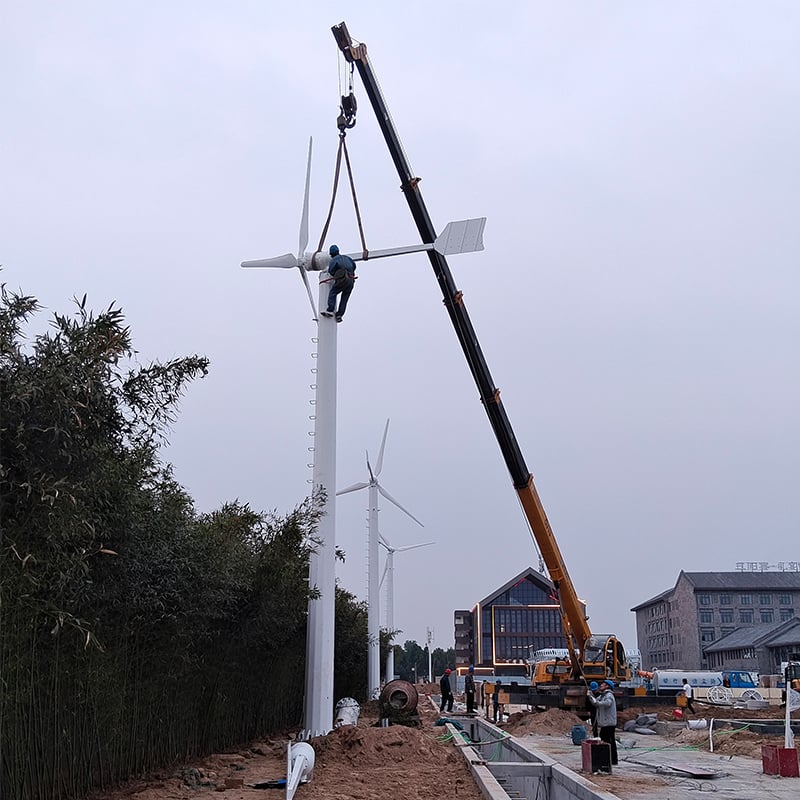
Proper installation of wind turbines is critical for maximizing performance and ensuring safety. Here are essential installation considerations:
Site Assessment: Conduct a thorough evaluation of the installation site. Factors such as wind patterns, terrain, and proximity to obstructions (like trees or buildings) can significantly impact turbine performance.
Permitting and Regulations: Check local regulations regarding wind turbine installations. Some areas may require permits or have zoning restrictions that must be adhered to.
Mounting Systems: Choose the appropriate mounting system based on local conditions. Ground-mounted turbines may offer stability, while roof-mounted turbines can save space but require careful structural assessments.
Electrical Connections: Properly connect the turbine to your electrical system, ensuring compliance with local electrical codes. It may be beneficial to consult with a licensed electrician for these tasks.
Maintenance Plans: Establish a maintenance routine to inspect the turbine and ensure it operates efficiently over its lifespan. Regular checks can prevent costly repairs and prolong the system's life.
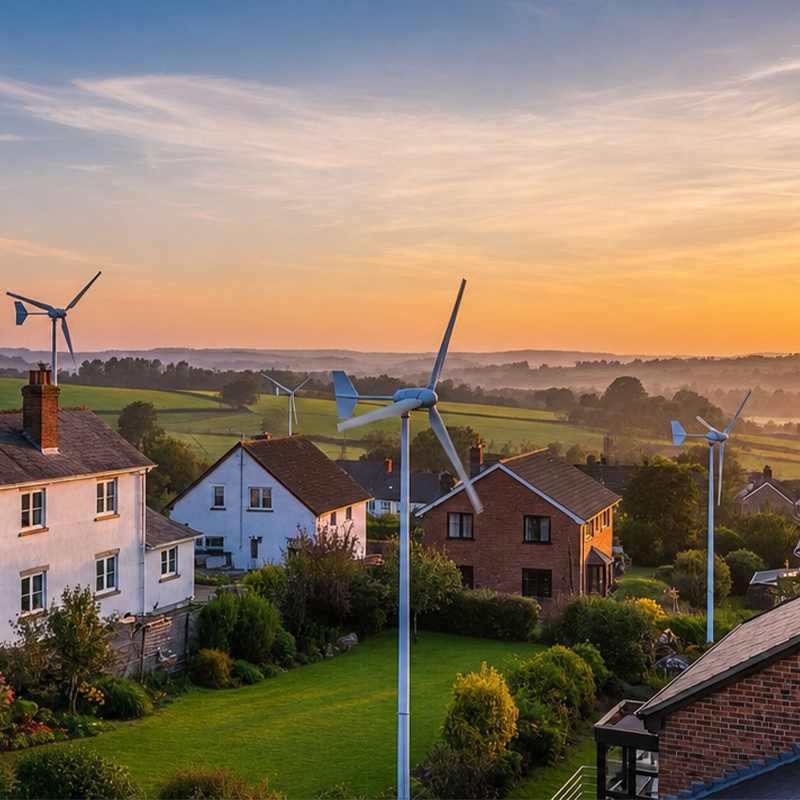
Wind turbines serve various applications in residential energy solutions, making them versatile options for homeowners:
Grid-Tied Systems: Many homeowners opt for grid-tied systems, which allow them to sell excess energy back to the grid. This setup can provide additional savings and energy credits.
Off-Grid Systems: In remote areas where grid access is limited, wind turbines can provide a reliable energy source. Coupled with battery storage systems, they can ensure a continuous power supply.
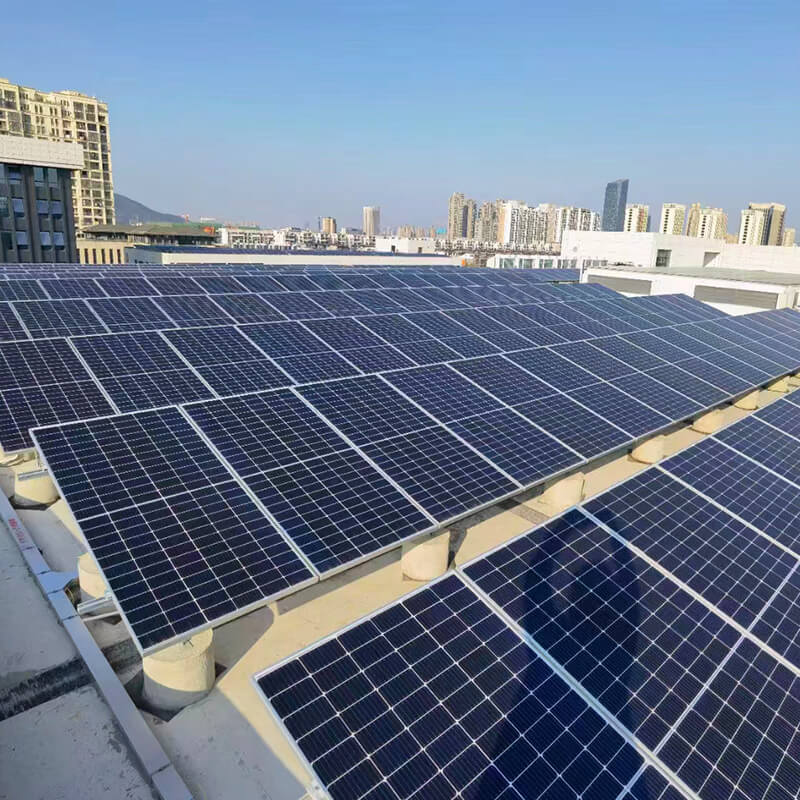
Hybrid Systems: Combining wind and solar technologies can optimize energy production, especially in locations with varying weather patterns. This approach allows homeowners to maximize their renewable energy output.
Supplementing Traditional Energy Sources: Wind turbines can significantly reduce energy bills by supplementing traditional energy sources, making them an attractive option for households looking to decrease their carbon footprint.
Wind solar energy wind turbine generator our primary focus. We can provide customers with customized solutions with professional capability of managing supply chains as well as ability integrate. Tell us what want to achieve. needs, from de sign, manufacturing, through after-sales and more, will offer you real-time professional support throughout the day.
Integrity the cornerstone of company. offer real power solutions offer an expert service. {When it comes to wind turbines, {you can pay attention it is important to Integrity is the foundation our company. We offer real power equipment, as well as skilled service. You can consider parameters like blade diameter as well as wind you should pay attention aspects like blade's diameter as well as weight. promise that all products produced by DHC come with Vertical wind turbine power output and not overinflated power.
primary products wind turbines, solar panels and lifepo4 batteries. customers will receive a one-stop-shop service the integration and Wind turbine a wind-solar hybrid as well as smart photovoltaic system. DHC provides reliable products, technologies, and after-sales service to customers with excellent delivery capability.
As most sought-after brand wind solar hybrid power systems, DHC has own wind turbine factory, which combines R D design, production, technical services. Since 2009 our founders have been living the idea protecting the environment, wind turbine and generator in new energy, adhered to our corporate culture of "diligence and honesty, co-operation and the pursuit of creativity." This is also the basis of our name "DHC".
For larger projects or community initiatives, bulk ordering wind turbines offers several advantages:
Cost Savings: Purchasing in bulk often leads to reduced unit prices, allowing for significant savings, especially for larger installations.
Consistent Quality: Ordering multiple units from the same supplier can ensure consistency in quality and performance across all turbines, which is essential for system reliability.
Streamlined Logistics: Bulk orders can simplify the logistics of shipping and handling, reducing lead times and associated costs.
Customization Options: Suppliers may offer enhanced customization options for bulk orders, allowing buyers to specify particular features or configurations suited to their project needs.
Strong Partnerships: Establishing a relationship with a manufacturer through bulk purchases can lead to better support and service in future orders, including maintenance and upgrades.
In summary, understanding the intricacies of wind turbines for home use, from sourcing to installation, is essential for making informed purchasing decisions. By considering specifications, installation practices, and the benefits of bulk orders, buyers can effectively navigate the complexities of integrating renewable energy solutions into their homes.
Welcome to DHC, the top brand of wind solar hybrid power system! We provide innovative and effective new energy solutions including wind turbine, solar panel, lifepo4 battery, etc.




 EN