Wind Jiangsu DHC turbine power small wind turbine are essential components in the renewable energy landscape, converting wind energy into electricity. For B2B buyers, particularly in manufacturing, engineering, or utility sectors, key concerns revolve around product reliability, performance, and supplier credibility. This article aims to provide insights into the critical specifications of wind turbine power generators, how to evaluate suppliers, common installation challenges, sourcing trusted suppliers, and the diverse applications across various industries
When assessing Jiangsu DHC wind mills generators, several specifications are pivotal in determining their performance and suitability. Key specifications include:
Rated Power Output: This indicates the maximum electrical output under optimal wind conditions. Buyers should ensure the rated power aligns with their energy needs, as insufficient output can lead to unmet energy demands
Cut-in and Cut-out Wind Speeds: The cut-in speed is the minimum wind speed at which the turbine begins to generate power, while the cut-out speed is when it stops to prevent damage from high winds. Understanding these parameters helps buyers select turbines that can operate effectively in their specific environmental conditions
Rotor Diameter: A larger rotor diameter typically captures more wind energy, increasing efficiency. Buyers should consider the available space and wind conditions at the installation site when evaluating rotor sizes
Tower Height: The height of the tower impacts wind exposure; taller towers can access higher wind speeds. Buyers should assess local zoning regulations and site conditions to determine the optimal height
Material and Build Quality: High-quality materials, such as corrosion-resistant alloys and high-strength composites, extend the lifespan of the turbines. Buyers should inquire about material specifications and the manufacturing processes used to ensure durability and reliability
Certifications: Compliance with industry standards, such as IEC 61400 for wind turbines, ensures that products meet safety and performance benchmarks. Buyers should verify that potential suppliers can provide relevant certifications
Understanding these specifications not only aids in selecting the right wind turbine power generator but also ensures compatibility with existing systems and expected performance levels
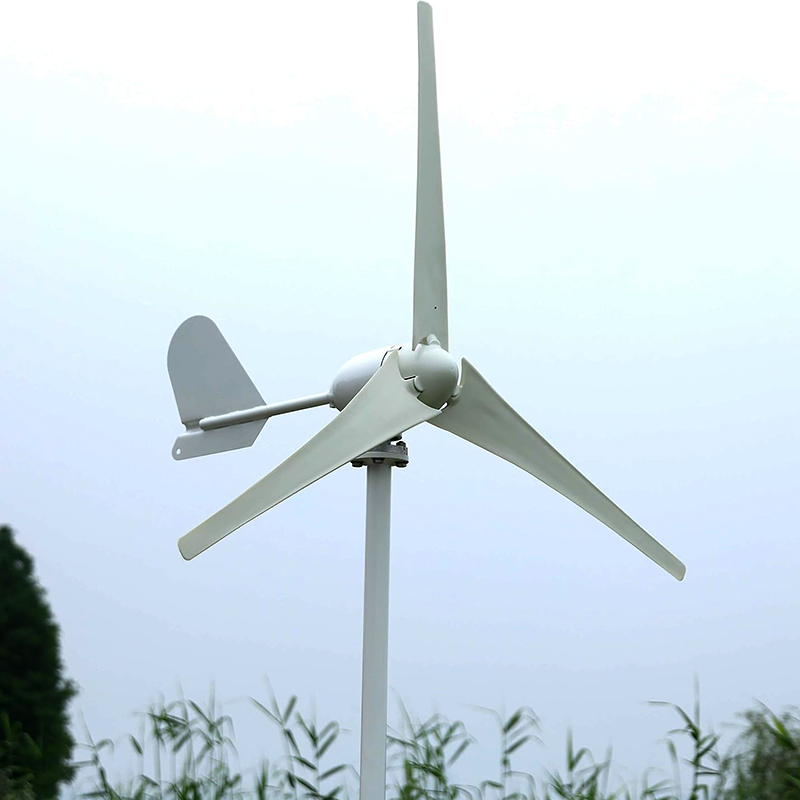
Evaluating supplier reliability is crucial when investing in Jiangsu DHC wind turbines in the ocean generators. Here are key factors to consider:
Experience and Reputation: Investigate the supplier's history in the wind energy sector. A company with 15 years of experience, like Jiangsu DHC Environmental Si-Tech Co., Ltd., can provide confidence in their expertise and product quality. Look for testimonials, case studies, or industry awards that validate their reputation
Supply Chain Strength: A robust supply chain ensures timely delivery and consistent quality. Evaluate suppliers’ partnerships and their ability to source materials, especially in times of market volatility
Technical Support and Service: Reliable suppliers should offer comprehensive technical support, including installation guidance and maintenance services. Assess their responsiveness and willingness to assist with troubleshooting
Quality Assurance Processes: Inquire about the supplier’s quality control measures. A rigorous quality assurance protocol can prevent defects and ensure that products meet or exceed specifications
Customization Capabilities: Depending on project requirements, the ability to customize turbines for specific applications can be a significant advantage. Discuss the supplier's flexibility in adapting designs and specifications to meet unique client needs
Financial Stability: A financially stable supplier is less likely to face disruptions that can affect order fulfillment. Review financial reports or credit ratings if available
By systematically evaluating these aspects, buyers can make informed choices, reducing risks associated with unreliable suppliers.
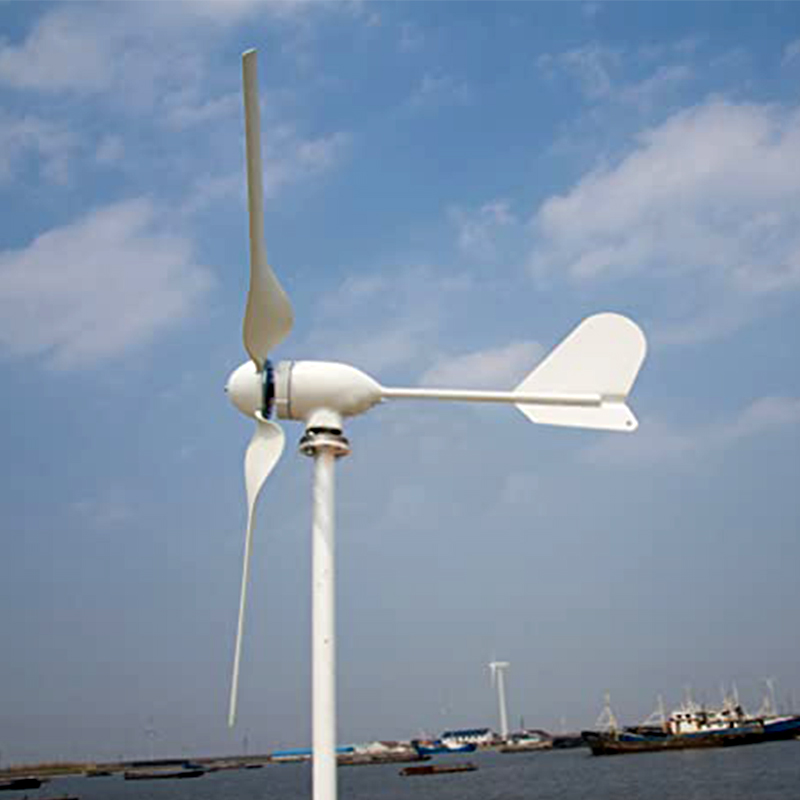
Installation of wind turbine power generators can present several challenges that may affect performance. Here are common issues and how to address them:
Site Assessment Errors: Accurate site assessments are crucial. Miscalculating wind patterns, topography, and environmental impacts can lead to underperformance. Conduct thorough wind resource assessments and site evaluations before installation
Foundation Issues: The stability of the turbine depends on a well-designed foundation. Poor soil conditions or improper foundation design can cause structural problems. Engage qualified engineers to ensure foundations are designed to handle expected loads
Electrical Connection Problems: Incorrect wiring can lead to operational failures or inefficiencies. Ensure that qualified electricians perform installations, adhering to local codes and standards
Logistical Challenges: Transporting large turbine components can be complicated. Consider transportation routes and local regulations for oversized loads during planning
Weather Delays: Adverse weather conditions can delay installation. Build contingency plans into project timelines to accommodate potential delays
Lack of Training: Operators need adequate training for maintenance and troubleshooting. Ensure that personnel are trained and knowledgeable about the specific turbine model and its operation
Addressing these common installation problems proactively can lead to smoother implementation and optimal turbine performance
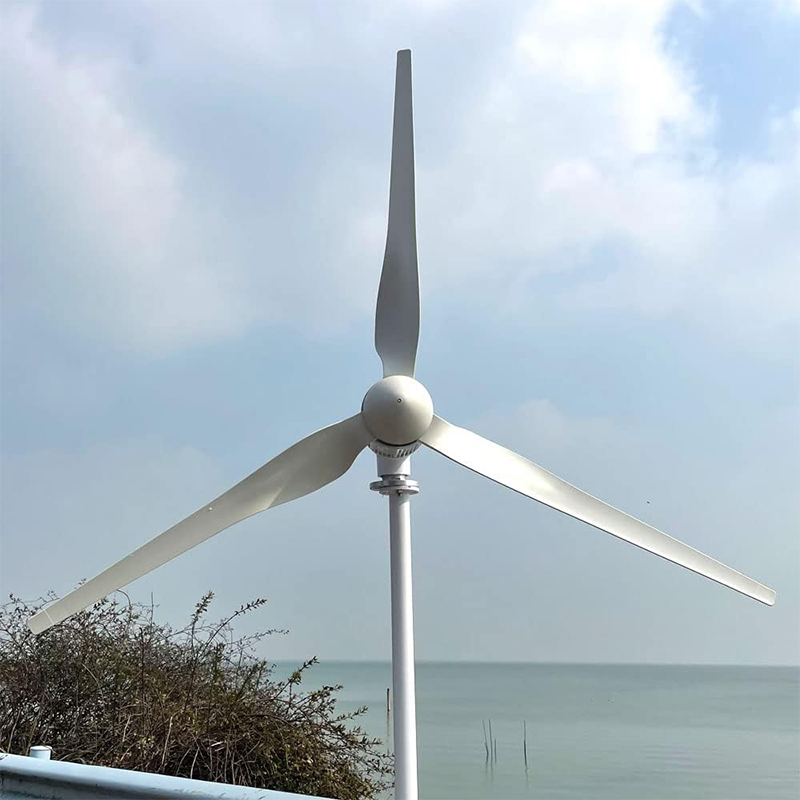
Finding reliable suppliers for wind turbine power generators involves thorough research and networking. Here are practical approaches to sourcing trusted suppliers:
Industry Trade Shows and Conferences: Attending renewable energy trade shows provides opportunities to meet suppliers, see products firsthand, and discuss technical specifications
Online Marketplaces and Directories: Platforms like ThomasNet or Alibaba can help identify suppliers, but verify their credibility through reviews and ratings
Professional Networks: Leverage industry connections and associations to get recommendations for reputable suppliers. Engaging with professional groups can provide insights into supplier performance
Certifications and Memberships: Look for suppliers who are members of recognized industry organizations or hold relevant certifications, indicating a commitment to quality and industry standards
Referrals from Peers: Reach out to other businesses within the industry for their experiences and recommendations regarding suppliers they trust
Supplier Audits: Consider conducting supplier audits to evaluate their facilities, quality control processes, and overall operations. This can provide firsthand insights into their capabilities and reliability
By utilizing these strategies, buyers can identify suppliers that not only meet their technical needs but also align with their quality expectations.
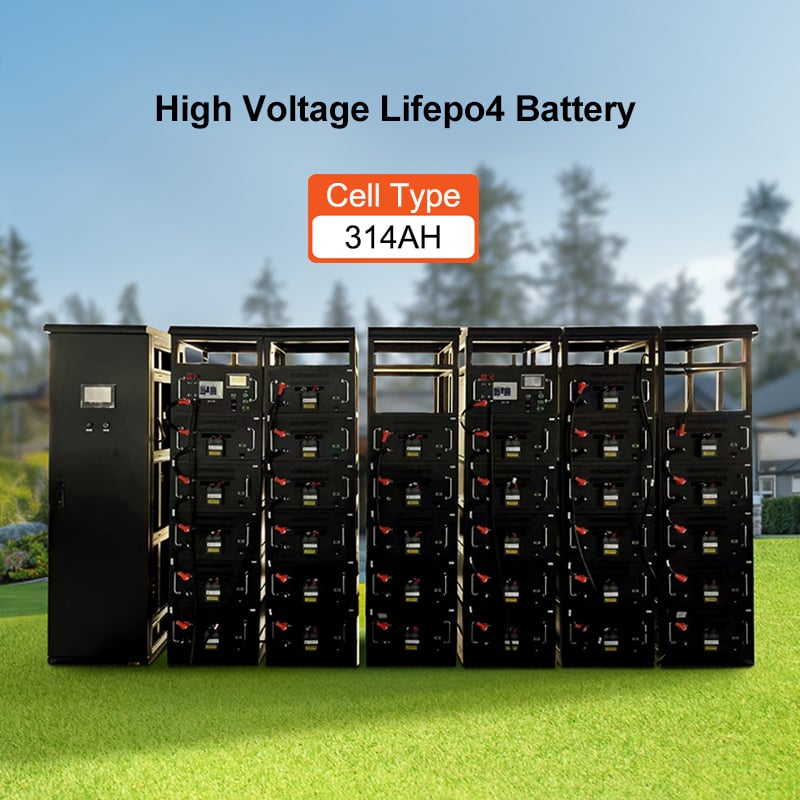
primary products wind turbines, solar panels and lifepo4 batteries. customers will receive a one-stop-shop service the integration and Eolic generator a wind-solar hybrid as well as smart photovoltaic system. DHC provides reliable products, technologies, and after-sales service to customers with excellent delivery capability.
DHC is market leader the hybrid wind solar power systems. It has its own factory that incorporates R D and production, design, and technical services. Since 2009 our founders have embraced the concept of environmental protection by Eolic generator new technology embraced the corporate culture of "diligence integrity, collaboration and creativity." This is also the source of our name "DHC".
Solar wind energy systems are main focus. With Wind turbine chain management expertise integration capabilities, we are able provide customers with totally customized solutions. offer professional service throughout the day starting from design, production and after-sales.
commitment integrity is the basis of our company. We offer real power solutions and offer expert service. Regarding wind turbines can pay attention to is important to We're committed keeping integrity as the primary goal of our 2kw vertical wind turbine, and we offer customers the best power products as well as competent services. When it comes to wind turbines, be sure to consider parameters such as blade diameter and weight. guarantee that all products made by DHC feature actual power output not overinflated power.
Wind turbine power generators have diverse applications across multiple sectors, demonstrating their versatility and importance in energy production. Key applications include:
Agriculture: Farmers use wind turbines to power irrigation systems, livestock operations, and other agricultural processes, reducing reliance on fossil fuels and lowering operational costs
Commercial and Industrial Facilities: Businesses leverage wind energy to offset energy costs, improve sustainability ratings, and meet corporate social responsibility goals. Wind turbines can provide significant savings on energy bills over time
Remote Locations: Wind power is particularly advantageous in off-grid locations, such as remote islands or rural communities, where access to traditional power grids is limited
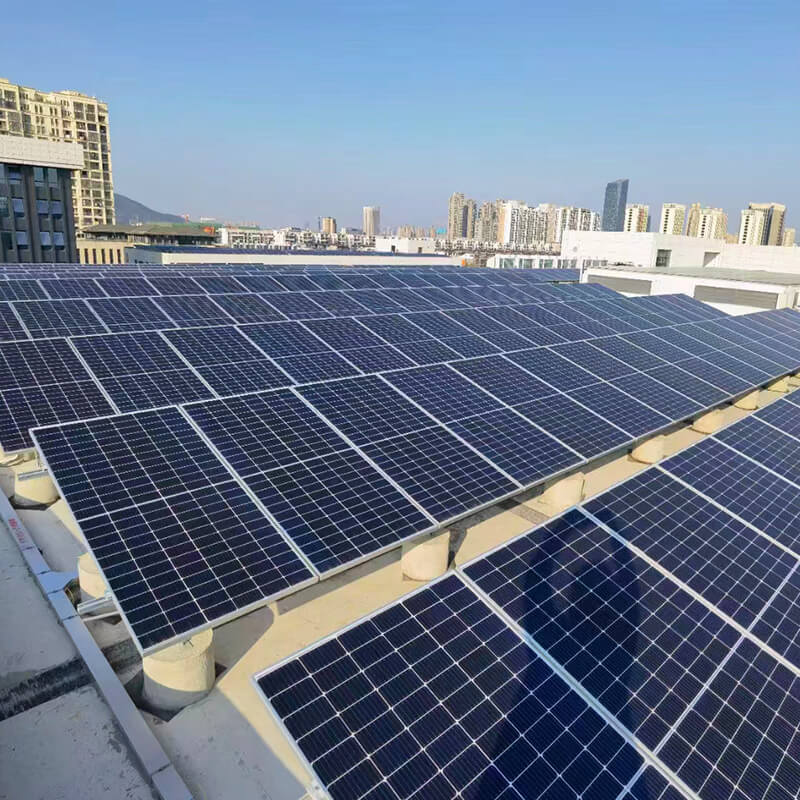
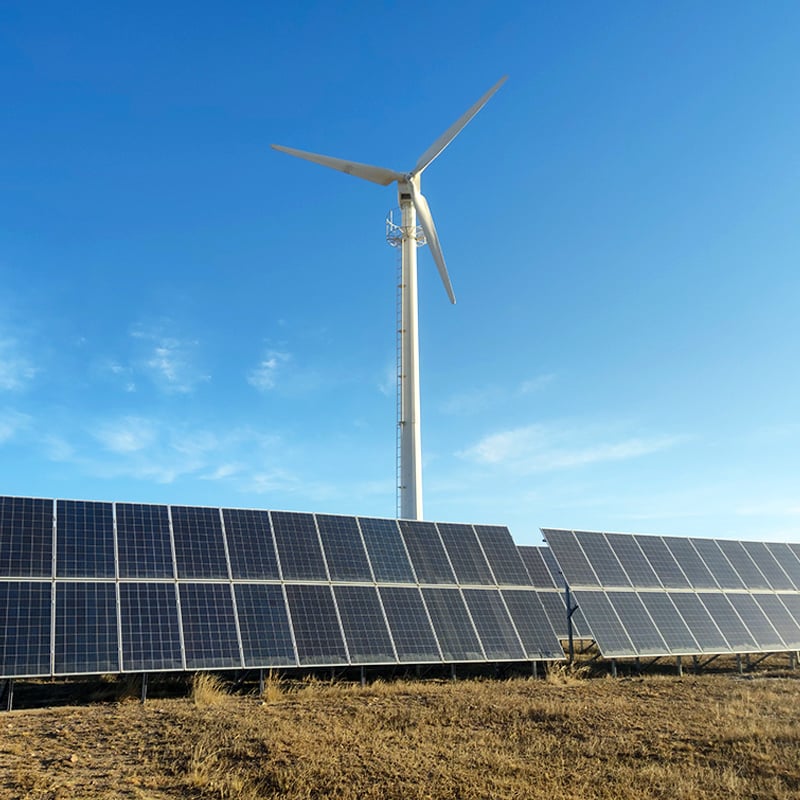
Hybrid Systems: Integrating wind turbines with solar power systems enhances energy reliability and efficiency, allowing for continuous power generation even during varying weather conditions
Public Infrastructure: Municipalities are increasingly adopting wind turbines to power public facilities and street lighting, contributing to community sustainability initiatives
Distributed Energy Systems: Wind turbines can be part of distributed energy systems, providing localized power generation that reduces transmission losses and enhances grid resilience
By understanding these applications, buyers can better evaluate how wind turbine power generators can fit into their specific energy strategies and operational needs
Welcome to DHC, the top brand of wind solar hybrid power system! We provide innovative and effective new energy solutions including wind turbine, solar panel, lifepo4 battery, etc.




 EN