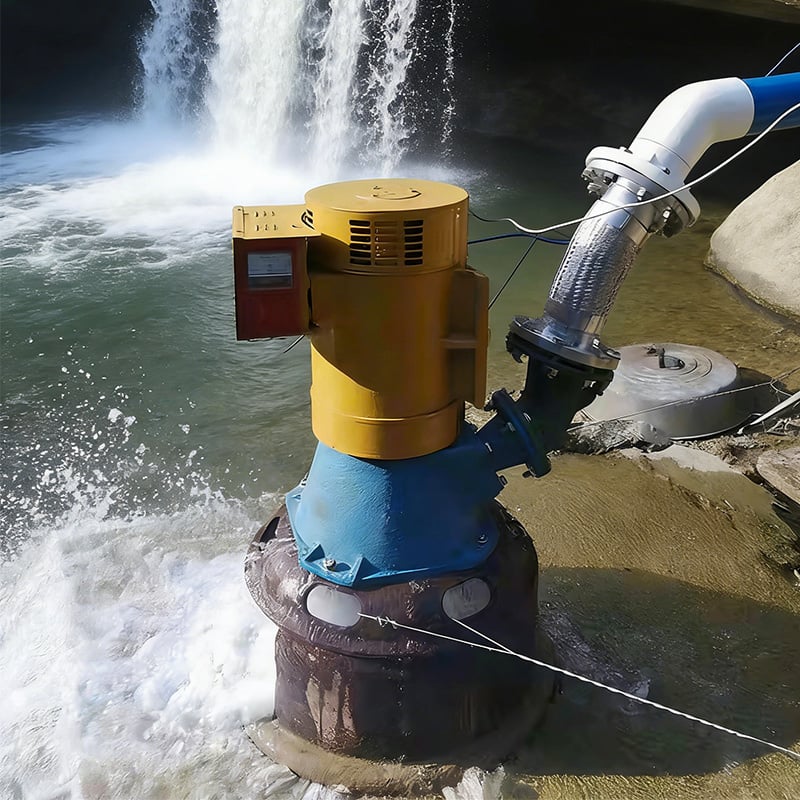
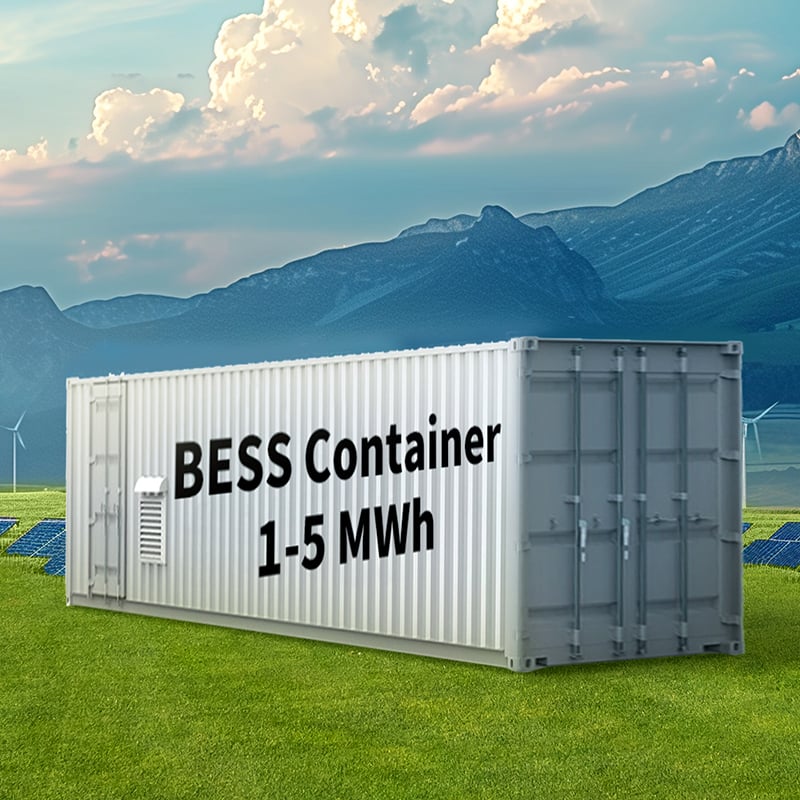
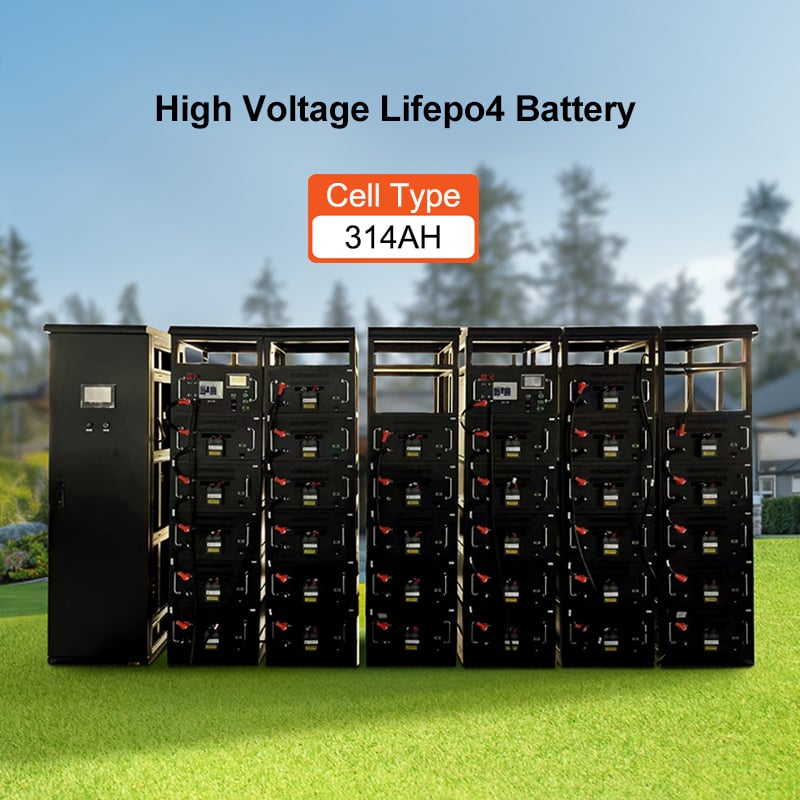
Jiangsu DHC's wind turbine with generator are a key component in the renewable energy sector, providing a sustainable source of power for various applications, from residential use to large-scale power generation. Understanding the factors that influence wind turbine price is crucial for B2B buyers, including purchasing managers and project engineers, who seek to make informed procurement decisions. This article delves into the important considerations that impact wind turbine pricing, guiding buyers in selecting the right systems for their specific needs while ensuring they maximize their investment
Several factors influence the price of Jiangsu DHC's small wind turbine, making it essential for buyers to evaluate their specific requirements. The primary considerations include:
Capacity and Output: Wind turbines are available in various sizes, with different power outputs. The larger the turbine and the greater its capacity to generate electricity, the higher the price. Buyers should assess their energy needs to determine the appropriate turbine size
Technology and Features: Wind turbines incorporate various technologies, such as advanced blade design, pitch control systems, and smart grid integration. More advanced features generally lead to higher costs, but they may also result in increased efficiency and lower operational costs in the long run
Material and Manufacturing Quality: The materials used in turbine construction, such as carbon fiber or high-grade steel, significantly impact durability and performance. Higher quality materials may increase upfront costs but can lead to lower maintenance expenses and a longer lifespan
Customization: Many manufacturers, including Jiangsu DHC Environmental Si-Tech Co., Ltd., offer customized solutions tailored to specific project requirements. Customization can involve adjustments in design, size, or functionality, which will also affect pricing
Supply Chain and Logistics: The cost of transporting turbines from the manufacturer to the installation site can vary significantly based on distance and logistics. Buyers should factor in these costs when evaluating overall wind turbine pricing
Market Demand and Regulations: Fluctuations in market demand for renewable energy solutions and changes in regulatory environments can also impact pricing. Understanding the current market conditions can help buyers secure better deals
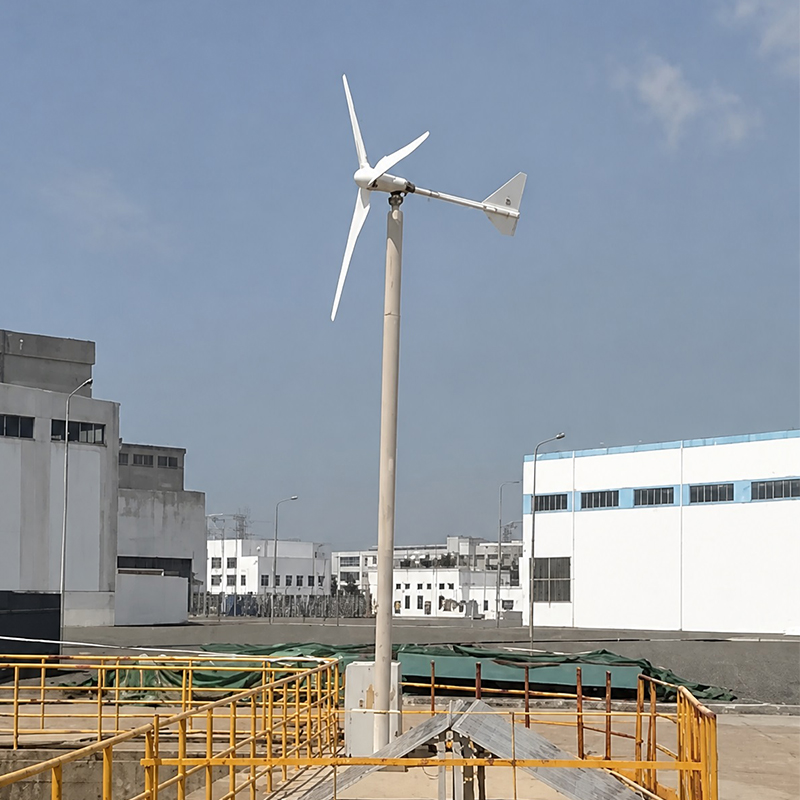
Selecting the right Jiangsu DHC wind mill turbine involves a detailed assessment of several factors:
Project Scale: Determine whether the project is for residential, commercial, or industrial use. Smaller turbines may suffice for homes and farms, while larger systems may be required for distributed power stations
Wind Resource Assessment: Conduct a wind resource assessment to evaluate the average wind speed and variability at the installation site. This data will help in selecting a turbine optimized for those conditions
Regulatory Compliance: Ensure that the chosen turbine meets local regulations and standards. This may include obtaining permits and ensuring compliance with zoning laws
Energy Needs: Calculate the expected energy consumption to guide the capacity requirements of the turbine. This step is critical to avoid under or over-sizing the turbine
Budget Constraints: Establish a clear budget that includes not only the initial purchase price but also installation, maintenance, and operational costs over the turbine's lifespan
Supplier Reputation: Research potential suppliers and manufacturers. A well-established company with a proven track record, like Jiangsu DHC, can offer reliability and support throughout the project lifecycle
When comparing wind turbines, buyers should pay attention to key specifications, including:
Rated Power Output: This indicates the maximum power the turbine can generate under optimal wind conditions. Ensure that this matches your energy requirements
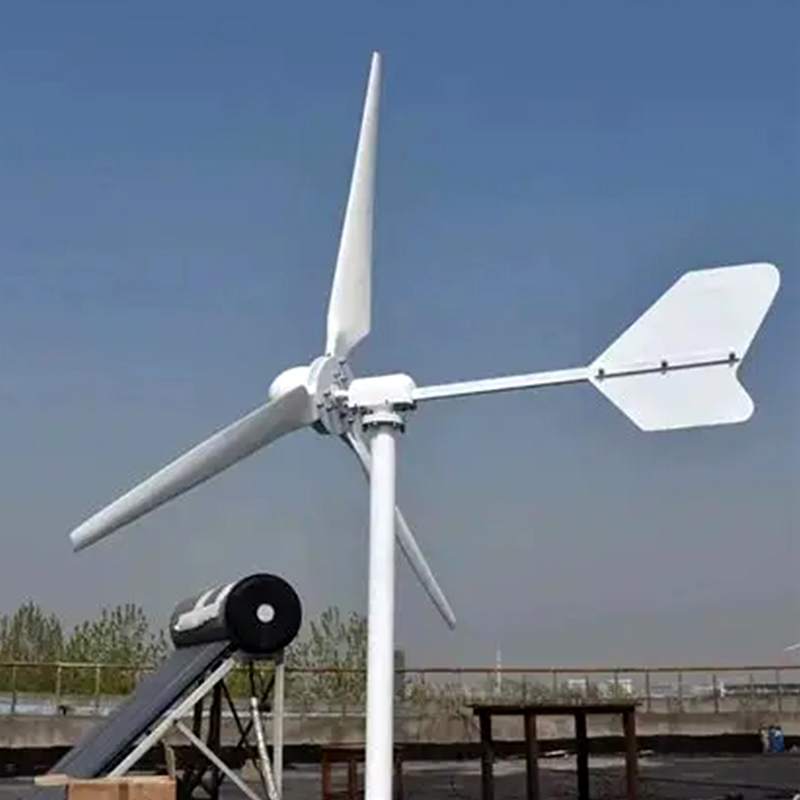
Cut-in and Cut-out Wind Speeds: The cut-in speed is the minimum wind speed at which the turbine begins to generate power, while the cut-out speed is the maximum before the turbine shuts down to prevent damage. These parameters affect the turbine's operational efficiency
Rotor Diameter: A larger rotor diameter improves energy capture, making it a critical specification. It should be selected based on the wind conditions at the installation site
Height and Tower Design: The height of the turbine tower affects its exposure to wind speeds. Taller towers can access higher wind speeds, enhancing performance but increasing costs
Weight and Structural Integrity: The weight of the turbine can affect installation and transportation costs. Buyers should consider the structural integrity of the design to withstand environmental conditions
Warranty and Support: Evaluate the warranty terms and the level of post-installation support offered by the manufacturer. This can significantly affect long-term operational costs
Before making a purchase, buyers should be aware of several practical considerations:
Request Detailed Quotations: When soliciting quotes from manufacturers, be specific about your project requirements, including the turbine type, capacity, and any customization needs
Confirm Specifications: Ensure that all specifications are confirmed before placing an order. This helps prevent discrepancies between what was discussed and what is delivered
Evaluate Samples: If possible, request samples or detailed product demonstrations. This allows buyers to assess quality and functionality before committing to a large order
Check for Certifications: Verify any certifications that the turbine may have, such as safety and efficiency standards. This is vital for ensuring compliance with regulations
Understand Lead Times: Ask suppliers about lead times for production and delivery, as these can vary significantly based on demand and customization needs
As leading brand wind-powered hybrid power systems DHC is only company with its own wind turbine factory, which combines R D, design, production, technical services. Since 2009 founders have embraced the idea of protecting the environment, immersed new technologies, and Wind turbine for home 5kw by the corporate values that focuses "diligence and integrity, as well as cooperation and creativity." This is also the origin of our name "DHC".
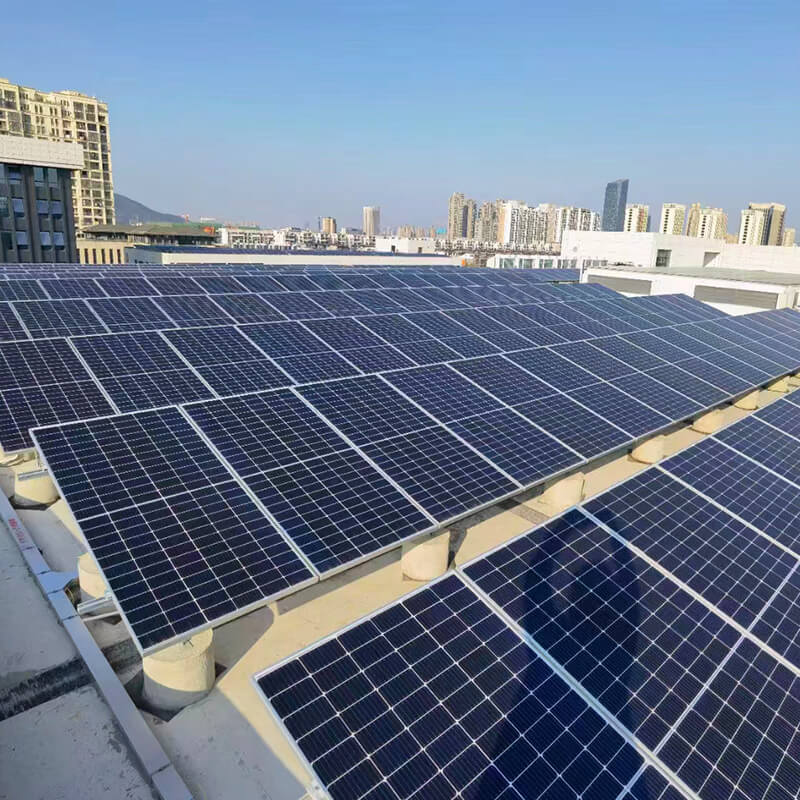
primary products wind turbines, solar panels and lifepo4 batteries. customers will receive a one-stop-shop service the integration and Eolic generator a wind-solar hybrid as well as smart photovoltaic system. DHC provides reliable products, technologies, and after-sales service to customers with excellent delivery capability.
Integrity is foundation of our company. offer real power equipment, as well as skilled Wind turbine. In the case of wind turbines, {you can pay attention it is important to commitment to integrity the basis of our business. We provide genuine power equipment, as well as expert service. Consider parameters such as blade diameter as well as wind turbine weight when looking at wind turbines. DHC promises that its products are able to deliver real power without exaggerating the power.
are dedicated to meeting commercial domestic electricity needs with wind solar power system. able to provide customers with fully customized solutions with our professional capability managing supply chains capabilities 15kw wind turbine for home. We'll provide professional service throughout day beginning with design, production and after-sales.
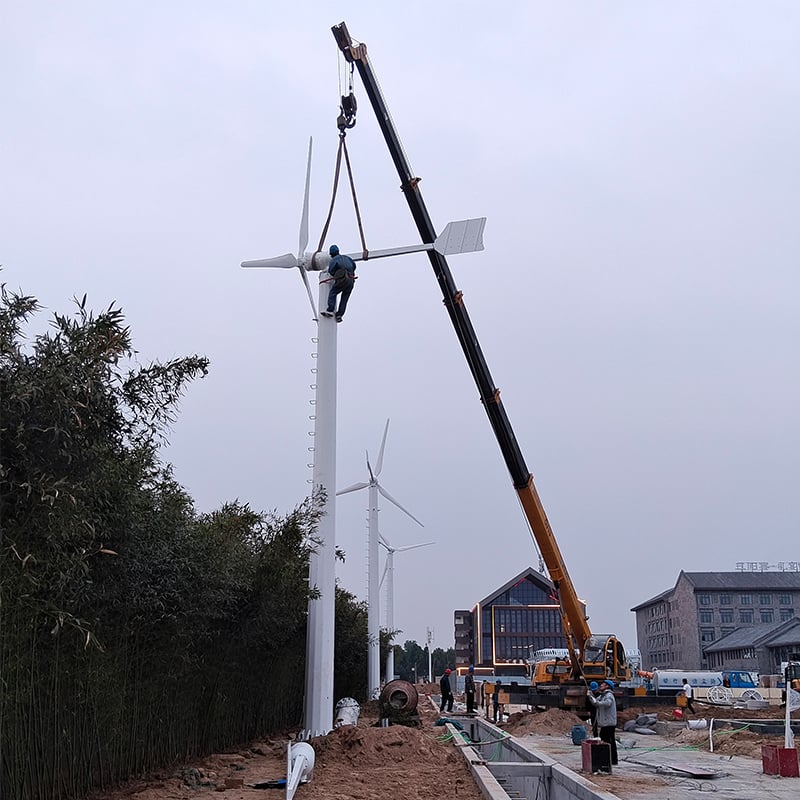
Installation of wind turbines can present challenges that buyers should be prepared to address:
Site Preparation: Proper site assessment is critical. Issues such as uneven terrain or weak soil can complicate installation. Buyers should consider consulting with engineering experts to ensure the site is suitable
Transport and Logistics: Transporting large turbine components can lead to logistical challenges. Ensure that access routes to the installation site can accommodate oversized loads and that all local regulations are followed
Electrical Connections: Proper integration with the existing electrical grid can be complex. Working with experienced electrical contractors familiar with renewable energy systems is advisable
Weather Considerations: Weather conditions can delay installation. Buyers should plan for contingencies and ensure that installation teams are equipped to handle unexpected weather changes
Post-Installation Testing: After installation, conduct thorough testing to ensure the turbine operates as expected. This includes verifying output and ensuring that all systems are functioning properly
By understanding these factors, B2B buyers can make informed decisions regarding wind turbine procurement, ensuring they select the right product for their specific needs while navigating the complexities of the renewable energy market
Welcome to DHC, the top brand of wind solar hybrid power system! We provide innovative and effective new energy solutions including wind turbine, solar panel, lifepo4 battery, etc.




 EN