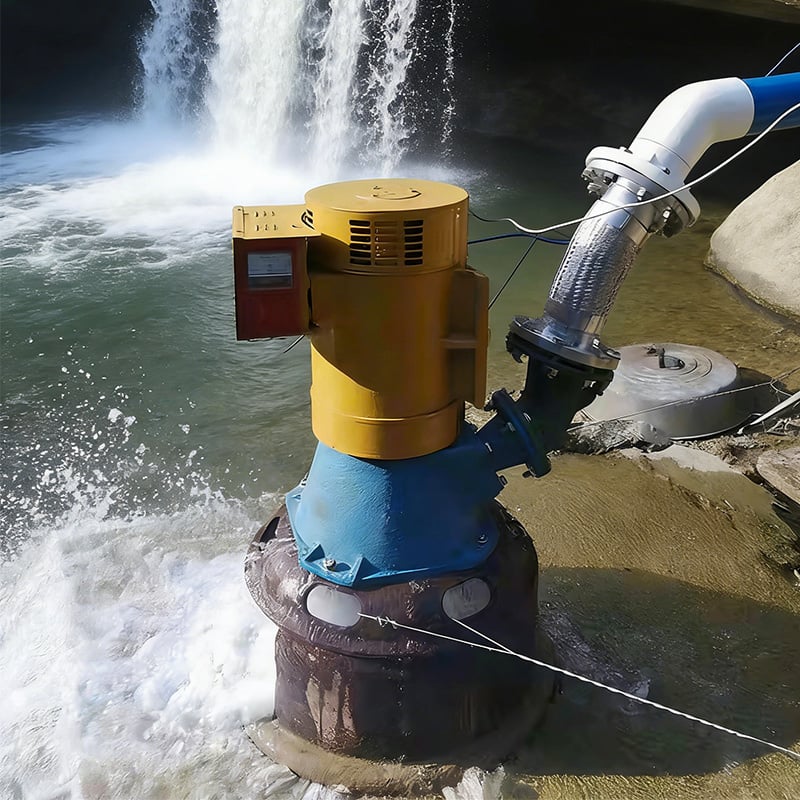
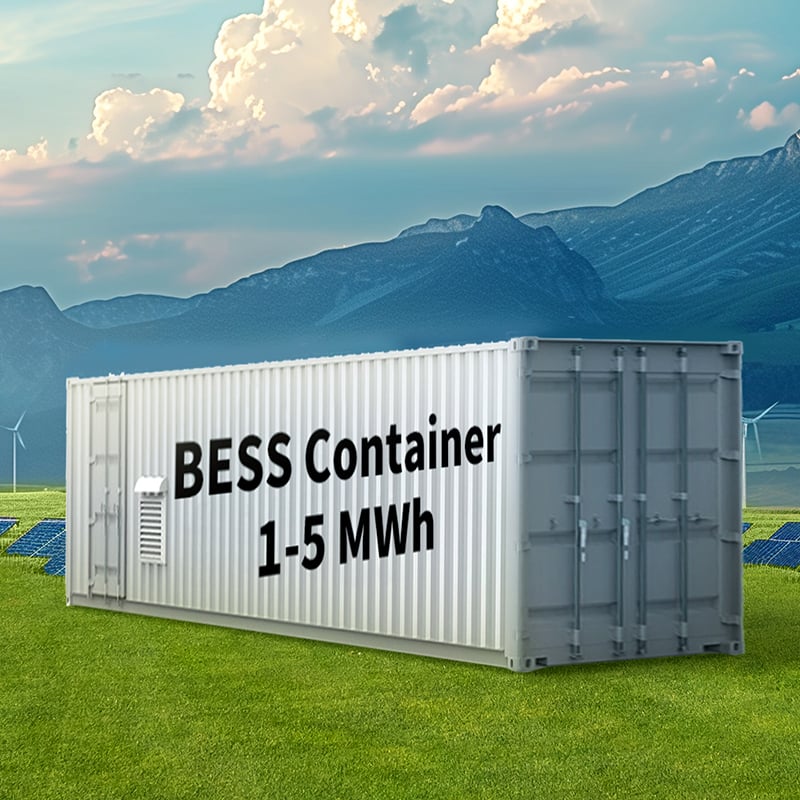
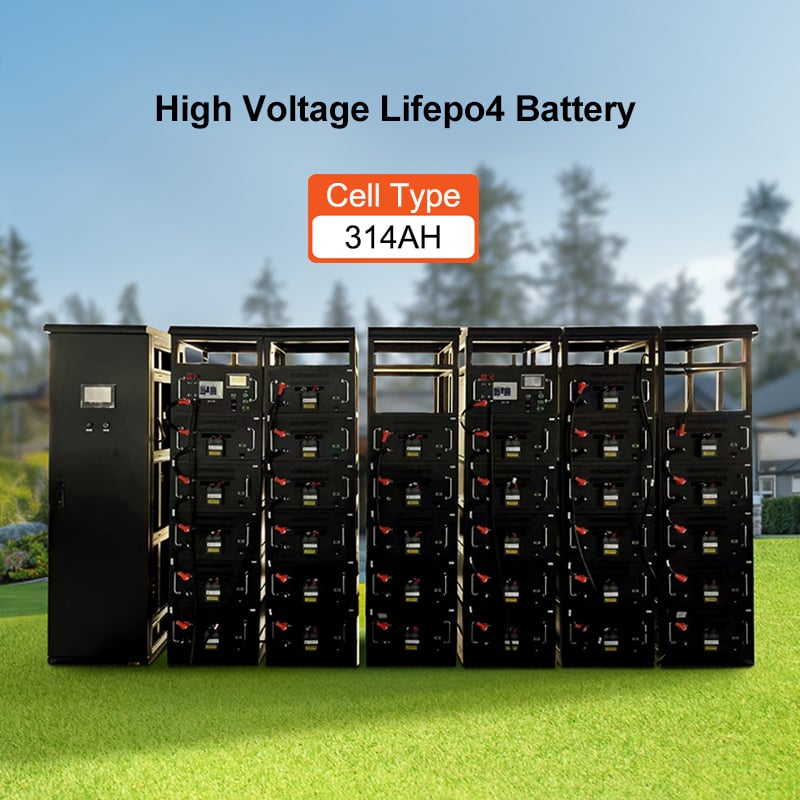
Jiangsu DHC Wind Turbine for homes represent a sustainable energy solution that combines advanced technology with eco-friendly practices. As a purchasing manager or distributor, your primary concerns likely include the efficiency, cost, and practical application of these turbines. This article aims to guide you through the key specifications and considerations for sourcing wind vertical turbines for home use, ensuring you make informed decisions that align with your energy goals
When evaluating Jiangsu DHC Vertical Wind Turbine for wholesale purchasing, it is crucial to compare several core aspects. Begin by assessing the turbine's power output capabilities, which should match the energy needs of the intended application. Look for performance ratings provided by the manufacturer, which indicate how much power the turbine can generate under various wind conditions
Another important factor is the design and durability of the turbine. Vertical axis wind turbines (VAWTs) are often favored for residential use due to their lower noise levels and ability to capture wind from any direction. Check for materials used in construction, as those made from high-strength composites or corrosion-resistant metals tend to have longer lifespans
Additionally, consider the manufacturer's reputation and support services. A company like Jiangsu DHC Environmental Si-Tech Co., Ltd., with 15 years of experience in renewable energy, can provide valuable insights and after-sales support that can ease the installation and maintenance process
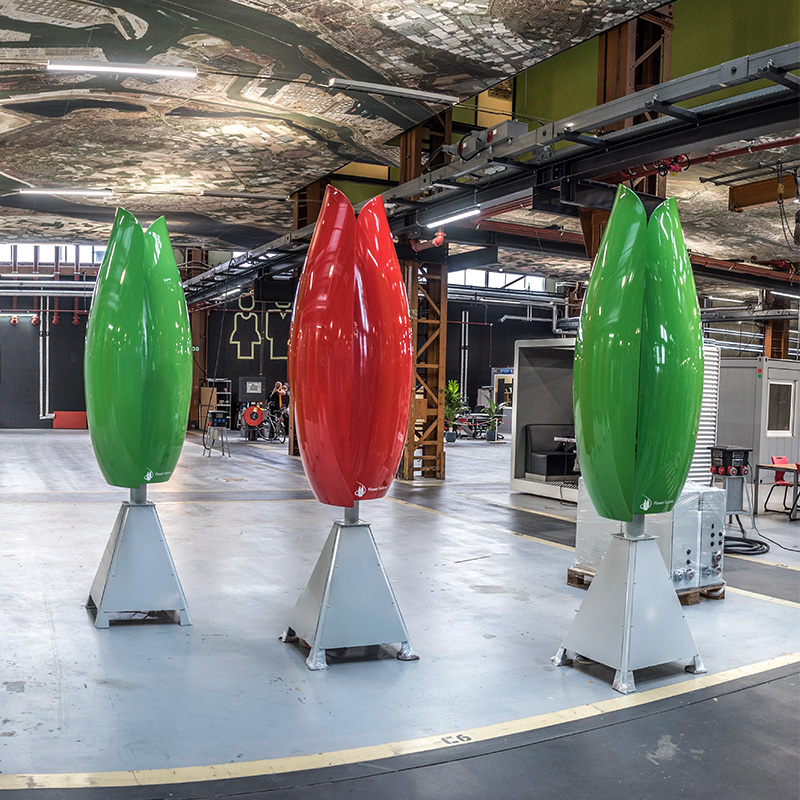
Understanding the key specifications of Jiangsu DHC Pitch Control Wind Turbine is essential for making informed purchasing decisions. Here are several crucial parameters to review:
Rated Power Output: This metric indicates the maximum electrical output under standardized wind conditions. Choose a turbine that can meet your energy requirements, factoring in potential fluctuations in wind availability
Cut-in Wind Speed: This is the minimum wind speed at which the turbine begins to generate power. A lower cut-in speed is advantageous in areas with variable wind patterns, ensuring energy generation even in light winds
Survival Wind Speed: This specification defines the maximum wind speed the turbine can withstand without damage. Ensure that this value exceeds the maximum expected wind speeds in your area
Height and Diameter: The size of the turbine affects its energy capture capability. Taller turbines generally capture more wind, while the rotor diameter influences the area exposed to wind. Confirm that the dimensions are suitable for the installation site
Noise Level: This is particularly important for residential applications. VAWTs are known for being quieter than horizontal axis wind turbines (HAWTs), making them more suitable for home environments
By understanding these specifications, you can better assess the suitability of different models to meet your specific energy needs
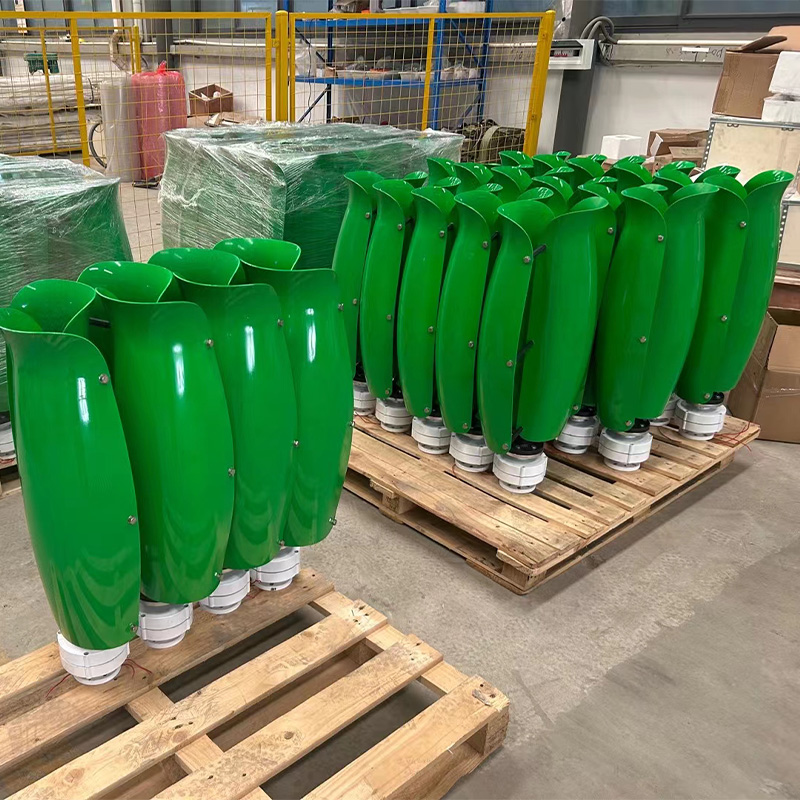
When sourcing wind vertical turbines, several factors should be prioritized to ensure optimal performance and longevity:
Quality of Components: Examine the materials used for blades, towers, and electrical components. High-quality materials enhance durability and efficiency. For example, reinforced fiberglass or carbon fiber is often used for blades to provide strength while minimizing weight
Certification and Standards Compliance: Ensure that the turbines meet industry standards and certifications, which indicate that they have undergone rigorous testing for safety and performance. Certifications can include IEC standards or local regulatory compliance
Manufacturer Support: Evaluate the level of technical support offered by the manufacturer, including installation guidance, maintenance resources, and warranty terms. Reliable support can be crucial for successful operation and troubleshooting
Customization Options: Depending on your specific application, you may require customized solutions. A manufacturer with the capability to tailor turbines to meet unique specifications can provide a significant advantage
Installation and Maintenance Requirements: Consider the complexity of installation and ongoing maintenance. Opt for models that are designed for easier installation and require minimal upkeep to reduce long-term operational costs
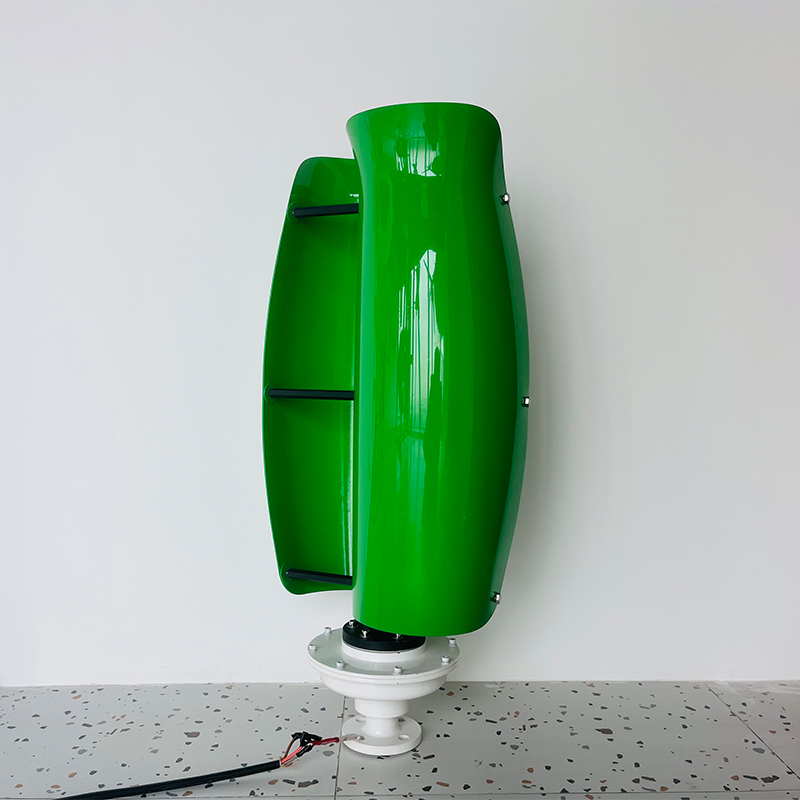
Proper installation is critical for the effective operation of wind vertical turbines. Follow these guidelines to ensure a successful setup:
Site Assessment: Before installation, conduct a thorough site assessment to identify the best location for the turbine. Look for clear areas free from obstructions like trees or buildings that can disrupt airflow
Foundation Requirements: Ensure that the foundation is robust enough to support the turbine's weight and withstand wind forces. Depending on the size of the turbine, concrete footings or specialized mounting systems may be necessary
Orientation and Height: Position the turbine to maximize wind exposure, ideally at a height that captures higher wind speeds. The turbine should be installed on a pole or tower that elevates it above surrounding structures
Electrical Connections: Ensure that electrical connections are made following local codes and standards. Proper wiring and grounding are essential for safety and efficiency
Testing: After installation, monitor the turbine's performance during initial operation. Conduct tests to ensure it operates within expected parameters and address any issues promptly
By adhering to these installation practices, you can help maximize the turbine's efficiency and lifespan
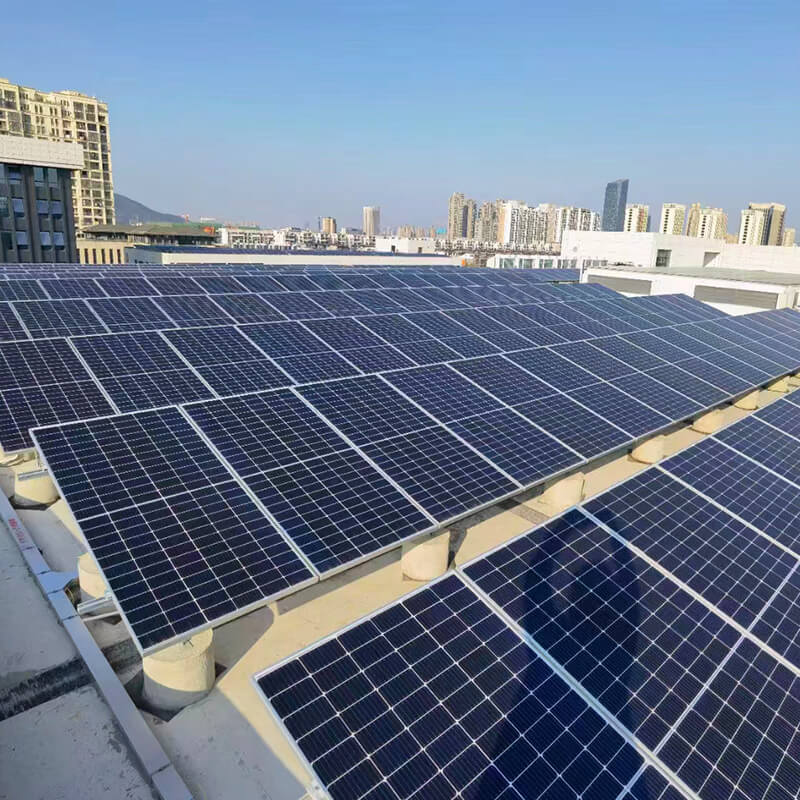
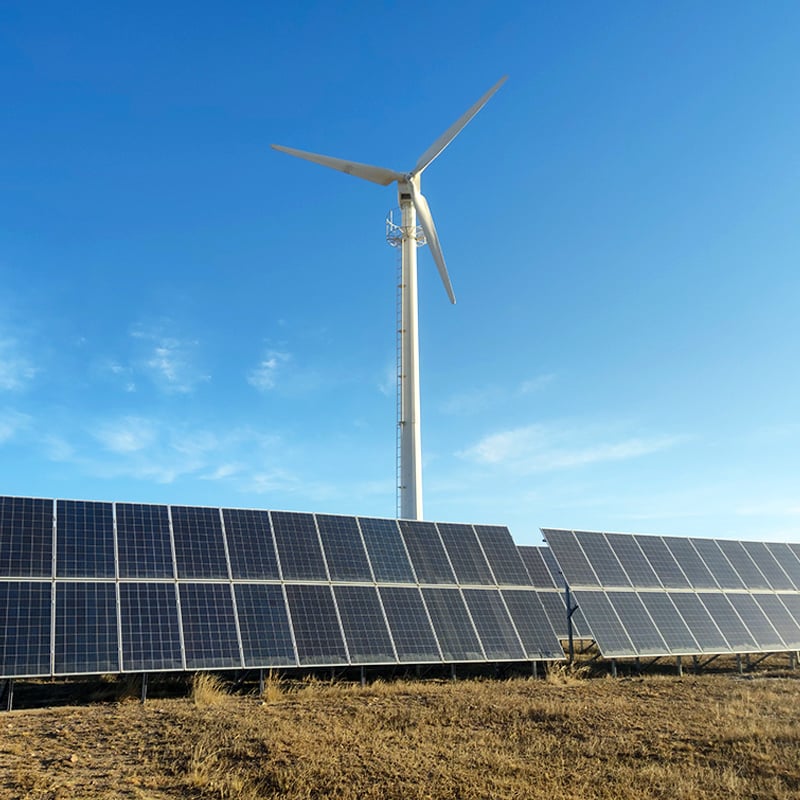
primary products wind turbines, solar panels and lifepo4 batteries. customers will receive a one-stop-shop service the integration and wind turbine generator a wind-solar hybrid as well as smart photovoltaic system. DHC provides reliable products, technologies, and after-sales service to customers with excellent delivery capability.
Integrity is foundation of our company. offer real power equipment, as well as skilled wind turbine and generator. In the case of wind turbines, {you can pay attention it is important to commitment to integrity the basis of our business. We provide genuine power equipment, as well as expert service. Consider parameters such as blade diameter as well as wind turbine weight when looking at wind turbines. DHC promises that its products are able to deliver real power without exaggerating the power.
DHC the top brand in the wind solar hybrid power system. It has own manufacturing facility that incorporates R D and design, production, technical support. Since 2009 our founders have embraced the idea of protecting environment by embracing new technology and embraced 15kw wind turbine for home culture "diligence and honesty, as well as cooperation and creativity." This also the basis of our brand "DHC".
We're Eolic generator meeting commercial domestic electricity needs with wind/solar power system. can provide our customers with tailored solutions through skilled supply chain management capabilities and capabilities for integration. We'll provide high-quality service all hours of day beginning with design, production and after-sales.
When budgeting for wind vertical turbines, several cost factors must be taken into account:
Initial Purchase Price: The upfront cost of the turbine will vary based on size, materials, and technology. Compare quotes from multiple suppliers to ensure competitive pricing
Installation Costs: Installation can represent a significant portion of the overall expenditure. Consider hiring professionals if the installation process is complex, as this can affect the turbine's performance
Maintenance Expenses: Factor in ongoing maintenance costs, including inspections, repairs, and potential part replacements. Investing in high-quality components may reduce long-term maintenance needs
Incentives and Subsidies: Research available government incentives or subsidies for renewable energy installations. These can significantly offset initial costs and improve the return on investment
Operational Costs: Consider any operational costs associated with the turbine, such as insurance or property taxes. These ongoing expenses will impact the overall financial viability of the investment
By carefully evaluating these cost factors, you can make a more informed purchasing decision that aligns with your financial objectives and energy goals
Welcome to DHC, the top brand of wind solar hybrid power system! We provide innovative and effective new energy solutions including wind turbine, solar panel, lifepo4 battery, etc.




 EN