Monobloc heat pumps are an efficient and eco-friendly heating solution that integrates all components into a single unit, making installation and maintenance straightforward. For B2B buyers, such as purchasing managers and engineers, understanding the nuances of monobloc heat pumps is crucial. This article will help you navigate key considerations when selecting a monobloc heat pump, evaluate quality for distribution, understand cost factors, find reliable suppliers, and follow best practices to ensure optimal performance. Additionally, if you are interested in integrating renewable energy solutions, consider looking into the Small Archimedes Wind Turbine Wind Mill for Home as a complementary option.
When selecting a monobloc heat pump, several critical factors need to be assessed to ensure it meets project requirements. First, consider the heating capacity, which must align with the size of the space to be heated. This capacity is typically measured in kilowatts (kW); undersizing can lead to insufficient heating, while oversizing may result in higher operational costs.
Next, evaluate the coefficient of performance (COP), which indicates the efficiency of the heat pump. A higher COP means better energy efficiency, leading to reduced energy costs over time. Additionally, check the temperature range the heat pump can operate within, as this will affect its performance during extreme weather conditions.
Installation requirements are also significant. Monobloc heat pumps are generally easier to install than split systems since they don’t require refrigerant lines. However, ensure that local zoning laws and regulations permit installation in your desired location. Finally, assess the noise levels during operation; quieter units can be crucial in residential areas or sensitive environments.
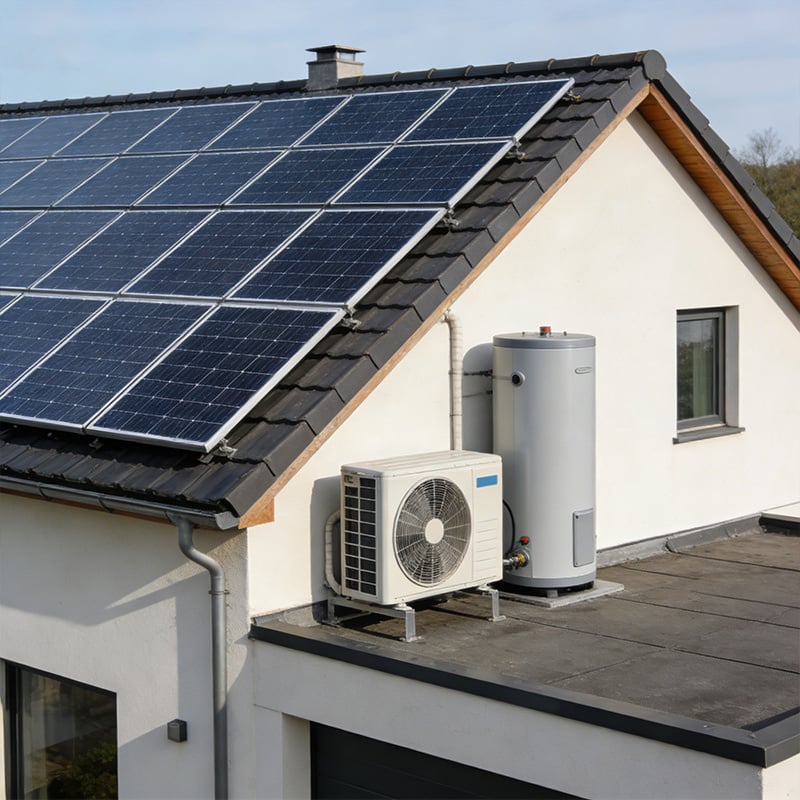
To ensure quality in monobloc heat pumps for distribution, begin by verifying the manufacturer's reputation and experience. Established companies, like Jiangsu DHC Environmental Si-Tech Co., Ltd., with 15 years in renewable energy, often have robust quality control processes and better manufacturing capabilities.
Next, request documentation of certifications that meet industry standards, such as CE or RoHS compliance. These certifications indicate adherence to safety and environmental regulations. In addition, inspect the materials used in the manufacturing process; high-quality components enhance durability and operational efficiency.
It's also important to evaluate the testing protocols the manufacturer employs. Look for products that have undergone rigorous testing under various operating conditions to ensure reliability and performance. A good practice is to ask for sample units to conduct your own tests before committing to larger orders.
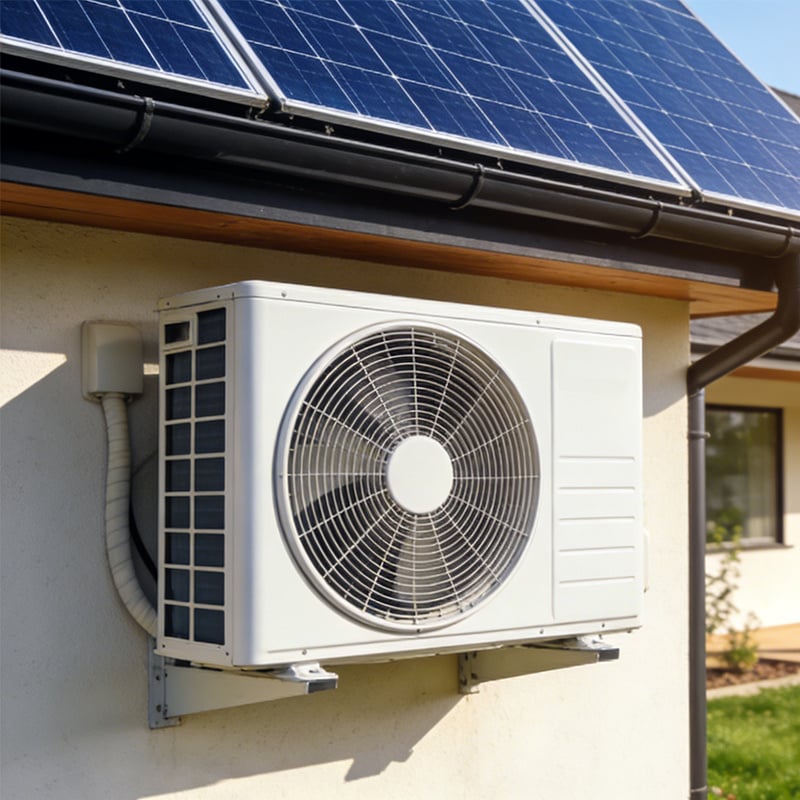
Understanding the cost structure of monobloc heat pumps is vital for effective budgeting. The initial purchase price is only one component; consider installation costs, which can vary significantly based on complexity and site conditions. For example, while monobloc units are generally easier to install than split systems, any necessary site preparation can add to costs.
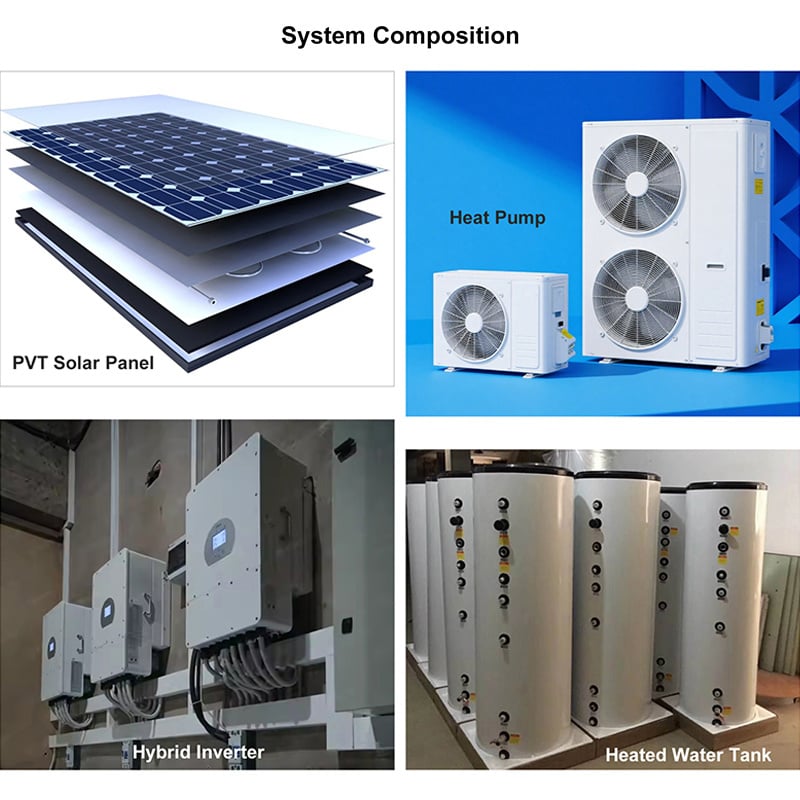
Additionally, factor in operational costs, including electricity consumption based on the COP and expected usage patterns. A unit with a higher upfront cost but greater efficiency may offer better long-term savings. If you are looking for more sustainable options, you might want to explore the Home Solar Powered Heat Pump System 5.4kW PVT Panels with 6P Heat Pump.
Don’t overlook potential maintenance costs. Quality monobloc heat pumps typically require less frequent servicing, but ensure you understand the warranty terms and what parts are covered. This can help avoid unexpected expenses down the line.
Finally, consider the minimum order quantity (MOQ) and shipping costs. Bulk purchasing can reduce unit prices, but it’s essential to balance this against your storage capabilities and cash flow.
Finding reliable suppliers of monobloc heat pumps requires diligent research. Start by looking for manufacturers with a proven track record in the industry. Companies like Jiangsu DHC Environmental Si-Tech Co., Ltd. may provide the assurance of established supply chains and product reliability.
Utilize industry trade shows and online platforms to connect with potential suppliers. Trade shows often allow you to see products firsthand and speak directly with representatives, which can provide valuable insights into their capabilities and support services.
Online directories and marketplaces can also be effective. Evaluate supplier ratings, customer reviews, and case studies to gauge their reliability. Don’t hesitate to request references from other B2B clients or case studies demonstrating their product performance and customer service.
Finally, initiate discussions with potential suppliers to assess their responsiveness and willingness to provide additional information, such as customization options or technical support.
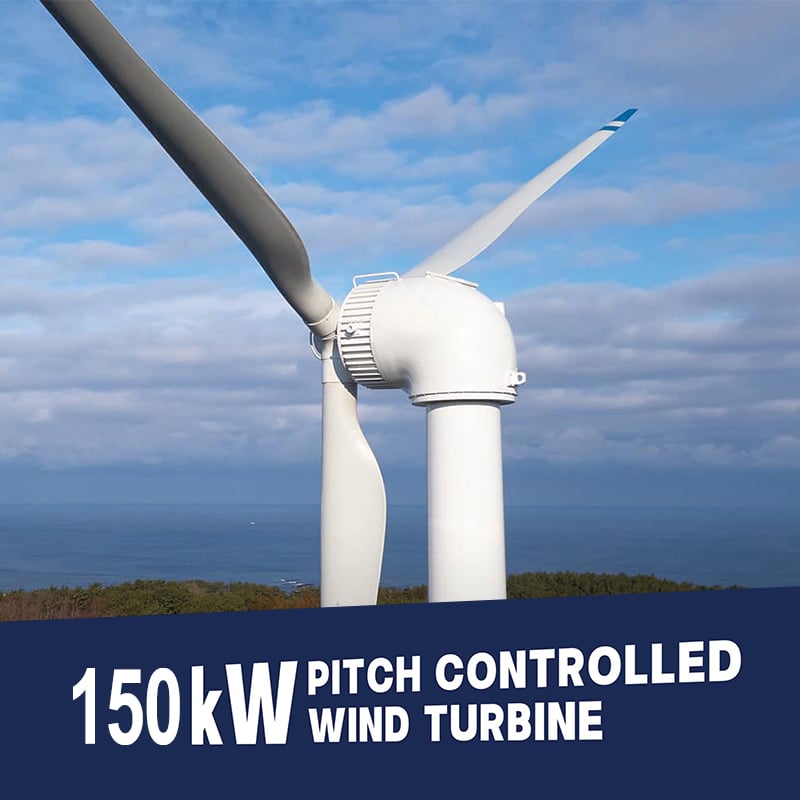
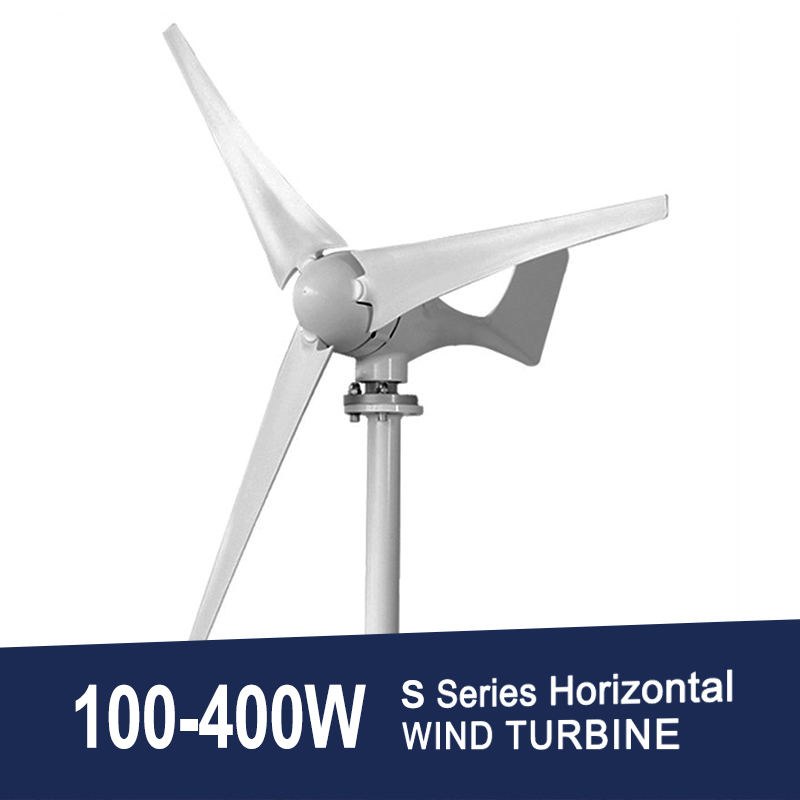
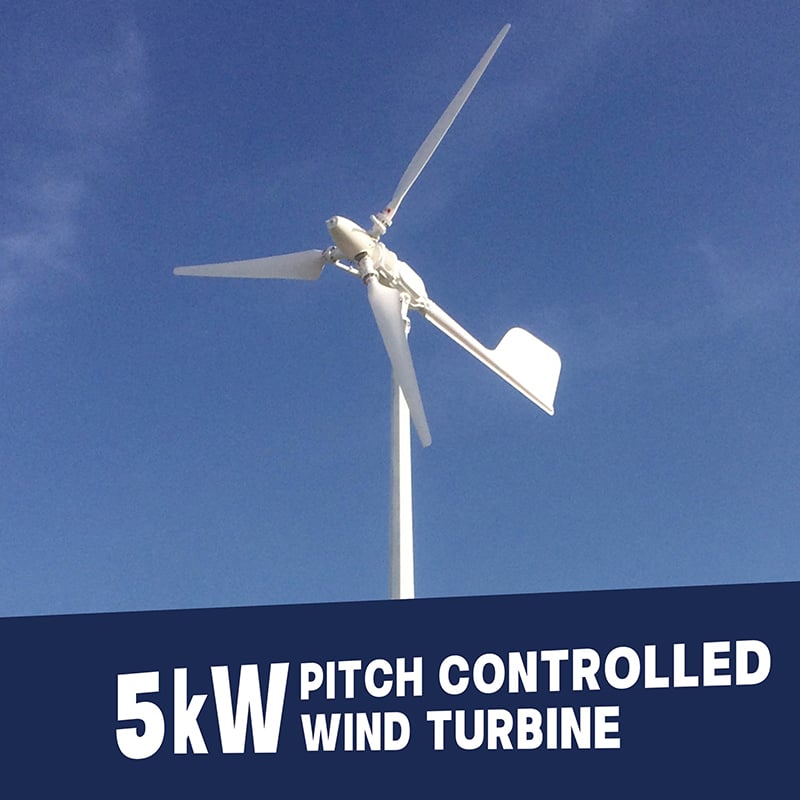
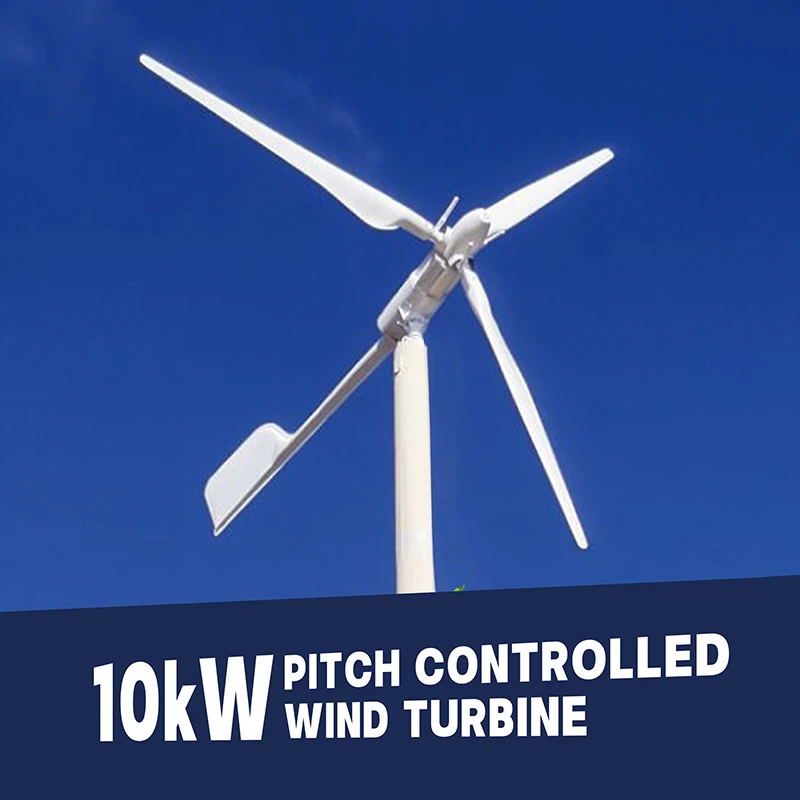
Integrity is foundation of our company. offer real power equipment, as well as skilled Wind turbine. In the case of wind turbines, {you can pay attention it is important to commitment to integrity the basis of our business. We provide genuine power equipment, as well as expert service. Consider parameters such as blade diameter as well as wind turbine weight when looking at wind turbines. DHC promises that its products are able to deliver real power without exaggerating the power.
main products wind turbines and solar panels. customers can receive a single-source service integration and development wind-solar hybrids as well as intelligent photovoltaic systems. DHC provides reliable wind turbine and generator, technologies and after-sales support customers through exceptional delivery capability.
most renowned brand wind-powered hybrid power systems DHC the only company with own wind turbine factory that combines R D, design, production technical support. Since 2009, our founders have practiced the 2kw vertical wind turbine of environmental protection and have been immersed in the latest energy sources and have adhered the company's culture that focuses on "diligence and honesty, collaboration, and creativity." Our brand DHC is the consequence of this.
We're dedicated meeting commercial domestic electric power needs using wind/solar system. With professional supply chain management integration capabilities, can provide our customers with completely 2kw vertical wind turbine solutions. will only need know your exact needs from design, production, to after-sales support, will provide you with real-time professional assistance throughout day.
Implementing best practices when dealing with monobloc heat pumps can significantly enhance project outcomes. First, ensure detailed specifications are provided when requesting quotes. Include information such as the required heating capacity, desired efficiency ratings, and any specific installation requirements.
Before placing an order, always request samples or prototypes. Conduct thorough testing under real-world conditions to validate performance claims. This step can help identify any potential issues before mass production.
Maintain open communication with your supplier throughout the process. Regular updates on production timelines, shipping schedules, and any changes in specifications can help manage expectations and avoid misunderstandings.
Lastly, consider ongoing support and service agreements. A reliable manufacturer will often provide technical support and maintenance guidelines to ensure the longevity and efficiency of the heat pumps.
By understanding the factors involved in selecting, evaluating, and sourcing monobloc heat pumps, B2B buyers can make informed decisions that contribute to project success and operational efficiency.
Welcome to DHC, the top brand of wind solar hybrid power system! We provide innovative and effective new energy solutions including wind turbine, solar panel, lifepo4 battery, etc.






 EN