Residential windmill generators are an innovative solution for harnessing wind energy in homes and small businesses. As the demand for renewable energy sources grows, purchasing managers, engineers, and product managers are increasingly interested in integrating these systems into their projects. This article will cover essential considerations when selecting a residential windmill generator, specifications to look for, common problems and their solutions, applications in modern homes, and wholesale purchasing options. By providing practical information, we aim to equip buyers with the knowledge needed to make informed decisions
When selecting a residential windmill generator, several key factors should be considered. First, assess the average wind speed in your area, which directly impacts the generator's efficiency and energy output. A unit designed for low wind areas may not perform optimally in regions with high wind speeds
Next, consider the generator's design and size. Larger turbines typically yield more energy but may require more space and regulatory approval. Additionally, noise levels should be evaluated, particularly in residential neighborhoods. Many modern windmills are engineered to operate quietly, but it's essential to verify this against local regulations and community standards
Lastly, customization options can be crucial. Some manufacturers offer tailored solutions to meet specific energy needs or aesthetic preferences, which can enhance both functionality and visual appeal
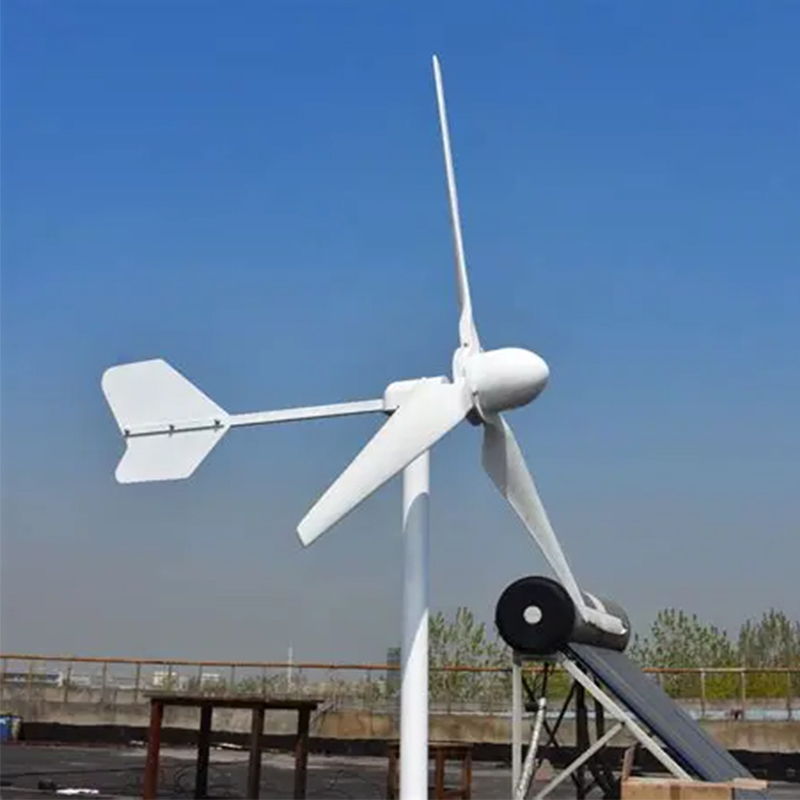
Understanding the technical specifications of residential windmill generators is vital for making an informed purchase. Key specifications include
Rated Power Output: This indicates the maximum electrical output the generator can produce under optimal wind conditions. Ensure it aligns with your energy requirements
Cut-in Wind Speed: The minimum wind speed at which the generator begins to produce power. A lower cut-in speed is preferable for areas with variable wind patterns
Survival Wind Speed: The maximum wind speed the generator can withstand without damage. This is crucial for ensuring the unit's durability in extreme weather conditions
Rotor Diameter: Larger rotors capture more wind, leading to increased energy production. However, consider the space available for installation and the potential impact on neighbors
Material Quality: The materials used in construction affect durability and maintenance needs. Look for corrosion-resistant materials, especially if the unit will be exposed to harsh weather
By confirming these specifications, you can better assess which generator meets your energy needs and installation conditions
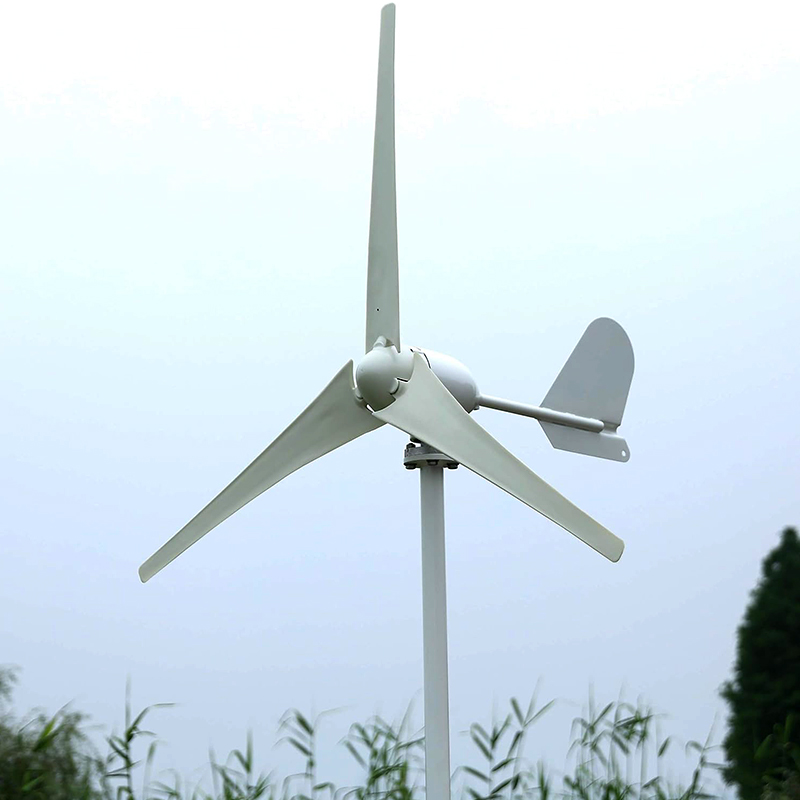
While residential windmill generator for home are generally reliable, buyers should be aware of common problems. One frequent issue is inadequate performance in low-wind areas. To mitigate this, consider investing in a generator specifically designed for low-wind conditions or supplementing with other energy sources, such as solar power
Another concern is mechanical failure due to wear and tear. Regular maintenance is crucial to prolonging the lifespan of the generator. Implementing a routine inspection schedule can help identify and address issues before they escalate
Noise can also be a problem, particularly in urban settings. Choosing a model with noise-reduction features or consulting with the manufacturer on quieter models can alleviate community concerns
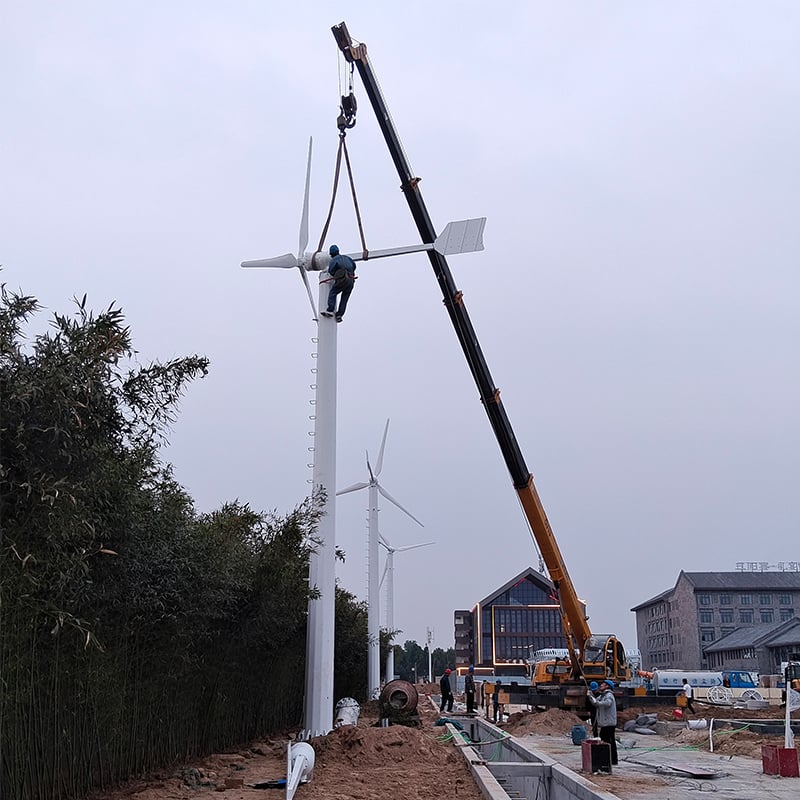
Lastly, ensure that proper installation practices are followed, as improper setup can lead to inefficiencies and damage. Working with experienced installers who understand the nuances of wind turbine installation can significantly reduce these risks
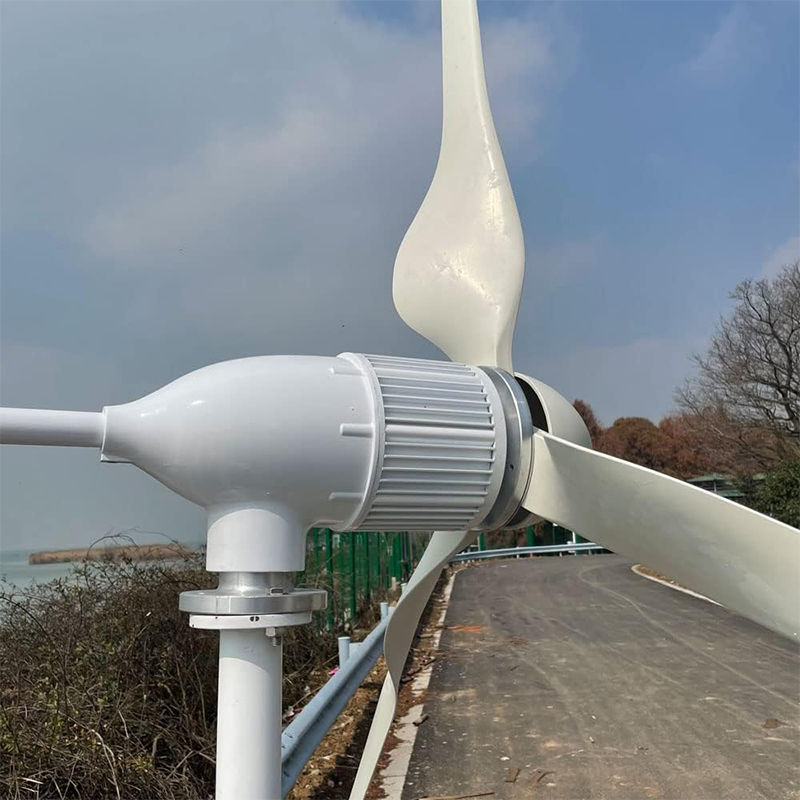
Residential windmill generators are becoming increasingly popular for various applications. Homeowners use them to reduce electricity bills and increase energy independence. By generating their own power, they can protect themselves from fluctuating energy prices and contribute to a more sustainable future
Beyond individual homes, these generators are also ideal for farms and small businesses. They can power irrigation systems, livestock facilities, and even electric vehicle charging stations, enhancing operational efficiency
Moreover, communities are exploring the potential of collective wind energy projects, where several households invest in a shared windmill generator. This collaborative approach can lower costs and maximize energy production, making it a practical solution for neighborhoods seeking sustainable energy sources
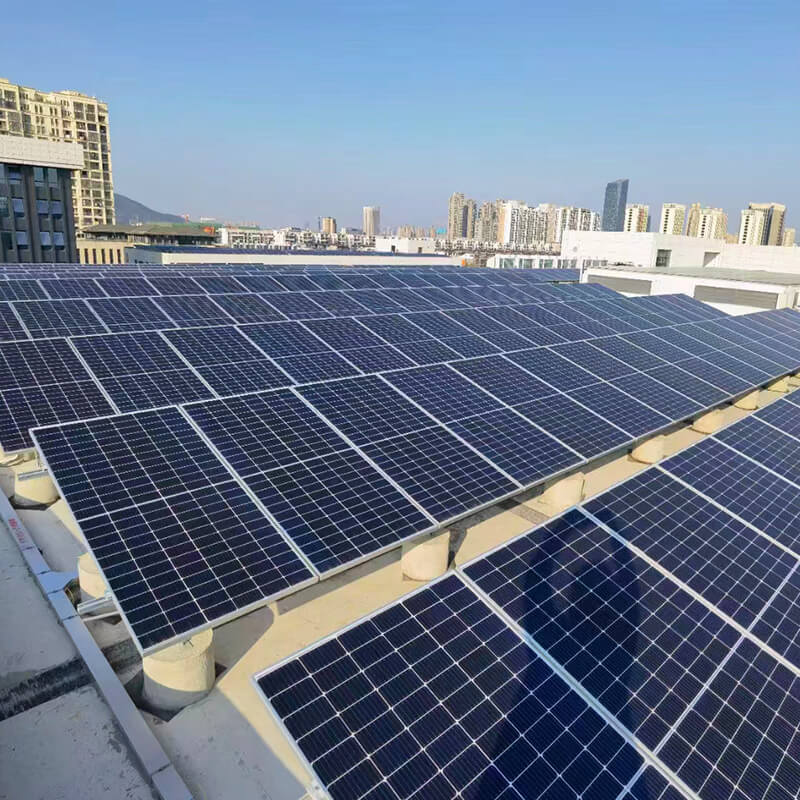
main products wind turbines and solar panels. customers can receive a single-source service integration and development wind-solar hybrids as well as intelligent photovoltaic systems. DHC provides reliable wind turbine and generator, technologies and after-sales support customers through exceptional delivery capability.
We're dedicated solving commercial residential electrical needs utilizing a solar/wind power system. With professional supply chain management and integration capabilities, are able to provide customers with completely customized solutions. We'll provide high-quality service all hours of day from 2kw vertical axis wind turbine to design and after-sales.
DHC is leading brand in the hybrid wind solar power systems. It has own factory that incorporates R D production, design, and technical services. Since 2009 the founders DHC have been implementing the idea protecting the environment and have been immersed in the latest technology and Wind turbine the corporate values "diligence and integrity, co-operation and creativity." This is also the source of our name "DHC".
Integrity is foundation of our company. offer real power equipment, as well as skilled wind turbine and generator. In the case of wind turbines, {you can pay attention it is important to commitment to integrity the basis of our business. We provide genuine power equipment, as well as expert service. Consider parameters such as blade diameter as well as wind turbine weight when looking at wind turbines. DHC promises that its products are able to deliver real power without exaggerating the power.
For businesses looking to purchase residential windmill generators, exploring wholesale options can provide significant advantages. Working directly with manufacturers like Jiangsu DHC Environmental Si-Tech Co., Ltd. allows for better pricing, customization, and support
When considering wholesale purchases, buyers should evaluate the following
Minimum Order Quantity (MOQ): Determine the MOQ for each model to ensure it aligns with your business needs
Customization Capabilities: Discuss the possibility of customizing the generators to meet specific requirements, such as branding or performance specifications
Export Markets: Assess if the manufacturer has experience exporting to your region, as this can affect lead times and compliance with local regulations
Quality Assurance: Request information about the manufacturer's quality control processes and certifications. Ensuring that the products meet industry standards will help mitigate risks associated with subpar equipment
Lead Time: Understand the typical lead times for production and shipping to align with your project timelines
By focusing on these aspects, businesses can make informed decisions when sourcing residential vertical windmill generators, ensuring they receive products that meet their energy needs efficiently and sustainably
Welcome to DHC, the top brand of wind solar hybrid power system! We provide innovative and effective new energy solutions including wind turbine, solar panel, lifepo4 battery, etc.




 EN