Windmill generators for sale represent a pivotal investment for businesses looking to harness renewable energy effectively. With increasing pressures to reduce carbon footprints and the drive for sustainable energy solutions, purchasing a windmill generator can significantly lower energy costs and enhance energy independence. This article addresses the key specifications, cost factors, installation guidance, and applications of windmill generators, allowing purchasing managers, engineers, and product managers to make informed decisions when considering these systems.
When evaluating windmill generator, key specifications play a critical role in determining their suitability for your energy needs. Important specifications include:
Rated Power Output: This indicates the maximum electrical output the generator can produce under ideal wind conditions. It's essential to match the output with your energy requirements to ensure efficiency.
Rotor Diameter: A larger rotor diameter captures more wind energy, resulting in higher power generation. Buyers should consider the available space and wind conditions at their site to determine the appropriate size.
Cut-in Wind Speed: This refers to the minimum wind speed at which the generator starts producing power. A low cut-in speed is advantageous for areas with variable wind conditions.
Tower Height: The height of the tower affects wind exposure. Taller towers can capture stronger winds and provide more consistent energy output, especially in areas with obstructions like buildings or trees.
Durability Ratings: Look for generators built to withstand extreme weather conditions. Certifications and material quality can indicate the longevity and maintenance needs of the generator.
Efficiency Rating: This measures how effectively the wind energy is converted into electrical energy. Higher efficiency ratings lead to better performance and lower energy costs over time.
Understanding these specifications will help buyers assess which windmill generator aligns best with their project requirements.
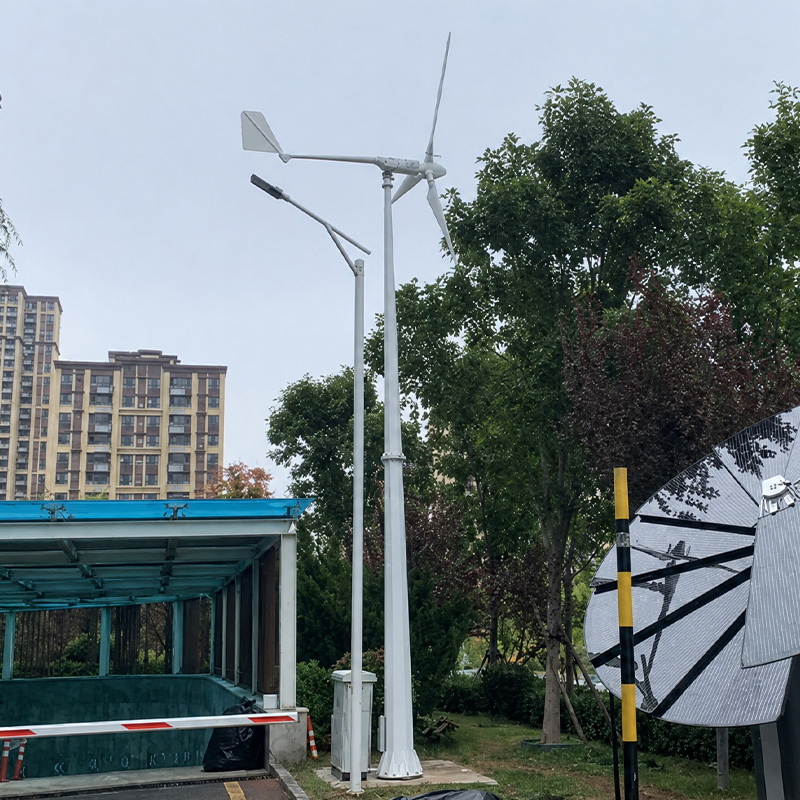
To compare windmill generators effectively, it's crucial to analyze several factors beyond just price:
Performance Metrics: Review the power curves provided by manufacturers, which illustrate performance at varying wind speeds. This data helps determine how each model will perform under your local wind conditions.
Warranty and Support: Evaluate the warranty period and the manufacturer's support structure. A longer warranty typically indicates greater confidence in the product's durability and performance.
Installation Requirements: Some generators may require more complex installations than others. Request detailed installation guides and support options to gauge the total cost and effort involved.
Customization Options: Determine if the supplier offers customization based on specific project needs, such as different tower heights or integrated energy storage solutions.
Customer Reviews and Case Studies: Investigate customer testimonials and previous case studies to understand real-world performance and satisfaction levels. This can provide insights into the reliability and service of the generator.
By carefully considering these factors, purchasing managers can make an informed choice that balances performance, cost, and support.
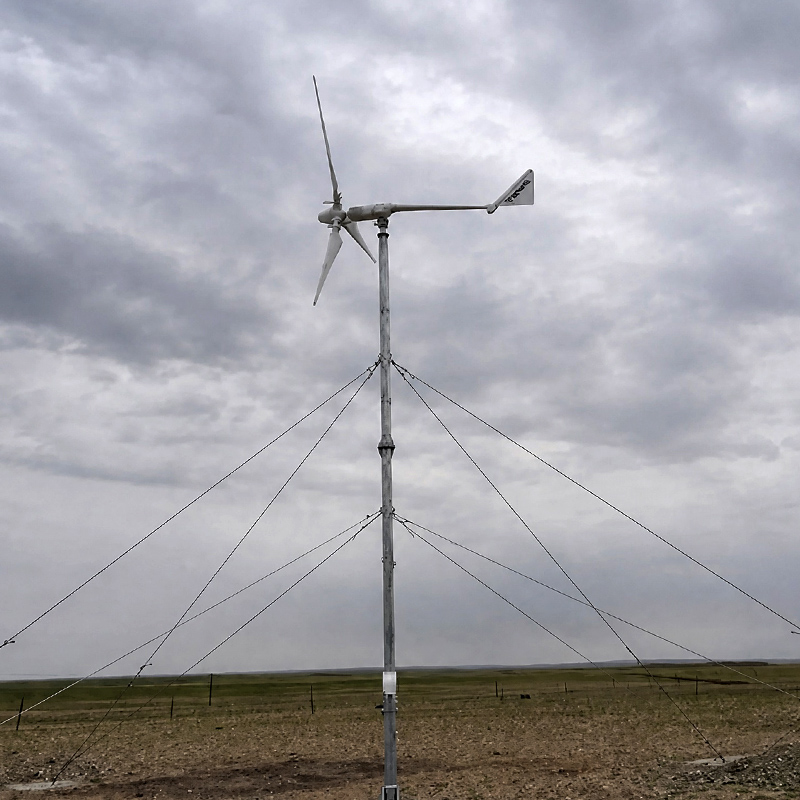
When calculating the total cost of windmill generators, several factors come into play:
Initial Purchase Price: This includes the base cost of the windmill generator and any additional features or specifications that may increase the price.
Installation Costs: Depending on the complexity of the installation site and local labor rates, installation can significantly affect total costs. Ensure to factor in potential site preparation or structural reinforcements.
Maintenance Costs: Consider ongoing maintenance expenses, which include regular inspections, part replacements, and servicing. Generators with higher durability ratings may incur lower maintenance costs over time.
Incentives and Rebates: Investigate available government incentives or rebates for renewable energy installations, as these can substantially lower upfront costs.
Energy Savings: A critical aspect of the total cost is the long-term savings on energy bills. Evaluate the return on investment (ROI) by comparing projected energy savings against initial and ongoing costs.
By assessing these cost factors diligently, buyers can better understand the financial implications of their purchase and make a sound investment.
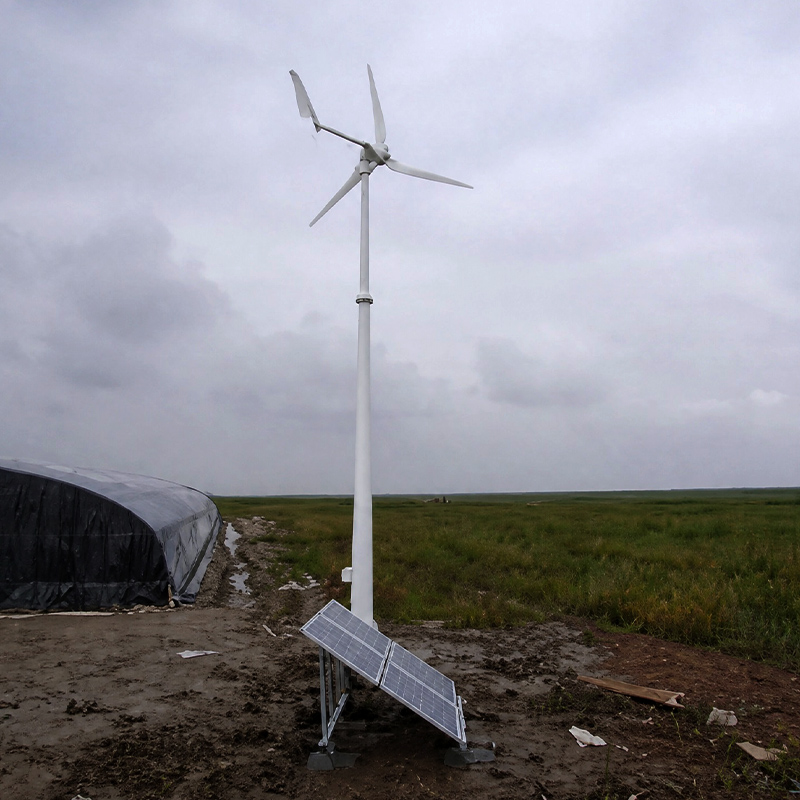
Proper installation is vital for maximizing the efficiency and longevity of windmill generators. Here are key considerations:
Site Assessment: Conduct a thorough site assessment to evaluate wind patterns, potential obstructions, and soil conditions. This information will inform both the ideal location and the type of foundation required.
Permitting and Regulations: Before installation, ensure compliance with local regulations and obtain necessary permits. This step can prevent costly delays and legal issues.
Foundation Design: The foundation must be tailored to the generator's specifications and local soil conditions. A well-designed foundation enhances stability and reduces wear on the generator over time.
Alignment and Orientation: Install the generator in a manner that aligns with prevailing wind directions. Proper orientation can significantly enhance energy capture and overall performance.
Electrical Connections: Ensure that the electrical connections are made by qualified professionals to prevent issues down the line. Proper grounding and adherence to safety standards are essential.
Post-Installation Testing: After installation, perform comprehensive testing to ensure the system operates as intended. This includes checking for mechanical issues and verifying energy output against manufacturer specifications.
By following these guidelines, buyers can ensure that their windmill generators are installed efficiently, maximizing their performance and lifespan.
primary products wind turbines, solar panels and lifepo4 batteries. customers will receive a one-stop-shop service the integration and Wind turbine a wind-solar hybrid as well as smart photovoltaic system. DHC provides reliable products, technologies, and after-sales service to customers with excellent delivery capability.
Integrity the cornerstone of company. offer real power solutions offer an expert service. {When it comes to wind turbines, {you can pay attention it is important to Integrity is the foundation our company. We offer real power equipment, as well as skilled service. You can consider parameters like blade diameter as well as wind you should pay attention aspects like blade's diameter as well as weight. promise that all products produced by DHC come with Vertical wind turbine power output and not overinflated power.
DHC is market leader the hybrid wind solar power systems. It has its own factory that incorporates R D and production, design, and technical services. Since 2009 our founders have embraced the concept of environmental protection by Eolic generator new technology embraced the corporate culture of "diligence integrity, collaboration and creativity." This is also the source of our name "DHC".
are dedicated to meeting commercial domestic electricity needs with wind solar power system. able to provide customers with fully customized solutions with our professional capability managing supply chains capabilities 15kw wind turbine for home. We'll provide professional service throughout day beginning with design, production and after-sales.
A windmill generator for home are versatile and can be employed across various applications in renewable energy projects:
Residential Energy Supply: Many homeowners are turning to small-scale windmill generators for personal energy needs, especially in rural areas with limited grid access.
Commercial Operations: Businesses can reduce operational costs by integrating wind generators into their energy strategy, particularly in industries with high power demands.
Agricultural Use: Farms can benefit from wind energy to power irrigation systems, barns, and other essential equipment, which can enhance sustainability and reduce reliance on fossil fuels.
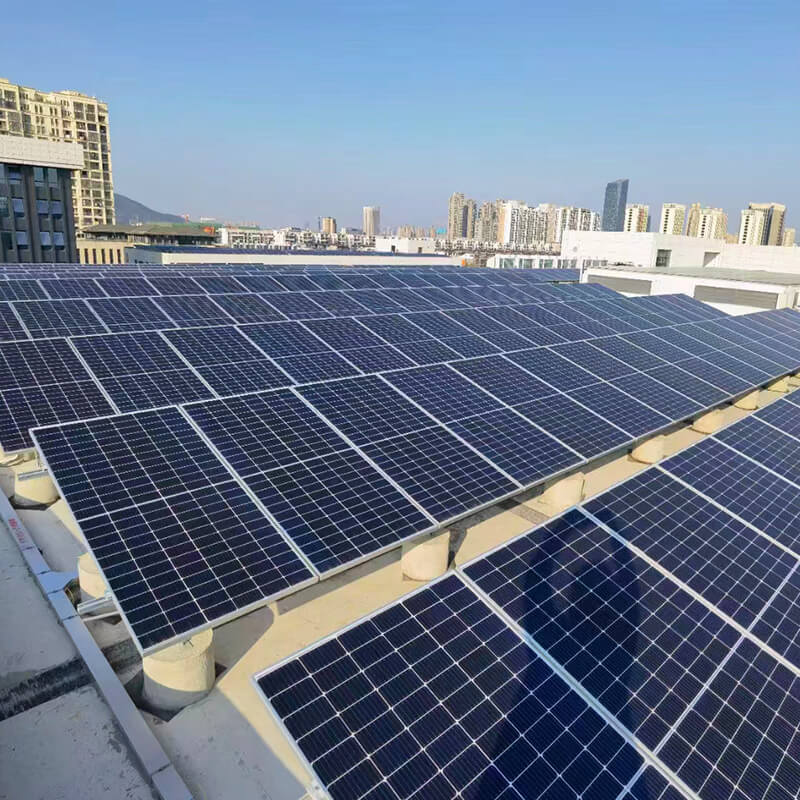
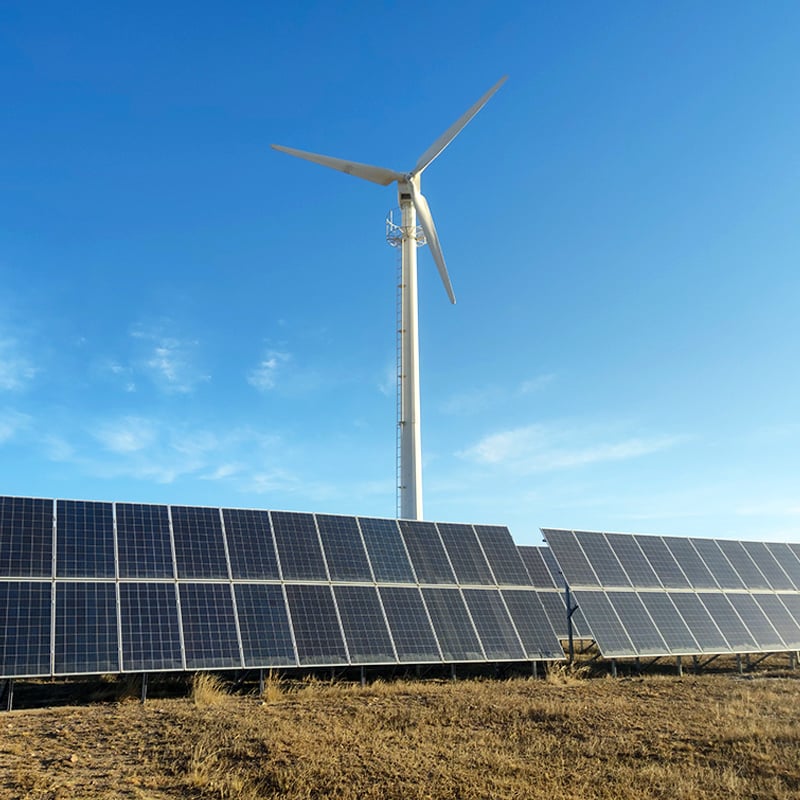
Hybrid Systems: Combining wind generators with solar power systems creates hybrid energy solutions that can provide a more reliable energy supply, especially in regions with fluctuating weather patterns.
Remote Power Stations: Windmill generators are ideal for powering remote installations, such as telecommunications towers or off-grid facilities, where traditional power sources may be impractical.
Understanding these applications allows buyers to visualize how windmill generators can fit into their energy strategy and contribute to broader sustainability goals.
By addressing these essential aspects of purchasing, comparing, and installing windmill generators for sale, businesses can make informed decisions that align with their renewable energy objectives. This comprehensive approach not only enhances operational efficiency but also contributes positively to environmental sustainability.
Welcome to DHC, the top brand of wind solar hybrid power system! We provide innovative and effective new energy solutions including wind turbine, solar panel, lifepo4 battery, etc.




 EN